Tag: Emotional Impact

  • The Emotional Impact of Fertility Testing: Tips for Men and Women

    Blog Post:

    Fertility is a sensitive topic that can bring up a range of emotions for both men and women. For couples struggling with infertility, the process of fertility testing can be a rollercoaster of emotions. From the excitement and hope of starting a family to the disappointment and frustration of negative results, the emotional impact of fertility testing can be overwhelming.

    In this blog post, we will discuss the emotional impact of fertility testing on both men and women and provide tips for coping with the process.

    The Emotional Impact of Fertility Testing on Women:

    For women, the desire to have a child is often deeply ingrained and tied to their sense of identity. When faced with fertility issues, women may experience a sense of failure, guilt, and shame. They may also feel isolated and alone, especially if they have friends or family members who have had no trouble getting pregnant.

    The process of fertility testing can also be physically and emotionally draining for women. The constant monitoring of their menstrual cycle and hormone levels, along with invasive procedures such as blood tests and ultrasound scans, can take a toll on their mental well-being. The waiting period for results can also be a source of anxiety and stress.

    Tips for Coping:

    1. Acknowledge Your Feelings: It is okay to feel a range of emotions when going through fertility testing. Allow yourself to acknowledge and process these feelings instead of bottling them up. Talking to a therapist or a trusted friend or family member can also help.

    2. Find Support: Joining a support group or online community of women going through similar experiences can provide a sense of comfort and understanding. You can also seek support from organizations that specialize in fertility issues.

    3. Take Care of Yourself: The process of fertility testing can be physically and emotionally taxing. Make sure to prioritize self-care by eating well, exercising, and getting enough rest. Engage in activities that bring you joy and help you relax.

    4. Set Boundaries: It is important to set boundaries with friends and family who may not understand the emotional toll of fertility testing. Be open and honest about your needs and communicate clearly when you need space or support.
    Comparison chart of IUI and IVF treatments, detailing medications, monitoring, procedures, and success rates.

    The Emotional Impact of Fertility Testing: Tips for Men and Women

    The Emotional Impact of Fertility Testing on Men:

    While the focus of fertility testing is often on women, men are also affected by the process. The pressure to provide for their family and the societal expectations of being a father can make fertility testing a challenging experience for men. They may also feel a sense of guilt and inadequacy if they are found to have fertility issues.

    Men may also struggle with the emotional toll of fertility testing, as they are often expected to be the strong and supportive partner. The process of fertility testing can also be physically uncomfortable for men, leading to feelings of anxiety and stress.

    Tips for Coping:

    1. Communicate with Your Partner: It is essential to communicate openly and honestly with your partner throughout the process of fertility testing. Share your feelings and concerns, and work together as a team to support each other.

    2. Educate Yourself: Understanding the science behind fertility and the testing process can help you feel more in control and reduce anxiety. Educate yourself on the various fertility treatments available and discuss them with your partner and doctor.

    3. Seek Support: Just like women, men can also benefit from seeking support from a therapist, support group, or online community. Talking to others who have gone through similar experiences can provide a sense of comfort and reassurance.

    4. Take Time for Yourself: It is crucial to prioritize self-care during this stressful time. Find activities that help you relax and de-stress, such as exercise, hobbies, or spending time with friends. Taking breaks from fertility testing can also be beneficial.

    In conclusion, the process of fertility testing can have a significant emotional impact on both men and women. It is essential to acknowledge these feelings and find healthy ways to cope with them. Remember to communicate openly with your partner, seek support, and prioritize self-care. With the right mindset and support, the journey of fertility testing can become more manageable and less emotionally taxing.

    Summary:

    Fertility testing can be an emotionally challenging experience for both men and women. Women may experience feelings of failure, guilt, and isolation, while men may struggle with societal expectations and feelings of inadequacy. It is essential to acknowledge and process these feelings, seek support, and prioritize self-care during this time. Communicating openly with your partner and educating yourself on the process can also help ease the emotional toll of fertility testing.
  • The Decision-Making Process: At-Home Insemination Kits vs. Medical Supplies

    Title: Making the Right Choice: Comparing At-Home Insemination Kits vs. Medical Supplies

    Word Count: 2010

    Deciding to start a family is an exciting and life-changing decision, but for many couples, it is not always easy. For same-sex couples, single individuals, or those facing fertility challenges, the traditional method of conception may not be an option. This is where the decision-making process for at-home insemination kits versus medical supplies comes into play. While both options have their own set of pros and cons, it is important to understand the differences and make an informed decision. In this blog post, we will discuss the various factors to consider when choosing between at-home insemination kits and medical supplies.

    Cost
    One of the first factors to consider when deciding between at-home insemination kits and medical supplies is the cost. At-home insemination kits are generally more affordable than medical supplies, which can cost hundreds or even thousands of dollars. The kits usually include all the necessary tools, such as syringes, ovulation tests, and fertility-friendly lubricants. On the other hand, medical supplies may require a prescription and additional visits to the doctor, which can add up in expenses.

    Convenience
    For many couples, the convenience of at-home insemination kits is a major factor in their decision-making process. These kits can be purchased online or in stores, and they can be used in the comfort and privacy of your own home. This can be particularly beneficial for same-sex couples who may not have access to fertility clinics or for those who prefer not to involve a third party in the process. Additionally, at-home insemination kits often come with detailed instructions, making the process easy and stress-free.

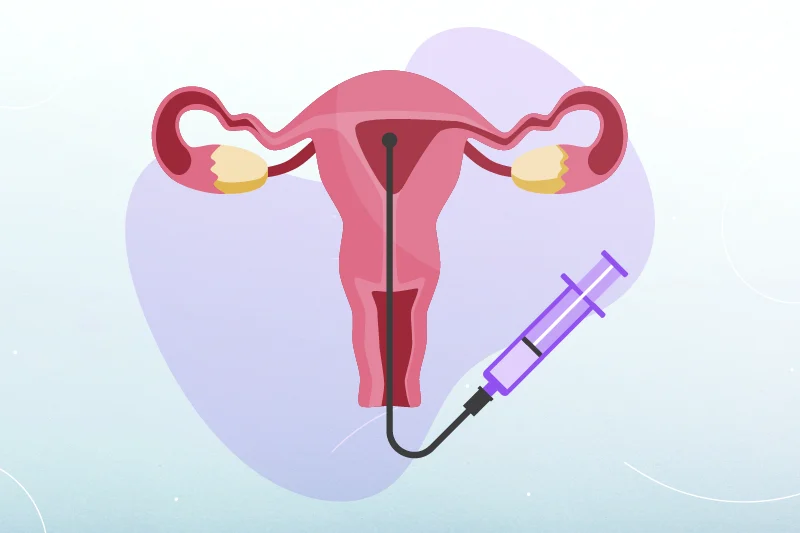
    Illustration of the uterus with a syringe, depicting the intrauterine insemination procedure.

    The Decision-Making Process: At-Home Insemination Kits vs. Medical Supplies

    Effectiveness
    When it comes to effectiveness, medical supplies may have an advantage over at-home insemination kits. Medical procedures, such as intrauterine insemination (IUI) or in vitro fertilization (IVF), have higher success rates compared to at-home insemination. This is because these procedures involve direct placement of sperm into the uterus or fertilization of the eggs outside the body. However, at-home insemination kits can still be successful, especially for couples with no fertility issues.

    Control and Monitoring
    Another important factor to consider is the level of control and monitoring you have over the process. With at-home insemination kits, you have complete control over the timing and frequency of insemination. You can also track your ovulation and use the kits accordingly. However, medical procedures are often closely monitored by doctors, who can provide guidance and make adjustments based on your body’s response to the treatment.

    Safety
    Safety is a crucial factor to consider when deciding between at-home insemination kits and medical supplies. At-home insemination kits, if used correctly, are generally safe and have no major risks. However, medical procedures do carry some risks, such as infection, bleeding, or damage to the reproductive organs. It is important to discuss these risks with your doctor and follow all necessary precautions.

    Emotional Impact
    Starting a family is an emotional journey, and the method of conception can have a significant impact on the emotional well-being of the couple. At-home insemination kits provide a more intimate and personal experience, which can be comforting for some couples. On the other hand, medical procedures can feel more clinical and may require more involvement from healthcare professionals. It is important to consider your emotional needs and choose the option that feels right for you.

    Summary:
    The decision-making process for at-home insemination kits versus medical supplies can be overwhelming and challenging. While at-home insemination kits are more affordable and convenient, medical supplies may have a higher success rate. It is important to consider factors such as cost, convenience, effectiveness, control and monitoring, safety, and emotional impact when making this decision. Ultimately, the choice will depend on personal preferences and individual circumstances.

  • The Emotional Side of Fertility Treatments: Intrauterine Insemination vs Low-Tech IVF

    Summary:

    Fertility treatments, specifically intrauterine insemination (IUI) and low-tech in vitro fertilization (IVF), can be emotionally taxing for couples struggling to conceive. In this blog post, we will discuss the emotional side of these fertility treatments and compare the experiences of IUI and low-tech IVF. Both treatments involve similar procedures, but the emotional impact can vary greatly.

    IUI is a less invasive and more affordable fertility treatment option compared to IVF. However, the success rates are lower, which can lead to disappointment and frustration for couples. The emotional rollercoaster of hope and disappointment during IUI can take a toll on the mental health of couples. On the other hand, low-tech IVF may have higher success rates, but the process can be physically and emotionally demanding. The constant monitoring and injections can cause stress and anxiety for couples, and the financial burden of IVF can add to the emotional strain.

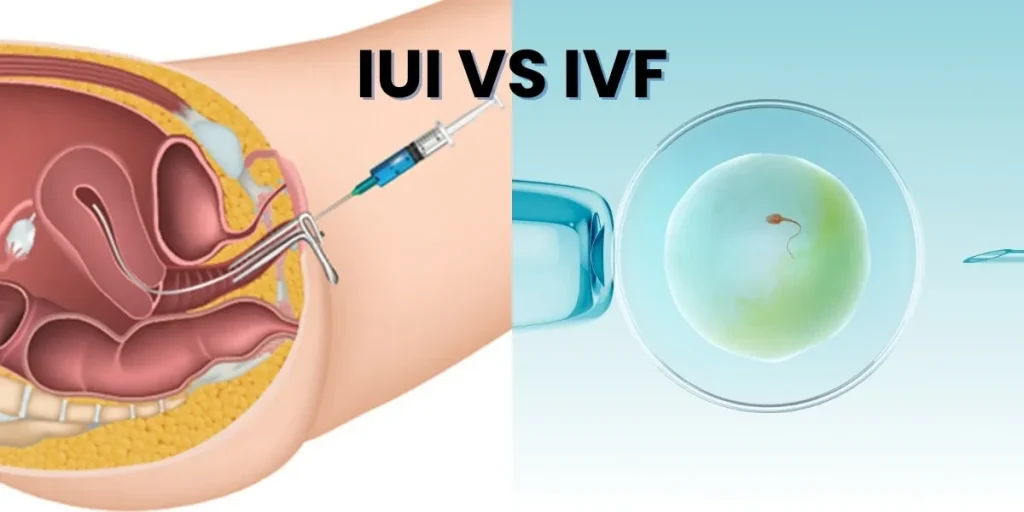
    comparison of IUI and IVF fertility treatments with illustrations of procedures and a petri dish with an egg and sperm

    The Emotional Side of Fertility Treatments: Intrauterine Insemination vs Low-Tech IVF

    The emotional impact of fertility treatments also extends beyond the couple, involving their support system of family and friends. The pressure from well-meaning loved ones and the fear of judgment from society can add to the already existing emotional burden. It is essential for couples to have a strong support system and communicate openly with their loved ones during this challenging journey.

    Furthermore, fertility treatments can also bring up unresolved emotions and past traumas for couples. The pressure to conceive can cause strain on the relationship, and unresolved issues can resurface. It is crucial for couples to seek therapy or counseling to address these emotions and strengthen their bond.

    In conclusion, the emotional side of fertility treatments is often overlooked, but it is a crucial aspect of the journey for couples. The experience of IUI and low-tech IVF can differ greatly, but both have their own emotional challenges. It is essential for couples to communicate openly with each other, seek support from their loved ones, and address any unresolved emotions with therapy or counseling.

  • Traditional Fertility Treatments: What to Expect and How to Cope

    Traditional Fertility Treatments: What to Expect and How to Cope

    Trying to conceive a child can be a rollercoaster of emotions. For some, it may happen quickly and easily, but for others, it can be a long and challenging journey. When natural conception is not possible, many couples turn to fertility treatments to help them achieve their dream of becoming parents. However, the idea of undergoing fertility treatments can be daunting, and it’s natural to have concerns and questions. In this blog post, we will discuss traditional fertility treatments, what to expect, and how to cope with the process.

    Understanding Fertility Treatments
    Fertility treatments are medical procedures that aim to improve a couple’s chances of conceiving a child. These treatments are usually recommended when a couple has been trying to conceive for one year without success. However, if the woman is over 35, the time frame may be shortened to six months, as fertility declines with age.

    There are various fertility treatments available, and the type recommended will depend on the underlying cause of infertility. Some of the most common traditional fertility treatments include:

    1. Ovulation Induction – This treatment involves taking medication to stimulate the ovaries to produce more eggs.

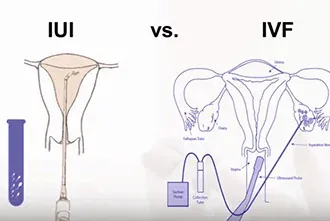
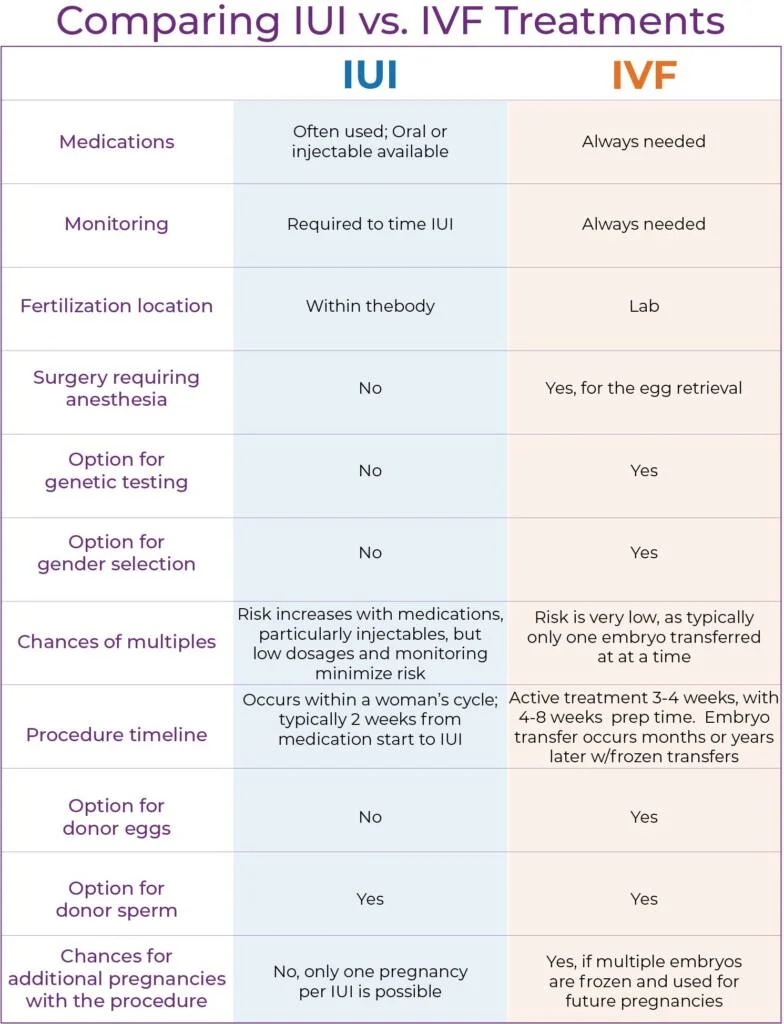
    2. Intrauterine Insemination (IUI) – During this procedure, washed and prepared sperm is inserted directly into the uterus during the woman’s ovulation period.

    3. In Vitro Fertilization (IVF) – This is a more complex procedure that involves retrieving eggs from the woman’s ovaries and fertilizing them with sperm in a laboratory. The resulting embryo is then transferred into the woman’s uterus.

    4. Intracytoplasmic Sperm Injection (ICSI) – This is similar to IVF, but instead of fertilizing the eggs naturally, a single sperm is injected into the egg to achieve fertilization.

    5. Surrogacy – In this option, a woman carries a child for another couple or individual.

    Comparison of IUI and IVF treatments with diagrams of reproductive anatomy.

    Traditional Fertility Treatments: What to Expect and How to Cope

    The fertility specialist will assess the couple’s medical history and conduct various tests to determine the most suitable treatment for them.

    The Emotional Impact of Fertility Treatments
    The journey of undergoing fertility treatments can be physically, emotionally, and financially draining. It’s a time filled with hope, anxiety, and uncertainty. Many couples may experience feelings of disappointment, frustration, and even grief when treatments fail. It’s essential to acknowledge and address these emotions, as they can affect the couple’s mental well-being and their relationship.

    Tips for Coping with Fertility Treatments
    1. Educate Yourself – Understanding the fertility treatment process can help alleviate some of the fears and uncertainties. Ask your fertility specialist questions and do your own research to gain a better understanding of the procedures.

    2. Lean on Support – Going through fertility treatments can be isolating, but it’s crucial to have a support system. Lean on your partner, family, and friends for emotional support. You can also join support groups or seek therapy to help you cope with the emotional rollercoaster.

    3. Practice Self-Care – Taking care of yourself during this time is essential. Eat healthily, get enough rest, and engage in activities that bring you joy and relaxation.

    4. Communicate with Your Partner – Going through fertility treatments can put a strain on a relationship. It’s crucial to communicate openly and honestly with your partner and support each other through the process.

    5. Seek Professional Help – Don’t be afraid to seek professional help if you’re struggling to cope with the emotional impact of fertility treatments. A therapist or counselor can provide you with tools and techniques to manage your emotions and support you through this journey.

    What to Expect During Fertility Treatments
    The process of undergoing fertility treatments can be overwhelming, but knowing what to expect can help ease some of the stress. The first step will be consulting with a fertility specialist who will assess your medical history and conduct various tests. Once a treatment plan is agreed upon, you will undergo the necessary procedures, which may include medication, blood tests, ultrasounds, and the actual fertility treatment.

    The success rate of fertility treatments varies depending on several factors, such as age, underlying health conditions, and the type of treatment. It’s essential to have realistic expectations and be prepared for multiple attempts before achieving success.

    In conclusion, traditional fertility treatments can be a challenging and emotional journey for couples struggling to conceive. It’s crucial to have a support system, communicate openly with your partner, and take care of yourself during this time. With the right mindset and support, you can navigate through the ups and downs of fertility treatments and hopefully achieve your dream of becoming parents.

  • Intrauterine Insemination vs Intracervical Insemination: A Look at the Emotional Toll

    Intrauterine insemination (IUI) and intracervical insemination (ICI) are two commonly used methods of assisted reproductive technology that can help individuals and couples conceive a child. While both procedures involve the introduction of sperm into a woman’s reproductive tract, there are significant differences between the two. One of the most important aspects to consider when choosing between IUI and ICI is the emotional toll that each can have on individuals and couples. In this blog post, we will explore the emotional impact of these two insemination methods and provide insights from experts in the field.

    Understanding Intrauterine Insemination and Intracervical Insemination

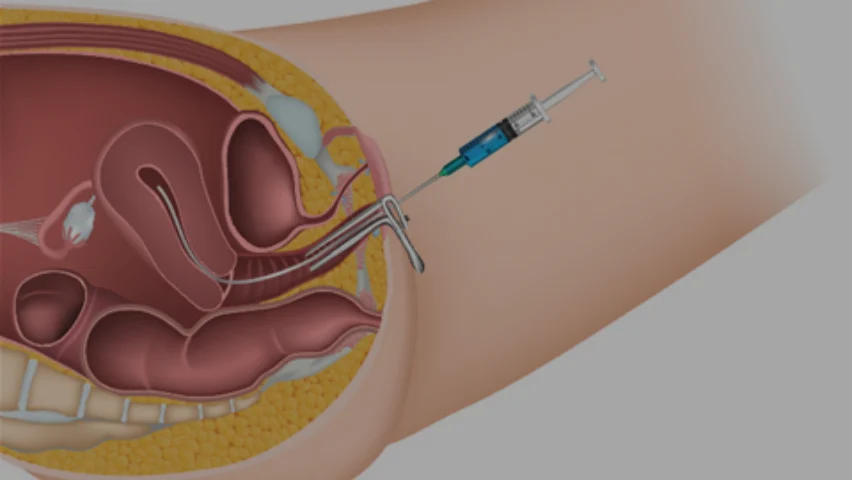
    Before delving into the emotional aspects, it is essential to understand the differences between IUI and ICI. In IUI, sperm is directly placed into the uterus using a catheter, bypassing the cervix. This procedure is typically timed with a woman’s ovulation to increase the chances of fertilization. On the other hand, ICI involves the placement of sperm near the cervix using a syringe or cervical cap. This method relies on the sperm’s ability to swim through the cervix and reach the egg for fertilization.

    The Emotional Toll of Intrauterine Insemination

    IUI can be an emotionally taxing process for individuals and couples trying to conceive. The preparation for the procedure, which includes hormonal medications and frequent visits to the doctor, can take a toll on one’s emotional well-being. The waiting period between IUI and finding out if it was successful can also be a rollercoaster of emotions. Dr. Zaher Merhi, a fertility specialist, explains, “The two-week wait after IUI is probably the most stressful time for a couple undergoing this procedure. They are eagerly waiting to find out if they are pregnant or not, and the anticipation can be overwhelming.”

    In addition, the success rate of IUI is not as high as other assisted reproductive techniques, which can lead to disappointment and feelings of failure. This can be particularly challenging for individuals and couples who have been struggling with infertility for an extended period.

    The Emotional Impact of Intracervical Insemination

    While ICI may seem less invasive and emotionally taxing compared to IUI, it still has its own set of emotional challenges. One of the biggest concerns for individuals undergoing ICI is the lack of control over the process. Unlike IUI, where the sperm is placed directly into the uterus, ICI relies on the sperm’s ability to swim through the cervix, which can be unpredictable. This can lead to feelings of uncertainty and anxiety, as individuals have no way of knowing if the sperm has reached the egg for fertilization.

    Dr. Merhi also highlights the emotional impact of the timing involved in ICI. He explains, “Timing is crucial in ICI, and if the sperm is not introduced at the right time, it can significantly affect the chances of conception. This can add to the emotional burden, as individuals are constantly thinking about whether the timing is right.”

    Illustration of intrauterine insemination (IUI) procedure with syringe and catheter in the uterus.

    Intrauterine Insemination vs Intracervical Insemination: A Look at the Emotional Toll

    The Impact on Relationships

    The emotional toll of IUI and ICI is not limited to individuals; it can also have a significant impact on relationships. The stress and anxiety surrounding these procedures can strain a couple’s communication and intimacy. There may also be feelings of resentment or blame if the procedure is not successful, which can lead to relationship issues.

    Dealing with the Emotional Toll

    The emotional toll of IUI and ICI can be overwhelming, but there are ways to cope with these challenges. It is crucial for individuals and couples to have a support system in place, whether it be friends, family, or a therapist. It is also essential to have open communication with your partner and to express your feelings and concerns.

    Dr. Merhi emphasizes the importance of self-care during this process. He says, “It is essential to take care of your emotional well-being during this time. Engage in activities that help you relax and destress, such as yoga, meditation, or spending time in nature.”

    Seeking Professional Help

    If the emotional toll of IUI and ICI becomes too overwhelming, it may be helpful to seek professional help. A therapist or counselor can provide support and guidance through the process and help individuals and couples navigate the emotional challenges.

    In conclusion, the decision between IUI and ICI should not solely be based on the emotional toll but should consider other factors such as success rates, cost, and medical recommendations. However, it is vital to acknowledge and address the emotional impact of these procedures and seek support when needed. With the right support and coping mechanisms, individuals and couples can navigate through the emotional toll and increase their chances of conceiving a child.

    Summary:

    Intrauterine insemination (IUI) and intracervical insemination (ICI) are two methods of assisted reproductive technology that can help individuals and couples conceive. While both procedures involve the introduction of sperm into a woman’s reproductive tract, they have significant differences, particularly in the emotional toll they can have on individuals and couples. IUI can be emotionally taxing due to the preparation, waiting period, and success rates, while ICI can create feelings of uncertainty and anxiety due to its reliance on the sperm’s ability to swim through the cervix. These emotional challenges can also impact relationships, but there are ways to cope, such as having a support system, open communication, self-care, and seeking professional help.

  • From Surrogacy to Adoption: Alternative Paths to Parenthood for Couples Facing Male and Female Factor Infertility

    SUMMARY:

    Infertility is a heartbreaking and challenging reality for many couples. For those facing both male and female factor infertility, the journey to parenthood can seem even more daunting. Thankfully, there are alternative paths to parenthood that can help couples build their families, including surrogacy and adoption. In this blog post, we will explore the process and benefits of both surrogacy and adoption for couples facing male and female factor infertility.

    First, we will dive into the world of surrogacy, where a woman carries and gives birth to a child for another individual or couple. Surrogacy can be a viable option for couples facing male factor infertility, where the male partner may have low sperm count or quality. With surrogacy, couples have the opportunity to be genetically related to their child, as the surrogate’s eggs can be fertilized by the male partner’s sperm. This can provide a sense of biological connection for the parents that may be missing in other forms of alternative parenthood. Additionally, surrogacy allows for the intended parents to have a more hands-on experience during the pregnancy, as they can attend doctor’s appointments and be involved in the pregnancy journey. However, surrogacy can also come with a high price tag and legal complexities, so it is important for couples to fully understand the process and have proper legal representation before pursuing this option.

    Cost breakdown for IUI components, including requirements, impacts, and alternatives.

    From Surrogacy to Adoption: Alternative Paths to Parenthood for Couples Facing Male and Female Factor Infertility

    Next, we will discuss adoption as an alternative path to parenthood for couples facing male and female factor infertility. Adoption offers couples the opportunity to provide a loving home to a child in need and build a family through love, rather than biology. For couples facing both male and female factor infertility, adoption can be a wonderful option, as it does not require the use of sperm or eggs. This can also provide a sense of relief and release from the pressure and disappointment of unsuccessful fertility treatments. Adoption can also be a more affordable option compared to surrogacy, with many organizations offering financial assistance and grants to help offset costs. However, the adoption process can also be lengthy and emotionally taxing, as couples must navigate through background checks, home studies, and waiting periods. It is important for couples to have a strong support system and prepare themselves for the challenges and joys of adoption.

    Additionally, there are different types of adoption to consider, such as domestic adoption, international adoption, and foster-to-adopt. Domestic adoption involves adopting a child from within the same country, while international adoption involves adopting a child from another country. Foster-to-adopt involves caring for a child in the foster care system with the ultimate goal of adopting them. Each type of adoption comes with its own unique challenges and benefits, and it is important for couples to research and determine which option is the best fit for their family.

    It is also important for couples to consider the emotional impact of both surrogacy and adoption. The journey to parenthood through these alternative paths can bring up feelings of grief, loss, and uncertainty. It is essential for couples to seek counseling and support throughout the process to navigate these emotions and come out stronger as a family. Additionally, it is important for couples to have honest and open communication with each other about their desires and concerns, as well as with the surrogate or birth parents involved in the process.

    In conclusion, while facing male and female factor infertility can be a difficult and heartbreaking experience, there are alternative paths to parenthood that can help couples build their families. Surrogacy and adoption offer unique opportunities for couples to become parents and create loving and fulfilling homes for children in need. It is important for couples to thoroughly research and understand the processes and potential challenges of both options, as well as seek emotional support throughout the journey. Ultimately, the end result of parenthood through surrogacy or adoption is a beautiful and rewarding experience for couples facing male and female factor infertility.

  • Hope for Couples: Overcoming Infertility Through Male and Female Factor Treatments

    Title: Hope for Couples: Overcoming Infertility Through Male and Female Factor Treatments

    Introduction:
    Infertility is a common issue that affects many couples around the world. It can be a difficult and emotional journey for couples who are struggling to conceive. While there are many factors that can contribute to infertility, it is important to understand that both men and women can experience fertility issues. In this blog post, we will explore the different treatment options available for male and female factor infertility and how they can bring hope to couples who are trying to start a family.

    Understanding Male and Female Factor Infertility:
    Before diving into the treatments, it is important to understand the difference between male and female factor infertility. Male factor infertility refers to issues with sperm production, function, or delivery, while female factor infertility is related to problems with ovulation, egg quality, or the reproductive organs. In some cases, both partners may have contributing factors to infertility, making it even more challenging for couples to conceive.

    Male Factor Infertility Treatments:
    When it comes to male factor infertility, there are several treatment options available depending on the underlying cause. One common treatment is medication, which can help improve sperm production and function. In cases where there are blockages or obstructions in the reproductive organs, surgery may be necessary to clear the blockage. Another option is assisted reproductive technology (ART), such as intrauterine insemination (IUI) or in vitro fertilization (IVF), which involves collecting sperm and using it to fertilize the female partner’s egg. These treatments have shown high success rates in helping couples conceive.

    Female Factor Infertility Treatments:
    For women, the treatment options for infertility will depend on the underlying cause. If the issue is related to ovulation, medication such as Clomid or letrozole may be prescribed to stimulate ovulation. In cases where there are structural issues with the reproductive organs, surgery may be necessary to correct the problem. ART, such as IVF, may also be recommended for women with fertility issues. Additionally, lifestyle changes, such as maintaining a healthy weight and reducing stress, can also improve fertility in women.

    comparison of IUI and IVF fertility treatments with illustrations of procedures and a petri dish with an egg and sperm

    Hope for Couples: Overcoming Infertility Through Male and Female Factor Treatments

    Combining Treatments for Better Results:
    In some cases, combining male and female factor infertility treatments can greatly increase the chances of conception. For example, if a man has a low sperm count and the woman has blocked fallopian tubes, using ART with donor sperm can be a viable option for couples. This is known as donor sperm IUI or IVF. By combining treatments, couples can have a better chance of overcoming their fertility struggles and achieving their dream of starting a family.

    The Emotional Impact of Infertility:
    Dealing with infertility can take a toll on the emotional wellbeing of both partners. It can cause feelings of stress, anxiety, and even depression. It is important for couples to communicate openly and support each other through this journey. Seeking the help of a therapist or joining a support group can also be beneficial in coping with the emotional impact of infertility.

    The Role of Nutrition and Lifestyle:
    While medical treatments play a significant role in overcoming infertility, paying attention to nutrition and lifestyle factors can also make a difference. A healthy and balanced diet can help regulate hormones and improve fertility in both men and women. Additionally, avoiding smoking, excessive alcohol consumption, and maintaining a healthy weight can also improve fertility. Couples can work together to make positive lifestyle changes that can improve their chances of conceiving.

    Conclusion:
    Infertility can be a challenging and emotional journey for couples, but there is hope. With the advancements in medical technology and treatments, many couples have been able to overcome their fertility struggles and start a family. By understanding the different treatment options available for male and female factor infertility and addressing any emotional and lifestyle factors, couples can increase their chances of conceiving and bringing a new life into the world.

    In summary, infertility can affect both men and women, and there are various treatment options available to help couples overcome their fertility struggles. These include medication, surgery, assisted reproductive technology, and lifestyle changes. By combining treatments and addressing emotional and lifestyle factors, couples can increase their chances of conceiving and fulfilling their dream of starting a family.

  • Frozen Donor Sperm: Breaking Down the Process

    Blog Post:

    Frozen donor sperm is a popular option for individuals and couples who are looking to start or expand their family. This process involves using sperm from a donor who has been screened for health and genetic conditions, and then freezing it for later use. In this blog post, we will break down the process of using frozen donor sperm and provide valuable information for those considering this route to parenthood.

    1. Finding a Donor

    The first step in the process of using frozen donor sperm is to find a donor. This can be done through a sperm bank or fertility clinic, where donors have gone through extensive screening processes to ensure their sperm is healthy and free from genetic conditions. Sperm banks and fertility clinics typically have a large selection of donors to choose from, allowing individuals and couples to find the right donor for their family.

    2. Screening Process

    Once a donor has been selected, the screening process begins. This is a crucial step in the process as it ensures the sperm is of high quality and free from any health or genetic issues. The screening process includes a medical exam, genetic testing, and a thorough review of the donor’s family medical history. Additionally, donors may be required to undergo psychological evaluations to ensure they are mentally and emotionally prepared for the process.

    3. Freezing the Sperm

    After the donor has passed all of the necessary screenings, the sperm is then collected and frozen. This process, known as cryopreservation, involves freezing the sperm at very low temperatures to preserve its quality. The sperm can be stored for long periods, making it a viable option for those who may not be ready to start a family immediately.

    4. Thawing and Preparing for Insemination

    When the individual or couple is ready to use the frozen donor sperm, it is thawed and prepared for insemination. The sperm is thawed slowly to ensure its quality is not compromised. Once thawed, it is washed and prepared for insemination. There are two main methods of insemination – intrauterine insemination (IUI) and in vitro fertilization (IVF). IUI involves placing the sperm directly into the uterus, while IVF involves fertilizing the sperm with an egg in a lab and then transferring the embryo into the uterus.

    5. Legal Considerations

    A person administering an injection into their abdomen with a yellow pen-like device.

    Frozen Donor Sperm: Breaking Down the Process

    Using frozen donor sperm also involves legal considerations, as it is important to establish parental rights and responsibilities. This is typically done through a legal contract between the donor and the individual or couple using the sperm. The contract outlines the rights and responsibilities of all parties involved, ensuring a clear understanding and agreement.

    6. Success Rates

    The success rates of using frozen donor sperm vary depending on factors such as the age of the woman, the method of insemination, and the quality of the sperm. On average, the success rate for IUI is around 10-20% per cycle, while the success rate for IVF is around 40-50% per cycle. It is important to consult with a fertility specialist to determine the best option for you and your specific situation.

    7. Cost

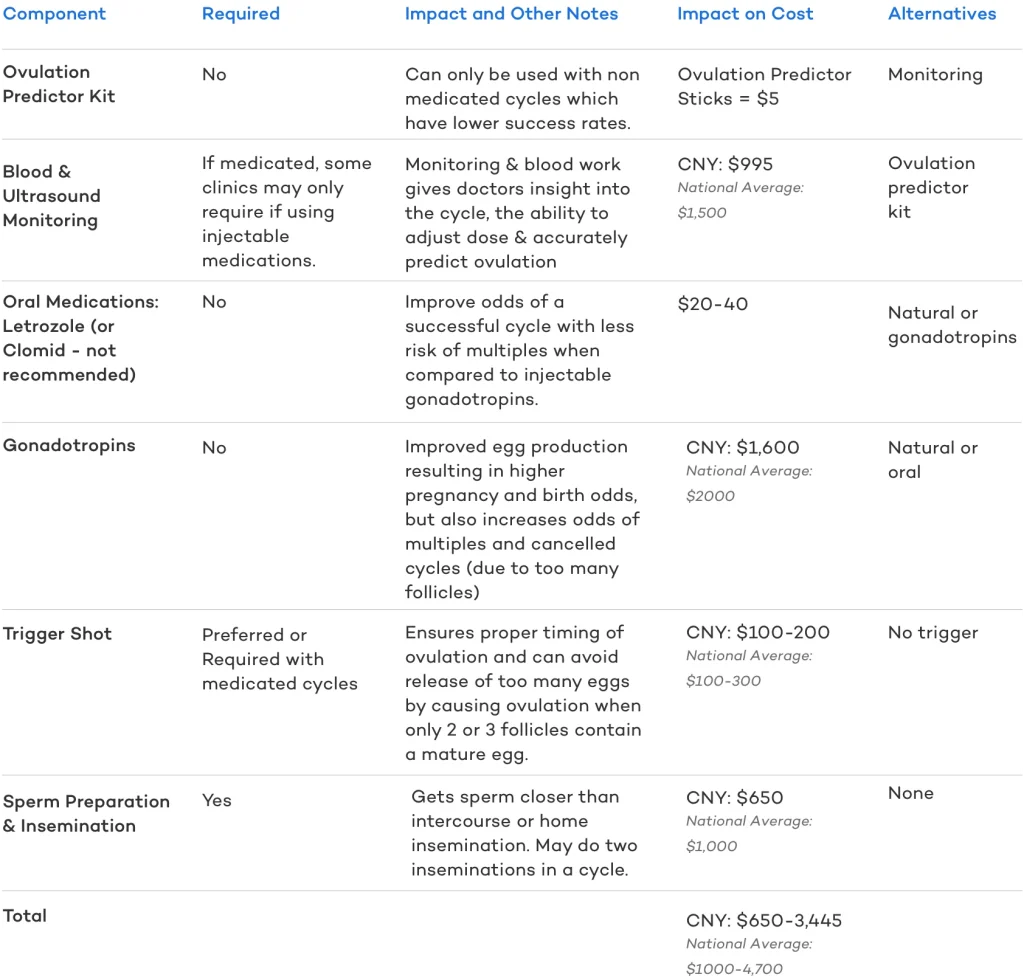
    The cost of using frozen donor sperm can vary depending on the sperm bank or fertility clinic, the method of insemination, and any additional services that may be needed. On average, the cost can range from $500-$1000 for the sperm itself, plus additional fees for the screening process, storage, and insemination procedures. It is important to research and compare costs from different providers to determine the best option for your budget.

    8. Emotional Considerations

    Using frozen donor sperm can be an emotional process for individuals and couples. It is important to consider the emotional impact of using a donor and to seek support if needed. Many sperm banks and fertility clinics offer counseling services for those going through this process. It is also important to have open and honest communication with your partner throughout the process.

    9. Diversity of Donors

    One of the benefits of using frozen donor sperm is the diversity of donors available. Sperm banks and fertility clinics typically have a wide range of donors, including different ethnicities, religions, and physical characteristics. This allows individuals and couples to find a donor that aligns with their preferences and values.

    10. Privacy and Confidentiality

    Privacy and confidentiality are key considerations when using frozen donor sperm. Donors are typically anonymous, and their identity is kept confidential. This allows individuals and couples to have control over who knows about their use of a donor and to maintain their privacy.

    In summary, using frozen donor sperm is a multi-step process that involves finding a donor, going through the screening process, and using the sperm for insemination. It is important to consider the legal, emotional, and financial aspects of using a donor, as well as the success rates and diversity of donors available. Seeking support and guidance from a fertility specialist can help make the process smoother and more successful.

  • The Emotional Journey: At-Home vs Clinic Intrauterine Insemination

    Blog Post:

    Intrauterine insemination (IUI) is a fertility treatment that involves placing sperm directly into a woman’s uterus to increase the chances of pregnancy. It is a popular option for couples struggling with infertility, and can be performed either at the clinic or at home. While both methods have the same goal, the emotional journey for couples can differ greatly between at-home and clinic IUI. In this blog post, we will explore the emotional journey of couples undergoing IUI and how it may vary depending on where the procedure takes place.

    At-Home IUI: The Convenience Factor

    One of the main reasons why couples opt for at-home IUI is convenience. It eliminates the need for frequent visits to the fertility clinic and allows for privacy in the comfort of one’s own home. This can be particularly beneficial for couples who have busy schedules or live far from the clinic.

    However, this convenience can also come with added stress and pressure. Unlike at the clinic, where a healthcare professional performs the procedure, at-home IUI requires the couple to take on a more active role. This can be intimidating for some, especially if they are not familiar with the process or have never performed it before. The pressure to get it right and the fear of making a mistake can add to the emotional burden of the couple.

    The Emotional Rollercoaster of Timing and Waiting

    Timing is crucial in at-home IUI as it involves tracking a woman’s ovulation cycle and performing the procedure at the most optimal time. This means that couples must be diligent in tracking ovulation and performing the procedure within a specific timeframe. This can be emotionally taxing, as it adds pressure to perform and can cause anxiety if the timing is missed.

    Moreover, the waiting game after the procedure can be emotionally draining for couples. Unlike at the clinic, where the couple can immediately get answers from a healthcare professional, at-home IUI requires waiting for the pregnancy test results. This waiting period can be filled with hope, anxiety, and disappointment, making it a rollercoaster of emotions for the couple.

    Clinic IUI: The Comfort of Professional Care

    Cost breakdown for IUI components, including requirements, impacts, and alternatives.

    The Emotional Journey: At-Home vs Clinic Intrauterine Insemination

    On the other hand, clinic IUI offers the comfort of professional care. The procedure is performed by a trained healthcare professional, which can provide a sense of reassurance for couples. The clinic environment is also designed to create a calming and supportive atmosphere, which can help ease the emotional burden of the couple.

    Additionally, clinic IUI eliminates the need for the couple to perform the procedure themselves. This can take away the pressure and stress of getting it right, allowing the couple to focus on the emotional aspects of the treatment.

    The Emotional Support of a Community

    One of the other benefits of clinic IUI is the emotional support from a community of individuals going through similar experiences. Many fertility clinics offer support groups and counseling services for couples undergoing fertility treatments. This can provide a sense of belonging and understanding for couples, as they can connect with others who are also on the journey to parenthood.

    However, the downside of clinic IUI is the frequent visits to the clinic, which can be time-consuming and expensive. This can add to the stress and emotional burden of the couple, especially if they have to take time off work or have financial constraints.

    The Emotional Impact of Success and Failure

    Regardless of where the IUI takes place, the emotional impact of success and failure can be significant for couples. The hope and anticipation of a positive pregnancy test can bring immense joy and excitement, while a negative result can cause disappointment and heartache.

    At-home IUI can intensify these emotions, as the couple is alone in dealing with the results. On the other hand, clinic IUI offers the support of a healthcare professional and a community, which can help couples cope with the emotional impact of the results.

    Summary:

    Intrauterine insemination (IUI) is a fertility treatment that can be performed either at the clinic or at home. While both methods have the same goal, the emotional journey for couples can differ greatly. At-home IUI offers convenience but can also come with added stress and pressure. Timing and waiting can also be emotionally taxing for couples. On the other hand, clinic IUI offers the comfort of professional care and the emotional support of a community. However, it can also be time-consuming and expensive. Regardless of where the IUI takes place, the emotional impact of success and failure can be significant for couples.

  • The Emotional Impact: Home vs Clinic Intrauterine Insemination

    Blog Post: The Emotional Impact: Home vs Clinic Intrauterine Insemination

    Intrauterine insemination (IUI) is a popular fertility treatment option for couples struggling to conceive. It involves the insertion of washed and prepared sperm directly into the uterus, increasing the chances of fertilization. While the procedure itself is relatively simple, the location where it is performed can have a significant emotional impact on individuals and couples. In this blog post, we will explore the emotional differences between home and clinic IUI and how they can affect the overall experience.

    Home Insemination: Convenience and Intimacy

    Home insemination involves performing the IUI procedure in the privacy and comfort of one’s own home. It typically involves the use of a kit with instructions, a catheter, and a syringe to insert the sperm into the cervix. One of the significant advantages of home insemination is convenience. Couples can schedule the procedure at a time that works best for them, without having to worry about clinic hours or appointments.

    Another emotional benefit of home insemination is the intimate nature of the procedure. Couples can be alone and create a more romantic and relaxed atmosphere, which can help reduce stress and anxiety. The sense of control and involvement in the process can also be empowering for both partners. For some couples, the ability to share the experience together can strengthen their bond and make them feel more connected to the conception process.

    However, home insemination does have its drawbacks. The success rates for home insemination are typically lower than those of clinic IUI, primarily due to factors such as incorrect timing and improper insertion of the sperm. This can lead to increased stress and disappointment if the procedure is unsuccessful. Additionally, home insemination does not allow for the evaluation and monitoring of the procedure by a medical professional, which may be a concern for some couples.

    Clinic Insemination: Expertise and Support

    Clinic insemination, on the other hand, involves performing the IUI procedure at a fertility clinic under the guidance of a medical professional. The clinic provides a sterile environment and all the necessary equipment for the procedure. One of the significant benefits of clinic insemination is the expertise and support of the medical staff. They can perform the procedure more accurately, increasing the chance of success. The medical team can also monitor the cycle and make any necessary adjustments to ensure the best possible outcome.

    illustration of a uterus with a syringe, representing intrauterine insemination procedure

    The Emotional Impact: Home vs Clinic Intrauterine Insemination

    Another emotional advantage of clinic insemination is the reassurance it provides. During the procedure, couples can see the sperm sample being washed and prepared, giving them confidence that everything is being done correctly. The presence of a medical professional can also alleviate any fears or anxieties and provide support throughout the process.

    However, clinic insemination also has its downsides. The clinical setting may feel impersonal and intimidating for some couples, making them feel like they are just another patient. The strict schedules and waiting times can also add to the stress and anxiety of the procedure. Additionally, the cost of clinic insemination can be a significant factor for couples, as it can be more expensive than home insemination.

    Making the Decision: Factors to Consider

    When deciding between home and clinic insemination, there are several factors to consider, both practical and emotional. It’s essential to weigh the pros and cons of each option and choose the one that best suits your individual needs and preferences.

    For couples who value convenience, privacy, and intimacy, home insemination may be the preferred choice. However, for those who want the reassurance and expertise of medical professionals, clinic insemination may be the better option. It’s also crucial to consider the emotional impact that each setting may have on you and your partner. Choosing the right location for IUI can help reduce stress and anxiety and make the process more comfortable and positive.

    Additionally, it’s essential to communicate openly with your partner and medical team throughout the decision-making process. Discussing your feelings and concerns can help you make an informed decision and feel more prepared for the procedure. Remember, no matter which option you choose, the goal is the same – to help you achieve your dream of starting or growing your family.

    In conclusion, the emotional impact of home vs clinic IUI can vary significantly for individuals and couples. While home insemination offers convenience and intimacy, clinic insemination provides expertise and support. By considering practical and emotional factors and communicating openly, couples can make the best decision for their unique situation and increase their chances of success.

    Summary:

    Intrauterine insemination (IUI) is a fertility treatment option that involves inserting sperm into the uterus. The location where the procedure is performed, whether at home or a clinic, can have a significant emotional impact on individuals and couples. Home insemination offers convenience and intimacy, while clinic insemination provides expertise and support. Factors to consider when deciding between the two options include convenience, expertise, reassurance, and cost. Open communication is also crucial in making an informed decision and reducing stress and anxiety. Ultimately, the goal of IUI is to help couples achieve their dream of starting or growing their family.