Tag: ovarian reserve

  • Intrauterine Insemination vs Low-Tech IVF: A Comparison of Success Rates by Age

    Intrauterine Insemination vs Low-Tech IVF: A Comparison of Success Rates by Age

    When it comes to fertility treatments, there are various options available for couples struggling to conceive. Two common methods that are often recommended are Intrauterine Insemination (IUI) and Low-Tech In Vitro Fertilization (IVF). While both procedures involve placing sperm directly into the uterus, they differ in terms of complexity, cost, and success rates. In this blog post, we will compare the success rates of IUI and Low-Tech IVF based on age, to help couples make an informed decision about which treatment may be best for them.

    Age and Fertility

    Before diving into the details of IUI and Low-Tech IVF, it’s important to understand how age can impact fertility. As women age, their ovarian reserve (number of eggs) decreases, and the quality of their eggs also declines. This makes it more challenging to conceive naturally and increases the need for fertility treatments. According to the American Society for Reproductive Medicine, a woman’s fertility starts to decrease significantly after the age of 35, and by the age of 40, it can be very difficult to conceive with her own eggs.

    Intrauterine Insemination (IUI)

    Intrauterine Insemination, also known as artificial insemination, involves placing washed and concentrated sperm directly into the uterus during the woman’s ovulation period. It is a simple and relatively less invasive procedure compared to other fertility treatments. IUI is often recommended for couples with unexplained infertility, mild endometriosis, or issues with ovulation.

    Success Rates by Age

    The success rates for IUI vary based on age. According to a study published in the Journal of Human Reproductive Sciences, the success rates for IUI are as follows:

    – 10-15% for women under 35
    – 9% for women aged 35-37
    – 5% for women aged 38-39
    – 2% for women aged 40 and above

    It is important to note that these success rates may also be affected by other factors such as the cause of infertility, sperm quality, and the number of cycles undergone.

    Low-Tech IVF
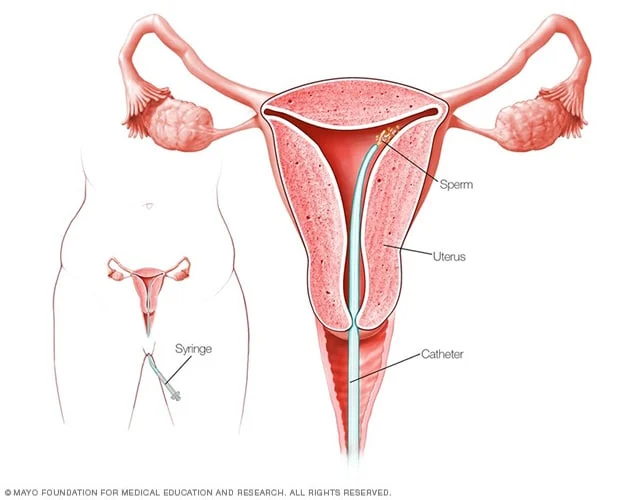
    diagram illustrating intrauterine insemination (IUI) procedure with uterus, sperm, and catheter labeled

    Intrauterine Insemination vs Low-Tech IVF: A Comparison of Success Rates by Age

    Low-Tech IVF, also known as Natural Cycle IVF or Mini IVF, is a simplified version of traditional IVF. It involves stimulating the ovaries to produce one or two high-quality eggs, instead of the usual 10-15 eggs in a conventional IVF cycle. The fertilization and embryo transfer process is the same as traditional IVF.

    Success Rates by Age

    The success rates for Low-Tech IVF are also age-dependent. According to a study published in the European Journal of Obstetrics & Gynecology and Reproductive Biology, the success rates for Low-Tech IVF are as follows:

    – 17% for women under 35
    – 15% for women aged 35-37
    – 12% for women aged 38-39
    – 8% for women aged 40 and above

    These success rates are slightly higher than those of IUI, but it’s important to note that Low-Tech IVF is a more invasive and expensive procedure.

    Which Treatment is Best for You?

    Choosing between IUI and Low-Tech IVF can be challenging, especially when considering the success rates by age. Here are some factors to consider when deciding which treatment may be best for you:

    1. Age: If you are under 35, IUI may be a good option for you as it has higher success rates in this age group. However, if you are over 35 and have been trying to conceive for over a year, Low-Tech IVF may be a better choice.

    2. Cause of Infertility: If you have unexplained infertility or issues with ovulation, IUI may be a suitable option. However, if you have more complex fertility issues such as blocked fallopian tubes or endometriosis, Low-Tech IVF may be more effective.

    3. Cost: IUI is a more cost-effective option compared to Low-Tech IVF. However, if you have been unsuccessful with IUI and decide to pursue Low-Tech IVF, the overall cost may end up being higher in the long run.

    4. Personal Preferences: Some couples may prefer the simplicity and less invasive nature of IUI, while others may prefer the higher success rates of Low-Tech IVF.

    In conclusion, both IUI and Low-Tech IVF are viable options for couples struggling with infertility. The choice between the two should be based on factors such as age, cause of infertility, and personal preferences. It’s important to consult with a fertility specialist to determine which treatment may be best for you.
  • The Impact of Age: Intrauterine Insemination vs Intracervical Insemination

    Blog Post Title: The Impact of Age: Intrauterine Insemination vs Intracervical Insemination

    The journey to starting a family can be filled with excitement and hope, but it can also come with its own set of challenges. For couples struggling to conceive, assisted reproductive technologies such as intrauterine insemination (IUI) and intracervical insemination (ICI) can provide a glimmer of hope. However, as with any medical procedure, age can play a significant role in the success of these treatments. In this blog post, we will explore the impact of age on IUI and ICI, and how it can affect a couple’s chances of conceiving.

    The Basics of IUI and ICI
    First, let’s understand the basics of these two procedures. IUI involves placing washed sperm directly into the uterus, bypassing the cervix and increasing the chances of fertilization. ICI, on the other hand, involves depositing unwashed sperm into the cervix, relying on the sperm to swim up into the uterus and fertilize the egg. Both IUI and ICI are commonly used for couples with fertility issues, and the success rates can vary depending on various factors.

    The Impact of Age on IUI
    Age can have a significant impact on the success of IUI. As women age, the quality and quantity of their eggs decrease, making it more challenging to conceive. According to the American Society for Reproductive Medicine, the success rate of IUI for women under 35 years old is around 10-20%, while it drops to 5-10% for women aged 35-40 and to 2-5% for women over 40. This decline in success rate is due to a decrease in egg quality and an increased risk of chromosomal abnormalities in older women.

    Additionally, age can also affect the quality of the cervical mucus, which plays a crucial role in the success of IUI. As women age, the cervical mucus becomes thicker and more hostile to sperm, making it difficult for them to reach the egg. This can significantly decrease the chances of fertilization, even with the use of IUI.

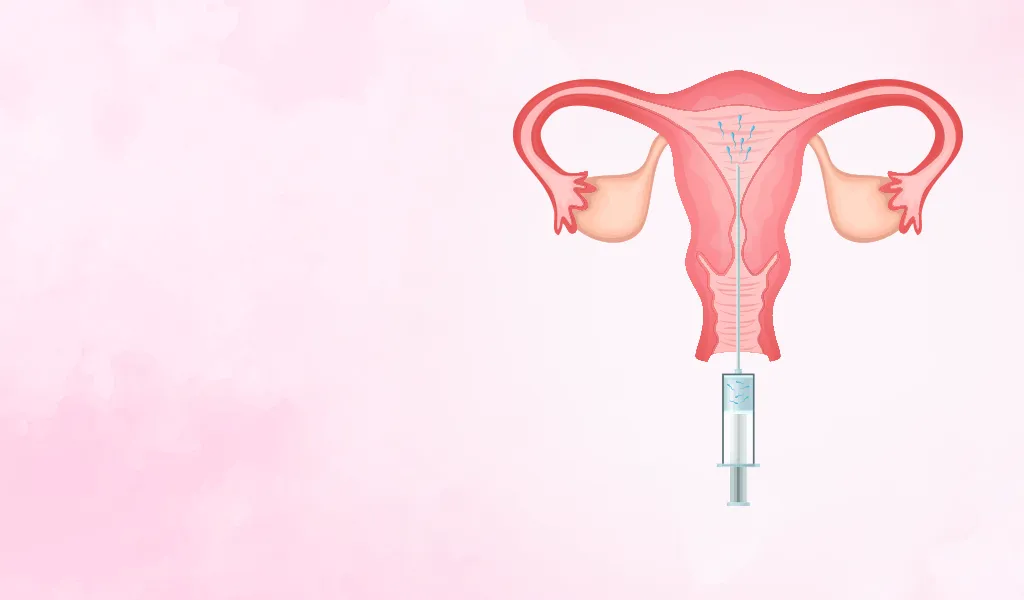
    illustration of a uterus with a syringe, representing intrauterine insemination procedure

    The Impact of Age: Intrauterine Insemination vs Intracervical Insemination

    The Impact of Age on ICI
    Similarly, age can also impact the success of ICI. As women age, the cervical mucus becomes less hospitable to sperm, making it difficult for them to swim up into the uterus. This decrease in cervical mucus quality can reduce the chances of fertilization and decrease the success rates of ICI. Additionally, as men age, their sperm quality and quantity also decrease, making it more challenging to achieve pregnancy through ICI.

    The Role of Ovarian Reserve
    Another crucial factor that can impact the success of both IUI and ICI is a woman’s ovarian reserve. Ovarian reserve refers to the number and quality of eggs that a woman has in her ovaries. As women age, their ovarian reserve decreases, making it more challenging to conceive. This decrease in ovarian reserve can significantly affect the success rates of IUI and ICI, as there are fewer eggs available for fertilization.

    The Role of Male Age
    While female age is often the focus when it comes to fertility, male age can also play a significant role. As men age, their sperm quality and quantity decrease, making it more challenging to achieve pregnancy. Research has shown that men over 40 are more likely to have low sperm count and poor sperm motility, which can significantly impact the success rates of IUI and ICI.

    Other Factors to Consider
    Apart from age, there are other factors that can affect the success rates of IUI and ICI. These include underlying medical conditions, lifestyle factors such as smoking and excessive alcohol consumption, and the use of certain medications. It is essential for couples to consult with a fertility specialist to determine the potential success rates of these procedures based on their specific circumstances.

    Conclusion
    In conclusion, age can have a significant impact on the success of intrauterine insemination and intracervical insemination. As women age, their chances of conceiving through these procedures decrease due to a decline in egg quality and quantity, as well as changes in cervical mucus. Male age can also play a role in the success rates of these procedures. It is crucial for couples to understand the impact of age and other factors on IUI and ICI and consult with a fertility specialist to determine the best course of action for their unique situation.

    In summary, age plays a significant role in the success of intrauterine insemination and intracervical insemination. As women and men age, their reproductive health declines, making it more challenging to conceive through these procedures. Factors such as ovarian reserve, sperm quality, and lifestyle choices can also impact the success rates. It is essential for couples to be aware of these factors and seek guidance from a fertility specialist to determine the best approach for starting a family.

  • Exploring the Success Rates: Intrauterine Insemination vs In Vitro Fertilization

    Summary:

    Infertility is a common issue that many couples face when trying to conceive. Fortunately, there are fertility treatments available such as intrauterine insemination (IUI) and in vitro fertilization (IVF) that can help increase the chances of pregnancy. In this blog post, we will explore and compare the success rates of these two popular fertility treatments.

    Intrauterine Insemination (IUI):

    Intrauterine insemination, also known as artificial insemination, is a relatively simple and less invasive procedure compared to IVF. It involves placing washed and concentrated sperm directly into the woman’s uterus during her ovulation period. This procedure is often recommended for couples with unexplained infertility, mild male factor infertility, or cervical issues.

    The success rates of IUI vary depending on several factors such as the age of the woman, the quality of the sperm, and the cause of infertility. On average, the success rate of IUI is 10-20% per cycle. However, with the use of fertility drugs to stimulate ovulation, the success rate can increase up to 25%.

    In Vitro Fertilization (IVF):

    In vitro fertilization, on the other hand, is a more complex and invasive procedure. It involves removing eggs from the woman’s ovaries and fertilizing them with sperm in a laboratory. The resulting embryos are then transferred back into the woman’s uterus, with the hope of implantation and pregnancy. IVF is often recommended for couples with severe male factor infertility, blocked fallopian tubes, or advanced maternal age.

    The success rates of IVF are generally higher than IUI, with an average success rate of 30-40% per cycle. However, the success rates can vary greatly depending on the woman’s age, the cause of infertility, and the number of embryos transferred. For women under 35, the success rate can be as high as 50%, while for women over 40, the success rate drops to 20%.

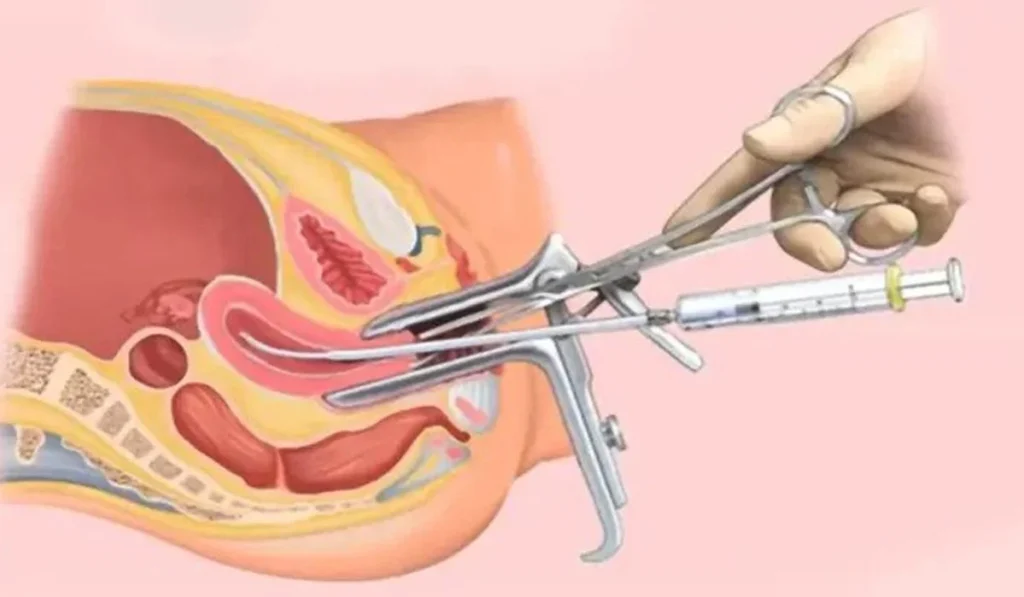
    illustration of an intrauterine insemination procedure with medical instruments and anatomical details

    Exploring the Success Rates: Intrauterine Insemination vs In Vitro Fertilization

    Factors Affecting Success Rates:

    There are several factors that can affect the success rates of both IUI and IVF. These include age, cause of infertility, ovarian reserve, and lifestyle factors such as smoking and weight. Age is a significant factor as fertility declines with age, and the chances of pregnancy decrease after the age of 35. The cause of infertility also plays a role, as certain conditions such as endometriosis or male factor infertility may decrease the chances of success for both IUI and IVF.

    Ovarian reserve, which refers to the quality and quantity of a woman’s eggs, also affects the success rates of both procedures. As women age, their ovarian reserve decreases, making it more challenging to conceive. Lifestyle factors such as smoking and being overweight can also impact the success rates of both IUI and IVF. Quitting smoking and maintaining a healthy weight can improve the chances of success for both procedures.

    Cost and Emotional Impact:

    Aside from success rates, cost and emotional impact are also important factors to consider when comparing IUI and IVF. IUI is generally more affordable than IVF, with an average cost of $500-$1000 per cycle, while IVF can cost anywhere from $12,000 to $15,000 per cycle. However, since IUI has a lower success rate, couples may end up spending more money in the long run if multiple cycles are needed.

    The emotional impact of fertility treatments should also be taken into consideration. Both IUI and IVF can be emotionally taxing for couples, as they go through the ups and downs of the treatment process. However, IVF may have a higher emotional toll due to the more invasive and time-consuming nature of the procedure.

    Conclusion:

    In conclusion, both IUI and IVF are effective fertility treatments that can help couples achieve their dream of having a baby. The success rates of these procedures may vary depending on several factors, and it is essential to consult with a fertility specialist to determine the best treatment option for each individual case. While IVF may have higher success rates, it is also more expensive and emotionally taxing. Ultimately, the decision between IUI and IVF should be based on the couple’s specific needs and circumstances.