Intrauterine Insemination vs Donor Insemination: A Future Outlook
In recent years, there has been a significant increase in the number of couples and individuals seeking assisted reproductive technologies (ART) to start or expand their families. Two of the most commonly used methods of ART are intrauterine insemination (IUI) and donor insemination (DI). While both methods involve placing sperm into the uterus to facilitate fertilization, they differ in terms of the source of the sperm. In IUI, the sperm used is from the woman’s partner, while in DI, the sperm is obtained from a donor.
As we look towards the future, it is important to examine the current landscape of IUI and DI and how these methods may evolve in the coming years. This blog post will explore the similarities and differences between IUI and DI, the current trends in their use, and potential advancements in the field of assisted reproduction.
Similarities and Differences between IUI and DI
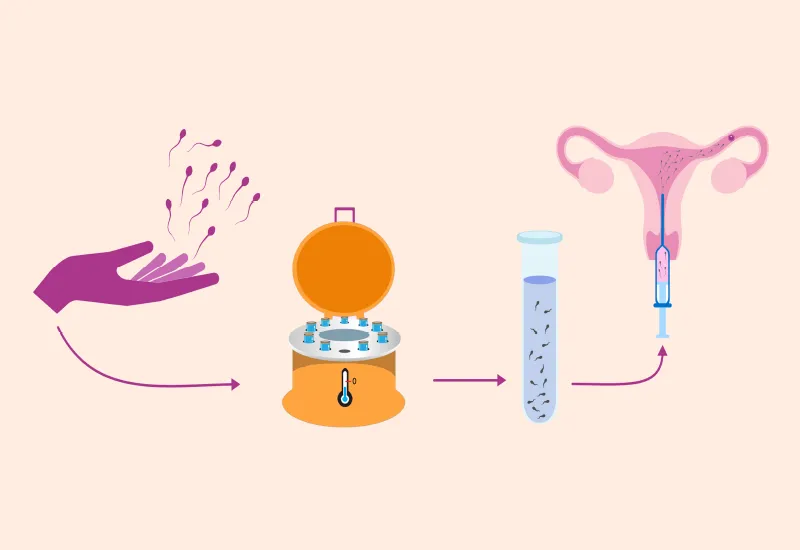
As mentioned earlier, both IUI and DI involve the placement of sperm into the uterus to increase the chances of fertilization. IUI, also known as artificial insemination, is a relatively simple and non-invasive procedure where the sperm is washed and prepared before being placed directly into the uterus via a thin catheter. This method is often used for couples with unexplained infertility, mild male factor infertility, or in conjunction with ovulation induction drugs to increase the chances of conception.
On the other hand, DI involves the use of sperm from a donor, which can be either from a known or anonymous source. This method is commonly used for single women, same-sex couples, or individuals with severe male factor infertility. The sperm can be obtained from a sperm bank or a known donor, and the process is similar to IUI, with the only difference being the source of the sperm.
One of the main differences between IUI and DI is the screening process for the sperm donor. Sperm donors are thoroughly screened for genetic and infectious diseases, as well as physical and psychological traits. This ensures that the sperm used in DI is of high quality and reduces the risk of potential health issues for the offspring.
Current Trends in IUI and DI
Intrauterine Insemination vs Donor Insemination: A Future Outlook
In recent years, there has been a steady increase in the use of ART, including IUI and DI. According to the Centers for Disease Control and Prevention (CDC), in 2018, there were over 260,000 ART cycles performed in the United States, resulting in more than 72,000 live births. While IUI and DI may not be the most common methods of ART, they are still widely used, with IUI accounting for almost 20% of all ART cycles and DI accounting for 8%.
There has also been a shift in the demographics of individuals and couples seeking IUI and DI. In the past, these methods were mainly used by heterosexual couples with fertility issues. However, with the increasing acceptance and availability of ART, more single women and same-sex couples are turning to IUI and DI to start their families.
Future Outlook for IUI and DI
The future of IUI and DI looks promising with advancements in technology and increasing acceptance of ART. One potential development is the use of intrafallopian insemination (IFI) instead of IUI. In IFI, the sperm is placed directly into the fallopian tubes, bypassing the cervix and increasing the chances of fertilization. This method may prove to be more successful than IUI, especially for couples with male factor infertility.
Another potential advancement is the use of frozen sperm instead of fresh sperm. Currently, most IUI and DI procedures use fresh sperm, but frozen sperm has been shown to have similar success rates. The use of frozen sperm would eliminate the need for coordinating the timing of the procedure with the donor’s availability and would also reduce the risk of potential infections from the donor.
As technology continues to advance, we may also see improvements in the screening process for sperm donors. This could include genetic testing for a wider range of diseases and disorders, as well as the use of artificial intelligence to select the most suitable donor based on physical and psychological traits.
Summary
In conclusion, IUI and DI are two commonly used methods of ART that involve placing sperm into the uterus to facilitate fertilization. While they share some similarities, they also have distinct differences, such as the source of the sperm. Currently, there is a growing trend towards the use of ART, and IUI and DI are becoming more accepted and accessible to a wider range of individuals and couples. Looking towards the future, advancements in technology and improvements in the screening process for sperm donors may further enhance the success rates of these methods and provide more options for individuals and couples looking to start a family.