Navigating the Decision with Your Partner: IUI vs DI
Deciding to start a family is a big decision, and for many couples, it may involve exploring options such as intrauterine insemination (IUI) and donor insemination (DI). These two methods can be viable options for couples who are struggling with fertility, but it’s important to navigate this decision together with your partner. In this blog post, we will discuss the differences between IUI and DI and provide tips on how to make this decision as a team.
Understanding IUI and DI
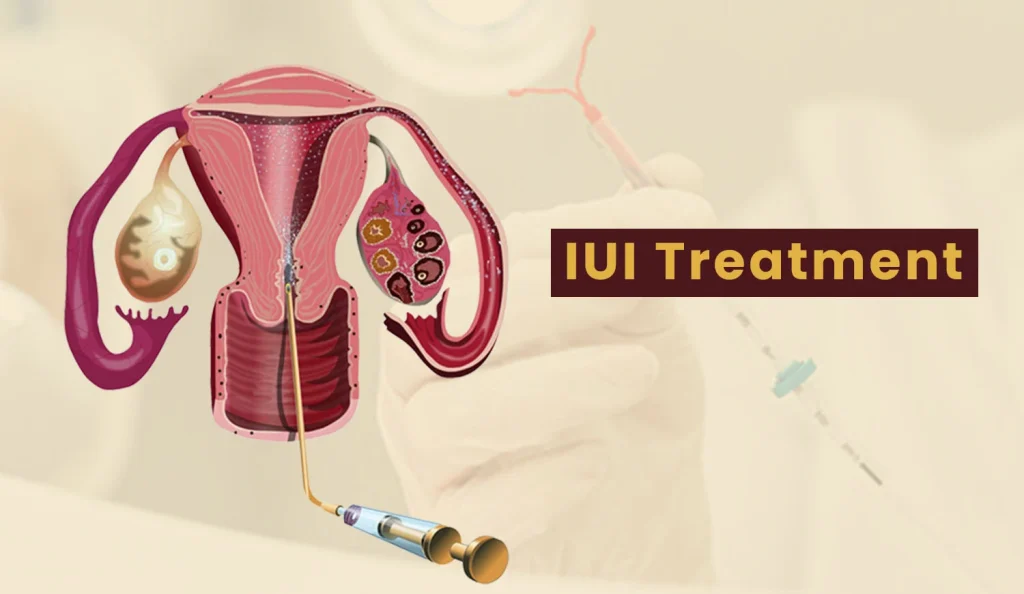
Before diving into the decision-making process, it’s important to have a basic understanding of IUI and DI. IUI involves the insertion of washed and prepared sperm directly into the uterus, bypassing the cervix. This method is often used for couples who have unexplained infertility or for individuals who are single or in a same-sex relationship. On the other hand, DI involves using donated sperm from a known or anonymous donor, which is inserted into the uterus through the same process as IUI.
Factors to Consider
When deciding between IUI and DI, there are several factors to consider. These may include:
1. Fertility issues: It’s important to understand the underlying fertility issues that you and your partner are facing. IUI may be more suitable for couples with ovulation problems or mild male factor infertility, while DI may be a better option for couples with severe male factor infertility or genetic conditions.
2. Emotional and psychological readiness: Starting a family is an emotional journey, and it’s important to make sure that both partners are ready for the process. Discussing your feelings and concerns with your partner can help you both understand each other’s perspectives and make an informed decision.
Navigating the Decision with Your Partner: IUI vs DI
3. Cost and success rates: IUI and DI can be expensive processes, and it’s important to consider the financial aspect. In general, DI may be more expensive than IUI, as it involves purchasing donor sperm. Additionally, the success rates of IUI and DI may vary, depending on individual factors such as age and fertility issues.
4. Involvement of a third party: DI involves using donated sperm, which means that there will be a third party involved in the process. This can have an emotional impact on both partners, and it’s important to discuss and come to a mutual understanding about this aspect.
Tips for Making the Decision Together
When making the decision between IUI and DI, it’s essential to involve your partner and make the decision together as a team. Here are some tips to help you navigate this decision with your partner:
1. Communicate openly: The key to making any decision as a team is open and honest communication. Make sure to discuss your feelings, concerns, and expectations with your partner. This will help both of you understand each other’s perspectives and come to a mutual decision.
2. Seek professional advice: Consulting with a fertility specialist can provide valuable information and guidance. They can help you understand the potential success rates, costs, and any potential risks associated with each method, which can help you make an informed decision as a couple.
3. Consider the long-term implications: It’s important to consider the long-term implications of both IUI and DI. For instance, if you choose DI, you may have to disclose this information to your child in the future. Discussing these potential scenarios with your partner can help you both come to a decision that feels right for your family.
4. Respect each other’s opinions: Remember that this is a decision that will impact both of you, so it’s essential to respect each other’s opinions and feelings. Even if you have different perspectives, listening to each other and finding a middle ground can help you make a decision that feels like a joint effort.
In summary, deciding between IUI and DI can be an overwhelming process, but it’s important to navigate this decision together with your partner. Consider the factors mentioned above and communicate openly with each other to make an informed decision that feels right for both of you. Seeking professional advice and respecting each other’s opinions can also help you make this decision as a team.