Breaking the Stigma: Male Factor Infertility and the Importance of Treatment
Male infertility is a topic that is rarely discussed, yet it affects millions of couples around the world. It is estimated that male factor infertility is the sole cause or a contributing factor in up to 50% of all infertility cases. Despite its prevalence, there is a significant stigma surrounding male infertility, leading many men to suffer in silence and avoid seeking treatment. In this blog post, we will break down the stigma surrounding male factor infertility, discuss the potential causes of male infertility, and highlight the importance of seeking treatment for this condition.
The Stigma Surrounding Male Infertility
When it comes to infertility, the focus is often on female fertility and the pressure on women to conceive. This can lead to a lack of understanding and support for men who are struggling with infertility. Men may feel ashamed, embarrassed, or emasculated by their infertility, leading them to keep it a secret and avoid seeking help. This stigma also extends to society’s views on masculinity and fertility, with the belief that men are supposed to be strong and virile, and any issues with fertility are seen as a weakness.
This stigma can have a significant impact on men’s mental health. Infertility is already a stressful and emotionally taxing experience, and the added pressure of societal expectations can lead to feelings of isolation, anxiety, and depression. It can also strain relationships, as men may feel guilty for their infertility and struggle to open up to their partners about their feelings.
Breaking Down the Stigma
The first step in breaking the stigma surrounding male infertility is to start talking about it. By openly discussing male infertility, we can create a more supportive and understanding environment for men who are struggling with this condition. This can also help to educate others about the prevalence of male infertility and its impact on couples trying to conceive.
Men should also be encouraged to seek support and treatment for their infertility. Just as women should not be ashamed to seek help for their fertility issues, men should not feel any less masculine for doing the same. Seeking medical assistance for male infertility is not a sign of weakness, but rather a proactive step towards starting a family.
Understanding Male Infertility
Breaking the Stigma: Male Factor Infertility and the Importance of Treatment
There are various potential causes of male infertility, ranging from hormonal imbalances to physical factors. Some common causes include low sperm count, poor sperm quality, and erectile dysfunction. Lifestyle factors such as smoking, excessive alcohol consumption, and drug use can also contribute to male infertility. In some cases, there may be underlying medical conditions such as testicular cancer or genetic disorders that affect fertility.
It is essential for men to understand that infertility is not their fault. Just as women can experience fertility issues, men can also have challenges with their reproductive health. Seeking medical advice and testing can help to identify the root cause of male infertility and determine the best course of treatment.
The Importance of Treatment
Seeking treatment for male factor infertility is crucial for both the physical and mental well-being of men and their partners. Not only can treatment potentially lead to successful conception, but it can also alleviate the stress and emotional burden of infertility. It can also improve the chances of natural conception and reduce the need for more invasive and costly fertility treatments.
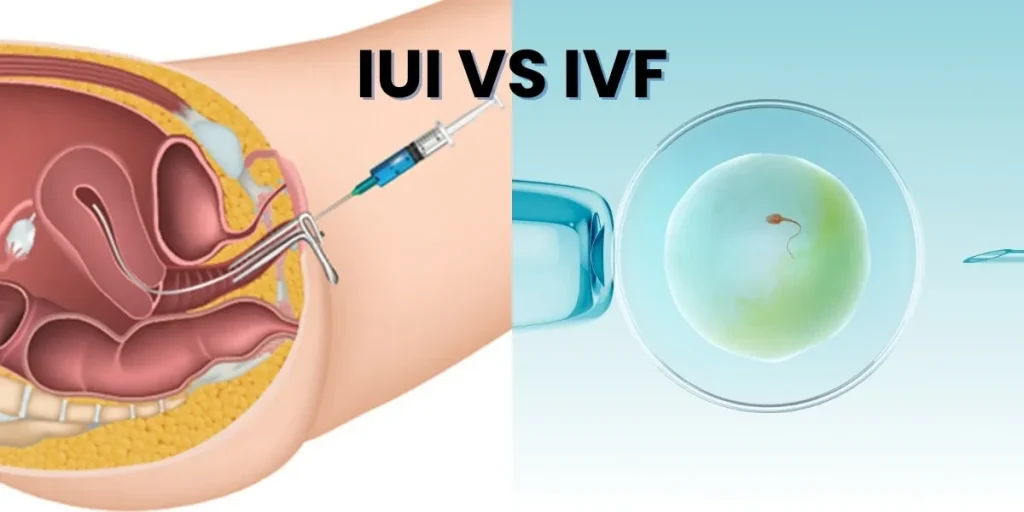
There are various treatment options available for male infertility, depending on the underlying cause. These may include lifestyle changes, medication, surgery, or assisted reproductive techniques such as intrauterine insemination (IUI) or in vitro fertilization (IVF). It is essential for couples to work closely with a fertility specialist to determine the best course of treatment for their specific situation.
In addition to medical treatment, men can also benefit from counseling or support groups to address the emotional impact of infertility. Talking to others who are going through a similar experience can provide a sense of community and understanding, helping to break the sense of isolation that often accompanies male infertility.
In conclusion, male factor infertility is a common but often overlooked issue that affects many couples. The stigma surrounding male infertility can have a detrimental impact on men’s mental health and their relationships. It is essential to break down this stigma and encourage men to seek treatment for their infertility. With proper support and medical assistance, men can overcome their infertility and fulfill their dreams of starting a family.
Summary:
Male factor infertility is a widespread issue that affects up to 50% of all infertility cases, yet it is often stigmatized and not openly discussed. This stigma can have a significant impact on men’s mental health and their relationships. It is crucial to break down this stigma and encourage men to seek treatment for their infertility. Understanding the potential causes of male infertility and the various treatment options available can help men take proactive steps towards starting a family. Seeking treatment for male infertility is not a sign of weakness but rather a necessary step towards addressing this condition and improving the chances of successful conception.
Leave a Reply