Tag: Treatment

  • The Role of Technology: How Male and Female Fertility Tests Have Evolved

    The Role of Technology: How Male and Female Fertility Tests Have Evolved

    In today’s world, technology plays a crucial role in almost every aspect of our lives. From communication to healthcare, it has revolutionized the way we live. One area where technology has made significant advancements is in the field of fertility testing. With the increasing prevalence of infertility, the need for accurate and accessible fertility tests has become more important than ever. In this blog post, we will explore the evolution of male and female fertility tests and how technology has played a vital role in their development.

    Male Fertility Tests

    Traditionally, when a couple faced difficulties in conceiving, the burden of testing and treatment fell on the woman. However, with advancements in technology, it has become easier to diagnose male factors that contribute to infertility. Male fertility tests have evolved from simple semen analysis to more advanced methods that provide a comprehensive evaluation of sperm quality and quantity.

    One of the most significant advancements in male fertility testing is the introduction of computer-assisted semen analysis (CASA). This technology uses computer algorithms to analyze sperm movement, count, and shape, providing a more accurate and objective assessment than manual methods. CASA has significantly improved the diagnosis and treatment of male infertility, allowing doctors to identify specific issues and provide targeted treatment.

    Another innovative technology in male fertility testing is the sperm DNA fragmentation test. This test evaluates the quality of sperm DNA and its potential to fertilize an egg. High levels of sperm DNA fragmentation have been linked to recurrent miscarriages and failed IVF cycles. By identifying this issue, doctors can recommend treatments such as antioxidant therapy to improve the chances of a successful pregnancy.

    Apart from these advanced tests, technology has also made it possible to perform fertility tests at home. At-home male fertility tests, such as SpermCheck, use a semen sample to detect the presence of sperm and provide an accurate result within minutes. These tests not only save time and money but also provide privacy and convenience for men who may feel uncomfortable with traditional testing methods.

    Female Fertility Tests
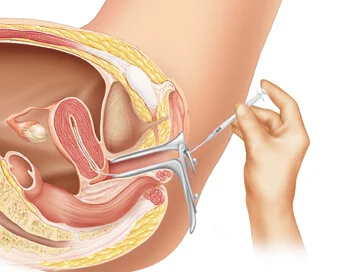
    illustration of intrauterine insemination procedure with a hand holding a speculum and syringe near the uterus

    The Role of Technology: How Male and Female Fertility Tests Have Evolved

    Female fertility tests have also seen significant advancements with the help of technology. One of the most common tests used to evaluate female fertility is the ovarian reserve test. This test measures the quantity and quality of a woman’s eggs, providing an estimate of her reproductive potential. Traditional ovarian reserve tests, such as the follicle-stimulating hormone (FSH) and anti-mullerian hormone (AMH) tests, have been around for decades. However, technology has improved these tests by making them more accurate and accessible.

    The FSH and AMH tests have evolved from traditional blood tests to more advanced methods, such as the Antral Follicle Count (AFC) and the Inhibin B test. AFC uses ultrasound technology to count the number of small follicles in the ovaries, providing a more accurate assessment of ovarian reserve. The Inhibin B test measures the levels of a hormone produced by the ovaries, which can indicate the number of eggs remaining in a woman’s ovaries.

    Apart from these tests, technology has also improved the process of tracking ovulation, which is crucial for couples trying to conceive. Ovulation predictor kits (OPKs) use urine samples to detect the surge in luteinizing hormone (LH), which occurs right before ovulation. These kits have become more accurate and user-friendly with the introduction of digital OPKs, which provide a clear “positive” or “negative” result, eliminating the need for interpretation.

    The Role of Technology in Fertility Treatment

    With the advancements in fertility testing technology, the treatment of infertility has also seen significant progress. For men, accurate diagnosis through advanced tests has allowed for targeted and effective treatments. Intrauterine insemination (IUI) and in-vitro fertilization (IVF) are two common treatments for male factor infertility that have been greatly improved by technology.

    For women, tracking ovulation accurately has helped in timing intercourse and increasing the chances of conception. In addition, the development of assisted reproductive technologies (ART), such as IVF and intracytoplasmic sperm injection (ICSI), have revolutionized the treatment of female infertility. These procedures use advanced laboratory techniques to fertilize eggs with sperm outside of the body, providing hope for couples struggling to conceive.

    In conclusion, technology has played a crucial role in the evolution of male and female fertility tests. From traditional methods to more advanced technologies, we have come a long way in accurately diagnosing fertility issues and providing effective treatments. With the continuous development of technology, we can expect even more advancements in the field of fertility testing, giving hope to couples who dream of starting a family.

    Summary:

    Technology has revolutionized the field of fertility testing, making it easier and more accurate to diagnose fertility issues in both men and women. Male fertility tests have evolved from simple semen analysis to advanced techniques like CASA and sperm DNA fragmentation tests. Female fertility tests, such as ovarian reserve tests and ovulation tracking, have also seen significant advancements with the help of technology. These improved tests have also led to more effective fertility treatments like IUI and IVF, providing hope for couples struggling with infertility. With continuous advancements, technology will continue to play a crucial role in the field of fertility testing and treatment.

  • Traditional Fertility Treatments: What to Expect and How to Cope

    Traditional Fertility Treatments: What to Expect and How to Cope

    Trying to conceive a child can be a rollercoaster of emotions. For some, it may happen quickly and easily, but for others, it can be a long and challenging journey. When natural conception is not possible, many couples turn to fertility treatments to help them achieve their dream of becoming parents. However, the idea of undergoing fertility treatments can be daunting, and it’s natural to have concerns and questions. In this blog post, we will discuss traditional fertility treatments, what to expect, and how to cope with the process.

    Understanding Fertility Treatments
    Fertility treatments are medical procedures that aim to improve a couple’s chances of conceiving a child. These treatments are usually recommended when a couple has been trying to conceive for one year without success. However, if the woman is over 35, the time frame may be shortened to six months, as fertility declines with age.

    There are various fertility treatments available, and the type recommended will depend on the underlying cause of infertility. Some of the most common traditional fertility treatments include:

    1. Ovulation Induction – This treatment involves taking medication to stimulate the ovaries to produce more eggs.

    2. Intrauterine Insemination (IUI) – During this procedure, washed and prepared sperm is inserted directly into the uterus during the woman’s ovulation period.

    3. In Vitro Fertilization (IVF) – This is a more complex procedure that involves retrieving eggs from the woman’s ovaries and fertilizing them with sperm in a laboratory. The resulting embryo is then transferred into the woman’s uterus.

    4. Intracytoplasmic Sperm Injection (ICSI) – This is similar to IVF, but instead of fertilizing the eggs naturally, a single sperm is injected into the egg to achieve fertilization.

    5. Surrogacy – In this option, a woman carries a child for another couple or individual.

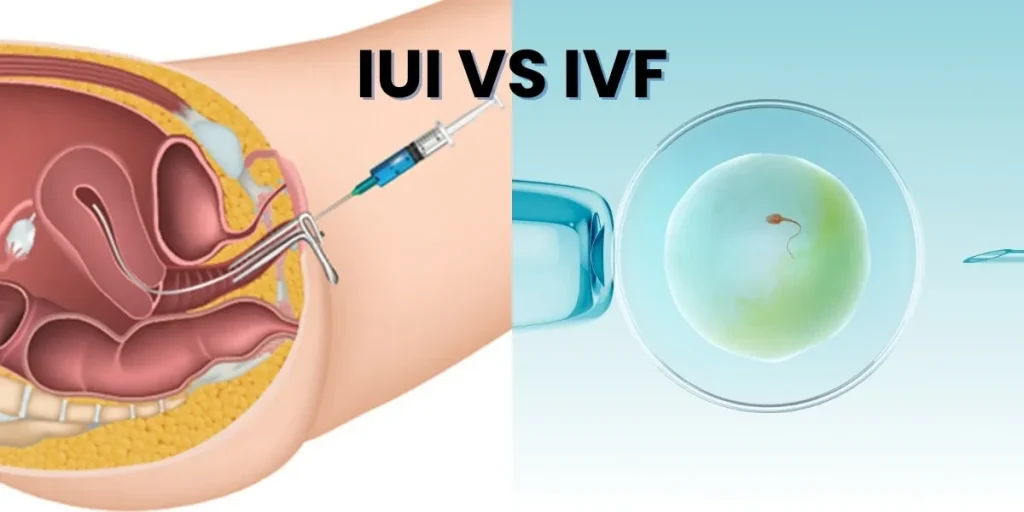
    Comparison of IUI and IVF treatments with diagrams of reproductive anatomy.

    Traditional Fertility Treatments: What to Expect and How to Cope

    The fertility specialist will assess the couple’s medical history and conduct various tests to determine the most suitable treatment for them.

    The Emotional Impact of Fertility Treatments
    The journey of undergoing fertility treatments can be physically, emotionally, and financially draining. It’s a time filled with hope, anxiety, and uncertainty. Many couples may experience feelings of disappointment, frustration, and even grief when treatments fail. It’s essential to acknowledge and address these emotions, as they can affect the couple’s mental well-being and their relationship.

    Tips for Coping with Fertility Treatments
    1. Educate Yourself – Understanding the fertility treatment process can help alleviate some of the fears and uncertainties. Ask your fertility specialist questions and do your own research to gain a better understanding of the procedures.

    2. Lean on Support – Going through fertility treatments can be isolating, but it’s crucial to have a support system. Lean on your partner, family, and friends for emotional support. You can also join support groups or seek therapy to help you cope with the emotional rollercoaster.

    3. Practice Self-Care – Taking care of yourself during this time is essential. Eat healthily, get enough rest, and engage in activities that bring you joy and relaxation.

    4. Communicate with Your Partner – Going through fertility treatments can put a strain on a relationship. It’s crucial to communicate openly and honestly with your partner and support each other through the process.

    5. Seek Professional Help – Don’t be afraid to seek professional help if you’re struggling to cope with the emotional impact of fertility treatments. A therapist or counselor can provide you with tools and techniques to manage your emotions and support you through this journey.

    What to Expect During Fertility Treatments
    The process of undergoing fertility treatments can be overwhelming, but knowing what to expect can help ease some of the stress. The first step will be consulting with a fertility specialist who will assess your medical history and conduct various tests. Once a treatment plan is agreed upon, you will undergo the necessary procedures, which may include medication, blood tests, ultrasounds, and the actual fertility treatment.

    The success rate of fertility treatments varies depending on several factors, such as age, underlying health conditions, and the type of treatment. It’s essential to have realistic expectations and be prepared for multiple attempts before achieving success.

    In conclusion, traditional fertility treatments can be a challenging and emotional journey for couples struggling to conceive. It’s crucial to have a support system, communicate openly with your partner, and take care of yourself during this time. With the right mindset and support, you can navigate through the ups and downs of fertility treatments and hopefully achieve your dream of becoming parents.

  • Breaking the Stigma: Male Factor Infertility and the Importance of Treatment

    Breaking the Stigma: Male Factor Infertility and the Importance of Treatment

    Male infertility is a topic that is rarely discussed, yet it affects millions of couples around the world. It is estimated that male factor infertility is the sole cause or a contributing factor in up to 50% of all infertility cases. Despite its prevalence, there is a significant stigma surrounding male infertility, leading many men to suffer in silence and avoid seeking treatment. In this blog post, we will break down the stigma surrounding male factor infertility, discuss the potential causes of male infertility, and highlight the importance of seeking treatment for this condition.

    The Stigma Surrounding Male Infertility

    When it comes to infertility, the focus is often on female fertility and the pressure on women to conceive. This can lead to a lack of understanding and support for men who are struggling with infertility. Men may feel ashamed, embarrassed, or emasculated by their infertility, leading them to keep it a secret and avoid seeking help. This stigma also extends to society’s views on masculinity and fertility, with the belief that men are supposed to be strong and virile, and any issues with fertility are seen as a weakness.

    This stigma can have a significant impact on men’s mental health. Infertility is already a stressful and emotionally taxing experience, and the added pressure of societal expectations can lead to feelings of isolation, anxiety, and depression. It can also strain relationships, as men may feel guilty for their infertility and struggle to open up to their partners about their feelings.

    Breaking Down the Stigma

    The first step in breaking the stigma surrounding male infertility is to start talking about it. By openly discussing male infertility, we can create a more supportive and understanding environment for men who are struggling with this condition. This can also help to educate others about the prevalence of male infertility and its impact on couples trying to conceive.

    Men should also be encouraged to seek support and treatment for their infertility. Just as women should not be ashamed to seek help for their fertility issues, men should not feel any less masculine for doing the same. Seeking medical assistance for male infertility is not a sign of weakness, but rather a proactive step towards starting a family.

    Understanding Male Infertility

    comparison of IUI and IVF fertility treatments with illustrations of procedures and a petri dish with an egg and sperm

    Breaking the Stigma: Male Factor Infertility and the Importance of Treatment

    There are various potential causes of male infertility, ranging from hormonal imbalances to physical factors. Some common causes include low sperm count, poor sperm quality, and erectile dysfunction. Lifestyle factors such as smoking, excessive alcohol consumption, and drug use can also contribute to male infertility. In some cases, there may be underlying medical conditions such as testicular cancer or genetic disorders that affect fertility.

    It is essential for men to understand that infertility is not their fault. Just as women can experience fertility issues, men can also have challenges with their reproductive health. Seeking medical advice and testing can help to identify the root cause of male infertility and determine the best course of treatment.

    The Importance of Treatment

    Seeking treatment for male factor infertility is crucial for both the physical and mental well-being of men and their partners. Not only can treatment potentially lead to successful conception, but it can also alleviate the stress and emotional burden of infertility. It can also improve the chances of natural conception and reduce the need for more invasive and costly fertility treatments.

    There are various treatment options available for male infertility, depending on the underlying cause. These may include lifestyle changes, medication, surgery, or assisted reproductive techniques such as intrauterine insemination (IUI) or in vitro fertilization (IVF). It is essential for couples to work closely with a fertility specialist to determine the best course of treatment for their specific situation.

    In addition to medical treatment, men can also benefit from counseling or support groups to address the emotional impact of infertility. Talking to others who are going through a similar experience can provide a sense of community and understanding, helping to break the sense of isolation that often accompanies male infertility.

    In conclusion, male factor infertility is a common but often overlooked issue that affects many couples. The stigma surrounding male infertility can have a detrimental impact on men’s mental health and their relationships. It is essential to break down this stigma and encourage men to seek treatment for their infertility. With proper support and medical assistance, men can overcome their infertility and fulfill their dreams of starting a family.

    Summary:

    Male factor infertility is a widespread issue that affects up to 50% of all infertility cases, yet it is often stigmatized and not openly discussed. This stigma can have a significant impact on men’s mental health and their relationships. It is crucial to break down this stigma and encourage men to seek treatment for their infertility. Understanding the potential causes of male infertility and the various treatment options available can help men take proactive steps towards starting a family. Seeking treatment for male infertility is not a sign of weakness but rather a necessary step towards addressing this condition and improving the chances of successful conception.

  • A Holistic Guide to Overcoming Secondary Infertility

    Secondary infertility is a common but often overlooked issue that affects many couples who are trying to conceive. Unlike primary infertility, which is the inability to conceive a first child, secondary infertility refers to the difficulty in conceiving after a previous successful pregnancy. This can be a frustrating and emotional experience for those experiencing it, as they may have assumed that they would have no difficulty getting pregnant again. In this blog post, we will discuss a holistic guide to overcoming secondary infertility, including possible causes, traditional and alternative treatments, and tips for supporting mental health during this journey.

    Possible Causes of Secondary Infertility

    There are several potential causes of secondary infertility, including age, hormonal imbalances, and underlying health conditions. As women age, their fertility naturally decreases, making it more difficult to conceive. Hormonal imbalances, such as irregular ovulation or low progesterone levels, can also affect a woman’s ability to get pregnant. Additionally, underlying health conditions such as endometriosis, polycystic ovary syndrome (PCOS), or uterine fibroids can also contribute to secondary infertility.

    Traditional Treatments for Secondary Infertility

    The most common traditional treatment for secondary infertility is fertility medication, such as Clomid or Letrozole, which can help stimulate ovulation. In some cases, intrauterine insemination (IUI) or in vitro fertilization (IVF) may also be recommended. These treatments can be effective, but they can also be expensive and come with potential side effects. It’s essential to discuss all options with a fertility specialist and understand the potential risks and benefits before moving forward with any treatment.

    Alternative Treatments for Secondary Infertility

    In addition to traditional treatments, there are also alternative approaches that can be used to help overcome secondary infertility. These include acupuncture, herbal remedies, and dietary changes. Acupuncture has been shown to improve fertility by promoting blood flow to the pelvic area and reducing stress levels. Herbal remedies, such as maca root or chasteberry, can help regulate hormones and improve fertility. Dietary changes, such as increasing intake of whole foods and reducing processed foods, can also have a positive impact on fertility.

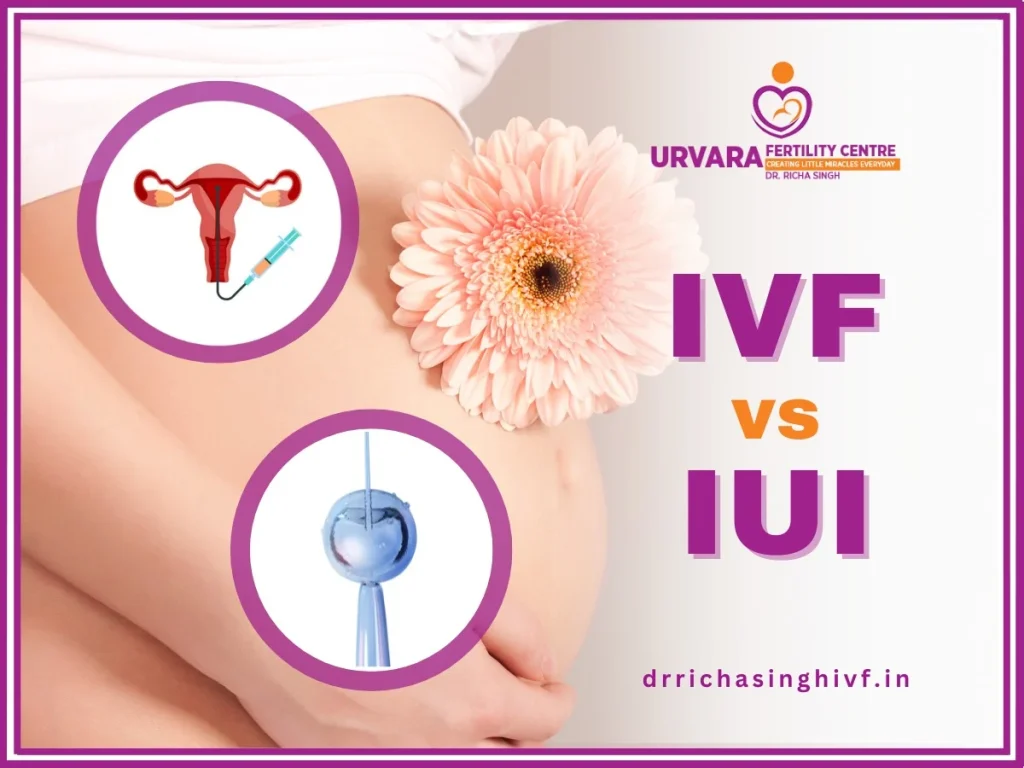
    IVF vs IUI comparison with illustrations of reproductive processes and a flower on a pregnant belly.

    A Holistic Guide to Overcoming Secondary Infertility

    Holistic Approaches to Overcoming Secondary Infertility

    Taking a holistic approach to overcoming secondary infertility means addressing not just the physical aspects but also the mental and emotional aspects of fertility. This includes reducing stress levels, improving overall health and well-being, and creating a supportive environment. Some holistic practices that can be beneficial for those struggling with secondary infertility include yoga, meditation, and journaling. These activities can help reduce stress and promote relaxation, which can have a positive impact on fertility.

    Supporting Mental Health During the Journey

    The journey of overcoming secondary infertility can be emotionally and mentally taxing. It’s crucial for those experiencing it to take care of their mental health and seek support when needed. This can include therapy, support groups, or talking to friends and family. It’s also essential to practice self-care and find healthy ways to cope with the emotions that come with this experience. This can include exercise, spending time in nature, or engaging in hobbies and activities that bring joy.

    In Conclusion

    Overcoming secondary infertility is a challenging and complex journey, but it’s important to remember that there is hope. By understanding the possible causes, exploring traditional and alternative treatments, and taking a holistic approach to fertility, it is possible to overcome secondary infertility and achieve a successful pregnancy. It’s also crucial to prioritize mental health and seek support during this time. By taking care of both physical and emotional well-being, individuals and couples can navigate this journey and come out stronger in the end.

    SEO metadata:

  • Empowering Women and Men: Taking Control of Infertility Through Treatment

    Empowering Women and Men: Taking Control of Infertility Through Treatment

    Infertility affects millions of couples around the world, causing emotional distress, strain on relationships, and feelings of inadequacy and failure. For years, infertility was seen as a woman’s problem, and the responsibility for seeking treatment and finding a solution often fell solely on her. However, with advancements in medical technology and research, it is now known that infertility can affect both men and women equally. This has led to a shift in the way infertility is viewed and treated, with more focus on empowering both men and women to take control of their fertility journey through treatment options.

    The first step towards empowering couples struggling with infertility is to break the stigma and silence surrounding the issue. Many people feel ashamed and embarrassed to talk about their fertility struggles, which can lead to isolation and a lack of support. By opening up and sharing their experiences, men and women can find a sense of community and understanding, which can be crucial in navigating through the ups and downs of infertility treatment.

    Another important aspect of empowering couples is to educate them about the various causes of infertility and the available treatment options. Infertility can be caused by a variety of factors, such as hormonal imbalances, structural issues, and genetic abnormalities. By understanding the root cause of their infertility, couples can make informed decisions about which treatment options are best suited for their specific situation. This also helps to dispel the myth that infertility is solely a woman’s problem and encourages men to take an active role in seeking treatment and finding solutions.

    One of the most common and effective treatment options for infertility is in vitro fertilization (IVF). This involves retrieving eggs from a woman’s ovaries and fertilizing them with sperm in a laboratory. The resulting embryos are then transferred back into the woman’s uterus, where they have the potential to implant and develop into a pregnancy. IVF has helped countless couples achieve their dream of starting a family, and its success rates continue to improve with advancements in technology and techniques. By understanding the process and success rates of IVF, couples can feel more in control of their fertility journey and have realistic expectations for the outcome.

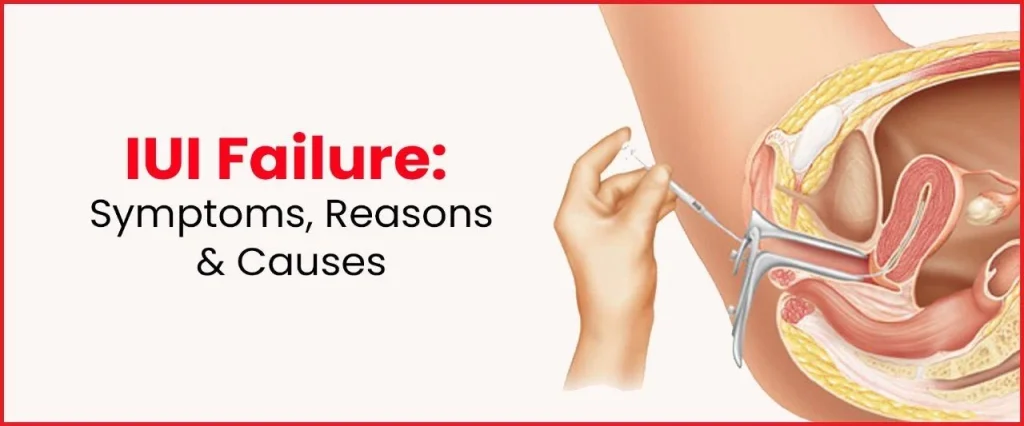
    illustration of IUI procedure with text on symptoms, reasons, and causes of IUI failure

    Empowering Women and Men: Taking Control of Infertility Through Treatment

    Another empowering aspect of infertility treatment is the option of using a third-party donor. This can include using donor eggs, sperm, or embryos, and it allows couples to still have a biological connection to their child while overcoming their own fertility challenges. This option also opens up the possibility for same-sex couples and single individuals to start a family. By embracing the use of third-party donors, couples can break free from the limitations of their own bodies and expand their family in a way that feels right for them.

    Along with medical treatments, there are also lifestyle changes that can improve fertility and increase the chances of success with infertility treatment. This includes maintaining a healthy diet, exercising regularly, and reducing stress levels. These changes not only have a positive impact on fertility but also promote overall health and well-being. By taking control of their lifestyle habits, men and women can feel empowered to actively participate in their fertility journey and increase their chances of success.

    In addition to medical and lifestyle interventions, there are also psychological and emotional aspects to consider when dealing with infertility. The stress and anxiety that come with fertility struggles can take a toll on a couple’s mental health and relationship. It is important for couples to seek support from a therapist or support group to navigate through these challenges and maintain a strong and healthy relationship. By addressing the emotional impact of infertility, couples can feel more empowered to face their fertility journey together and come out stronger on the other side.

    It is also crucial to note that infertility treatment can be a financially and physically demanding process. Many couples face financial burdens and physical discomfort from the procedures, which can add to the stress and strain of the fertility journey. It is important for couples to have open and honest discussions about their financial and physical limitations and to seek support and resources when needed. By acknowledging these challenges and finding ways to overcome them, couples can feel more empowered and in control of their fertility journey.

    In conclusion, infertility can be a challenging and emotional journey, but it doesn’t have to be a journey that is taken alone. By breaking the silence, educating oneself, and seeking support and resources, couples can feel empowered to take control of their fertility journey through treatment options. Whether it be through medical interventions, lifestyle changes, or emotional support, both men and women can play an active role in overcoming their infertility and achieving their dream of starting a family.