Surgical Fertility Treatments: A Last Resort or First Option?
Fertility is a topic that affects millions of people around the world. For some, conceiving a child may come easily, but for others, it can be a challenging and emotional journey. When natural conception is not possible or has not been successful, many couples turn to fertility treatments to help them achieve their dream of having a child. In recent years, there has been a rise in the use of surgical fertility treatments, leading to the question: are these treatments a last resort or a first option for couples struggling with infertility?
In this blog post, we will explore the different types of surgical fertility treatments, their success rates, and the factors that may influence a couple’s decision to choose them as a last resort or a first option.
Types of Surgical Fertility Treatments
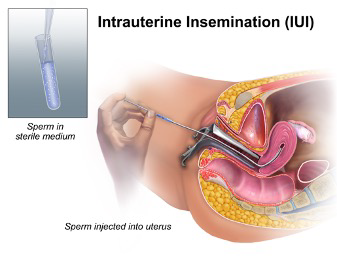
Surgical fertility treatments, also known as Assisted Reproductive Technologies (ART), involve medical procedures that aim to assist couples in achieving pregnancy. These treatments are typically recommended when other fertility treatments, such as medications and intrauterine insemination, have not been successful.
The most common types of surgical fertility treatments include in vitro fertilization (IVF), intracytoplasmic sperm injection (ICSI), and gamete intrafallopian transfer (GIFT). These procedures involve retrieving eggs from the woman’s ovaries, fertilizing them with sperm in a laboratory, and then transferring the resulting embryo(s) into the woman’s uterus.
Success Rates of Surgical Fertility Treatments
The success rates of surgical fertility treatments vary depending on various factors such as the age of the woman, the underlying cause of infertility, and the type of procedure used. According to the Centers for Disease Control and Prevention (CDC), the success rate for IVF in women under the age of 35 is approximately 40%, while the success rate for women over the age of 40 is only 11%.
Similarly, the success rates for ICSI and GIFT also decrease with age. However, these procedures may be more successful for couples dealing with male factor infertility, as they involve the direct injection of sperm into the egg.
Factors Influencing the Decision to Choose Surgical Fertility Treatments
Surgical Fertility Treatments: A Last Resort or First Option?
When faced with the decision of whether to pursue surgical fertility treatments, couples must consider various factors that may influence their choice. These factors include emotional and financial considerations, as well as the risks and potential side effects associated with these treatments.
Emotional Considerations
Infertility can take a toll on a couple’s emotional well-being. It can lead to feelings of frustration, guilt, and even depression. As a result, couples may feel pressured to try any and all available treatments to achieve pregnancy. This may lead them to choose surgical fertility treatments as a first option, without fully considering the potential emotional and physical toll it may take on them.
Financial Considerations
Surgical fertility treatments can be expensive, with the average cost of one IVF cycle ranging from $12,000 to $15,000. This cost may increase if additional procedures, such as ICSI, are needed. For many couples, this may be a significant financial burden, and they may need to weigh the costs against their desire to have a child.
Risks and Potential Side Effects
As with any medical procedure, there are risks and potential side effects associated with surgical fertility treatments. These may include multiple pregnancies, ovarian hyperstimulation syndrome, and ectopic pregnancies. Additionally, the use of fertility medications can also lead to side effects such as mood swings, hot flashes, and abdominal discomfort.
Summary
Surgical fertility treatments are an option for couples struggling with infertility, but they should not be seen as a first option. These treatments can be expensive, emotionally and physically taxing, and may not be successful for everyone. It is crucial for couples to carefully consider their options and consult with their healthcare provider before making a decision.
In summary, surgical fertility treatments are a valuable option for couples dealing with infertility. However, they should not be considered a first option, as they come with emotional, financial, and physical considerations. It is essential to have open and honest discussions with healthcare providers and loved ones to make an informed decision about the best course of action for each individual couple.