Tag: emotional considerations

  • Intrauterine Insemination vs Donor Insemination: A Comparative Analysis

    Blog Post Title: Intrauterine Insemination vs Donor Insemination: A Comparative Analysis

    In the world of assisted reproductive technology, there are various methods available for couples and individuals who are struggling with fertility issues. Two common methods are intrauterine insemination (IUI) and donor insemination (DI). Both of these techniques involve the introduction of sperm into the female reproductive tract, but they have significant differences in procedure and outcomes. In this blog post, we will delve deeper into the world of IUI and DI, providing a comparative analysis to help individuals make informed decisions about which method is best for them.

    What is Intrauterine Insemination (IUI)?

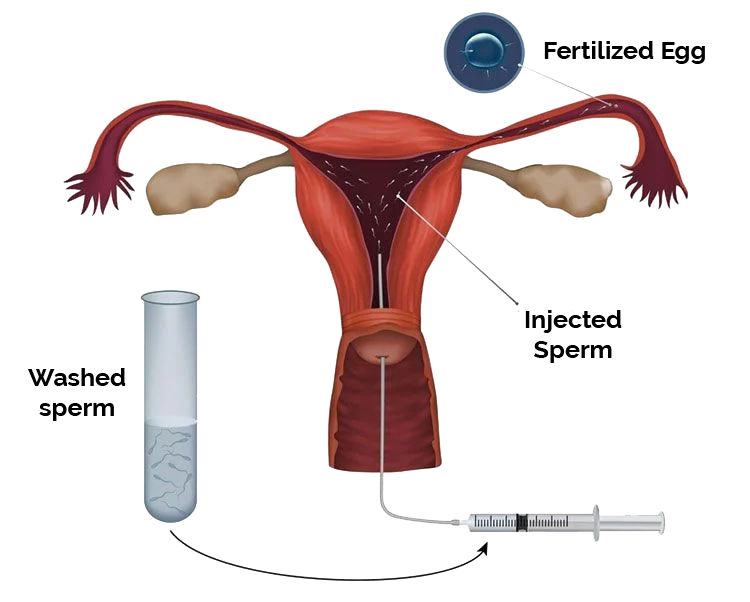
    Intrauterine insemination, also known as artificial insemination, is a fertility treatment that involves the placement of washed and concentrated sperm directly into the woman’s uterus during ovulation. This procedure is usually recommended for couples who have been trying to conceive for at least a year with no success, or for individuals with fertility issues such as low sperm count, endometriosis, or unexplained infertility.

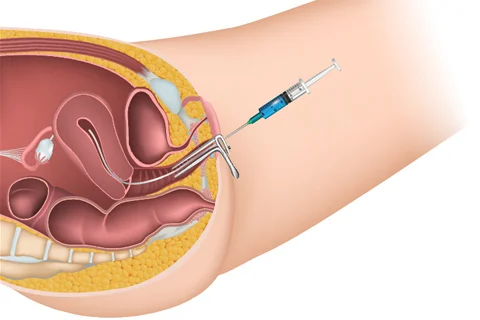
    The IUI procedure involves the collection of semen from the male partner or a sperm donor. The semen is then washed to remove prostaglandins, which can cause cramping and discomfort when introduced into the uterus. The washed sperm is then placed into a catheter and inserted into the woman’s uterus through the cervix. The procedure is usually painless and takes less than 10 minutes to complete.

    What is Donor Insemination (DI)?

    Donor insemination, also known as artificial insemination with donor sperm, is a fertility treatment that involves the use of donor sperm to fertilize the woman’s egg. This method is commonly used by single women, same-sex couples, or couples with male infertility issues. The process involves the selection of a sperm donor from a sperm bank or through a known donor.

    The sperm donor undergoes extensive medical and genetic screening to ensure that they are healthy and free from any hereditary diseases. The donor sperm is then introduced into the woman’s uterus through the same procedure as IUI.

    Comparative Analysis: IUI vs DI

    Now that we have a basic understanding of IUI and DI, let’s take a closer look at the differences between the two methods.

    1. Procedure and Cost

    A person administering an injection into their abdomen with a yellow pen-like device.

    Intrauterine Insemination vs Donor Insemination: A Comparative Analysis

    The procedures for IUI and DI are similar, but the costs involved are quite different. IUI is usually less expensive compared to DI, as it only involves the use of washed sperm from the male partner or a donor. On the other hand, DI requires the purchase of donor sperm, which can be costly, depending on the sperm bank and donor selection.

    2. Success Rates

    The success rates of IUI and DI vary depending on several factors such as age, overall health, and the underlying cause of infertility. Generally, IUI has a success rate of 10-20%, while DI has a success rate of 20-30%. However, these success rates can increase significantly with multiple cycles of treatment.

    3. Control and Privacy

    One of the main differences between IUI and DI is the level of control and privacy involved. With IUI, the couple has control over the selection of the sperm donor, and the procedure is usually done in a clinic setting. On the other hand, DI requires the use of donor sperm, and the identity of the donor is usually unknown to the couple. This can be a concern for some individuals who may prefer to have a known donor or have more control over the selection process.

    4. Legal Implications

    Another important factor to consider when choosing between IUI and DI is the legal implications. With IUI, the legal rights and responsibilities of the sperm donor are usually clear, as they are not considered the father of the child. However, with DI, the laws regarding parental rights can vary depending on the country or state. It is crucial to seek legal advice before proceeding with DI to ensure that all parties involved are aware of their rights and responsibilities.

    5. Emotional Considerations

    Undergoing fertility treatment can be emotionally draining for couples and individuals. With IUI, the couple is usually involved in the process together, and both partners can feel a sense of involvement and connection to the pregnancy. With DI, the non-biological parent may struggle with feelings of not being genetically connected to the child. This can cause emotional strain and should be carefully considered before choosing DI.

    Summary:

    In summary, both IUI and DI are effective fertility treatments that can help individuals and couples achieve their dream of having a child. The choice between the two methods will depend on various factors such as cost, success rates, control, legal implications, and emotional considerations. It is essential to consult with a fertility specialist to determine which method is best for your specific situation.
  • Preparing for the Procedure: Intrauterine Insemination vs Donor Insemination

    Summary:

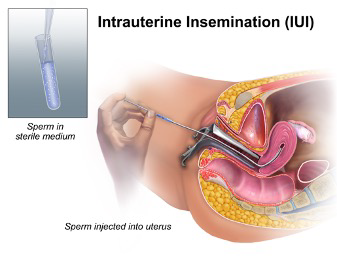
    diagram of the female reproductive system with an IUI syringe and test tube for artificial insemination

    Preparing for the Procedure: Intrauterine Insemination vs Donor Insemination

    Preparing for a fertility procedure can be an overwhelming and emotional experience for many individuals and couples. Intrauterine insemination (IUI) and donor insemination (DI) are two types of assisted reproductive techniques that can help individuals and couples conceive. While both procedures involve placing sperm into the uterus, there are some key differences between the two. This blog post will discuss the preparation process for IUI and DI, including the necessary medical testing, timing, and emotional considerations. By understanding the steps involved in preparing for these procedures, individuals and couples can feel more confident and prepared for their fertility journey.

  • Deciding on the Right Fertility Treatment: IUI vs DI

    Deciding on the Right Fertility Treatment: IUI vs DI

    Infertility can be a challenging and emotional journey for couples who are trying to conceive. Fortunately, there are various fertility treatments available that can help make the dream of parenthood a reality. Two popular options for couples with fertility issues are intrauterine insemination (IUI) and donor insemination (DI). While both procedures have the same end goal of helping couples conceive, they have significant differences that need to be considered when choosing the right treatment. In this blog post, we will discuss the pros and cons of IUI and DI, as well as factors to consider when making a decision.

    Understanding IUI and DI

    Intrauterine insemination (IUI) is a fertility treatment that involves placing washed and concentrated sperm directly into a woman’s uterus during ovulation. This procedure is often used for couples who have mild male factor infertility, unexplained infertility, or cervical issues. The goal of IUI is to bring the sperm closer to the egg, increasing the chances of fertilization.

    On the other hand, donor insemination (DI) involves using donated sperm from a sperm bank or a known donor. This is an option for couples who have severe male factor infertility, genetic disorders, or same-sex couples. The sperm is injected directly into the woman’s uterus or cervix, similar to IUI.

    Pros and Cons of IUI

    One of the main advantages of IUI is that it is a less invasive and less expensive fertility treatment compared to other options such as in vitro fertilization (IVF). It also has a higher success rate than natural conception and can be performed without anesthesia. However, IUI may not be suitable for couples with significant fertility issues, and success rates may vary depending on the cause of infertility.

    Another potential drawback of IUI is the risk of multiple pregnancies. Since IUI involves directly placing sperm into the uterus, there is a higher chance of multiple eggs being fertilized, resulting in twins or even triplets. This can increase the risk of complications during pregnancy and delivery.

    Pros and Cons of DI

    illustration of intrauterine insemination procedure with a syringe and catheter in the uterus.

    Deciding on the Right Fertility Treatment: IUI vs DI

    The main advantage of DI is that it allows couples to conceive when a male partner is unable to produce viable sperm. It can also be a more affordable option compared to other fertility treatments such as IVF. DI also allows couples to choose a donor who closely matches their physical and/or genetic characteristics.

    However, DI also has its drawbacks. One of the main concerns is the emotional aspect of using a donor’s sperm, especially for couples who have always envisioned having a child with their partner’s genetic material. There may also be legal and ethical issues to consider, especially if using a known donor.

    Factors to Consider When Choosing Between IUI and DI

    When deciding between IUI and DI, there are several factors that couples should consider. These include:

    1. The cause of infertility: If the male partner has a low sperm count or other fertility issues, IUI may be a better option. However, if the male partner is unable to produce viable sperm, DI may be necessary.

    2. Success rates: It is essential to research and compare the success rates of both IUI and DI before making a decision. This will give couples a better understanding of which treatment may be more effective for their specific situation.

    3. Emotional and ethical considerations: Couples should also take into account their emotional and ethical beliefs when deciding between IUI and DI. It is crucial to have open and honest discussions with each other and with a medical professional to address any concerns or reservations.

    4. Financial considerations: Fertility treatments can be expensive, and it is essential to consider the financial aspect when choosing between IUI and DI. Couples should research the cost of each treatment and their insurance coverage to make an informed decision.

    5. Personal preferences: Ultimately, the decision between IUI and DI should be based on what feels right for the couple. Each person’s feelings and preferences should be taken into account to make a decision that is best for both partners.

    In summary, deciding on the right fertility treatment can be a daunting task for couples struggling with infertility. While IUI and DI are both viable options, it is crucial to consider factors such as the cause of infertility, success rates, emotional and ethical considerations, finances, and personal preferences when making a decision. Consulting with a fertility specialist can also provide valuable insights and guidance in choosing the best treatment for each individual couple.

  • Fresh Donor Sperm: The Traditional Choice for Heterosexual Couples

    Blog Post:

    For heterosexual couples struggling with infertility, the use of fresh donor sperm has long been a traditional choice. This method involves using sperm from a donor who is not the male partner in the couple, and it can be a viable option for those looking to conceive a child. In this blog post, we will explore the process of using fresh donor sperm, its advantages and disadvantages, and the potential emotional and ethical considerations involved.

    What is Fresh Donor Sperm?

    Fresh donor sperm refers to sperm that has been donated by a man for the purpose of helping a couple conceive a child. This can be done through a sperm bank or fertility clinic, where the donor’s sperm is tested and screened for any potential health issues or genetic conditions. Once deemed safe and viable, the sperm is then used in the insemination process.

    The Process of Using Fresh Donor Sperm

    The process of using fresh donor sperm involves several steps. First, the couple must choose a sperm donor. This can be done through a sperm bank, where the couple can view profiles and select a donor based on characteristics such as physical appearance, education, and occupation. The couple may also choose to use a known donor, such as a friend or family member, but this can bring about its own set of emotional and legal considerations.

    Once a donor is chosen, the sperm is then collected and stored in a sterile container. It is important to note that fresh donor sperm must be used within a certain timeframe, usually within 24 hours, as it can quickly lose its viability. The couple then schedules an insemination procedure, where the sperm is inserted into the female partner’s reproductive tract through various methods such as intrauterine insemination (IUI) or in vitro fertilization (IVF).

    Advantages of Fresh Donor Sperm

    One of the main advantages of using fresh donor sperm is that it allows heterosexual couples to have a biological child. For many couples struggling with infertility, this is an important factor in their decision-making process. Additionally, using fresh donor sperm can be more affordable than other fertility treatments such as using a surrogate or using frozen donor sperm.

    Another advantage is the ability to choose a donor based on specific characteristics. This can be appealing to couples who want to have some control over the genetic makeup of their child. It also allows same-sex couples to have a child with a genetic connection to one or both partners.

    illustration of an intrauterine insemination procedure with medical instruments and anatomical details

    Fresh Donor Sperm: The Traditional Choice for Heterosexual Couples

    Disadvantages of Fresh Donor Sperm

    One of the biggest disadvantages of using fresh donor sperm is the potential emotional and ethical considerations involved. For some couples, the idea of using a donor’s sperm can bring up feelings of inadequacy or shame. It is important for couples to discuss and address these feelings before moving forward with the process.

    There is also the risk of the donor wanting to be involved in the child’s life in the future. This can be a difficult situation to navigate, especially if the donor is a known individual. It is important to establish clear boundaries and expectations before using fresh donor sperm.

    Another disadvantage is the limited availability of sperm donors. While sperm banks have a pool of donors, they may not always have a diverse range of options, which can make it difficult for couples to find a donor that meets their desired criteria.

    Emotional and Ethical Considerations

    Using fresh donor sperm can also bring about a range of emotional and ethical considerations for both the couple and the donor. For the couple, it may be a difficult decision to use someone else’s sperm to conceive a child. They may also struggle with the idea of not having a genetic connection to their child.

    For the donor, there may be concerns about anonymity and the potential for future involvement in the child’s life. It is important for both parties to fully understand and discuss these considerations before moving forward with the process.

    In addition, there are ethical considerations surrounding the use of fresh donor sperm, such as the potential for exploitation of donors or the child’s right to know their genetic heritage. It is important for couples to research and consider these ethical implications before choosing to use fresh donor sperm.

    In Summary

    Fresh donor sperm has long been a traditional choice for heterosexual couples struggling with infertility. The process involves choosing a donor, collecting and storing the sperm, and using it in an insemination procedure. While there are advantages such as having a biological child and the ability to choose a donor based on specific characteristics, there are also disadvantages and emotional and ethical considerations to take into account. It is important for couples to thoroughly research and discuss all aspects of using fresh donor sperm before making a decision.

  • Surgical Fertility Treatments: A Last Resort or First Option?

    Surgical Fertility Treatments: A Last Resort or First Option?

    Fertility is a topic that affects millions of people around the world. For some, conceiving a child may come easily, but for others, it can be a challenging and emotional journey. When natural conception is not possible or has not been successful, many couples turn to fertility treatments to help them achieve their dream of having a child. In recent years, there has been a rise in the use of surgical fertility treatments, leading to the question: are these treatments a last resort or a first option for couples struggling with infertility?

    In this blog post, we will explore the different types of surgical fertility treatments, their success rates, and the factors that may influence a couple’s decision to choose them as a last resort or a first option.

    Types of Surgical Fertility Treatments

    Surgical fertility treatments, also known as Assisted Reproductive Technologies (ART), involve medical procedures that aim to assist couples in achieving pregnancy. These treatments are typically recommended when other fertility treatments, such as medications and intrauterine insemination, have not been successful.

    The most common types of surgical fertility treatments include in vitro fertilization (IVF), intracytoplasmic sperm injection (ICSI), and gamete intrafallopian transfer (GIFT). These procedures involve retrieving eggs from the woman’s ovaries, fertilizing them with sperm in a laboratory, and then transferring the resulting embryo(s) into the woman’s uterus.

    Success Rates of Surgical Fertility Treatments

    The success rates of surgical fertility treatments vary depending on various factors such as the age of the woman, the underlying cause of infertility, and the type of procedure used. According to the Centers for Disease Control and Prevention (CDC), the success rate for IVF in women under the age of 35 is approximately 40%, while the success rate for women over the age of 40 is only 11%.

    Similarly, the success rates for ICSI and GIFT also decrease with age. However, these procedures may be more successful for couples dealing with male factor infertility, as they involve the direct injection of sperm into the egg.

    Factors Influencing the Decision to Choose Surgical Fertility Treatments

    Illustration of intrauterine insemination (IUI) procedure, showing sperm injection into the uterus.

    Surgical Fertility Treatments: A Last Resort or First Option?

    When faced with the decision of whether to pursue surgical fertility treatments, couples must consider various factors that may influence their choice. These factors include emotional and financial considerations, as well as the risks and potential side effects associated with these treatments.

    Emotional Considerations

    Infertility can take a toll on a couple’s emotional well-being. It can lead to feelings of frustration, guilt, and even depression. As a result, couples may feel pressured to try any and all available treatments to achieve pregnancy. This may lead them to choose surgical fertility treatments as a first option, without fully considering the potential emotional and physical toll it may take on them.

    Financial Considerations

    Surgical fertility treatments can be expensive, with the average cost of one IVF cycle ranging from $12,000 to $15,000. This cost may increase if additional procedures, such as ICSI, are needed. For many couples, this may be a significant financial burden, and they may need to weigh the costs against their desire to have a child.

    Risks and Potential Side Effects

    As with any medical procedure, there are risks and potential side effects associated with surgical fertility treatments. These may include multiple pregnancies, ovarian hyperstimulation syndrome, and ectopic pregnancies. Additionally, the use of fertility medications can also lead to side effects such as mood swings, hot flashes, and abdominal discomfort.

    Summary

    Surgical fertility treatments are an option for couples struggling with infertility, but they should not be seen as a first option. These treatments can be expensive, emotionally and physically taxing, and may not be successful for everyone. It is crucial for couples to carefully consider their options and consult with their healthcare provider before making a decision.

    In summary, surgical fertility treatments are a valuable option for couples dealing with infertility. However, they should not be considered a first option, as they come with emotional, financial, and physical considerations. It is essential to have open and honest discussions with healthcare providers and loved ones to make an informed decision about the best course of action for each individual couple.

  • Egg Retrieval vs Egg Sharing: Which Offers More Success?

    Blog Post:

    Egg retrieval and egg sharing are two methods of obtaining eggs for fertility treatments. Both offer the potential for success in helping couples or individuals conceive a child. However, there are some key differences between the two that may impact the success rates and overall experience for those undergoing these procedures. In this blog post, we will dive into the details of egg retrieval and egg sharing to determine which one offers more success.

    What is Egg Retrieval?

    Egg retrieval, also known as oocyte retrieval, is a procedure used to collect eggs from a woman’s ovaries for in vitro fertilization (IVF) or other fertility treatments. The process involves stimulating the ovaries with hormones to produce multiple eggs, which are then retrieved using a needle guided by ultrasound. Once the eggs are collected, they are fertilized with sperm in a laboratory and the resulting embryos are transferred into the woman’s uterus.

    What is Egg Sharing?

    Egg sharing is a process where a woman undergoing IVF or other fertility treatments donates some of her eggs to another woman or couple who are struggling with infertility. The woman undergoing the treatment receives a reduced cost for her own IVF treatment in exchange for donating eggs. The donated eggs are then fertilized with sperm and the resulting embryos are transferred into the recipient’s uterus.

    Success Rates: Egg Retrieval vs. Egg Sharing

    When it comes to success rates, there is no clear winner between egg retrieval and egg sharing. The success of both procedures depends on various factors such as the age and health of the woman, the quality of the eggs, and the expertise of the fertility clinic. However, studies have shown that the success rates for egg retrieval tend to be slightly higher than those for egg sharing.

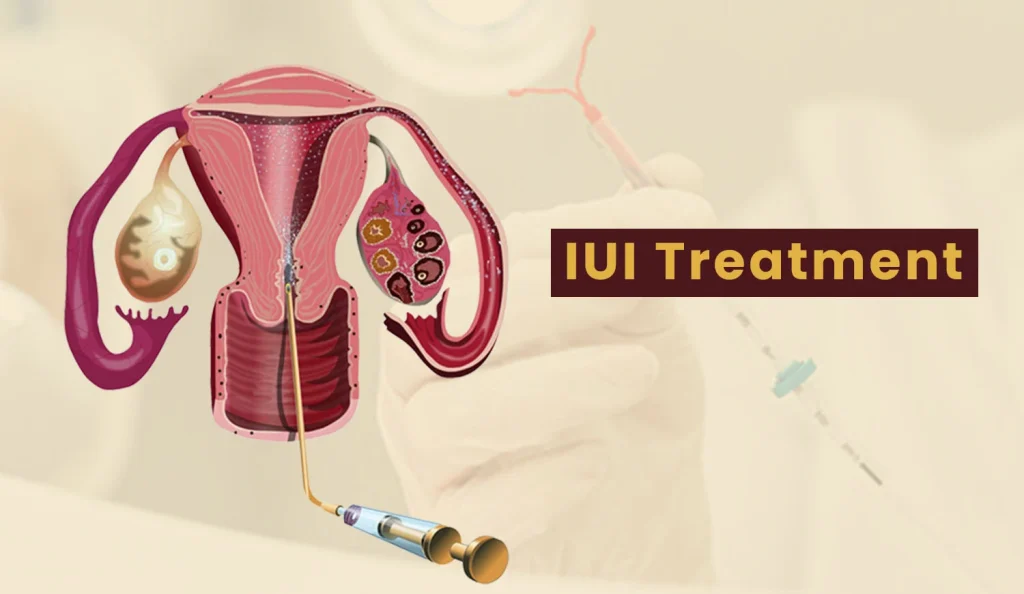
    illustration of the uterus and ovaries with a syringe, labeled "IUI Treatment" in the background

    Egg Retrieval vs Egg Sharing: Which Offers More Success?

    One reason for this is that women undergoing egg retrieval have the advantage of using their own eggs, which are more likely to result in a successful pregnancy compared to donated eggs. Additionally, the woman undergoing egg retrieval receives all of the eggs collected, while in egg sharing, only a portion of the donated eggs are used, which may decrease the chances of success.

    Cost: Egg Retrieval vs. Egg Sharing

    The cost of egg retrieval and egg sharing can vary greatly, depending on factors such as location, clinic, and specific treatment plans. In general, egg sharing tends to be more affordable than egg retrieval, as the woman undergoing the treatment receives a reduced cost in exchange for donating eggs. However, this reduced cost may not be significant enough to outweigh the potential success rates of egg retrieval.

    Emotional and Ethical Considerations

    Aside from success rates and cost, there are also emotional and ethical considerations to take into account when deciding between egg retrieval and egg sharing. Egg retrieval is a more personal process, as the woman is using her own eggs and is in control of the entire procedure. On the other hand, egg sharing involves donating eggs to someone else, which can bring up a range of emotions and ethical concerns.

    The decision to undergo egg retrieval or egg sharing should be carefully considered and discussed with a medical professional. It’s important to weigh the potential success rates, cost, and emotional and ethical implications before making a decision.

    Summary:

    Egg retrieval and egg sharing are two methods of obtaining eggs for fertility treatments. Egg retrieval involves collecting eggs from a woman’s ovaries for IVF or other treatments, while egg sharing involves donating eggs to another woman or couple in exchange for a reduced cost for the donor’s own treatment. While egg retrieval tends to have slightly higher success rates and egg sharing is more affordable, the decision should also consider emotional and ethical implications. Ultimately, the choice between the two methods should be carefully considered and discussed with a medical professional.

  • Factors to Consider: Donor Insemination vs Partner Insemination

    Blog Post Title: Factors to Consider: Donor Insemination vs Partner Insemination

    Introduction:
    When a couple or individual is struggling with infertility, they may consider alternative methods to conceive a child. Two options that are commonly used are donor insemination and partner insemination. These methods involve the use of donated sperm to fertilize an egg, but there are important differences between the two that should be carefully considered before making a decision. In this blog post, we will explore the factors that should be taken into account when deciding between donor insemination and partner insemination.

    The Role of a Donor:
    The most significant difference between donor insemination and partner insemination is the involvement of a sperm donor. In donor insemination, the sperm is obtained from a donor who is not the intended parent, whereas in partner insemination, the sperm is provided by the intended parent. This means that in donor insemination, the child will have a genetic connection to the donor, while in partner insemination, the child will have a genetic connection to the intended parent. This is an important factor to consider as it may impact the child’s sense of identity and family structure.

    Legal Considerations:
    Another important factor to consider is the legal implications of using a sperm donor. In donor insemination, the donor gives up all parental rights and responsibilities, and the intended parent(s) become the legal parents of the child. However, in partner insemination, the donor may have legal rights and responsibilities towards the child, depending on the laws in the particular jurisdiction. This can lead to potential complications in the future, such as custody battles or financial obligations. It is crucial to understand the legal implications of both methods before making a decision.

    Cost:
    Cost is another significant factor to consider when deciding between donor insemination and partner insemination. In general, donor insemination is more expensive than partner insemination. This is because donor sperm needs to be purchased from a sperm bank, and there may also be additional costs for fertility treatments. On the other hand, partner insemination may only involve the cost of fertility treatments, as the sperm is provided by the intended parent. It is essential to consider the financial aspect and your budget when making a decision between the two methods.

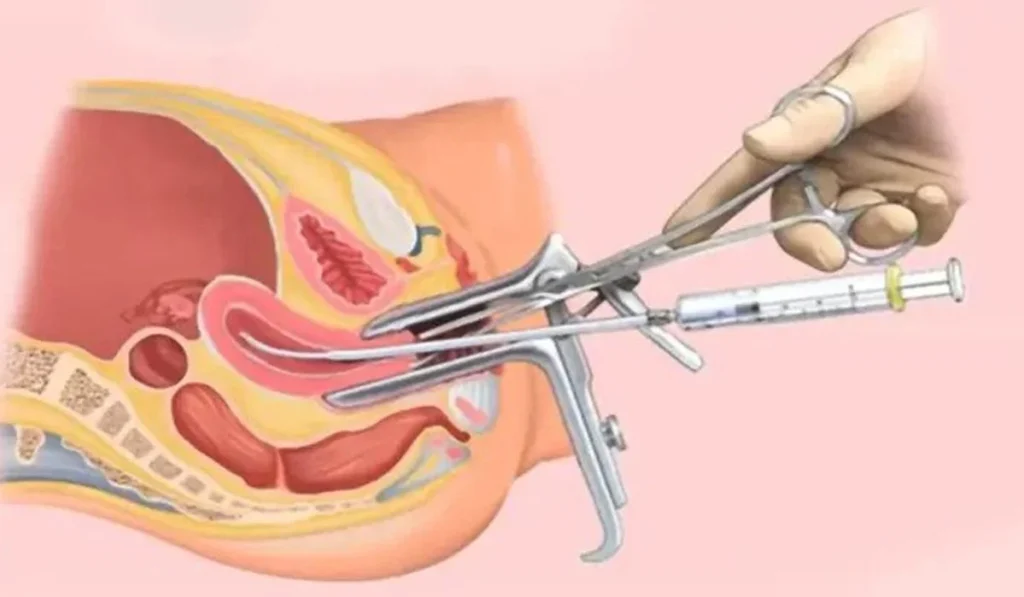
    illustration of intrauterine insemination procedure with a hand holding a speculum and syringe near the uterus

    Factors to Consider: Donor Insemination vs Partner Insemination

    Medical Considerations:
    Both donor insemination and partner insemination involve fertility treatments, which can have physical and emotional impacts. In donor insemination, the donor’s medical history and genetic background are carefully screened to ensure the safety and health of the child. On the other hand, in partner insemination, the intended parent(s)’ medical history is taken into account. It is crucial to consider any potential hereditary conditions or risks when choosing between the two methods.

    Emotional Considerations:
    The emotional aspect of using a sperm donor is another crucial factor to consider. In donor insemination, the child will not have a relationship with the donor, and the donor’s identity may be kept confidential. This can lead to questions and curiosity from the child in the future. In partner insemination, the child will have a relationship with the intended parent, but there may also be complex emotions involved, such as feelings of inadequacy or jealousy, especially if the partner is unable to conceive. It is essential to prepare for these potential emotional challenges and have open communication with your partner before making a decision.

    Support System:
    Having a strong support system is vital when going through fertility treatments. In donor insemination, the support system may include the donor, especially if they are known to the intended parent(s). In partner insemination, the support system may consist of family and friends, as well as the partner. It is essential to have a support system in place to provide emotional and practical support throughout the process.

    Summary:
    When deciding between donor insemination and partner insemination, there are several critical factors to consider. These include the role of the donor, legal implications, cost, medical considerations, emotional considerations, and support system. Each of these factors can have a significant impact on the child’s future and the overall experience of using alternative methods to conceive. It is essential to carefully evaluate each factor and have open and honest communication with your partner before making a decision.

    In conclusion, choosing between donor insemination and partner insemination is a personal and complex decision that should not be taken lightly. It is crucial to consider all the factors discussed in this blog post and consult with a medical professional and legal advisor before making a decision. Ultimately, the most important factor to consider is what is best for you and your future family.

  • Understanding the Difference: Traditional vs. Gestational Surrogacy

    Blog Post Title: Understanding the Difference: Traditional vs. Gestational Surrogacy

    Summary:

    Surrogacy is a widely accepted method for individuals and couples who are unable to conceive or carry a child on their own. However, there are two types of surrogacy – traditional and gestational – that differ in the way the surrogate mother becomes pregnant. In traditional surrogacy, the surrogate mother’s egg is used, while in gestational surrogacy, the intended parents’ egg and sperm are used. This blog post will delve deeper into the differences between traditional and gestational surrogacy, including the process, legal aspects, and emotional considerations.

    Firstly, let’s understand the process of traditional surrogacy. In this method, the surrogate mother is artificially inseminated with the intended father’s sperm. This means that the surrogate mother is also the biological mother of the child. Traditional surrogacy is a less common method nowadays due to the emotional and legal complexities involved. As the child is biologically related to the surrogate mother, she may have a harder time giving up the baby after birth. Moreover, the intended mother may feel left out as she is not biologically related to the child.

    comparison of IUI and IVF procedures illustrated with simple graphics and labels

    Understanding the Difference: Traditional vs. Gestational Surrogacy

    On the other hand, gestational surrogacy involves in vitro fertilization (IVF) where the intended parents’ egg and sperm are fertilized in a lab and then transferred to the surrogate mother’s uterus. In this method, the surrogate mother has no genetic relationship with the child, making it easier for her to give up the baby after birth. This method is preferred by many intended parents as it allows them to have a biological connection with their child.

    Another crucial aspect to consider is the legalities involved in traditional and gestational surrogacy. In traditional surrogacy, the surrogate mother is the legal mother of the child, and the intended parents have to go through the process of adoption to establish their parental rights. This can be a lengthy and expensive process, and in some cases, the surrogate mother may change her mind and keep the child. In contrast, gestational surrogacy is legally more straightforward as the intended parents’ names are on the birth certificate from the beginning. However, the laws surrounding surrogacy vary from state to state, and it is essential to seek legal advice to ensure all parties’ rights are protected.

    Emotional considerations play a significant role in both traditional and gestational surrogacy. As traditional surrogacy involves the surrogate mother’s egg, there is a higher emotional attachment and bond between the surrogate and the child. This can make it challenging for the surrogate mother to give up the baby after birth. In gestational surrogacy, the surrogate mother may have a lesser emotional attachment to the child as there is no genetic connection. However, she may still have a strong emotional bond with the baby as she carried and nurtured it for nine months. Intended parents also go through a rollercoaster of emotions throughout the surrogacy process, from excitement and hope to anxiety and fear. It is crucial for all parties involved to have a strong support system and open communication to navigate through these emotions successfully.

    In conclusion, traditional and gestational surrogacy have their differences in the process, legal aspects, and emotional considerations. It is essential to carefully consider all aspects and seek guidance from reputable agencies and legal professionals before embarking on the surrogacy journey. Surrogacy can be a beautiful and life-changing experience for all parties involved, but it is crucial to understand the differences between the two methods to make an informed decision.

  • Surrogacy vs Adoption: A Comparison of Processes

    Title: Surrogacy vs Adoption: A Comparison of Processes

    Surrogacy and adoption are two options available for individuals and couples who are unable to have children naturally. Both processes involve bringing a child into a family, but they differ significantly in terms of the process, cost, and legal implications. In this blog post, we will explore the differences between surrogacy and adoption and help you understand which option may be best for your family.

    Surrogacy Process
    Surrogacy is a process where a woman (surrogate) carries a child for another person or couple (intended parents). There are two types of surrogacy: traditional and gestational. In traditional surrogacy, the surrogate’s egg is fertilized with the intended father’s sperm through artificial insemination. This means that the surrogate is genetically related to the child. In gestational surrogacy, the embryo is created using the intended parents’ eggs and sperm or through a donor, and then transferred to the surrogate’s uterus. This process means that the surrogate has no genetic connection to the child.

    The surrogacy process involves several steps, including finding a surrogate, undergoing medical and psychological evaluations, and drafting a surrogacy contract. The intended parents may also need to go through IVF (in vitro fertilization) to create the embryo. Once the surrogate is pregnant, the intended parents will cover all medical expenses and provide financial compensation to the surrogate for carrying the child.

    Adoption Process
    Adoption is a legal process where a child becomes a permanent member of a family different from their birth family. There are different types of adoption, including domestic, international, and foster care adoption. In domestic adoption, the child is adopted within the country, while international adoption involves adopting a child from a different country. Foster care adoption is when a child is adopted from the foster care system.

    The adoption process involves several steps, such as finding an adoption agency, completing a home study, and attending training and education sessions. The agency will then match the prospective adoptive parents with a child, and once the child is placed with the family, the adoption process is finalized through a court order. The cost of adoption varies depending on the type of adoption, but it typically includes agency fees, legal fees, and any necessary travel expenses.

    comparison of IUI and IVF procedures illustrated with simple graphics and labels

    Surrogacy vs Adoption: A Comparison of Processes

    Cost Comparison
    One of the significant differences between surrogacy and adoption is the cost. Surrogacy can cost anywhere between $100,000 to $150,000, while domestic adoption can cost between $20,000 to $50,000. International adoption can cost between $30,000 to $50,000, and foster care adoption is significantly less expensive, with little to no cost involved.

    The high cost of surrogacy is mainly due to medical expenses, which can include IVF, prenatal care, labor and delivery, and any complications that may arise during pregnancy. In contrast, adoption costs are primarily associated with agency fees and legal fees.

    Legal Implications
    Surrogacy and adoption also differ in terms of legal implications. In surrogacy, a legal contract is signed between the intended parents and the surrogate, outlining the terms and conditions of the surrogacy. It is essential to have a well-drafted contract to avoid any legal issues that may arise during or after the surrogacy process. However, even with a contract in place, there have been cases where the surrogate has changed her mind and decided to keep the child.

    In adoption, the legal process involves terminating the birth parents’ rights and transferring them to the adoptive parents. Once the adoption is finalized, the adoptive parents have full legal rights and responsibilities for the child, just like biological parents.

    Emotional Considerations
    Both surrogacy and adoption involve a lot of emotions for all parties involved. For intended parents, the surrogacy process can be emotionally challenging, as they are relying on someone else to carry their child. In adoption, the process can also be emotionally taxing as it involves navigating through the birth parents’ feelings and potentially facing rejection from the child.

    For surrogates, there may be emotional challenges as they carry a child that they will not raise, and they may experience postpartum depression after giving birth. In adoption, the birth parents may also experience emotional struggles as they make the difficult decision to place their child for adoption.

    Summary:
    Surrogacy and adoption are two options available for individuals and couples who are unable to have children naturally. Surrogacy involves finding a surrogate to carry the child, while adoption is a legal process of bringing a child into a family. Surrogacy is a more expensive option, while adoption costs can vary depending on the type of adoption. There are also differences in legal implications and emotional considerations for both processes.

  • The Differences Between Surrogacy and Adoption

    Blog Post:

    Surrogacy and adoption are two ways for couples or individuals to expand their families and experience the joys of parenthood. While both options involve bringing a child into a loving home, there are significant differences between surrogacy and adoption. These differences can impact the financial, emotional, and legal aspects of the process. In this blog post, we will explore the key differences between surrogacy and adoption to help you determine which option may be best for your family.

    What is Surrogacy?

    Surrogacy is a method of assisted reproduction where a woman carries and gives birth to a child for another person or couple. There are two types of surrogacy: traditional and gestational.

    In traditional surrogacy, the surrogate mother is the biological mother of the child, as her own egg is fertilized with the intended father’s sperm through artificial insemination. On the other hand, gestational surrogacy involves the use of in vitro fertilization (IVF) to create an embryo using the intended parents’ or donor’s egg and sperm. The embryo is then transferred to the surrogate’s uterus for pregnancy and birth.

    One of the key differences between surrogacy and adoption is that in surrogacy, the intended parents have a genetic connection to the child, whereas in adoption, there is no genetic connection.

    What is Adoption?

    Adoption is the legal process of permanently taking on the parenting responsibilities of a child who is not biologically related to the adoptive parents. It involves terminating the biological parents’ rights and granting them to the adoptive parents. There are several types of adoption, including domestic, international, foster care, and private adoption.

    In domestic adoption, the child is born and adopted within the same country, while international adoption involves adopting a child from another country. Foster care adoption involves adopting a child who has been placed in the foster care system due to abuse, neglect, or abandonment. Private adoption is when the birth parents directly place the child for adoption with the adoptive parents.

    One of the main differences between surrogacy and adoption is that adoption does not involve a genetic connection between the child and the adoptive parents.

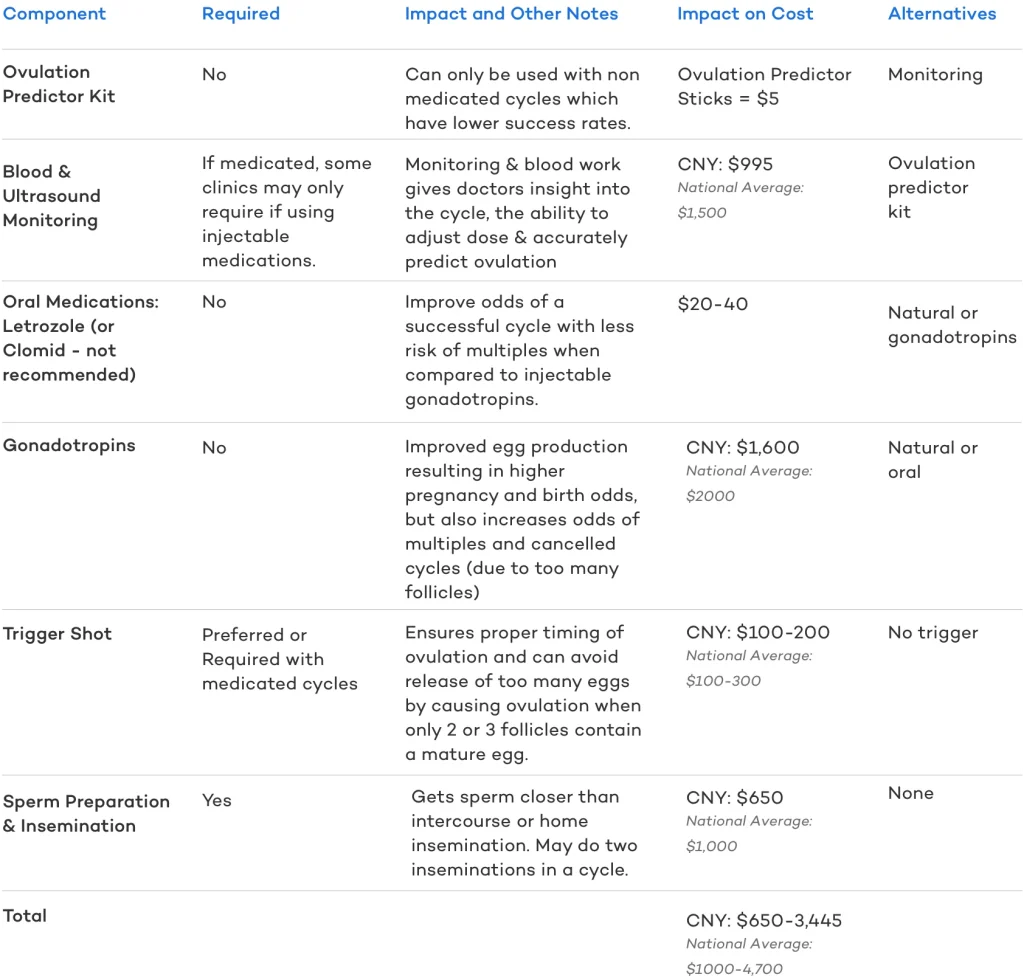
    Cost breakdown for IUI components, including requirements, impacts, and alternatives.

    The Differences Between Surrogacy and Adoption

    Costs Involved

    Surrogacy and adoption can both be expensive processes, but surrogacy tends to be more costly. In surrogacy, there are several expenses to consider, such as the surrogate’s compensation, medical expenses, legal fees, and agency fees. The total cost of surrogacy can range from $80,000 to $150,000.

    On the other hand, adoption costs can vary depending on the type of adoption and the agency or attorney used. Domestic adoption can cost anywhere from $20,000 to $45,000, while international adoption can cost between $30,000 to $50,000. Foster care adoptions are typically the least expensive, with little to no cost involved, as many adoption agencies provide financial assistance.

    Emotional Considerations

    Both surrogacy and adoption involve complex emotional considerations for all parties involved. In surrogacy, the surrogate mother may experience emotional challenges in carrying a child for another family and then giving the child up after birth. The intended parents may also experience emotional ups and downs throughout the process, from the excitement of starting a family to the stress of navigating legal issues and the uncertainty of the outcome.

    In adoption, the birth parents may experience feelings of grief and loss, while the adoptive parents may feel anxious about their ability to bond with the child. The adopted child may also experience a range of emotions, including confusion and identity issues.

    Legal Considerations

    The legal processes involved in surrogacy and adoption also differ significantly. In surrogacy, there is a need for a detailed surrogacy contract that outlines the rights and responsibilities of all parties involved, including the surrogate, intended parents, and any donors. The legal process can also vary depending on the state or country where the surrogacy takes place.

    In adoption, the legal process can also vary depending on the type of adoption. In most cases, the adoptive parents must go through a home study to ensure they are fit to adopt a child. The biological parents’ rights must also be terminated before the adoption can be finalized.

    Summary:

    In conclusion, surrogacy and adoption are two ways to build a family, but they have significant differences that should be considered. Surrogacy involves a genetic connection between the child and the intended parents, while adoption does not. Surrogacy can also be more expensive and complex legally and emotionally. Adoption, on the other hand, may have lower costs and a more straightforward legal process, but it may also involve emotional challenges for all parties involved. It is essential to carefully weigh these differences and consult with professionals to determine which option is best for your family.