Tag: Financial Considerations

  • Deciding on the Right Fertility Treatment: IUI vs DI

    Deciding on the Right Fertility Treatment: IUI vs DI

    Infertility can be a challenging and emotional journey for couples who are trying to conceive. Fortunately, there are various fertility treatments available that can help make the dream of parenthood a reality. Two popular options for couples with fertility issues are intrauterine insemination (IUI) and donor insemination (DI). While both procedures have the same end goal of helping couples conceive, they have significant differences that need to be considered when choosing the right treatment. In this blog post, we will discuss the pros and cons of IUI and DI, as well as factors to consider when making a decision.

    Understanding IUI and DI

    Intrauterine insemination (IUI) is a fertility treatment that involves placing washed and concentrated sperm directly into a woman’s uterus during ovulation. This procedure is often used for couples who have mild male factor infertility, unexplained infertility, or cervical issues. The goal of IUI is to bring the sperm closer to the egg, increasing the chances of fertilization.

    On the other hand, donor insemination (DI) involves using donated sperm from a sperm bank or a known donor. This is an option for couples who have severe male factor infertility, genetic disorders, or same-sex couples. The sperm is injected directly into the woman’s uterus or cervix, similar to IUI.

    Pros and Cons of IUI

    One of the main advantages of IUI is that it is a less invasive and less expensive fertility treatment compared to other options such as in vitro fertilization (IVF). It also has a higher success rate than natural conception and can be performed without anesthesia. However, IUI may not be suitable for couples with significant fertility issues, and success rates may vary depending on the cause of infertility.

    Another potential drawback of IUI is the risk of multiple pregnancies. Since IUI involves directly placing sperm into the uterus, there is a higher chance of multiple eggs being fertilized, resulting in twins or even triplets. This can increase the risk of complications during pregnancy and delivery.

    Pros and Cons of DI
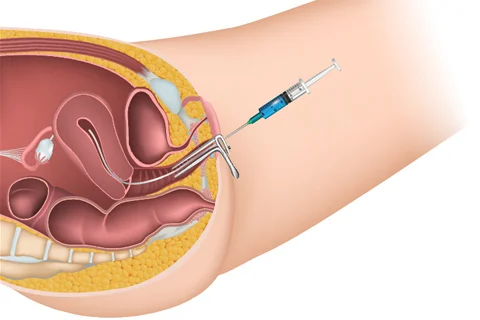
    illustration of intrauterine insemination procedure with a syringe and catheter in the uterus.

    Deciding on the Right Fertility Treatment: IUI vs DI

    The main advantage of DI is that it allows couples to conceive when a male partner is unable to produce viable sperm. It can also be a more affordable option compared to other fertility treatments such as IVF. DI also allows couples to choose a donor who closely matches their physical and/or genetic characteristics.

    However, DI also has its drawbacks. One of the main concerns is the emotional aspect of using a donor’s sperm, especially for couples who have always envisioned having a child with their partner’s genetic material. There may also be legal and ethical issues to consider, especially if using a known donor.

    Factors to Consider When Choosing Between IUI and DI

    When deciding between IUI and DI, there are several factors that couples should consider. These include:

    1. The cause of infertility: If the male partner has a low sperm count or other fertility issues, IUI may be a better option. However, if the male partner is unable to produce viable sperm, DI may be necessary.

    2. Success rates: It is essential to research and compare the success rates of both IUI and DI before making a decision. This will give couples a better understanding of which treatment may be more effective for their specific situation.

    3. Emotional and ethical considerations: Couples should also take into account their emotional and ethical beliefs when deciding between IUI and DI. It is crucial to have open and honest discussions with each other and with a medical professional to address any concerns or reservations.

    4. Financial considerations: Fertility treatments can be expensive, and it is essential to consider the financial aspect when choosing between IUI and DI. Couples should research the cost of each treatment and their insurance coverage to make an informed decision.

    5. Personal preferences: Ultimately, the decision between IUI and DI should be based on what feels right for the couple. Each person’s feelings and preferences should be taken into account to make a decision that is best for both partners.

    In summary, deciding on the right fertility treatment can be a daunting task for couples struggling with infertility. While IUI and DI are both viable options, it is crucial to consider factors such as the cause of infertility, success rates, emotional and ethical considerations, finances, and personal preferences when making a decision. Consulting with a fertility specialist can also provide valuable insights and guidance in choosing the best treatment for each individual couple.

  • Surgical Fertility Treatments: A Last Resort or First Option?

    Surgical Fertility Treatments: A Last Resort or First Option?

    Fertility is a topic that affects millions of people around the world. For some, conceiving a child may come easily, but for others, it can be a challenging and emotional journey. When natural conception is not possible or has not been successful, many couples turn to fertility treatments to help them achieve their dream of having a child. In recent years, there has been a rise in the use of surgical fertility treatments, leading to the question: are these treatments a last resort or a first option for couples struggling with infertility?

    In this blog post, we will explore the different types of surgical fertility treatments, their success rates, and the factors that may influence a couple’s decision to choose them as a last resort or a first option.

    Types of Surgical Fertility Treatments

    Surgical fertility treatments, also known as Assisted Reproductive Technologies (ART), involve medical procedures that aim to assist couples in achieving pregnancy. These treatments are typically recommended when other fertility treatments, such as medications and intrauterine insemination, have not been successful.

    The most common types of surgical fertility treatments include in vitro fertilization (IVF), intracytoplasmic sperm injection (ICSI), and gamete intrafallopian transfer (GIFT). These procedures involve retrieving eggs from the woman’s ovaries, fertilizing them with sperm in a laboratory, and then transferring the resulting embryo(s) into the woman’s uterus.

    Success Rates of Surgical Fertility Treatments

    The success rates of surgical fertility treatments vary depending on various factors such as the age of the woman, the underlying cause of infertility, and the type of procedure used. According to the Centers for Disease Control and Prevention (CDC), the success rate for IVF in women under the age of 35 is approximately 40%, while the success rate for women over the age of 40 is only 11%.

    Similarly, the success rates for ICSI and GIFT also decrease with age. However, these procedures may be more successful for couples dealing with male factor infertility, as they involve the direct injection of sperm into the egg.

    Factors Influencing the Decision to Choose Surgical Fertility Treatments

    Illustration of intrauterine insemination (IUI) procedure, showing sperm injection into the uterus.

    Surgical Fertility Treatments: A Last Resort or First Option?

    When faced with the decision of whether to pursue surgical fertility treatments, couples must consider various factors that may influence their choice. These factors include emotional and financial considerations, as well as the risks and potential side effects associated with these treatments.

    Emotional Considerations

    Infertility can take a toll on a couple’s emotional well-being. It can lead to feelings of frustration, guilt, and even depression. As a result, couples may feel pressured to try any and all available treatments to achieve pregnancy. This may lead them to choose surgical fertility treatments as a first option, without fully considering the potential emotional and physical toll it may take on them.

    Financial Considerations

    Surgical fertility treatments can be expensive, with the average cost of one IVF cycle ranging from $12,000 to $15,000. This cost may increase if additional procedures, such as ICSI, are needed. For many couples, this may be a significant financial burden, and they may need to weigh the costs against their desire to have a child.

    Risks and Potential Side Effects

    As with any medical procedure, there are risks and potential side effects associated with surgical fertility treatments. These may include multiple pregnancies, ovarian hyperstimulation syndrome, and ectopic pregnancies. Additionally, the use of fertility medications can also lead to side effects such as mood swings, hot flashes, and abdominal discomfort.

    Summary

    Surgical fertility treatments are an option for couples struggling with infertility, but they should not be seen as a first option. These treatments can be expensive, emotionally and physically taxing, and may not be successful for everyone. It is crucial for couples to carefully consider their options and consult with their healthcare provider before making a decision.

    In summary, surgical fertility treatments are a valuable option for couples dealing with infertility. However, they should not be considered a first option, as they come with emotional, financial, and physical considerations. It is essential to have open and honest discussions with healthcare providers and loved ones to make an informed decision about the best course of action for each individual couple.

  • Exploring the Financial Side of Building a Family: Fertility Treatments vs Adoption

    Building a family is a dream for many individuals and couples. However, the road to parenthood is not always straightforward and can involve various challenges, including fertility struggles. In recent years, more and more people have turned to fertility treatments and adoption as options for building their families. While both paths lead to the same end goal, they come with different financial considerations. In this blog post, we will explore the financial side of building a family, comparing the costs of fertility treatments and adoption.

    Fertility Treatments

    Fertility treatments, also known as assisted reproductive technology (ART), refer to medical procedures that help individuals or couples conceive a child. These procedures can range from simple interventions, such as fertility drugs, to more complex procedures like in vitro fertilization (IVF). According to the American Society for Reproductive Medicine, the average cost of an IVF cycle in the United States is around $12,000, with some clinics charging up to $20,000 per cycle. This does not include additional costs such as medications, consultations, and diagnostic tests, which can easily add up to several thousand dollars.

    Another popular fertility treatment is Intrauterine Insemination (IUI), where sperm is placed directly into the uterus during ovulation. The average cost of one IUI cycle is around $2,000, but this can vary depending on the clinic and any additional medications or tests needed. Other fertility treatments, such as egg or sperm donation, can also add significant costs to the overall fertility journey.

    One of the main financial considerations with fertility treatments is that they are not always covered by insurance. While some insurance companies may offer partial coverage, many do not cover any fertility treatments at all. This means that individuals or couples may have to pay out of pocket for these procedures, which can be a significant financial burden.

    Adoption

    Adoption is another option for individuals or couples who are unable to conceive naturally. The cost of adoption can vary greatly depending on the type of adoption and the agency used. According to the U.S. Department of Health and Human Services, the average cost of a domestic adoption can range from $20,000 to $40,000, while international adoptions can cost upwards of $50,000. These costs include everything from agency fees, legal expenses, and travel expenses.

    A person administering an injection into their abdomen with a yellow pen-like device.

    Exploring the Financial Side of Building a Family: Fertility Treatments vs Adoption

    One of the main financial advantages of adoption is that it is often covered by insurance. Many employers offer adoption benefits, which can include reimbursing adoption-related expenses up to a certain amount. Additionally, there are various grants and loans available to help cover adoption costs for families in need.

    However, there are additional costs associated with adoption that may not be covered by insurance or grants. These can include birth mother expenses, such as medical bills and living expenses, as well as post-adoption expenses, such as counseling and legal fees. It is essential to consider all of these costs when exploring adoption as an option for building a family.

    Financial Considerations

    When comparing the costs of fertility treatments and adoption, it is essential to consider various factors that can impact the overall cost. These can include the individual’s or couple’s medical history, age, and the type of fertility treatment or adoption being pursued. For example, a couple undergoing multiple IVF cycles may end up spending more than a couple who adopts domestically.

    Another consideration is the success rates of each option. While fertility treatments can be expensive, they also have a higher chance of resulting in a successful pregnancy compared to adoption. However, adoption can bring its own set of emotional and financial challenges, such as dealing with failed matches or unexpected expenses.

    It is also crucial to consider the long-term financial implications of both options. Fertility treatments may result in multiple births, which can bring additional costs such as childcare and education expenses. On the other hand, adoption may involve ongoing financial commitments, such as birth family contact and post-adoption support.

    Ultimately, the financial aspect of building a family is a personal decision that should be carefully considered by each individual or couple. It is essential to research and understand the costs and potential outcomes of both fertility treatments and adoption before making a decision.

    In conclusion, building a family through fertility treatments or adoption comes with its own set of financial considerations. Fertility treatments can be costly, and not always covered by insurance, while adoption can also involve significant expenses. It is crucial to carefully consider all aspects, including success rates and long-term financial implications, to make an informed decision that is right for each individual or couple.

  • The Financial Side of Family Planning: Fertility Treatments vs Adoption

    Blog Post Title: The Financial Side of Family Planning: Fertility Treatments vs Adoption

    Family planning is a critical aspect of a couple’s journey towards parenthood. However, many factors, including medical conditions, age, and financial stability, can affect this process. For some couples, the road to parenthood may involve fertility treatments, while others may choose to adopt. Both options come with their own sets of challenges and costs, making it essential to consider the financial implications of each choice. In this blog post, we will explore the financial side of family planning, specifically comparing fertility treatments to adoption.

    Fertility Treatments:

    Fertility treatments, also known as assisted reproductive technology (ART), involve various medical procedures that aim to help couples conceive. These treatments are often recommended for couples who have been struggling to get pregnant naturally. According to the Centers for Disease Control and Prevention (CDC), about 12% of women aged 15 to 44 in the United States have difficulty getting pregnant or carrying a pregnancy to term. As such, fertility treatments have become a popular option for many couples.

    There are various types of fertility treatments, including fertility drugs, intrauterine insemination (IUI), in vitro fertilization (IVF), and surrogacy. Each treatment option comes with its own costs, and the total expense can vary depending on factors such as the clinic, location, and the specific treatment required.

    One of the most significant costs associated with fertility treatments is the cost of the procedures itself. For example, the average cost of a single IVF cycle in the United States can range from $10,000 to $15,000. This cost does not include additional expenses such as fertility drugs, consultations, and ultrasounds. Additionally, many couples may require multiple cycles of treatment, further increasing the overall cost.

    Moreover, fertility treatments may not be covered by insurance, making it an out-of-pocket expense for many couples. According to the American Society for Reproductive Medicine, only 15 states in the US have laws that require insurance companies to cover fertility treatments. This leaves many couples struggling to cover the costs on their own.

    Adoption:

    doctor discussing treatment with a patient in a medical office, featuring an ultrasound machine in the background

    The Financial Side of Family Planning: Fertility Treatments vs Adoption

    Adoption is another popular option for couples who are unable to conceive naturally. It involves legally accepting a child into one’s family and providing them with a permanent home. Adoption can be a rewarding experience for both the parents and the child, but it also comes with its own set of financial considerations.

    The cost of adoption can range from a few thousand dollars to over $40,000, depending on various factors such as the type of adoption, location, and agency fees. For instance, domestic adoption can cost between $20,000 to $40,000, while international adoption can cost up to $50,000. These costs typically cover expenses such as home studies, legal fees, and agency fees.

    One significant advantage of adoption is that it may be partially or fully covered by insurance, depending on the type of adoption and the insurance policy. For instance, some insurance policies may cover the costs of adoption for children with special needs. Additionally, there are also various financial assistance programs and tax credits available for adoptive families, which can help offset some of the costs.

    Other Financial Considerations:

    Aside from the cost of the procedures, there are other financial considerations that couples should keep in mind when deciding between fertility treatments and adoption. For instance, fertility treatments may involve additional expenses such as time off work for medical appointments, travel costs, and childcare expenses. On the other hand, adoption may require families to take time off work to attend court hearings and bonding with the child.

    Another factor to consider is the ongoing costs associated with raising a child. Fertility treatments may result in multiple births, which can significantly increase the expenses of raising a child. On the other hand, adoption may come with its own set of costs, such as legal fees, medical expenses, and ongoing expenses for the child’s care.

    Summary:

    Family planning is a crucial decision for couples, and the financial aspect is an essential consideration. Fertility treatments and adoption are two popular options for couples struggling to conceive naturally. While fertility treatments can be costly, they provide couples with the opportunity to have a biological child. On the other hand, adoption may be a more affordable option for some couples, and it offers the opportunity to provide a loving home to a child in need. Ultimately, the decision between fertility treatments and adoption should be based on individual circumstances and preferences.

    In conclusion, the financial side of family planning is a significant consideration for couples. Fertility treatments and adoption both come with their own set of costs, and it is essential to weigh the financial implications of each option. Ultimately, the most important factor is to choose the path that is best for the couple and their future family.

  • The Financial Considerations: Egg Retrieval vs Egg Sharing

    Blog Post Title: The Financial Considerations: Egg Retrieval vs Egg Sharing

    Summary:

    Egg donation has become a popular option for individuals and couples struggling with infertility. However, the process of egg retrieval can be expensive, making it a daunting decision for many. In recent years, a new option has emerged – egg sharing. This involves sharing the retrieved eggs with another recipient, which can significantly reduce the cost. In this blog post, we will discuss the financial considerations of egg retrieval vs egg sharing, helping you make an informed decision.

    Firstly, let’s understand the basic difference between egg retrieval and egg sharing. Egg retrieval is the process of retrieving eggs from a donor’s ovaries through a minor surgical procedure. These eggs are then fertilized with sperm in a lab and transferred to the intended recipient’s uterus. On the other hand, egg sharing involves a donor agreeing to share the retrieved eggs with another recipient. In this case, the donor may receive a discounted or even free egg retrieval procedure, depending on the arrangement.

    Now, let’s look at the financial considerations of both options. Egg retrieval can cost anywhere between $5,000 to $15,000, depending on the location and clinic. This includes the donor’s compensation, medical expenses, and other related costs. On the other hand, egg sharing may only cost the recipient around $2,000 to $5,000, as the donor’s compensation is divided between the two recipients. This can result in significant savings for the recipient, making egg sharing a more affordable option.

    illustration of a uterus with a syringe, representing intrauterine insemination procedure

    The Financial Considerations: Egg Retrieval vs Egg Sharing

    It’s important to note that egg sharing may not be available in all clinics, and the cost may vary depending on the clinic’s policies. Some clinics may offer a discounted egg retrieval procedure if the donor agrees to share her eggs, while others may offer a free procedure. It’s crucial to research and compare different clinics to find the best option for you.

    Another factor to consider is the legal and insurance implications. In most cases, egg sharing is considered a form of egg donation, and the donor is protected by the same laws and insurance coverage. This means that the recipient may have to cover the donor’s medical expenses and any complications that may arise during the procedure. However, in some cases, the recipient may be required to pay additional costs for the donor’s insurance coverage, which can add to the overall cost.

    Additionally, egg sharing may also have financial benefits for the donor. As mentioned earlier, the donor may receive a discounted or free egg retrieval procedure. Moreover, some clinics may also offer financial incentives, such as compensation for lost wages or travel expenses. This can make egg sharing a more attractive option for donors, as they are not only helping someone in need but also receiving financial benefits.

    Lastly, it’s essential to consider the success rates of both options. In general, egg sharing has slightly lower success rates compared to egg retrieval. This is because the shared eggs may not be of the same quality, and the recipient may receive a smaller number of eggs. However, the success rates can vary depending on the clinic and the donor’s age and health. It’s crucial to discuss the success rates with your doctor and choose the option that has the highest chances of success for your individual case.

    In conclusion, both egg retrieval and egg sharing have their own financial considerations. Egg sharing can significantly reduce the cost for the recipient, making it a more affordable option. However, it may not be available in all clinics, and the success rates may be slightly lower. On the other hand, egg retrieval may be a more expensive option, but it may have higher success rates. It’s crucial to research and compare different clinics and discuss your options with your doctor to make the best decision for your unique situation.

    SEO metadata:

  • The Surrogacy Option: Navigating with the Help of Fertility Counseling

    Blog Post Title: The Surrogacy Option: Navigating with the Help of Fertility Counseling

    Summary:

    Surrogacy, the process of using a gestational carrier to carry a baby to term, has become an increasingly popular option for those struggling with infertility or other medical conditions that prevent them from carrying a child themselves. However, the decision to pursue surrogacy comes with many emotional, financial, and legal considerations. That’s where fertility counseling comes in. In this blog post, we will explore the role of fertility counseling in the surrogacy journey and how it can help intended parents navigate the complexities of this option.

    Firstly, the decision to pursue surrogacy is not an easy one. It often comes after years of unsuccessful fertility treatments, and can be a source of grief, disappointment, and even guilt for intended parents. Fertility counseling can provide emotional support and guidance during this difficult time. A licensed therapist can help intended parents process their feelings and provide coping strategies that can help them move forward with the surrogacy process.

    Additionally, fertility counseling can help intended parents navigate the legal and financial aspects of surrogacy. Surrogacy involves a complex legal process that varies from state to state and country to country. A fertility counselor can help intended parents understand the legal implications of surrogacy and guide them through the necessary steps to ensure a smooth and legal journey. They can also provide resources and referrals to reputable surrogacy agencies and attorneys who specialize in surrogacy arrangements.

    illustration of a uterus with a syringe, representing intrauterine insemination procedure

    The Surrogacy Option: Navigating with the Help of Fertility Counseling

    Financial considerations are also a major aspect of surrogacy. The cost of surrogacy can vary greatly depending on the location, type of surrogacy, and other factors. Fertility counselors can help intended parents understand the costs involved and assist in creating a realistic budget. They can also provide resources for financing options, such as loans or grants, and help intended parents navigate insurance coverage for surrogacy.

    Another important role of fertility counseling in the surrogacy process is helping intended parents establish a healthy relationship with their gestational carrier. The surrogate-intended parent relationship is unique and requires open communication, trust, and boundaries. A fertility counselor can help both parties navigate this relationship and establish a solid foundation for a successful journey. They can also provide support and mediation in case any conflicts arise during the process.

    In addition to providing support for intended parents, fertility counseling also plays a crucial role in preparing gestational carriers for their role. Surrogates may also have their own set of emotions and concerns about the surrogacy journey. A fertility counselor can help them process their feelings and provide guidance on how to establish healthy boundaries and maintain their physical and emotional well-being throughout the process.

    Lastly, fertility counseling can also provide support after the surrogacy journey is complete. The post-surrogacy period can be a challenging time for intended parents as they adjust to their new roles as parents and navigate the complexities of their relationship with the gestational carrier. A fertility counselor can offer guidance and support during this transition and help intended parents cope with any feelings of loss or disconnection they may experience.

    In conclusion, surrogacy is a complex and emotionally charged journey that requires careful consideration and support. Fertility counseling can play a crucial role in helping intended parents navigate the physical, emotional, financial, and legal aspects of surrogacy. It can provide a safe and supportive space for intended parents to process their feelings, make informed decisions, and establish healthy relationships with their gestational carrier. With the help of fertility counseling, intended parents can embark on their surrogacy journey with confidence and support.

  • The Differences Between Surrogacy and Adoption

    Blog Post:

    Surrogacy and adoption are two ways for couples or individuals to expand their families and experience the joys of parenthood. While both options involve bringing a child into a loving home, there are significant differences between surrogacy and adoption. These differences can impact the financial, emotional, and legal aspects of the process. In this blog post, we will explore the key differences between surrogacy and adoption to help you determine which option may be best for your family.

    What is Surrogacy?

    Surrogacy is a method of assisted reproduction where a woman carries and gives birth to a child for another person or couple. There are two types of surrogacy: traditional and gestational.

    In traditional surrogacy, the surrogate mother is the biological mother of the child, as her own egg is fertilized with the intended father’s sperm through artificial insemination. On the other hand, gestational surrogacy involves the use of in vitro fertilization (IVF) to create an embryo using the intended parents’ or donor’s egg and sperm. The embryo is then transferred to the surrogate’s uterus for pregnancy and birth.

    One of the key differences between surrogacy and adoption is that in surrogacy, the intended parents have a genetic connection to the child, whereas in adoption, there is no genetic connection.

    What is Adoption?

    Adoption is the legal process of permanently taking on the parenting responsibilities of a child who is not biologically related to the adoptive parents. It involves terminating the biological parents’ rights and granting them to the adoptive parents. There are several types of adoption, including domestic, international, foster care, and private adoption.

    In domestic adoption, the child is born and adopted within the same country, while international adoption involves adopting a child from another country. Foster care adoption involves adopting a child who has been placed in the foster care system due to abuse, neglect, or abandonment. Private adoption is when the birth parents directly place the child for adoption with the adoptive parents.

    One of the main differences between surrogacy and adoption is that adoption does not involve a genetic connection between the child and the adoptive parents.

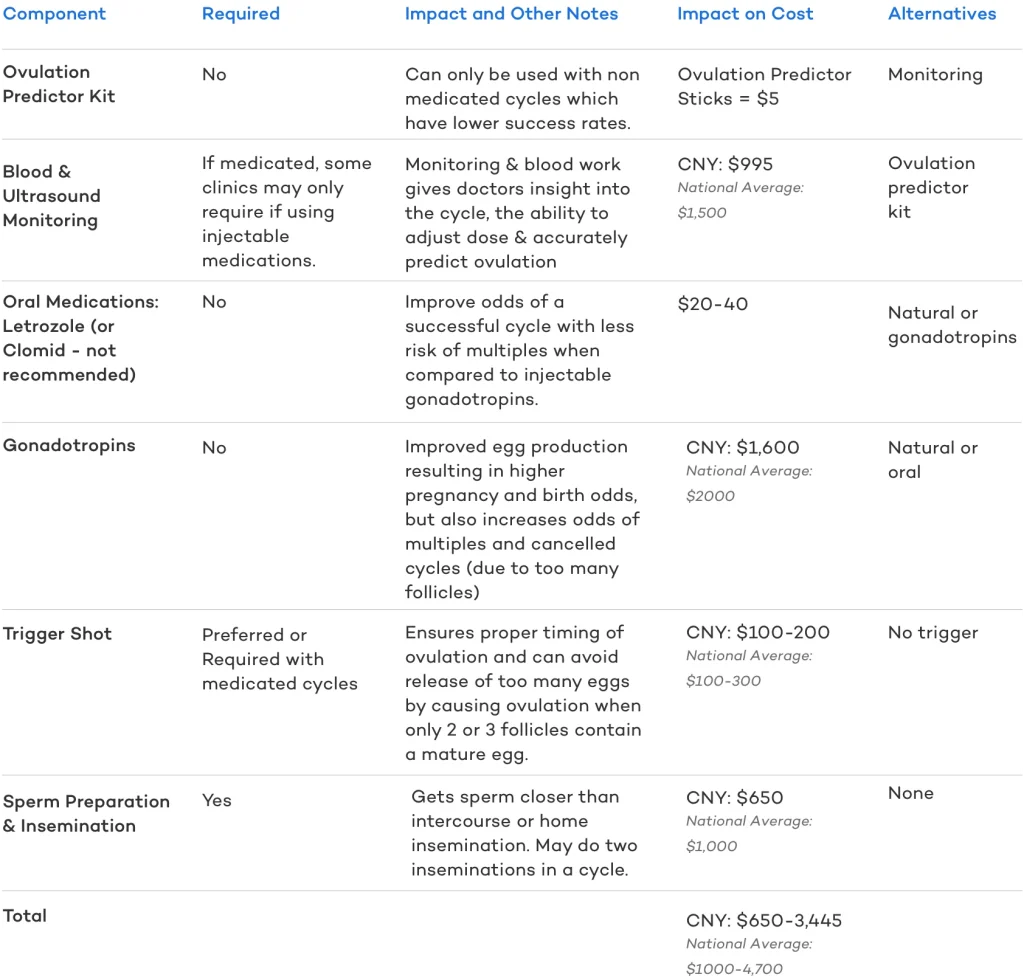
    Cost breakdown for IUI components, including requirements, impacts, and alternatives.

    The Differences Between Surrogacy and Adoption

    Costs Involved

    Surrogacy and adoption can both be expensive processes, but surrogacy tends to be more costly. In surrogacy, there are several expenses to consider, such as the surrogate’s compensation, medical expenses, legal fees, and agency fees. The total cost of surrogacy can range from $80,000 to $150,000.

    On the other hand, adoption costs can vary depending on the type of adoption and the agency or attorney used. Domestic adoption can cost anywhere from $20,000 to $45,000, while international adoption can cost between $30,000 to $50,000. Foster care adoptions are typically the least expensive, with little to no cost involved, as many adoption agencies provide financial assistance.

    Emotional Considerations

    Both surrogacy and adoption involve complex emotional considerations for all parties involved. In surrogacy, the surrogate mother may experience emotional challenges in carrying a child for another family and then giving the child up after birth. The intended parents may also experience emotional ups and downs throughout the process, from the excitement of starting a family to the stress of navigating legal issues and the uncertainty of the outcome.

    In adoption, the birth parents may experience feelings of grief and loss, while the adoptive parents may feel anxious about their ability to bond with the child. The adopted child may also experience a range of emotions, including confusion and identity issues.

    Legal Considerations

    The legal processes involved in surrogacy and adoption also differ significantly. In surrogacy, there is a need for a detailed surrogacy contract that outlines the rights and responsibilities of all parties involved, including the surrogate, intended parents, and any donors. The legal process can also vary depending on the state or country where the surrogacy takes place.

    In adoption, the legal process can also vary depending on the type of adoption. In most cases, the adoptive parents must go through a home study to ensure they are fit to adopt a child. The biological parents’ rights must also be terminated before the adoption can be finalized.

    Summary:

    In conclusion, surrogacy and adoption are two ways to build a family, but they have significant differences that should be considered. Surrogacy involves a genetic connection between the child and the intended parents, while adoption does not. Surrogacy can also be more expensive and complex legally and emotionally. Adoption, on the other hand, may have lower costs and a more straightforward legal process, but it may also involve emotional challenges for all parties involved. It is essential to carefully weigh these differences and consult with professionals to determine which option is best for your family.

  • Sperm Donation and Co-Parenting: A Look at the Financial Considerations

    Sperm donation and co-parenting are two options available for individuals and couples who are unable to conceive naturally or do not wish to have a traditional family structure. While both options have their own unique benefits and challenges, it is important for prospective donors and co-parents to carefully consider the financial implications of these decisions. In this blog post, we will take a closer look at the financial considerations of sperm donation and co-parenting, and how individuals and couples can plan and prepare for the expenses involved.

    Sperm donation is the process of donating sperm to help individuals or couples conceive a child. This can be done through a sperm bank or through a private arrangement with known recipients. On the other hand, co-parenting involves two or more individuals who come together to raise a child, without being in a romantic relationship. This can be done through various methods such as adoption, surrogacy, or in vitro fertilization (IVF). In both cases, the financial aspects can vary depending on individual circumstances and decisions made by the parties involved.

    One of the main financial considerations for sperm donation is the cost of fertility treatments. For couples or individuals using a sperm bank, there is a fee for the screening and processing of the donated sperm, as well as the cost of the actual insemination procedure. In some cases, insurance may cover a portion of these expenses, but it is important to check with the provider beforehand. For those using a private donor, there may be additional costs involved such as legal fees, medical expenses, and travel expenses if the donor is not local. It is essential to have a clear agreement in place to avoid any potential financial disputes in the future.

    Another financial aspect to consider is the potential for multiple attempts at conception. Fertility treatments can be unpredictable and there is no guarantee of success, which means multiple attempts may be necessary. This can quickly add up to a significant amount of money, especially if the donor is not local and travel expenses are involved. It is important for all parties to discuss and plan for these potential expenses beforehand, and to have a backup plan in case the first attempts are unsuccessful.

    test tube with sperm in blue liquid, promoting IUI success rate and factors influencing fertility.

    Sperm Donation and Co-Parenting: A Look at the Financial Considerations

    For co-parenting, the financial considerations can also be significant. For couples or individuals using assisted reproductive technology, there can be significant costs for the procedures involved, such as IVF or surrogacy. Adoption also involves various fees and expenses, including home studies, legal fees, and agency fees. It is important for prospective co-parents to carefully research and understand the financial obligations involved in the method they choose, and to have a clear understanding of how these costs will be shared between the parties involved.

    In addition to the direct expenses, there are also indirect financial implications to consider. Both sperm donation and co-parenting can result in the creation of a family, which comes with ongoing financial responsibilities. This includes providing for the child’s basic needs such as food, clothing, education, and healthcare. It is important for all parties involved to have a thorough discussion and agreement on how these expenses will be shared and managed.

    Another important factor to consider is the legal implications and potential costs involved. In the case of sperm donation, the donor may have limited or no legal rights or responsibilities towards the child. However, in the case of co-parenting, both parties may have equal legal rights and responsibilities towards the child. This can result in legal fees and expenses, especially if any disputes arise in the future. It is important for all parties to have a clear understanding of their legal rights and responsibilities, and to have a legally binding agreement in place to avoid any potential conflicts.

    Aside from the expenses involved in the actual conception and raising of the child, there may also be financial considerations for the donors or co-parents themselves. For donors, there may be costs associated with the initial screening and testing, and ongoing health check-ups to ensure their sperm is of high quality. For co-parents, there may be additional expenses such as childcare and legal fees if they choose to have a formal custody arrangement in place. It is essential for all parties to carefully consider these potential costs and to have a solid financial plan in place before embarking on the journey of sperm donation or co-parenting.

    In summary, sperm donation and co-parenting are two options available for individuals and couples who wish to have a child outside of a traditional family structure. While these options can be fulfilling and rewarding, it is important for prospective donors and co-parents to carefully consider the financial implications involved. This includes the costs of fertility treatments, potential multiple attempts at conception, ongoing expenses for raising a child, legal implications and costs, and personal expenses for the donors or co-parents themselves. By having open and honest discussions and careful planning, individuals and couples can navigate the financial considerations of sperm donation and co-parenting and make informed decisions that are best for their family planning needs.

  • The Cost of Parenthood: Financial Considerations for Natural Conception and Assisted Reproduction

    Summary:

    Parenthood is a beautiful and rewarding experience, but it also comes with a lot of financial considerations. Whether you are planning to conceive naturally or through assisted reproduction methods, it is essential to be aware of the potential costs involved. In this blog post, we will discuss the financial implications of parenthood, including the expenses associated with natural conception and assisted reproduction.

    Natural Conception:

    The cost of natural conception may vary depending on individual circumstances, but it is essential to consider potential expenses such as preconception care, prenatal care, childbirth, and postnatal care. Preconception care, including doctor’s appointments and tests, can range from a few hundred to a few thousand dollars. Prenatal care, which includes regular check-ups, blood tests, and ultrasounds, can cost thousands of dollars. The cost of childbirth can vary greatly from a few thousand to tens of thousands of dollars, depending on the method of delivery and any complications that may arise. Postnatal care, including doctor’s visits, vaccinations, and baby supplies, can also add up to a significant amount.

    Assisted Reproduction:

    Assisted reproduction methods, such as in vitro fertilization (IVF) and surrogacy, can be a viable option for those struggling with infertility. However, these methods can be costly, with an average cost of $12,000 to $15,000 per IVF cycle. Surrogacy can cost upwards of $100,000, including legal fees, medical expenses, and compensation for the surrogate mother. It is essential to consider the potential costs of these methods and to have a realistic assessment of your financial situation before embarking on assisted reproduction.

    Insurance Coverage:

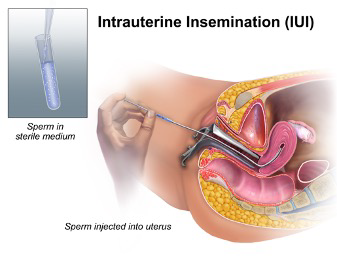
    Illustration of intrauterine insemination (IUI) procedure with syringe and catheter in the uterus.

    The Cost of Parenthood: Financial Considerations for Natural Conception and Assisted Reproduction

    Many insurance plans do not cover the expenses associated with infertility treatments, including IVF. However, it is worth checking with your insurance provider to see if they offer any coverage or discounts for fertility treatments. Some employers also offer fertility benefits as part of their employee benefits package, so it is worth exploring this option as well.

    Financial Assistance:

    There are various financial assistance options available for those seeking fertility treatments. Some clinics offer financing plans or payment options to help spread out the costs over time. Additionally, there are grants and scholarships available for those struggling with infertility, and some non-profit organizations offer financial assistance for fertility treatments.

    Budgeting:

    Whether you are planning for natural conception or assisted reproduction, it is essential to create a budget and stick to it. Consider all potential expenses, including doctor’s visits, medications, procedures, and baby supplies. It may also be helpful to save up money before trying to conceive to alleviate some of the financial burden.

    Additional Considerations:

    Aside from the direct costs of parenthood, there are also other financial considerations to keep in mind. These include the cost of childcare, education, and other ongoing expenses such as food, clothing, and extracurricular activities. It is crucial to factor in these costs when creating a budget and planning for parenthood.

    In conclusion, parenthood comes with a significant financial responsibility, whether you conceive naturally or through assisted reproduction. It is essential to be aware of the potential costs involved and to plan accordingly. Consider all potential expenses, explore insurance coverage and financial assistance options, and create a budget to ensure that you are financially prepared for the journey of parenthood.