Tag: resilience

  • Male and Female Infertility Treatments: A Journey of Hope and Resilience

    Male and Female Infertility Treatments: A Journey of Hope and Resilience

    Infertility is a common medical condition that affects many couples around the world. According to the World Health Organization (WHO), approximately 15% of couples experience infertility at some point in their reproductive lives. While infertility can affect both men and women, it is often a journey filled with emotional and physical challenges for couples trying to conceive. In this blog post, we will explore the various treatments available for male and female infertility, and the emotional rollercoaster that couples go through on their journey towards building a family.

    Understanding Infertility

    Before delving into the treatments, it is important to understand what infertility is. Infertility is defined as the inability to conceive after 12 months of regular, unprotected sexual intercourse. It can also refer to the inability to carry a pregnancy to full term. Infertility can be caused by a variety of factors, including hormonal imbalances, structural issues, genetic disorders, and lifestyle choices. It is important for couples to seek medical help if they are unable to conceive after a year of trying, as early diagnosis and treatment can increase the chances of a successful pregnancy.

    Male Infertility Treatments

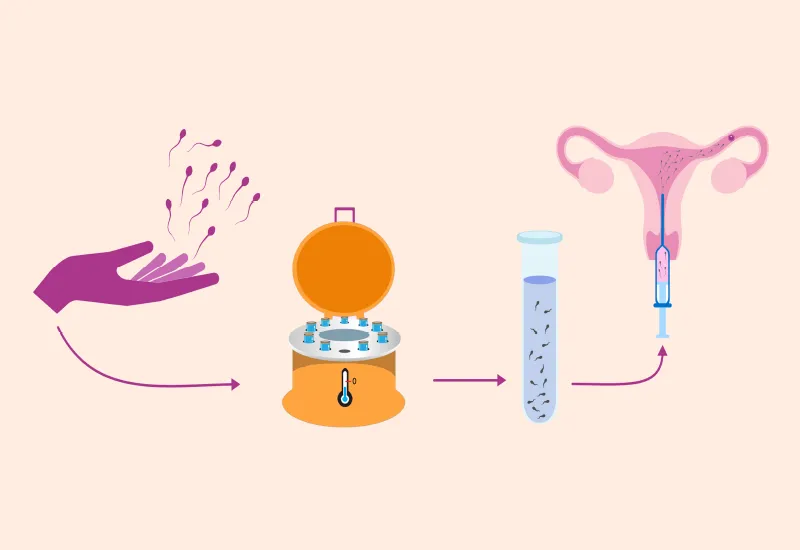
    Male infertility can be caused by a variety of factors, including low sperm count, abnormal sperm shape or movement, and hormonal imbalances. The most common treatment for male infertility is assisted reproductive technology (ART). This includes procedures such as intrauterine insemination (IUI) and in vitro fertilization (IVF). These techniques involve retrieving sperm from the male partner and placing it directly into the female partner’s uterus or combining it with the female partner’s eggs in a laboratory setting. ART has been successful in helping many couples overcome male infertility and conceive a child.

    Another treatment option for male infertility is surgery. This may be recommended for men with structural issues, such as varicoceles (enlarged veins in the scrotum) or blockages in the reproductive tract. Surgery can help correct these issues and improve the chances of a successful pregnancy. However, it is important for couples to understand that surgery may not always be effective in treating male infertility and may also carry some risks.

    In addition to medical treatments, lifestyle changes can also help improve male fertility. This includes maintaining a healthy weight, reducing alcohol and tobacco consumption, and avoiding exposure to environmental toxins. Male infertility can also be caused by underlying health conditions such as diabetes or high blood pressure, so it is important for men to take care of their overall health and seek medical treatment if necessary.

    Female Infertility Treatments
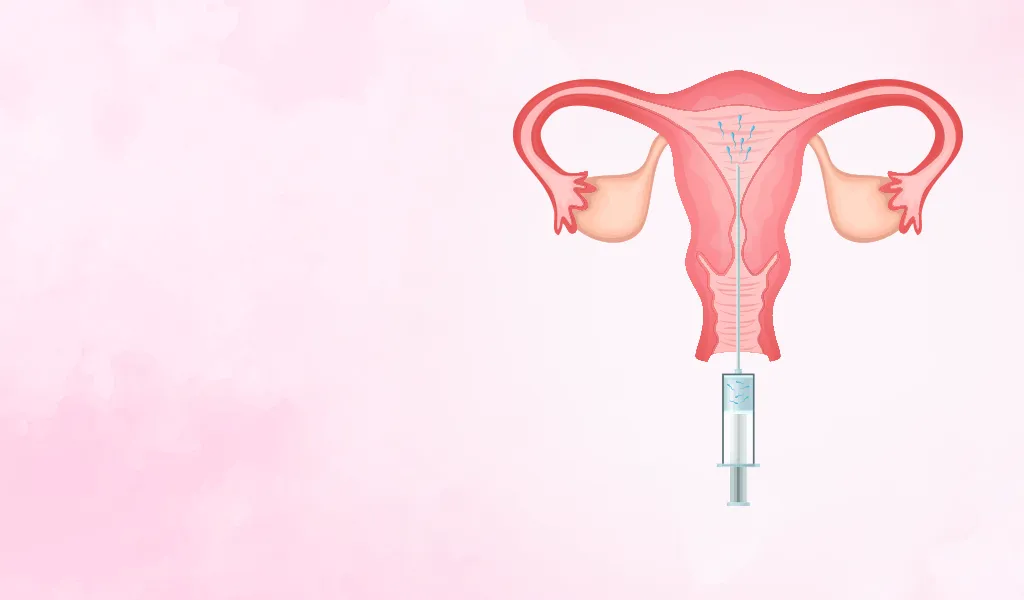
    illustration of a uterus with a syringe, representing intrauterine insemination procedure

    Male and Female Infertility Treatments: A Journey of Hope and Resilience

    Female infertility can be caused by a variety of factors, including hormonal imbalances, structural issues, and conditions such as endometriosis or polycystic ovary syndrome (PCOS). The most common treatment for female infertility is also ART, which includes procedures such as IVF and IUI. In some cases, hormonal medications may also be prescribed to help regulate a woman’s menstrual cycle and increase the chances of ovulation and pregnancy.

    Surgery may also be recommended for women with structural issues, such as uterine fibroids or blocked fallopian tubes. These procedures can help correct these issues and improve the chances of a successful pregnancy. However, as with male infertility, surgery may not always be effective and may carry some risks.

    In some cases, lifestyle changes can also improve female fertility. This includes maintaining a healthy weight, reducing stress, and avoiding excessive alcohol and tobacco consumption. Women with underlying health conditions, such as thyroid disorders or autoimmune diseases, may also need to manage these conditions to improve their chances of conceiving.

    Emotional Toll of Infertility

    Infertility can take a toll on the emotional well-being of couples. The journey towards building a family can be a rollercoaster of hope and disappointment, and it is important for couples to find support from each other and their loved ones. Many couples struggle with feelings of guilt, shame, and inadequacy when faced with infertility. It is important for them to understand that infertility is a medical condition and seeking treatment is not a sign of weakness.

    Couples may also experience strain in their relationship, as they navigate through the ups and downs of infertility treatments. It is important for them to communicate openly and support each other through the process. Seeking counselling or joining support groups can also be helpful in dealing with the emotional challenges of infertility.

    The Journey of Hope and Resilience

    Despite the challenges, many couples are able to overcome infertility and build a family through various treatments. The journey towards parenthood may not always be easy, but it is a testament to the strength and resilience of couples who go through it. The support and love they receive from each other and their loved ones can make all the difference in their journey of hope towards building a family.

    In conclusion, infertility can be a difficult journey for couples, but there are various treatments available for both male and female infertility. It is important for couples to seek medical help and support each other emotionally throughout the process. With the advancements in medical technology and the support of loved ones, there is hope for couples facing infertility to fulfill their dream of becoming parents.
  • Building Resilience: How Support Groups can Help You Through Fertility Challenges

    Building Resilience: How Support Groups can Help You Through Fertility Challenges

    Facing fertility challenges can be a difficult and emotional experience for anyone. The journey to starting a family is not always smooth, and it can be filled with ups and downs, hopes and disappointments. This can put a lot of strain on individuals and couples, both mentally and physically. It’s important to acknowledge and address the emotional impact of fertility challenges, and one way to do so is by joining a support group.

    Support groups provide a safe and understanding space for individuals and couples to share their experiences, emotions, and concerns with others who are going through similar challenges. These groups can be in-person or online and are often led by a trained facilitator or a mental health professional. They offer a sense of community and belonging, which can be extremely beneficial for those dealing with fertility struggles.

    Here are some ways support groups can help you build resilience and cope with fertility challenges:

    1. Emotional Support and Validation:
    Fertility struggles can make individuals and couples feel isolated and alone. It’s common to feel like no one understands what you’re going through, and this can lead to feelings of shame and guilt. Joining a support group can help you connect with others who are facing similar challenges. It provides a safe and non-judgmental space to share your feelings and experiences without fear of being misunderstood. This can be extremely validating and can help you feel less alone in your journey.

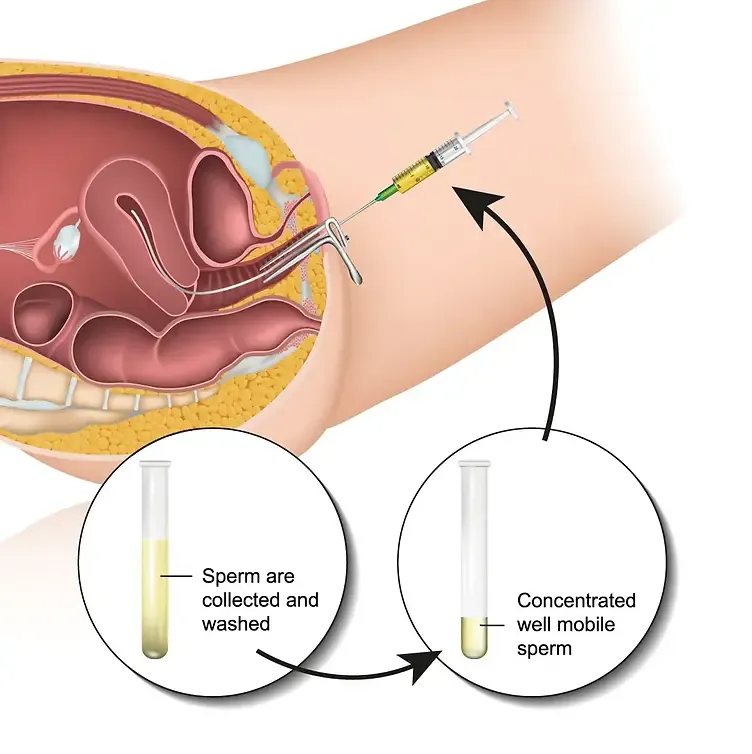
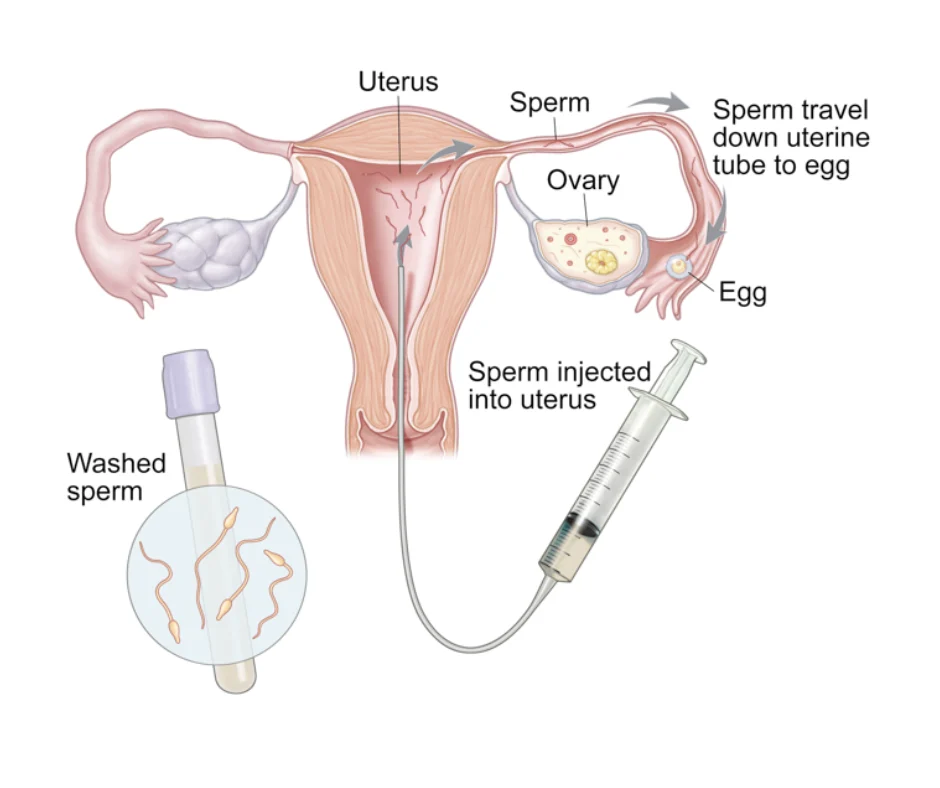
    diagram illustrating intrauterine insemination process, showing sperm injection into the uterus and egg fertilization pathway

    Building Resilience: How Support Groups can Help You Through Fertility Challenges

    2. Coping Strategies:
    Infertility can take a toll on one’s mental health, leading to feelings of anxiety, depression, and stress. Support groups can offer coping strategies and techniques to help individuals deal with these emotions. For example, some groups may incorporate mindfulness or relaxation techniques, while others may focus on cognitive-behavioral strategies. These tools can help individuals better manage their emotions and build resilience in the face of fertility challenges.

    3. Information and Resources:
    Fertility struggles can be overwhelming, and it can be challenging to navigate through the various options and treatments available. Support groups often invite guest speakers, such as fertility specialists or nutritionists, to provide information and resources to group members. This can be highly beneficial, as it allows individuals to make informed decisions about their fertility journey. It also helps them feel more in control and empowered.

    4. Peer Support:
    Joining a support group means being a part of a community of individuals who are all on a similar path. This sense of community and peer support can be incredibly powerful. Members can share their stories, offer advice and support to one another, and celebrate each other’s successes. This can be especially helpful for those who may not have a strong support system in their personal lives.

    5. Shared Experiences:
    Fertility challenges can be an emotional rollercoaster, with highs and lows that can be difficult to navigate. Being part of a support group means being able to share these experiences with others who truly understand. It can be therapeutic to talk to others who have been through similar situations and have come out on the other side. This can provide hope and motivation to keep going and not give up on the journey to parenthood.

    In summary, facing fertility challenges can be a daunting and emotional experience. Joining a support group can provide much-needed emotional support, validation, coping strategies, information and resources, peer support, and a sense of belonging. It can help individuals and couples build resilience and cope with the ups and downs of their fertility journey. If you are struggling with fertility challenges, consider reaching out and joining a support group. Remember, you are not alone.

  • From Struggle to Success: How Fertility Counseling Can Change Your Perspective

    From Struggle to Success: How Fertility Counseling Can Change Your Perspective

    Struggling with fertility can be a difficult and emotional journey for individuals and couples. The desire to have a child and start a family is a natural and common one, but when faced with challenges in conceiving or carrying a pregnancy to term, it can feel like a devastating blow. This struggle can take a toll on one’s mental health and overall well-being. That’s where fertility counseling comes in – a specialized form of therapy that can help individuals and couples navigate the emotional complexities of infertility and find a path towards success.

    Infertility is defined as the inability to conceive after one year of trying for individuals under the age of 35, or after six months for those over 35. It affects approximately 10-15% of couples in the United States, and the cause can be attributed to a variety of factors such as medical conditions, hormonal imbalances, or lifestyle habits. Whatever the cause may be, the emotional impact can be significant. Many individuals and couples experience feelings of sadness, anger, frustration, and even shame. This can lead to a sense of isolation and strain in relationships, as well as a decrease in self-esteem and confidence.

    Fertility counseling offers a safe and non-judgmental space for individuals and couples to express their emotions and navigate the complex feelings that come with infertility. A fertility counselor is a trained professional who specializes in helping clients cope with the challenges of infertility and provides support and guidance towards finding a path forward. By addressing the emotional and psychological impacts of infertility, individuals and couples can gain a new perspective and approach their fertility journey with a renewed sense of hope and resilience.

    One of the main benefits of fertility counseling is the opportunity for individuals and couples to process their emotions in a healthy and productive way. The struggle with infertility can bring up many difficult feelings, and it’s essential to have a safe space to express and work through them. Fertility counselors can help clients understand and cope with these emotions, which can ultimately lead to improved mental health and well-being. This, in turn, can positively impact the overall fertility journey, as individuals and couples can approach it with a more positive and proactive mindset.

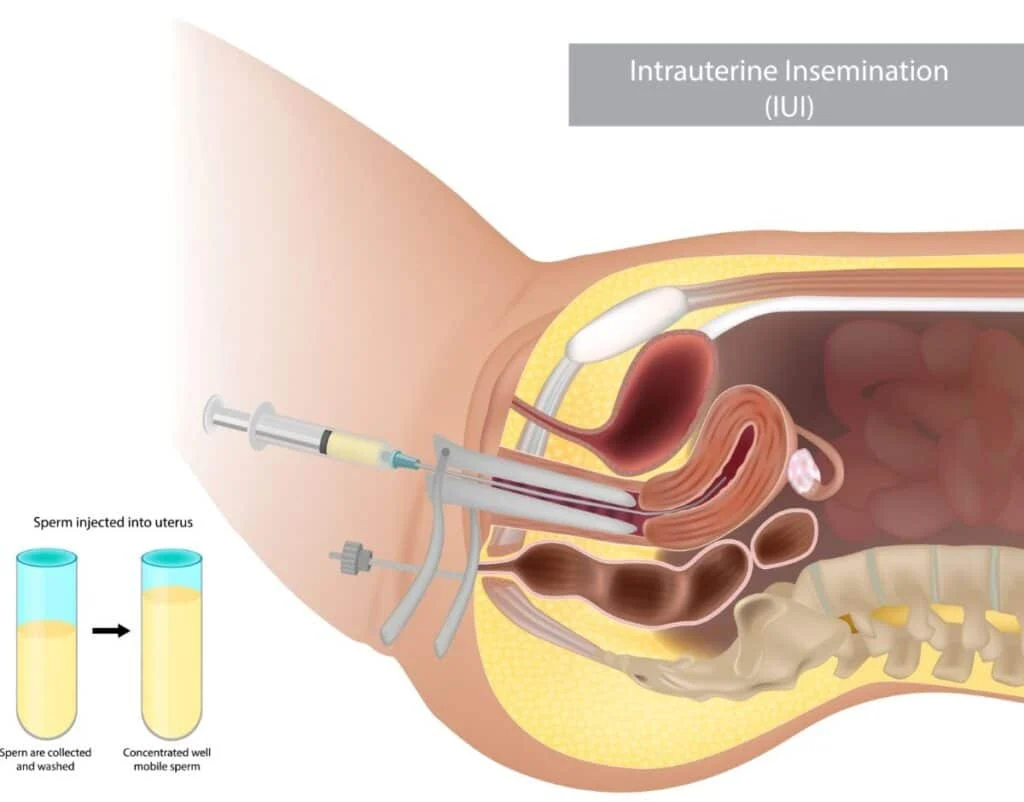
    Diagram illustrating intrauterine insemination (IUI) procedure with sperm injection into the uterus.

    From Struggle to Success: How Fertility Counseling Can Change Your Perspective

    Another significant aspect of fertility counseling is the opportunity to learn coping skills and strategies. Infertility can be a long and challenging journey, and it’s crucial to have effective ways to manage stress and anxiety. Fertility counselors can help clients develop coping mechanisms and tools to navigate the emotional rollercoaster that comes with infertility. These skills can also be applied to other areas of life, leading to overall improved emotional resilience.

    Fertility counseling can also provide a much-needed sense of support and connection. Struggling with infertility can feel isolating, as many individuals and couples may not feel comfortable discussing their struggles with friends and family. Fertility counselors offer a supportive and understanding environment where clients can feel heard and validated. Additionally, some fertility counselors may offer group therapy sessions, which can provide a sense of community and connection with others going through similar experiences.

    Ultimately, fertility counseling can change one’s perspective on infertility and the journey towards parenthood. Instead of viewing infertility as a defeat, counseling can help individuals and couples see it as a challenge to be overcome. Through the support and guidance of a fertility counselor, clients can gain a deeper understanding of themselves and their relationship, which can lead to more effective communication and a stronger bond. By addressing the emotional impact of infertility, individuals and couples can also find ways to make their journey more manageable and less overwhelming.

    In conclusion, struggling with infertility is a challenging and emotional experience. Fertility counseling offers a safe and supportive space for individuals and couples to process their emotions, learn coping skills, and gain a new perspective on their fertility journey. With the help of a fertility counselor, individuals and couples can overcome the emotional toll of infertility and find a path towards success and fulfillment.

    Summary:

    Infertility can be a difficult and emotional journey for individuals and couples. Fertility counseling offers a safe and non-judgmental space for clients to express their emotions and navigate the complex feelings that come with infertility. It provides an opportunity to process emotions, learn coping skills, and gain a new perspective on the fertility journey. Fertility counseling can also provide a sense of support and connection, ultimately leading to improved mental health and well-being. By addressing the emotional impact of infertility, individuals and couples can find a path towards success and fulfillment.

  • Single Motherhood: Celebrating the Strength of Single Mothers

    Blog Post:

    Single motherhood is a journey that is often met with challenges and struggles, but it is also a source of immense strength and resilience. As society continues to evolve and break away from traditional family structures, single motherhood has become more prevalent and celebrated. In this blog post, we will explore the many reasons to celebrate the strength of single mothers, from the sacrifices they make to the determination and perseverance they exhibit in raising their children.

    First and foremost, single mothers are the unsung heroes of society. They have the daunting task of taking on the roles of both parents, providing for their families financially, emotionally, and physically. This means working long hours, sometimes multiple jobs, and still finding time to be present for their children. Single mothers are constantly juggling responsibilities and making sacrifices for the well-being of their children, and this alone deserves recognition and celebration.

    One of the greatest strengths of single mothers is their resilience. They often face challenges such as financial struggles, societal stigma, and lack of support, but they still manage to persevere and provide the best for their children. In fact, studies have shown that single mothers are more likely to have a strong sense of self-efficacy and determination, as they have to rely solely on themselves to overcome obstacles. This resilience not only benefits the mother but also serves as a positive example for their children to follow.

    Moreover, single mothers are also incredibly resourceful. They have to navigate through life’s challenges with limited resources, whether it be time, money, or support. This forces them to think outside the box and come up with creative solutions to problems. Single mothers are often experts at budgeting, meal planning, and multitasking, skills that are essential in managing a household on their own. Their resourcefulness is not only admirable but also a valuable asset that their children can learn from.

    Single mothers also play an important role in shaping their children’s values and beliefs. As the sole parent, they have a significant influence on their children’s development and character. They are responsible for instilling important values such as resilience, independence, and empathy in their children. In fact, studies have shown that children raised by single mothers tend to be more resilient and self-reliant, as they have witnessed their mothers’ strength and determination firsthand.

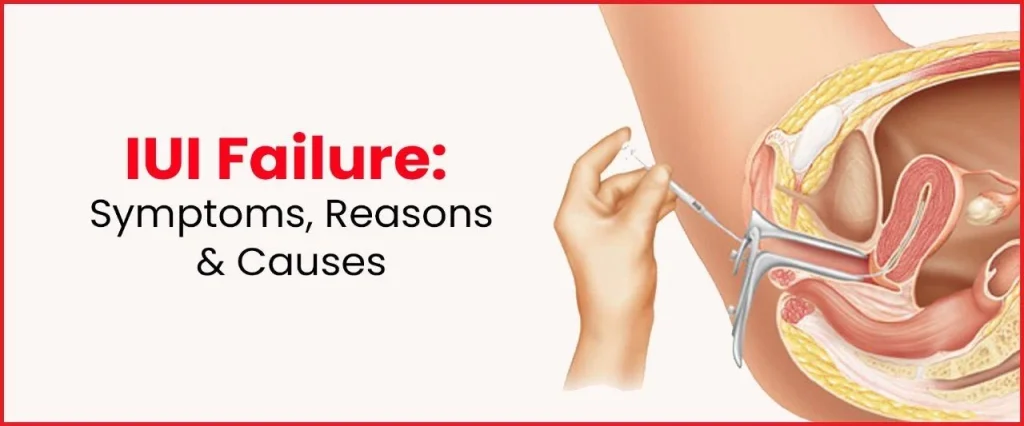
    illustration of IUI procedure with text on symptoms, reasons, and causes of IUI failure

    Single Motherhood: Celebrating the Strength of Single Mothers

    In addition, single mothers also serve as powerful role models for their children, especially their daughters. They show them that women can be strong, independent, and successful, regardless of their marital status. Single mothers break the stereotype that a woman needs a man to provide for her and her children, and instead, they show their children that they can rely on themselves and their own capabilities. This is a powerful message that can inspire young girls to be strong and independent women in the future.

    Furthermore, single mothers also teach their children the value of hard work and determination. They often have to work long hours and make sacrifices to provide for their families, and their children witness this firsthand. This teaches children the importance of hard work and perseverance in achieving their goals. Single mothers also show their children that success is possible even in the face of adversity, which is an important lesson for children to learn.

    It is also worth mentioning that single mothers are not alone in their journey. There is a strong community of single mothers who support and uplift each other. This community provides a safe space for single mothers to share their struggles, seek advice, and find support. This support system is crucial in helping single mothers navigate through the challenges of single parenthood and reminds them that they are not alone.

    In conclusion, single motherhood should be celebrated and admired for the incredible strength and resilience it entails. Single mothers are the unsung heroes of society, raising their children with love, determination, and resourcefulness. They serve as powerful role models for their children, teaching them important values and showing them that success is possible even in the face of adversity. Let us celebrate and honor the strength of single mothers, for they are truly remarkable individuals.

    Summary:

    In this blog post, we celebrate the strength of single mothers and the incredible journey they undertake. From making sacrifices to showcasing resilience and determination, single mothers are the unsung heroes of society. They serve as role models for their children, teaching them the value of hard work and independence. Despite the challenges they face, single mothers have a strong community of support, reminding them that they are not alone. Let us celebrate single motherhood and the remarkable strength it entails.

  • Single Motherhood: Choosing to Be a Parent on Your Own Terms

    Blog Post: Single Motherhood: Choosing to Be a Parent on Your Own Terms

    Motherhood is often seen as a traditional role that is fulfilled within the confines of marriage or a committed relationship. However, in recent years, there has been a rise in the number of single mothers, who have chosen to become parents on their own terms. These women have made a conscious decision to embark on the journey of motherhood without a partner, challenging societal norms and redefining what it means to be a family.

    The decision to become a single mother is not an easy one. It involves careful planning, financial stability, and emotional readiness. For many women, it is a choice that comes after years of contemplation, weighing the pros and cons, and ultimately deciding that motherhood is a path they want to pursue, regardless of their relationship status.

    One of the most common reasons for choosing single motherhood is the desire for a child. Many women have a strong maternal instinct and feel a deep longing to have a child of their own. However, they may not have found the right partner or may not want to wait for the perfect time to start a family. By choosing to become a single mother, they are taking control of their own destiny and fulfilling their dream of having a child.

    Another reason for choosing single motherhood is the desire for independence. Women today are more empowered and financially stable than ever before. They have successful careers, own homes, and have a strong support system of friends and family. For some women, becoming a single mother means not having to compromise on their dreams and goals. They can continue to pursue their passions while also raising a child on their own.

    For some women, becoming a single mother is a result of circumstances beyond their control. They may have gone through a divorce, lost their partner, or have not found the right partner yet. In these situations, single motherhood may not have been the original plan, but it becomes a necessity. These women are faced with the daunting task of raising a child alone, but they do so with strength and determination, creating a loving and stable environment for their child.

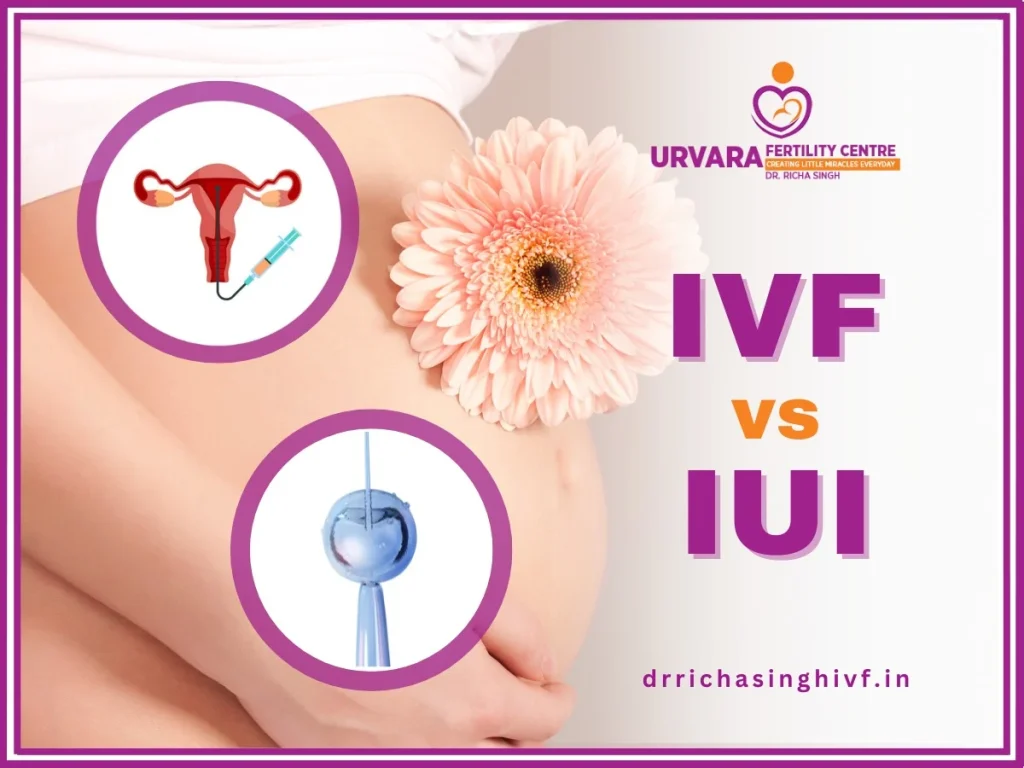
    IVF vs IUI comparison with illustrations of reproductive processes and a flower on a pregnant belly.

    Single Motherhood: Choosing to Be a Parent on Your Own Terms

    Choosing to become a single mother also means being a role model for the child. By making a conscious decision to become a parent on their own terms, these women are showing their child that it is possible to break away from societal norms and create a life that is fulfilling and meaningful. They are teaching their child the importance of independence, resilience, and self-worth.

    While the decision to become a single mother may be a personal one, it is not without its challenges. Raising a child alone means taking on all the responsibilities of parenthood – from financial support to emotional guidance. These women often have to balance work and parenting, and may not have the luxury of a co-parent to share the load. However, they develop a strong sense of resilience and determination as they navigate through the ups and downs of motherhood.

    Single motherhood also comes with its own set of stigma and judgment from society. Many people may question the ability of a single mother to provide a stable and loving environment for their child. However, these women prove time and again that they are more than capable of raising happy and well-adjusted children. They often form a strong support network with other single mothers, who understand and empathize with their struggles.

    In recent years, there has been a rise in support and resources for single mothers. From financial aid to emotional support groups, these women have a vast network of resources available to help them on their journey. Additionally, many countries now offer legal protections and rights for single mothers, ensuring that they have the same opportunities and benefits as traditional families.

    In conclusion, single motherhood is a choice that is made with careful consideration and a strong desire for motherhood. These women are breaking away from societal norms and choosing to become parents on their own terms. They are redefining what it means to be a family and are showing their children that love, determination, and independence are the foundations of a happy and fulfilling life. Single motherhood may not be the traditional path, but it is a valid and courageous choice that deserves respect and support from society.

    Summary:

    Single motherhood is a rising trend where women choose to become parents on their own terms, without a partner. It is a decision made after careful contemplation and a strong desire for motherhood. These women may choose single motherhood for various reasons, such as a desire for a child, independence, or due to circumstances beyond their control. They often face challenges but develop resilience and strength as they navigate through parenthood alone. Single motherhood also comes with its own set of stigma, but there is a growing support network and resources available for these women. Ultimately, single motherhood is a valid and courageous choice that is redefining what it means to be a family.

  • Single Mothers by Choice: Raising Independent and Empowered Children

    Single Mothers by Choice: Raising Independent and Empowered Children

    In today’s society, more and more women are choosing to become single mothers by choice. This decision is often met with judgment and scrutiny, but the reality is that these women are making a conscious and empowering choice to have a child on their own. While raising a child as a single mother may come with its own unique set of challenges, it also presents opportunities for children to grow up independent and empowered. In this blog post, we will explore the concept of single mothers by choice and how they are raising their children to be strong, self-sufficient individuals.

    What is a Single Mother by Choice?

    A single mother by choice is a woman who decides to have a child without a partner or without the involvement of the child’s father. This decision can be made for a variety of reasons, such as not finding the right partner, wanting to start a family on their own timeline, or simply feeling ready to become a mother without the need for a partner. This choice is often made after careful consideration and planning, and it is not a decision that is taken lightly.

    The Challenges of Single Motherhood

    Raising a child as a single mother can present many challenges, both emotionally and financially. Without a partner to share the responsibilities and financial burden, single mothers often have to take on multiple roles and work hard to provide for their child. They may also face societal stigma and criticism for their decision to become a single mother, which can be emotionally draining. However, despite these challenges, many single mothers by choice are thriving and raising happy, well-adjusted children.

    Empowering Children through Independence

    One of the biggest benefits of being raised by a single mother by choice is the opportunity for children to develop independence and self-sufficiency. From a young age, these children are taught to be self-reliant and take on responsibilities, such as helping with household chores and making decisions for themselves. They also witness their mothers working hard and taking charge of their own lives, which can serve as a powerful example for them to follow.

    Illustration of intrauterine insemination process, showing sperm collection and injection into the uterus.

    Single Mothers by Choice: Raising Independent and Empowered Children

    Single mothers by choice often have a strong support system in place, whether it be through family, friends, or other single mothers in similar situations. They also tend to have a strong sense of community and a network of resources to turn to for help when needed. This allows children to see the importance of building a strong support system and learning to rely on themselves and others when facing challenges.

    Instilling Values of Equality and Empowerment

    Another important aspect of single motherhood by choice is the opportunity for mothers to instill important values in their children. These values often include equality, respect, and empowerment. Single mothers by choice are breaking societal norms and traditional family structures, and in doing so, they are teaching their children the importance of acceptance and equality. They are also instilling a sense of empowerment in their children by showing them that they can achieve anything they set their minds to, regardless of their family structure or background.

    Raising Strong, Resilient Children

    Single mothers by choice often have to juggle multiple roles and responsibilities, which can be overwhelming at times. However, this also provides a valuable opportunity for children to witness their mother’s strength and resilience in the face of challenges. By seeing their mothers overcome obstacles and persevere, children learn the importance of resilience and determination. They also learn that it is possible to thrive and succeed in life, even when faced with difficult circumstances.

    Supporting Children’s Emotional Well-Being

    One common misconception about single mothers by choice is that their children will suffer emotionally without a father figure in their lives. However, this is not necessarily the case. Single mothers by choice often work hard to provide a stable and loving home for their children, and they are also more likely to seek out emotional support and therapy for their children when needed. By prioritizing their children’s emotional well-being, these mothers are able to provide a safe and nurturing environment for their children to grow and thrive.

    Summary:

    Single mothers by choice are women who make a conscious decision to have a child on their own, without the involvement of a partner. Despite the challenges that come with single motherhood, these women are raising independent and empowered children. Through instilling values of equality and empowerment, teaching resilience, and prioritizing their children’s emotional well-being, single mothers by choice are providing their children with a strong foundation for success in life.

  • Single Motherhood: A Journey of Love, Strength, and Resilience

    Single motherhood is a journey that is filled with love, strength, and resilience. It is a journey that challenges women to be the best version of themselves and to continuously push through the hardships that come with raising a child on their own. It is a journey that is often overlooked and underestimated, but it is one that deserves recognition and admiration.

    Becoming a single mother is not a choice that most women make willingly. It is often a result of unforeseen circumstances such as divorce, death of a partner, or a difficult relationship. It is a journey that begins with heartache and pain, but it is also a journey that leads to endless love and joy.

    The journey of single motherhood starts with a sense of fear and uncertainty. It is a daunting task to raise a child alone, and many women may feel overwhelmed and unsure of their abilities. However, as the journey unfolds, these fears are replaced with a fierce determination to provide the best life for their child. This determination is fueled by an unbreakable love for their child and the desire to protect and nurture them.

    One of the biggest challenges that single mothers face is the balancing act of being both a provider and a caregiver. Many single mothers have to work full-time jobs to support their family, while also taking care of their child’s needs. This constant juggling of responsibilities can be physically and emotionally draining, but single mothers do it with grace and strength.

    In addition to the demands of providing for their child, single mothers also have to navigate the emotional challenges of raising a child on their own. It can be difficult for a child to grow up without a father figure, and single mothers often take on the role of both parents. They have to be the disciplinarian, the comforter, and the teacher all at once. This can be a daunting task, but single mothers rise to the occasion and do their best to give their child a stable and loving upbringing.

    test tube with sperm in blue liquid, promoting IUI success rate and factors influencing fertility.

    Single Motherhood: A Journey of Love, Strength, and Resilience

    Despite the difficulties, single mothers are some of the strongest and most resilient individuals. They have to face societal stigma and judgment, but they continue to push through and show the world that they are capable and loving parents. They take on multiple roles with grace and determination, and their children are often their biggest source of motivation and inspiration.

    The journey of single motherhood is not without its rewards. It is a journey that teaches women how to be selfless, patient, and resilient. It is a journey that shows them the true meaning of unconditional love. Single mothers have a special bond with their children, and this bond only grows stronger as they navigate through life together. They create a home filled with love, laughter, and strength, and their children grow up to be compassionate and independent individuals.

    One of the most inspiring aspects of single motherhood is the support and community that exists among single mothers. They come together to share their experiences, offer advice and support, and create a sense of belonging. This community provides a safe space for single mothers to express their struggles, triumphs, and everything in between. It is a reminder that they are not alone on this journey and that there is strength in numbers.

    As the journey of single motherhood continues, the challenges may change, but the love, strength, and resilience remain constant. Single mothers continue to push through and overcome any obstacles that come their way. They show their children that no matter what life throws at them, they are capable of rising above it.

    In conclusion, single motherhood is a journey that deserves admiration and recognition. It is a journey that is filled with love, strength, and resilience. Single mothers are superheroes in their own right, and their journey is a testament to the power of love and determination. Through their struggles and triumphs, they show the world what it truly means to be a mother.

  • The Power of One: Single Mothers Taking Charge

    Blog Post: The Power of One: Single Mothers Taking Charge

    Being a mother is a challenging and rewarding experience, but being a single mother takes this to a whole new level. Single mothers are often viewed as strong, independent, and resilient individuals who are able to take on the world with their unwavering determination and love for their children. In recent years, there has been a significant increase in the number of single mothers, and with this, a rise in their influence and power in society. In this blog post, we will delve into the power of single mothers and how they are taking charge in all aspects of their lives.

    The rise of single mothers

    According to the U.S. Census Bureau, in 2019, there were approximately 11 million single-parent families in the United States, with single mothers making up the majority of these households. This number has been steadily increasing over the years, and it is estimated that by 2025, single mothers will make up a quarter of all households in the country. This rise can be attributed to various factors, including divorce, separation, and unplanned pregnancies. Whatever the reason may be, the reality is that there are more single mothers in our society today, and they are a force to be reckoned with.

    The challenges and struggles of single mothers

    Being a single mother comes with its fair share of challenges and struggles. From financial instability to societal stigma, single mothers face a myriad of obstacles on a daily basis. They often have to juggle multiple roles, such as being the sole provider for their children, the caregiver, and the disciplinarian. This can be overwhelming, both emotionally and physically. Additionally, single mothers may face discrimination in the workplace, making it difficult for them to advance in their careers and provide for their families. The stigma surrounding single motherhood can also lead to feelings of isolation and loneliness, as they may feel like they do not fit into the traditional family model.

    The power of single mothers

    illustration of the IUI process, showing sperm collection, preparation, and insertion into the uterus

    The Power of One: Single Mothers Taking Charge

    Despite the challenges they face, single mothers possess a unique power that sets them apart from others. They have an unmatched strength and resilience that comes from being solely responsible for their children’s well-being. This power is evident in their ability to overcome obstacles and provide for their families, often with limited resources. Single mothers are also excellent multitaskers, as they have to balance work, household responsibilities, and caring for their children, all at the same time. This level of organization and efficiency is a testament to their strength and determination.

    Taking charge in the workplace

    Single mothers are not only taking charge in their personal lives but also in the workplace. Many single mothers are the breadwinners for their families, and this has led to a shift in traditional gender roles. They are breaking barriers and excelling in various industries traditionally dominated by men. Single mothers are also more likely to start their own businesses, driven by their entrepreneurial spirit and the desire to provide for their families. They are proving that being a single mother does not limit their potential for success.

    Empowering their children

    One of the most significant powers of single mothers is their ability to empower their children. By taking charge and being a strong role model, they are teaching their children valuable lessons about resilience, determination, and hard work. Children of single mothers often grow up to be independent, strong-willed individuals who are not afraid to face challenges head-on. Single mothers also instill in their children the importance of equality and the ability to thrive in any situation, regardless of societal expectations.

    Support and community

    While single mothers may be strong and independent, they also rely on support and community to thrive. Many single mothers turn to support groups and online communities to connect with others who share similar experiences. These groups provide a sense of belonging and understanding, which can be crucial for single mothers who may feel isolated or overwhelmed. By coming together, single mothers are building a strong community that offers each other support, advice, and a sense of camaraderie.

    In summary, single mothers are a powerful force in society. They are taking charge in all aspects of their lives, from the workplace to their children’s upbringing. Despite the challenges they face, they possess an unwavering strength and resilience that allows them to overcome any obstacle. Single mothers are breaking stereotypes and redefining what it means to be a family. They are an inspiration to many and a true testament to the power of one.