Blog Post Title: A Comprehensive Guide to Choosing Between Artificial Insemination and IVF
Summary:
When it comes to starting a family, many couples may face challenges in conceiving naturally. This is where assisted reproductive techniques such as artificial insemination and in vitro fertilization (IVF) come into play. Both of these methods have been successful in helping couples achieve their dream of having a child, but it’s important to understand the differences between the two and which one may be the best option for you.
In this comprehensive guide, we will delve into the details of artificial insemination and IVF, including how they work, their success rates, pros and cons, and factors to consider when choosing between the two.
What is Artificial Insemination?
Artificial insemination (AI) is a fertility treatment that involves placing sperm directly into a woman’s reproductive tract. This can be done using either intrauterine insemination (IUI) or intracervical insemination (ICI). In IUI, sperm is placed directly into the uterus, while in ICI, sperm is placed near the cervix. Both methods are minimally invasive and do not require anesthesia.
How Does Artificial Insemination Work?
Before the procedure, the sperm is washed and prepared to increase its chances of fertilizing an egg. The insemination is usually timed to coincide with ovulation to increase the chances of conception. The sperm is then inserted into the woman’s reproductive tract using a thin catheter. The procedure is usually quick and painless, with little to no downtime.
Success Rates of Artificial Insemination
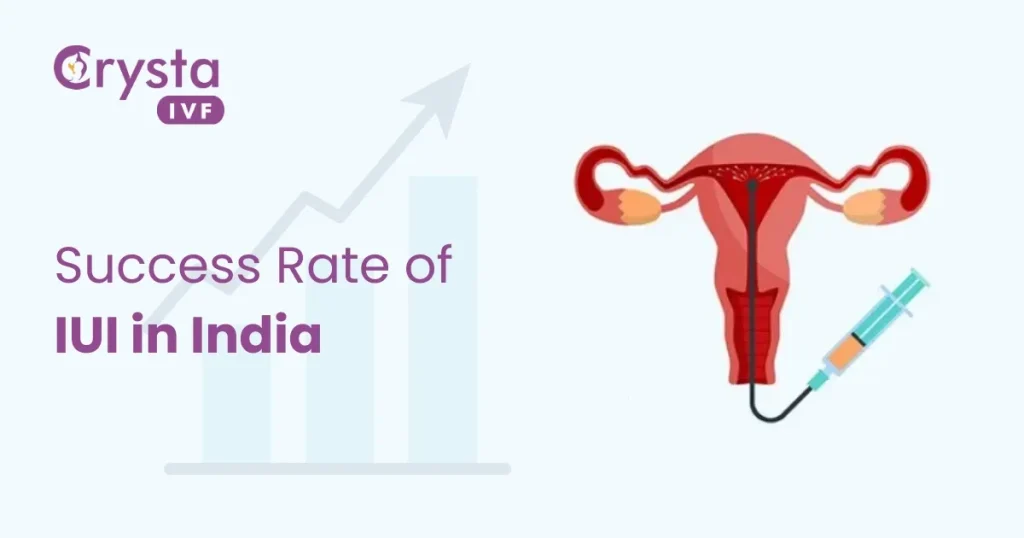
The success rates of artificial insemination depend on several factors, such as the age of the woman, the quality of the sperm, and the cause of infertility. On average, the success rate for IUI is around 10-20%, while ICI has a slightly lower success rate of 5-10%. However, these rates can vary greatly depending on individual circumstances.
Pros and Cons of Artificial Insemination
One of the main advantages of artificial insemination is that it is a less invasive and more affordable option compared to other fertility treatments like IVF. It also allows for the use of donor sperm, making it an option for single women and same-sex couples.
However, artificial insemination may not be as effective as other fertility treatments, and it may not be suitable for those with certain fertility issues such as blocked fallopian tubes or severe male factor infertility.
A Comprehensive Guide to Choosing Between Artificial Insemination and IVF
What is IVF?
In vitro fertilization (IVF) is a more complex and invasive fertility treatment that involves fertilizing an egg outside of the body and then transferring it into the woman’s uterus for implantation. It is the most commonly used fertility treatment and has helped many couples overcome infertility.
How Does IVF Work?
The IVF process begins with ovarian stimulation, where fertility medication is used to stimulate the ovaries to produce multiple eggs. The eggs are then retrieved and fertilized in a laboratory with sperm from the male partner or a donor. The resulting embryos are monitored for a few days before being transferred into the woman’s uterus. Any extra embryos can be frozen for future use.
Success Rates of IVF
The success rates of IVF can vary greatly, depending on factors such as the woman’s age, cause of infertility, and the number of embryos transferred. On average, the success rate for IVF is around 30%, with higher success rates for younger women.
Pros and Cons of IVF
IVF has a higher success rate compared to artificial insemination, making it a suitable option for those with more severe fertility issues. It also allows for genetic testing of embryos and the possibility of using donor eggs or sperm.
However, IVF is a more invasive and costly procedure, with higher risks of multiple pregnancies and potential physical and emotional side effects.
Factors to Consider When Choosing Between Artificial Insemination and IVF
Choosing between artificial insemination and IVF can be a difficult decision. It’s important to consider factors such as the cause of infertility, the age of the woman, and the couple’s preferences. For those with mild fertility issues and a limited budget, artificial insemination may be the best option. On the other hand, those with more severe infertility issues or who have been trying to conceive for a longer period may benefit more from IVF.
It’s also important to discuss with your doctor and fertility specialist to determine the best course of action for your individual situation.
In conclusion, both artificial insemination and IVF are effective fertility treatments that have helped many couples start a family. By understanding the differences between the two, their success rates, and considering individual circumstances, you can make an informed decision on which option is best for you.
Leave a Reply