Tag: assisted reproductive techniques

  • Fertility Testing for Men and Women: What Happens After You Get the Results?

    Blog Post: Fertility Testing for Men and Women: What Happens After You Get the Results?

    Fertility is a sensitive topic for many couples, and the decision to undergo fertility testing can be a daunting one. However, understanding the results of these tests is crucial in the journey towards parenthood. Both men and women can undergo fertility testing to determine the potential causes of their infertility. In this blog post, we will explore what happens after receiving the results of fertility testing, and what options are available for couples looking to start a family.

    Fertility Testing for Women:
    The first step for women is to undergo a comprehensive physical exam, which may include blood tests, imaging tests, and a pelvic exam. These tests can help identify any underlying medical conditions that may be affecting fertility, such as polycystic ovary syndrome (PCOS) or endometriosis. Additionally, a blood test can also measure hormone levels, which can provide valuable insight into the woman’s reproductive health.

    Another important test for women is the ovarian reserve test, which evaluates the number and quality of a woman’s eggs. This test can help determine the likelihood of a successful pregnancy and can also guide the best course of treatment. In some cases, a hysterosalpingogram (HSG) may also be recommended to check for any blockages in the fallopian tubes that could prevent fertilization.

    After receiving the results of these tests, a fertility specialist will review the findings and discuss the potential treatment options. These may include fertility medications, intrauterine insemination (IUI), or in vitro fertilization (IVF). The specialist will also discuss any lifestyle changes that may improve the chances of conception, such as quitting smoking, losing weight, or reducing stress.

    Fertility Testing for Men:
    For men, the primary test for fertility is a semen analysis. This test examines the quantity and quality of sperm, including factors such as sperm count, motility, and morphology. The results of this test can help identify any potential issues with sperm production, function, or delivery.

    If the semen analysis reveals any abnormalities, additional tests may be recommended to determine the underlying cause. These tests may include hormone level testing, genetic testing, or a physical exam to check for any anatomical issues. Depending on the results, the fertility specialist may recommend lifestyle changes, medications, or assisted reproductive techniques such as intrauterine insemination or in vitro fertilization.
    test tube with sperm in blue liquid, promoting IUI success rate and factors influencing fertility.

    Fertility Testing for Men and Women: What Happens After You Get the Results?

    Coping with the Results:
    Receiving the results of fertility testing can be an emotional experience for couples. It is essential to understand that infertility is a medical condition and not a reflection of one’s self-worth. If the results show that there are issues with fertility, it is crucial to seek support from loved ones, a therapist, or a support group.

    It is also essential to have open communication with your partner and healthcare team. The specialist can explain the results in detail and provide guidance on the next steps. They can also address any concerns or questions you may have about the results and the potential treatment options.

    Options for Treatment:
    Fortunately, there are various options available for couples struggling with fertility issues. Depending on the underlying cause, treatment may involve fertility medications, surgery, assisted reproductive techniques, or a combination of these methods.

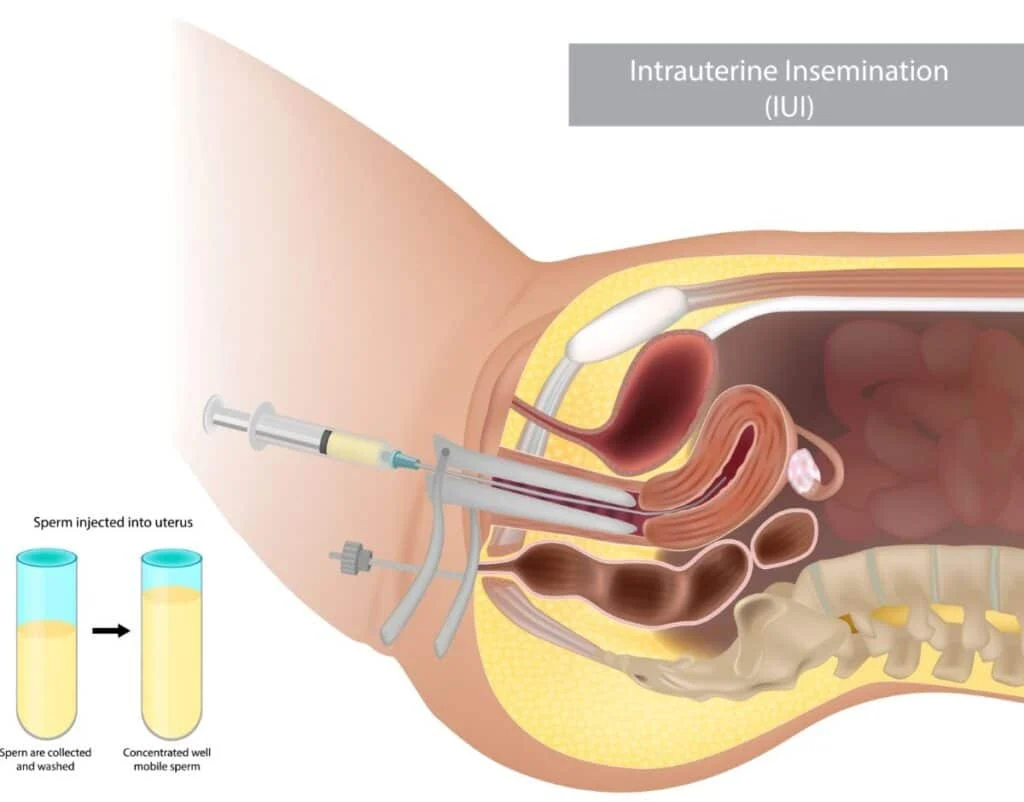
    Fertility medications are often used to stimulate ovulation or improve sperm production. Intrauterine insemination involves placing washed sperm directly into the uterus, increasing the chances of fertilization. In vitro fertilization is a more advanced technique that involves retrieving eggs from the ovaries and fertilizing them with sperm in a lab before transferring the embryos into the uterus.

    In some cases, surgery may be necessary to correct structural issues that are preventing pregnancy. This could include removing fibroids, repairing damaged fallopian tubes, or treating endometriosis.

    Summary:
    Fertility testing is an essential step for couples trying to conceive. For women, testing may include blood tests, imaging tests, and a pelvic exam to identify any underlying medical conditions. Men undergo a semen analysis to evaluate sperm quantity and quality. After receiving the results, a specialist will discuss potential treatment options, which may include medications, surgery, or assisted reproductive techniques. It is essential to have open communication with your partner and healthcare team and seek support if needed.

    In conclusion, fertility testing can provide valuable information and guide couples towards the best course of treatment. While receiving the results of these tests can be emotional, it is essential to remember that there are various options available for couples looking to start a family. With the support of loved ones and healthcare professionals, couples can navigate through this journey towards parenthood.
  • Intrauterine Insemination vs Donor Insemination: A Comparative Cost Analysis

    Title: Intrauterine Insemination vs Donor Insemination: A Comparative Cost Analysis

    Introduction:

    Deciding to start a family is a big step for any couple, and for some, conception may not come easily. In such cases, couples may turn to assisted reproductive techniques such as intrauterine insemination (IUI) or donor insemination (DI) to increase their chances of pregnancy. While both procedures have proven to be effective, they come with their own set of differences, including costs. In this blog post, we will delve into the details of IUI and DI to better understand their costs and help couples make an informed decision.

    What is Intrauterine Insemination (IUI)?
    IUI is a procedure in which sperm is placed directly into a woman’s uterus during ovulation, increasing the chances of fertilization. This method is often used for couples with unexplained infertility, mild male factor infertility, or cervical issues that may hinder sperm from reaching the egg.

    What is Donor Insemination (DI)?
    DI, on the other hand, involves using donor sperm from either a known or anonymous donor, which is inserted into the woman’s uterus during ovulation. This method is often used for same-sex couples, single women, or couples with severe male factor infertility.

    Cost Analysis:
    When it comes to costs, there are various factors to consider for both procedures, including consultations, medications, and the actual procedure itself.

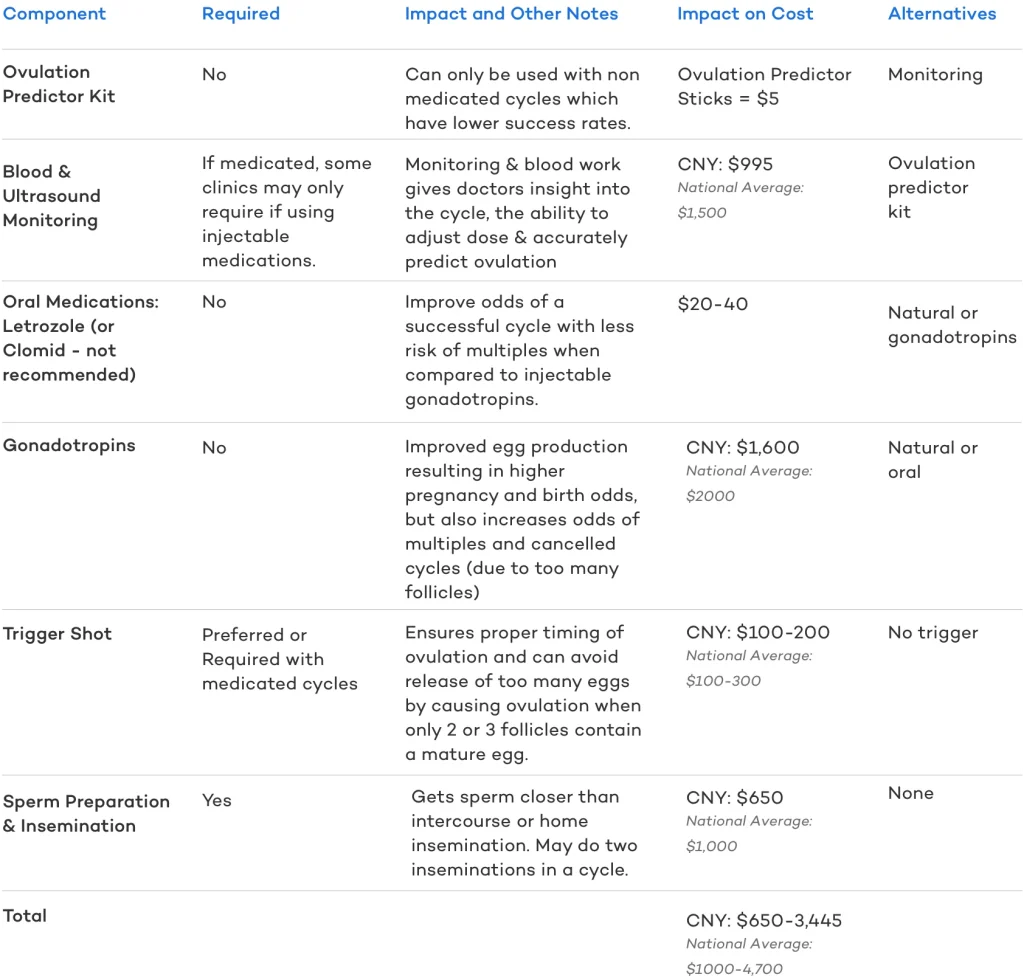
    Cost breakdown for IUI components, including requirements, impacts, and alternatives.

    Intrauterine Insemination vs Donor Insemination: A Comparative Cost Analysis

    Consultation Costs:
    Both IUI and DI require consultations with a fertility specialist to assess the couple’s medical history and determine the best course of action. These consultations can range from $200 to $500 per visit, and typically, multiple consultations may be needed before the procedure can be carried out.

    Medication Costs:
    Before IUI or DI, women are often prescribed fertility medications to stimulate ovulation and increase the chances of conception. The cost of these medications can vary significantly, but on average, they can range from $500 to $1,000 per cycle.

    Procedure Costs:
    The actual procedure costs differ for IUI and DI. IUI can cost anywhere from $300 to $1,000 per cycle, depending on factors such as the location, the clinic, and any additional services needed. On the other hand, DI can cost anywhere from $800 to $2,000 per cycle, as it involves purchasing donor sperm, which can be expensive.

    Success Rates:
    When considering costs, it’s essential to also take into account the success rates of both procedures. The success rates for IUI and DI vary, depending on various factors such as age, cause of infertility, and the number of cycles undergone.

    IUI has a success rate of 10-20% per cycle, with the chances increasing after multiple attempts. DI, on the other hand, has a higher success rate of 20-30% per cycle, as it involves using donor sperm that has been screened for quality and fertility.

    Insurance Coverage:
    Another crucial factor to consider is insurance coverage. While some insurance plans may cover a portion of the costs for fertility treatments, the coverage may differ for IUI and DI. Some insurance plans may cover the cost of IUI as it is less expensive compared to DI. However, it’s essential to check with your insurance provider to understand the extent of coverage for both procedures.

    Summary:
    In conclusion, both intrauterine insemination and donor insemination are effective assisted reproductive techniques that can help couples struggling with infertility to conceive. However, they come with different costs, with IUI being the more affordable option. It’s also essential to consider factors such as success rates and insurance coverage before making a decision.

  • The Role of Hormones: IUI vs DI

    The Role of Hormones: IUI vs DI

    Hormones play a crucial role in fertility and pregnancy, and they can also affect the success rates of assisted reproductive techniques such as intrauterine insemination (IUI) and donor insemination (DI). In this blog post, we will explore the role of hormones in IUI and DI and how they impact the success of these procedures.

    IUI, also known as artificial insemination, is a fertility treatment where sperm is placed directly into a woman’s uterus during ovulation. This increases the chances of fertilization by bringing the sperm closer to the egg. On the other hand, DI involves using donor sperm to fertilize the woman’s egg, either through intrauterine insemination or in vitro fertilization (IVF).

    One of the key hormones involved in both IUI and DI is follicle-stimulating hormone (FSH). This hormone is responsible for stimulating the growth and development of follicles in the ovaries, which contain the woman’s eggs. In IUI, FSH levels are closely monitored to ensure that the woman is producing enough follicles for a successful procedure. If FSH levels are too low, medications may be prescribed to stimulate follicle growth. In DI, FSH levels are also monitored, but the focus is on determining the best time for insemination to occur.

    Another important hormone in IUI and DI is luteinizing hormone (LH). This hormone triggers ovulation, the release of the egg from the follicle. In IUI, LH levels are monitored to determine the best time for insemination to occur. If LH levels are too low, a trigger shot may be given to induce ovulation. In DI, LH levels are also monitored, but the focus is on determining the best time for insemination to occur after the donor sperm has been prepared.

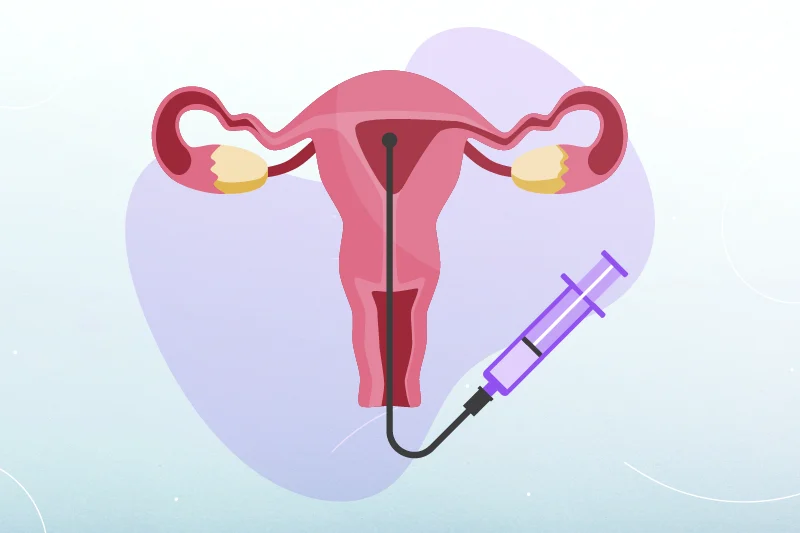
    Illustration of the uterus with a syringe, depicting the intrauterine insemination procedure.

    The Role of Hormones: IUI vs DI

    Progesterone is another hormone that plays a significant role in IUI and DI. This hormone is responsible for thickening the lining of the uterus, preparing it for implantation of a fertilized egg. In IUI, progesterone levels are monitored to ensure that the lining is thick enough for implantation to occur. If progesterone levels are too low, supplements may be prescribed to improve the chances of success. In DI, progesterone levels are also monitored to determine the best time for insemination to occur, as the lining needs to be thick enough to support implantation.

    In addition to these hormones, estrogen and testosterone also play important roles in IUI and DI. Estrogen helps to thicken the lining of the uterus and prepare the cervix for sperm to pass through. In IUI, estrogen levels are monitored to ensure that the lining is thick enough and the cervix is open enough for insemination to occur. Testosterone, on the other hand, plays a role in sperm production and quality. In DI, testosterone levels are monitored to ensure that the donor sperm is of good quality and has the best chance of fertilizing the egg.

    So, how do these hormones impact the success rates of IUI and DI? Studies have shown that higher FSH levels, indicating better follicle development, are associated with higher pregnancy rates in both IUI and DI. LH levels that are too low or too high can also negatively affect the success of these procedures. In terms of progesterone, a thicker uterine lining has been linked to higher pregnancy rates in IUI, while lower levels of progesterone are associated with a lower chance of success in DI. Similarly, higher levels of estrogen and testosterone have been shown to improve the chances of success in both IUI and DI.

    In conclusion, hormones play a crucial role in the success of IUI and DI. FSH, LH, progesterone, estrogen, and testosterone all work together to prepare the woman’s body for pregnancy and increase the chances of fertilization and implantation. Monitoring and balancing these hormones is essential for the success of these assisted reproductive techniques.

    In summary, hormones play a crucial role in IUI and DI, assisting in follicle development, ovulation, and preparing the uterus for implantation. FSH, LH, progesterone, estrogen, and testosterone all have a significant impact on the success rates of these procedures. Monitoring and balancing these hormones is crucial for increasing the chances of pregnancy and fertility success.

  • The Role of Genetics: IUI vs DI

    Blog Post:

    Genetics play a crucial role in the conception of a child. In today’s modern world, there are various assisted reproductive techniques available for couples struggling with infertility. Two common methods are Intrauterine Insemination (IUI) and Donor Insemination (DI). While both methods involve the use of donor sperm, the difference lies in the source of the sperm. IUI uses the sperm from the male partner, while DI involves the use of donor sperm from a third-party. In this blog post, we will discuss the role of genetics in IUI and DI, and how they differ from each other.

    The Role of Genetics in IUI:

    In IUI, the male partner’s sperm is collected and washed to remove any impurities or dead sperm. Then, it is inserted directly into the woman’s uterus during her ovulation period. The goal of IUI is to increase the chances of fertilization by placing the sperm closer to the egg. This method is commonly used for couples with male factor infertility, low sperm count, or unexplained infertility.

    In IUI, the genetic makeup of the child is solely determined by the male partner’s sperm. This means that the child will have a biological connection to the father. However, there is still a possibility of inheriting genetic disorders or diseases from the father’s sperm. This is why it is crucial for couples to go through genetic testing before proceeding with IUI to ensure that there are no underlying genetic issues that could be passed on to the child.

    The Role of Genetics in DI:

    In DI, the sperm is obtained from a donor and is used to fertilize the woman’s egg through artificial insemination. This method is commonly used for same-sex female couples, single women, or couples with severe male factor infertility.

    Unlike IUI, the genetic makeup of the child in DI is determined by the donor’s sperm. This means that the child will not have any biological connection to the father. However, it is essential to note that the donor’s genetic history and health are thoroughly screened to ensure that there are no hereditary diseases or disorders that could be passed on to the child.

    The Difference in Genetic Risks:

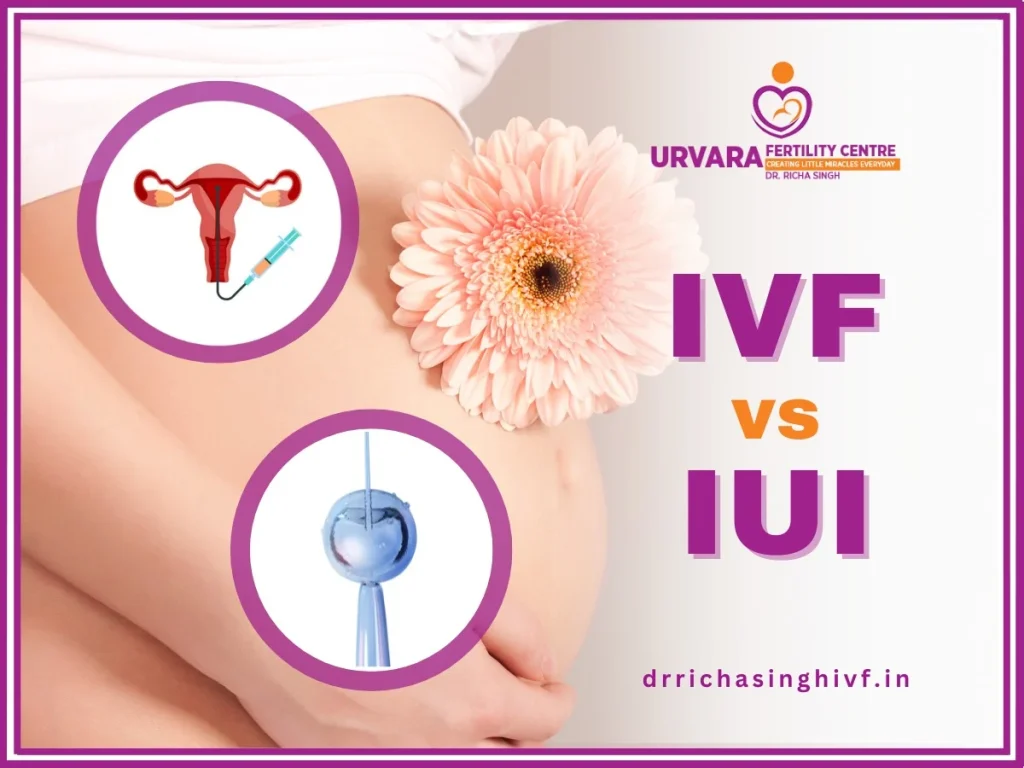
    IVF vs IUI comparison with illustrations of reproductive processes and a flower on a pregnant belly.

    The Role of Genetics: IUI vs DI

    While both IUI and DI involve the use of donor sperm, the genetic risks differ between the two methods. In IUI, the child may inherit genetic disorders or diseases from the male partner, while in DI, the child may inherit genetic issues from the donor. However, it is worth mentioning that the risks in both methods are relatively low due to the rigorous screening process that donors and male partners go through.

    The Importance of Genetic Testing:

    As mentioned earlier, genetic testing is crucial for both IUI and DI to ensure the health and well-being of the child. In IUI, it is essential to test the male partner to rule out any underlying genetic issues that could be passed on to the child. In DI, both the donor and the recipient are required to undergo genetic testing to ensure that there are no hereditary diseases or disorders that could be inherited by the child.

    Genetic testing also allows couples to make informed decisions about their reproductive options. If the male partner or donor has a genetic disorder that could potentially be passed on to the child, couples can explore other options such as using donor eggs or pursuing adoption.

    The Emotional Aspect:

    The decision to pursue IUI or DI can be emotionally challenging for couples. In IUI, the child will have a biological connection to the father, while in DI, there will be no biological connection. This can be a sensitive topic for couples, and it is essential to have open and honest communication about their feelings and expectations.

    Moreover, in DI, the child may have questions about their biological father and their genetic makeup. This is why it is crucial for couples to consider how they will handle these questions and prepare for them in advance.

    In conclusion, genetics play a significant role in the conception of a child through assisted reproductive techniques such as IUI and DI. While both methods involve the use of donor sperm, the difference lies in the source of the sperm and the genetic risks associated with each method. It is crucial for couples to undergo genetic testing and have open communication about their options to make informed decisions about their reproductive journey.

    Summary:

    The role of genetics is crucial in assisted reproductive techniques, such as Intrauterine Insemination (IUI) and Donor Insemination (DI). While IUI uses the male partner’s sperm, DI involves the use of donor sperm. In IUI, the child will have a biological connection to the father, while in DI, there will be no genetic connection to the donor. It is essential for couples to undergo genetic testing and have open communication about their options to make informed decisions about their reproductive journey.

  • A Closer Look at Intrauterine Insemination vs Donor Insemination Success Rates

    A Closer Look at Intrauterine Insemination vs Donor Insemination Success Rates

    The journey to parenthood can be a challenging and emotional one, especially for couples struggling with infertility. Fortunately, advances in medical technology have opened up new possibilities for couples to start a family, including assisted reproductive techniques like intrauterine insemination (IUI) and donor insemination (DI). But with so many options available, it can be overwhelming and confusing to understand the success rates and differences between these two procedures. In this blog post, we will take a closer look at IUI vs DI success rates to help couples make informed decisions about their fertility journey.

    What is Intrauterine Insemination?

    Intrauterine insemination, also known as artificial insemination, is a fertility treatment that involves placing sperm directly into a woman’s uterus to increase the chances of fertilization. The process begins with the collection of sperm from either the male partner or a sperm donor. The sperm is then washed and concentrated to increase its quality and placed into a catheter. The catheter is then inserted into the woman’s cervix and the sperm is released into the uterus, closer to the fallopian tubes where fertilization occurs.

    What is Donor Insemination?

    Donor insemination, on the other hand, involves the use of donated sperm from a known or anonymous donor. The process is similar to IUI, where the sperm is washed and prepared before being placed into the woman’s uterus. However, the main difference is that the sperm comes from a donor rather than the male partner. Donor insemination is often recommended for couples with male factor infertility, same-sex couples, and single women who wish to conceive.

    Success Rates of IUI vs DI

    The success rates of IUI and DI can vary depending on various factors, including age, cause of infertility, and the quality of sperm or donor sperm used. According to the American Society for Reproductive Medicine, the average success rate for IUI is around 10-20% per cycle for couples with unexplained infertility, while the success rate for DI is slightly higher at 15-20% per cycle. However, it is important to note that these success rates can vary significantly between clinics and individual cases.

    Illustration of the uterus with a syringe, depicting the intrauterine insemination procedure.

    A Closer Look at Intrauterine Insemination vs Donor Insemination Success Rates

    Factors Affecting Success Rates

    As mentioned, there are several factors that can affect the success rates of IUI and DI. Age is one of the most significant factors, as the success rates of both procedures decrease with age. Women over the age of 35 have a lower chance of success with IUI and DI, compared to younger women. Additionally, the cause of infertility can also play a role in success rates. For instance, couples with male factor infertility may have a lower success rate with IUI compared to couples with unexplained infertility.

    The quality of sperm or donor sperm is also a crucial factor in determining the success rates of IUI and DI. Sperm that is healthy, motile, and has a high concentration has a better chance of fertilization. Therefore, it is essential to undergo proper testing and preparation of sperm before the procedure to increase the chances of success.

    Benefits of IUI and DI

    Both IUI and DI have their own benefits and can be suitable for different couples and situations. One of the main benefits of IUI is that it can be used as a first-line treatment for couples with unexplained infertility. It is a less invasive and less expensive option compared to other assisted reproductive techniques like in vitro fertilization (IVF). IUI also allows for the use of the male partner’s sperm, making the experience more personal and intimate for the couple.

    On the other hand, DI can be a more viable option for couples with male factor infertility, same-sex couples, and single women. It also allows for the use of donor sperm, which may be necessary for couples where the male partner has a genetic or hereditary condition that they do not want to pass down to their child. DI also provides the opportunity for couples to choose the physical and personal characteristics of the sperm donor, giving them more control over the traits of their future child.

    In Conclusion

    In summary, IUI and DI are two different assisted reproductive techniques that can help couples struggling with infertility to conceive. While both procedures have similar success rates, there are various factors that can affect these rates. It is essential for couples to consult with a fertility specialist to determine the best course of action for their specific situation. With the right guidance and support, couples can make informed decisions about their fertility journey and increase their chances of a successful pregnancy and childbirth.

  • The Cost Comparison: At-Home Insemination Kits vs. Medical Supplies

    The Cost Comparison: At-Home Insemination Kits vs. Medical Supplies

    When it comes to trying to conceive, many couples turn to at-home insemination as a more affordable and convenient option compared to medical procedures. At-home insemination involves using a kit or medical supplies to perform the insemination process in the comfort of one’s own home. However, with the rising popularity of at-home insemination, there is a debate on whether it is truly a cost-effective choice compared to using medical supplies. In this blog post, we will delve into the cost comparison between at-home insemination kits and medical supplies to help couples make an informed decision on which option is best for them.

    At-Home Insemination Kits

    At-home insemination kits are designed to simplify the process of insemination for couples trying to conceive. These kits typically include a syringe, a specimen collection cup, and sometimes a cervical cap or cervical cap applicator. The overall cost of at-home insemination kits can range from $45 to $100, depending on the brand and the number of kits included in the package.

    Pros of At-Home Insemination Kits

    One of the main advantages of at-home insemination kits is their convenience. These kits can be purchased online or in stores, making it easily accessible for couples. They also come with clear instructions and are designed for ease of use, making it a simple process to follow. Additionally, at-home insemination kits are discreet and can be used in the privacy of one’s own home, eliminating any potential embarrassment or discomfort that may come with seeking medical assistance.

    Cons of At-Home Insemination Kits

    While at-home insemination kits may seem like a cost-effective option, there are some downsides to consider. Firstly, these kits do not come with the necessary medical equipment and supplies that a medical facility would have. This means that the success rate may not be as high as with medical procedures. Secondly, at-home insemination kits do not have the same level of medical supervision and expertise that a medical facility would provide, which could result in potential risks and complications. Lastly, the cost of at-home insemination kits can add up over time, especially if multiple attempts are needed before conception occurs.

    Medical Supplies

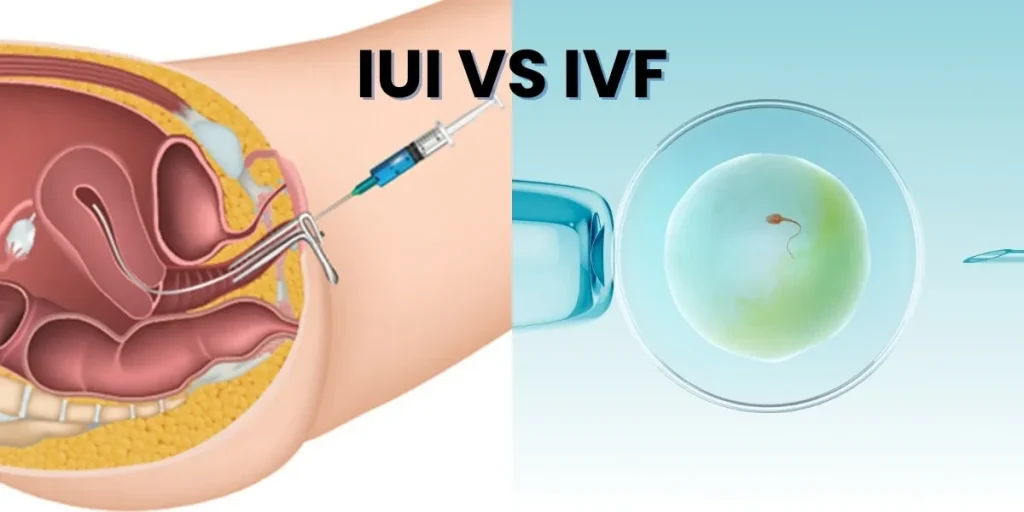
    comparison of IUI and IVF fertility treatments with illustrations of procedures and a petri dish with an egg and sperm

    The Cost Comparison: At-Home Insemination Kits vs. Medical Supplies

    Medical supplies used in assisted reproductive techniques, such as intrauterine insemination (IUI) and in vitro fertilization (IVF), are specialized and sterile tools that are essential for successful conception. These include sperm collection and processing equipment, catheters, and medications. The overall cost of medical supplies can vary greatly depending on the specific procedure and the medical facility, but it can range from hundreds to thousands of dollars.

    Pros of Medical Supplies

    The primary advantage of using medical supplies is that they are used under the supervision of a medical professional, providing a higher success rate for conception. These supplies are also specialized and designed specifically for assisted reproductive techniques, making them more effective compared to at-home insemination kits. Additionally, medical facilities have the necessary equipment and expertise to ensure the process is done safely and correctly, minimizing the risk of complications.

    Cons of Medical Supplies

    The most significant drawback of using medical supplies is the high cost. The expenses of assisted reproductive techniques can quickly add up, making it unaffordable for many couples. It also requires multiple visits to the medical facility, which can be time-consuming and inconvenient for some individuals. Another factor to consider is the emotional toll that may come with undergoing medical procedures, as they can be physically and mentally draining.

    Cost Comparison

    When comparing the costs of at-home insemination kits and medical supplies, it is essential to consider the success rates and other factors such as convenience, privacy, and potential risks. While at-home insemination kits may seem more affordable upfront, they may not have the same success rate as using medical supplies under the supervision of a medical professional. This could result in multiple attempts and ultimately, a higher cost in the long run. On the other hand, medical supplies may have a higher success rate, but they come with a significant financial burden and potential emotional toll.

    Ultimately, the cost comparison between at-home insemination kits and medical supplies will vary for each couple based on their individual needs and circumstances. It is essential to carefully consider all factors and discuss with a healthcare provider to determine which option is best for you and your partner.

    Summary:

    At-home insemination kits and medical supplies are two options for couples trying to conceive. At-home insemination kits are convenient and discreet, but they do not have the same success rate and medical supervision as medical supplies, which can be costly and emotionally draining. When comparing the costs of these two options, it is crucial to consider factors such as success rate, convenience, privacy, and potential risks. Ultimately, the decision will vary for each couple, and it is best to discuss with a healthcare provider to determine the best option.

  • Fertility Nutrition and IVF: How Diet Can Support Assisted Reproductive Techniques

    Blog Post Title: Fertility Nutrition and IVF: How Diet Can Support Assisted Reproductive Techniques

    In recent years, there has been a significant increase in the number of couples turning to assisted reproductive techniques, such as in-vitro fertilization (IVF), to help them conceive. While IVF has proven to be a successful method for many, it is not without its challenges and limitations. However, there is growing evidence that suggests proper nutrition and diet can play a crucial role in supporting the success of IVF and other assisted reproductive techniques. In this blog post, we will explore the connection between fertility nutrition and IVF and how making dietary changes can improve the chances of success for couples undergoing these procedures.

    The Impact of Diet on Fertility

    Before delving into the specifics of fertility nutrition and IVF, it is important to understand the impact of diet on fertility in general. Studies have shown that a well-balanced and nutritious diet can improve the overall reproductive health of both men and women. On the other hand, a poor diet can lead to hormonal imbalances, decreased sperm quality, and irregular ovulation, which can all hinder the chances of conception.

    For women, maintaining a healthy weight is crucial for fertility. Being underweight or overweight can affect hormone production and menstrual cycles, making it difficult to conceive. Additionally, certain nutrients such as folic acid, iron, and Vitamin D are essential for maintaining a healthy reproductive system.

    For men, a diet rich in antioxidants, zinc, and folate can improve sperm quality and motility. A diet high in processed foods, alcohol, and caffeine, on the other hand, can negatively impact sperm count and quality.

    Fertility Nutrition and IVF

    IVF is a complex and costly procedure, and couples who undergo this process often want to do everything in their power to increase their chances of success. While there are many factors that can affect the outcome of IVF, nutrition and diet have been identified as key players in supporting the process.

    One study found that following a Mediterranean-style diet, which is rich in fruits, vegetables, whole grains, and healthy fats, can improve the chances of pregnancy in women undergoing IVF. The study also showed that women who followed this diet were more likely to have successful pregnancies and deliver healthy babies.

    diagram of the female reproductive system with an IUI syringe and test tube for artificial insemination

    Fertility Nutrition and IVF: How Diet Can Support Assisted Reproductive Techniques

    The reason behind the positive impact of a Mediterranean-style diet on IVF success is due to the high levels of antioxidants and anti-inflammatory compounds found in these foods. These nutrients can help reduce oxidative stress in the body, which has been linked to infertility and pregnancy complications.

    Another study found that increasing protein intake, specifically from plant-based sources, can improve the quality of embryos and increase the chances of implantation during IVF. This is because plant-based proteins contain important amino acids and antioxidants that can support healthy egg development and fertilization.

    In addition to specific foods, it is also important to pay attention to overall calorie intake and weight management during IVF. Studies have shown that being either underweight or overweight can affect the success of IVF and increase the risk of pregnancy complications. Working with a registered dietitian or nutritionist can help couples undergoing IVF create a personalized meal plan that supports their specific needs and goals.

    Other Ways Diet Can Support IVF

    Aside from improving the chances of success during IVF, nutrition and diet can also play a role in preparing the body for the procedure. Just like any other medical procedure, preparing for IVF involves taking care of one’s overall health and well-being.

    Including plenty of fruits and vegetables in the diet can help boost the immune system and reduce inflammation in the body, which can improve the chances of a successful IVF procedure. Consuming healthy fats, such as those found in avocados, nuts, and olive oil, can also help balance hormones and support healthy egg development.

    In addition to food choices, certain lifestyle factors can also impact fertility and the success of IVF. These include smoking, alcohol consumption, and stress levels. Quitting smoking and reducing alcohol intake can improve sperm quality, while managing stress through relaxation techniques, exercise, and a healthy diet can support hormonal balance and improve overall well-being.

    Summary:

    In conclusion, fertility nutrition plays a crucial role in supporting assisted reproductive techniques such as IVF. A well-balanced and nutritious diet can improve the overall reproductive health of both men and women, increasing the chances of a successful IVF procedure. Specifically, a Mediterranean-style diet, increased plant-based protein intake, and weight management have been linked to improved IVF outcomes. Additionally, making healthy food choices and managing lifestyle factors can also prepare the body for IVF and support overall fertility.

  • Navigating the Fertility Journey: Intrauterine Insemination vs Low-Tech IVF

    Navigating the Fertility Journey: Intrauterine Insemination vs Low-Tech IVF

    The journey towards building a family can be a challenging one, especially for couples struggling with fertility issues. With advancements in medical technology, there are now various assisted reproductive techniques available to help couples conceive. Two commonly used methods are intrauterine insemination (IUI) and low-tech in vitro fertilization (IVF). In this blog post, we will explore the differences between these two techniques and discuss their pros and cons, to help you make an informed decision in navigating your fertility journey.

    What is Intrauterine Insemination (IUI)?

    Intrauterine insemination, also known as artificial insemination, is a fertility treatment where sperm is placed directly into a woman’s uterus during her ovulation period. It is a low-tech and less invasive procedure compared to other fertility treatments. IUI is often used when a woman has difficulty conceiving due to issues with the quality or quantity of her partner’s sperm, or when there is an unexplained fertility issue.

    The procedure for IUI involves collecting a semen sample from the male partner or a donor. The sample is then washed and prepared in a lab to separate the healthy and motile sperm from the semen. The prepared sperm is then inserted directly into the woman’s uterus using a thin catheter. This process is timed to coincide with the woman’s ovulation period to increase the chances of conception.

    Pros of Intrauterine Insemination

    1. Cost-effective: IUI is a relatively low-cost fertility treatment compared to other options, making it a more accessible option for couples on a budget.

    2. Non-invasive: The procedure for IUI is minimally invasive and does not require any anesthesia, making it a less stressful and more comfortable experience for the woman.

    3. Shorter treatment time: Unlike IVF, which requires multiple injections and monitoring, IUI only involves a few appointments, making it a shorter treatment process.

    4. Natural conception: IUI allows for natural conception as the sperm is placed directly into the uterus, increasing the chances of fertilization.

    Cons of Intrauterine Insemination

    1. Lower success rates: The success rates for IUI are lower compared to IVF. This is because the sperm still has to swim through the uterus and into the fallopian tubes to reach the egg, which can be a barrier for some couples.

    2. Potential for multiple pregnancies: In some cases, IUI can result in multiple pregnancies, which can be a risk for both the mother and the babies.

    3. Requires a healthy uterus and fallopian tubes: For IUI to be successful, the woman must have a healthy uterus and fallopian tubes. If there are any blockages or issues, the sperm may not be able to reach the egg, reducing the chances of conception.

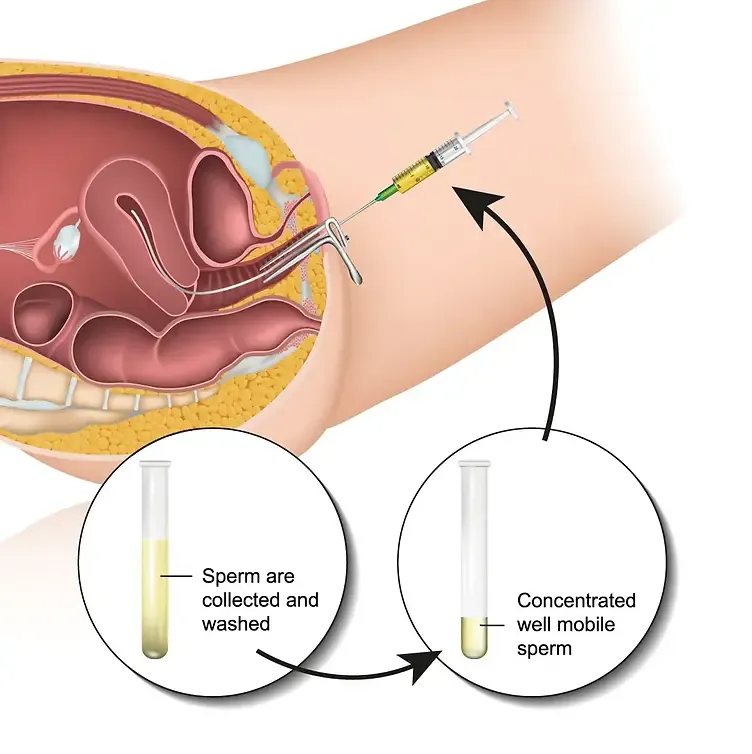
    Illustration of intrauterine insemination process, showing sperm collection and injection into the uterus.

    Navigating the Fertility Journey: Intrauterine Insemination vs Low-Tech IVF

    What is Low-Tech In Vitro Fertilization (IVF)?

    In vitro fertilization, commonly known as IVF, is a more advanced fertility treatment that involves fertilizing an egg with sperm outside of the body in a laboratory. The fertilized egg, or embryo, is then transferred into the woman’s uterus, where it can hopefully implant and result in a pregnancy.

    The process for low-tech IVF is similar to traditional IVF, but with fewer medications and injections. The woman’s natural cycle is closely monitored, and a single egg is collected and fertilized with the partner’s sperm in a lab. The resulting embryo is then transferred into the uterus during the woman’s natural ovulation period.

    Pros of Low-Tech IVF

    1. Higher success rates: IVF has higher success rates compared to IUI, making it a more attractive option for couples struggling with fertility issues.

    2. Suitable for various fertility issues: IVF can be used for a variety of fertility issues, including blocked fallopian tubes, endometriosis, and male factor infertility.

    3. Genetic testing: With IVF, it is possible to perform genetic testing on the embryos before implantation, reducing the chances of passing on genetic disorders to the child.

    Cons of Low-Tech IVF

    1. More expensive: IVF is a more expensive fertility treatment compared to IUI, making it a less accessible option for some couples.

    2. Invasive: The process of egg retrieval for IVF involves minor surgery and anesthesia, which can be more invasive and stressful for the woman.

    3. Higher risk of multiple pregnancies: As multiple embryos are often transferred during IVF, there is a higher risk of multiple pregnancies, which can be a concern for some couples.

    Navigating Your Fertility Journey

    In conclusion, both IUI and low-tech IVF are viable options for couples struggling with fertility issues. While IUI may be a more cost-effective and less invasive option, IVF has higher success rates and is suitable for a wider range of fertility issues. It is essential to consult with a fertility specialist to determine which option is best for you and your partner, based on your specific circumstances and needs.

    No matter which option you choose, it is essential to have a supportive network of friends and family and to take care of your physical and emotional well-being throughout the process. Remember to communicate openly with your partner and healthcare team, and stay positive and hopeful on your journey towards building a family.

    SEO Metadata:

  • Intrauterine Insemination vs Low-Tech IVF: Debunking Common Myths

    Intrauterine insemination (IUI) and low-tech in vitro fertilization (IVF) are two commonly used assisted reproductive techniques (ART) for couples struggling with infertility. However, there are many myths and misconceptions surrounding these procedures that can cause confusion and anxiety for those considering them. In this blog post, we will debunk some of the most common myths surrounding IUI and low-tech IVF to help couples make informed decisions about their fertility treatment options.

    Myth #1: IUI is the same as IVF
    One of the most common misconceptions about IUI and IVF is that they are interchangeable procedures. In reality, they are two distinct techniques with different success rates and methods. IUI involves the insertion of sperm into the uterus during the ovulation period, while low-tech IVF involves the retrieval and fertilization of eggs outside of the body before transferring them into the uterus. While both procedures involve assisted fertilization, they have different success rates and are recommended for different reasons.

    Myth #2: IUI and low-tech IVF are only for couples with severe infertility
    Many couples assume that IUI and low-tech IVF are only for those with severe infertility issues. However, these procedures can also be used for couples with mild to moderate fertility problems, such as ovulation disorders or low sperm count. In fact, IUI and low-tech IVF are often the first-line treatments for couples struggling with fertility.

    Myth #3: IUI and low-tech IVF are painful and invasive
    Another common myth surrounding IUI and low-tech IVF is that they are painful and invasive procedures. While both techniques do involve some level of discomfort, they are not as invasive as many people believe. IUI is a relatively simple procedure that can be performed in a doctor’s office, and low-tech IVF only requires a minor surgical procedure for egg retrieval. Both procedures are done under light sedation and are generally well-tolerated by patients.

    Comparison of IUI and IVF, illustrating procedures and definitions for each fertility treatment.

    Intrauterine Insemination vs Low-Tech IVF: Debunking Common Myths

    Myth #4: IUI and low-tech IVF always result in multiple pregnancies
    Multiple pregnancies are a concern for many couples considering fertility treatments, but the belief that IUI and low-tech IVF always result in multiple pregnancies is not true. With proper monitoring and management, the risk of multiple pregnancies can be minimized. Additionally, low-tech IVF involves transferring fewer embryos compared to traditional IVF, reducing the chances of multiple pregnancies.

    Myth #5: IUI and low-tech IVF are guaranteed to result in pregnancy
    While IUI and low-tech IVF have higher success rates compared to natural conception, they are not guaranteed to result in pregnancy. The success rates for these procedures depend on various factors, such as age, fertility issues, and overall health. It is essential to have realistic expectations and understand that multiple cycles may be needed to achieve a successful pregnancy.

    Myth #6: IUI and low-tech IVF are not covered by insurance
    Many couples assume that IUI and low-tech IVF are not covered by insurance, making them financially out of reach. However, this is not always the case. While insurance coverage for these procedures may vary, many insurance plans do cover some or all of the costs. It is essential to check with your insurance provider to understand your coverage and potential out-of-pocket expenses.

    Myth #7: IUI and low-tech IVF are not as effective as traditional IVF
    Some couples may opt for traditional IVF instead of low-tech IVF, believing it to be more effective. However, this is not always the case. Low-tech IVF has been found to have comparable success rates to traditional IVF, with the added benefit of being less invasive and more cost-effective. Additionally, IUI and low-tech IVF have their own set of advantages and may be the better option for certain couples.

    In summary, IUI and low-tech IVF are two distinct assisted reproductive techniques with different success rates and methods. These procedures are not only for couples with severe infertility, and they are not as invasive or painful as many people believe. It is also a myth that they always result in multiple pregnancies or that they are not covered by insurance. Ultimately, the effectiveness of IUI and low-tech IVF depends on various factors, and it is essential to consult with a fertility specialist to determine the best treatment option for your specific situation.

  • Sperm Analysis and Semen Analysis: How Do They Differ for Infertility Treatment?

    Blog Post Title: Sperm Analysis and Semen Analysis: Understanding the Differences for Infertility Treatment

    Infertility is a common struggle for many couples trying to conceive. In fact, it is estimated that 1 in 8 couples have trouble getting pregnant or sustaining a pregnancy. When seeking medical help for infertility, one of the first steps is usually a sperm analysis or semen analysis. While these terms are often used interchangeably, they are actually two different tests that play a crucial role in diagnosing and treating infertility. In this blog post, we will dive deeper into the differences between sperm analysis and semen analysis and how they are used in infertility treatment.

    Sperm Analysis: What Is It and Why Is It Important?

    Sperm analysis, also known as a sperm count or semen analysis, is a test that measures the number and quality of sperm in a man’s semen. This test is typically one of the first steps in diagnosing male infertility, as sperm health is a key factor in achieving pregnancy. The World Health Organization (WHO) has set guidelines for sperm parameters, including sperm count, motility (ability to swim), and morphology (shape and size of sperm). A sperm analysis can also detect any abnormalities in the sperm, such as low sperm count or poor motility, which can impact fertility.

    The process of collecting a sperm sample for analysis is simple and non-invasive. It can be done at a fertility clinic or at home with a collection cup. The sample is then sent to a lab for testing, where it is examined under a microscope. The results of a sperm analysis can provide valuable information to both the male and female partner, as it can help identify potential causes of infertility and guide treatment options.

    Semen Analysis: What Is It and Why Is It Important?

    On the other hand, semen analysis is a broader test that looks at the overall health and composition of semen. It not only evaluates the sperm, but also other substances that make up semen, such as fructose, citric acid, and enzymes. Semen analysis is an important tool in diagnosing male infertility, as it can detect any underlying issues that may affect sperm health, such as infections or hormonal imbalances.

    Similar to sperm analysis, a semen analysis is also performed in a lab on a sample of semen collected either at home or at a fertility clinic. The results of a semen analysis can provide valuable insights into the overall health of the male reproductive system and guide treatment plans for infertility.

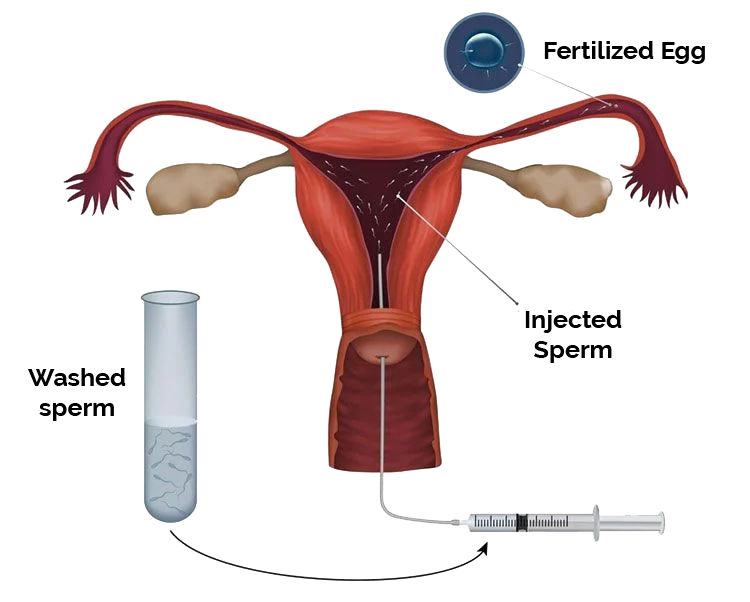
    Diagram illustrating intrauterine insemination (IUI) procedure with sperm injection into the uterus.

    Sperm Analysis and Semen Analysis: How Do They Differ for Infertility Treatment?

    How Do They Differ?

    While both sperm analysis and semen analysis are important tests in diagnosing male infertility, they differ in their focus and purpose. Sperm analysis specifically looks at the number, motility, and morphology of sperm, while semen analysis evaluates the overall composition of semen. Sperm analysis is also more focused on male fertility, while semen analysis can also provide information about the male’s general health.

    Another key difference between the two tests is the timing of when they are performed. Sperm analysis is typically done on a fresh sample, meaning the sample is collected and tested immediately. Semen analysis, on the other hand, can be done on both fresh and frozen samples. This is important in cases where a man may not be able to produce a sample on the day of the test or if the sample needs to be preserved for future use.

    How Are They Used in Infertility Treatment?

    Both sperm analysis and semen analysis are crucial in diagnosing and treating male infertility. If a man’s sperm analysis shows abnormal results, further testing may be needed to determine the cause. Depending on the results, a fertility specialist may recommend lifestyle changes, medication, or assisted reproductive techniques such as intrauterine insemination (IUI) or in vitro fertilization (IVF).

    Semen analysis, on the other hand, can help identify any underlying issues that may be affecting sperm health. For example, if the analysis shows a low fructose level, it may indicate a blockage in the male reproductive tract. This information can guide the treatment plan and help address the root cause of infertility.

    Summary:

    Sperm analysis and semen analysis are two important tests used in diagnosing and treating male infertility. Sperm analysis specifically looks at the number, motility, and morphology of sperm, while semen analysis evaluates the overall composition of semen. They differ in their focus, timing, and purpose, but both play a crucial role in identifying the cause of male infertility and guiding treatment options.