Author: mutony

  • Making the Choice: Intrauterine Insemination vs Intracervical Insemination

    Making the Choice: Intrauterine Insemination vs Intracervical Insemination

    When it comes to starting a family, there are many different paths that people may take. One option for those struggling with fertility is assisted reproductive technology, or ART. Within ART, there are various methods available, including intrauterine insemination (IUI) and intracervical insemination (ICI). While these two procedures may sound similar, they have distinct differences and it’s important to understand which one may be the best choice for you and your partner. In this blog post, we will explore the differences between IUI and ICI and provide information to help you make the best decision for your fertility journey.

    The Basics of IUI and ICI

    Before diving into the differences between the two procedures, it’s important to understand the basics of IUI and ICI. Both of these methods are forms of artificial insemination, which involves placing sperm directly into a woman’s reproductive tract to increase the chances of fertilization. This is typically recommended for couples struggling with male factor infertility, unexplained infertility, or single women or same-sex couples looking to conceive.

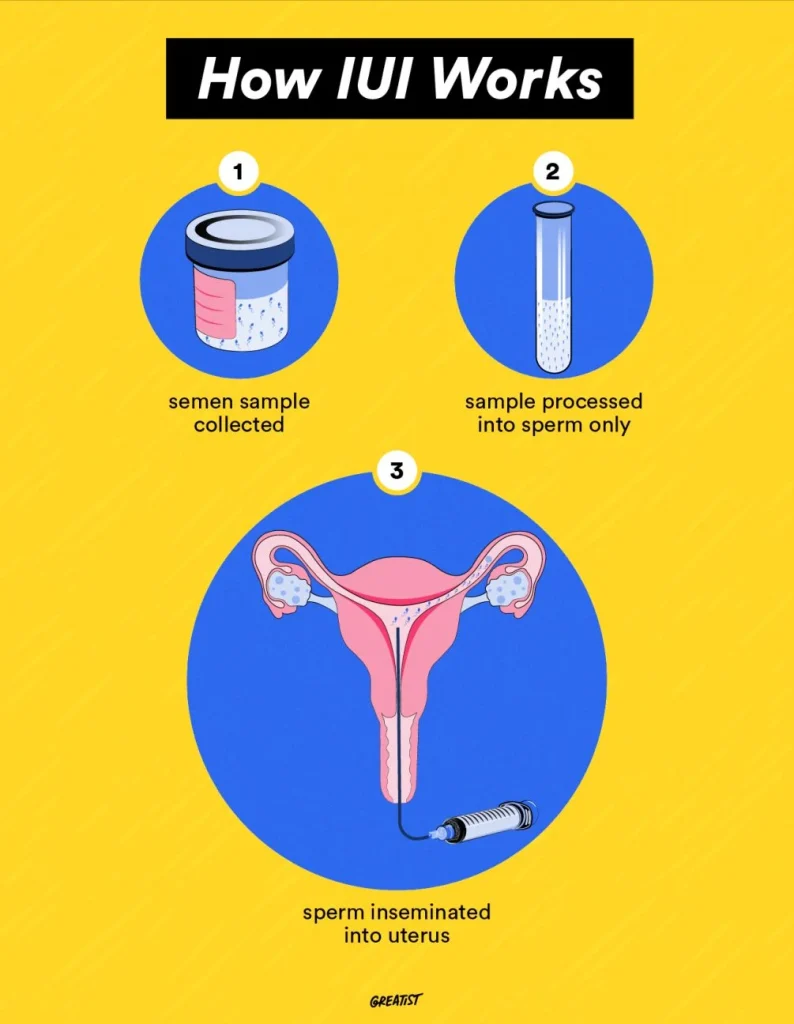
    Intrauterine Insemination (IUI) involves placing washed and concentrated sperm directly into the uterus using a thin catheter. This procedure is typically performed around the time of ovulation, increasing the chances of the sperm reaching the egg. Intracervical Insemination (ICI) is a less invasive method, where sperm is placed in the cervix using a syringe or cervical cap. This procedure can be done at home or in a medical setting.

    Differences Between IUI and ICI

    The most significant difference between IUI and ICI is the location of where the sperm is placed. With IUI, the sperm is inserted directly into the uterus, bypassing the cervix and increasing the chances of fertilization. On the other hand, with ICI, the sperm is placed in the cervix, which can make it more difficult for the sperm to reach the egg. This means that IUI has a higher success rate compared to ICI.

    Another difference between the two procedures is the timing. IUI must be done at a specific time during the woman’s menstrual cycle, usually around the time of ovulation. This timing is crucial because it increases the chances of the sperm reaching the egg when it is most likely to be fertilized. However, with ICI, timing is less strict, and the procedure can be done at any time during the woman’s cycle. This can be more convenient for some couples, but it also means there is a higher chance of missing the window of ovulation.
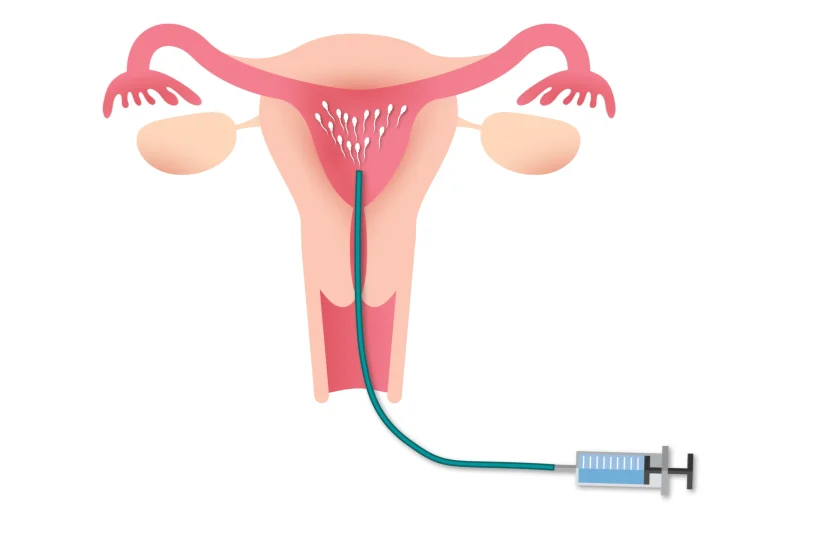
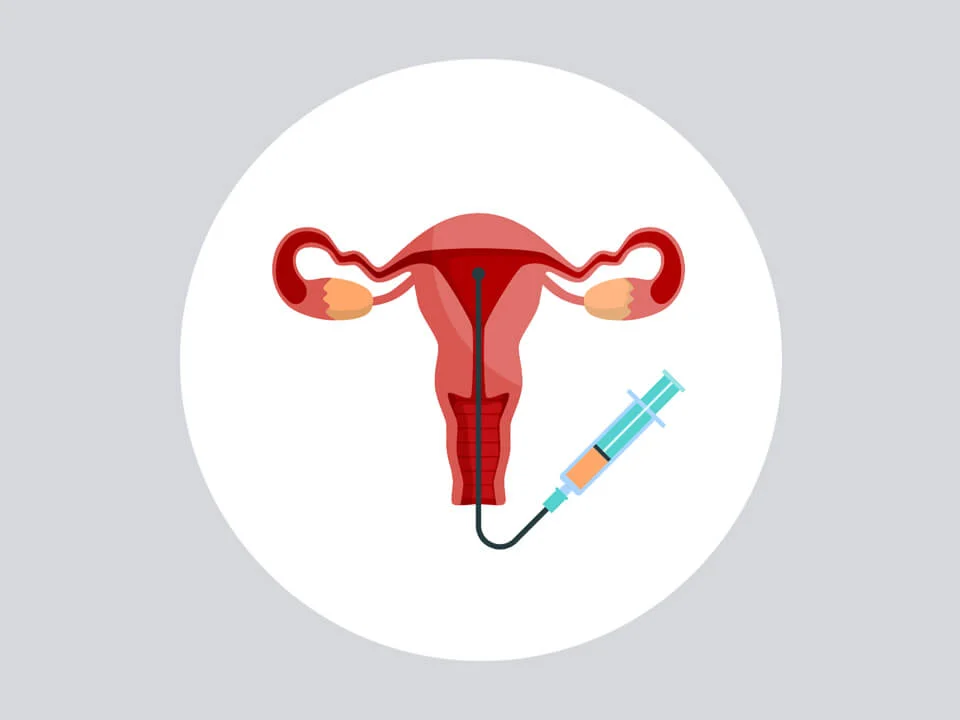
    diagram of a uterus with a syringe for intrauterine insemination procedure

    Making the Choice: Intrauterine Insemination vs Intracervical Insemination

    Cost is also a factor to consider when deciding between IUI and ICI. IUI is typically more expensive than ICI because it must be performed in a medical setting, whereas ICI can be done at home. However, the success rates of IUI may make it a more cost-effective option in the long run.

    Which One is Right for You?

    Choosing between IUI and ICI ultimately depends on your specific situation and preferences. If you have a known fertility issue or are using donor sperm, IUI may be the better option due to its higher success rate. However, if you have regular ovulation and no known fertility issues, ICI may be a more convenient and cost-effective choice. It’s important to consult with a fertility specialist to determine which option is best for you and your partner.

    It’s also important to note that neither IUI nor ICI guarantee a successful pregnancy. The success rates for both procedures vary and depend on factors such as age, reproductive health, and the quality of sperm. It’s important to manage expectations and understand that it may take multiple attempts before achieving a successful pregnancy.

    In addition, both IUI and ICI can be used in conjunction with fertility medications to increase the chances of success. This is something to discuss with your fertility specialist to determine the best course of action for your individual situation.

    In Conclusion

    Intrauterine insemination (IUI) and intracervical insemination (ICI) are two forms of artificial insemination that can help couples struggling with fertility to conceive. While both procedures have the same end goal, they have distinct differences in terms of success rates, timing, and cost. It’s important to consult with a fertility specialist to determine which option is best for you and your partner. Remember, no matter which procedure you choose, it’s important to stay positive and keep an open mind as you embark on your fertility journey.

    Summary: Intrauterine insemination (IUI) and intracervical insemination (ICI) are two forms of artificial insemination that can help couples struggling with fertility to conceive. IUI involves placing washed and concentrated sperm directly into the uterus, while ICI involves placing sperm in the cervix. IUI has a higher success rate compared to ICI, but is more expensive and must be done at a specific time during a woman’s cycle. Choosing between the two procedures depends on individual factors and consulting with a fertility specialist is recommended. Both procedures can also be used in conjunction with fertility medications.

  • Exploring the Pros and Cons: Intrauterine Insemination vs Intracervical Insemination

    Exploring the Pros and Cons: Intrauterine Insemination vs Intracervical Insemination

    Intrauterine insemination (IUI) and Intracervical insemination (ICI) are two commonly used fertility treatments for couples struggling with infertility. Both procedures involve placing washed and concentrated sperm directly into the woman’s reproductive tract in order to increase the chances of fertilization. However, these two methods differ in terms of the location where the sperm is placed, the complexity of the procedure, and success rates. In this blog post, we will explore the pros and cons of IUI and ICI to help you understand which option may be best for you.

    Intrauterine Insemination (IUI)

    IUI is a procedure in which the sperm is placed directly into the uterus using a thin catheter. This procedure is usually done in a fertility clinic or doctor’s office and is often combined with fertility medications to increase the chances of success. The sperm used in IUI can either be from a partner or a donor.

    Pros:

    1. Higher Success Rates: One of the main advantages of IUI is its higher success rates compared to other forms of artificial insemination. According to the American Pregnancy Association, the success rate for IUI is 20% per cycle, which increases to 80% after six cycles.

    2. Controlled and Monitored Procedure: IUI is a more controlled and monitored procedure compared to natural conception or ICI. The sperm is washed and concentrated before being placed in the uterus, which reduces the chances of infection and increases the chances of fertilization.

    3. Can Be Combined with Fertility Medications: IUI can be combined with fertility medications such as Clomid or injectable hormones to stimulate ovulation. This increases the chances of success for couples struggling with ovulation issues.

    4. Fewer Side Effects: IUI has fewer side effects compared to other fertility treatments. The only discomfort may be mild cramping during the procedure, and some women may experience light bleeding afterwards.

    Cons:

    1. Requires Multiple Visits: IUI requires multiple visits to the fertility clinic or doctor’s office. This may be inconvenient for some couples, especially if they live far from the clinic.

    2. Higher Cost: IUI can be more expensive compared to natural conception or ICI. The cost of the procedure and fertility medications can add up quickly, especially if multiple cycles are needed.

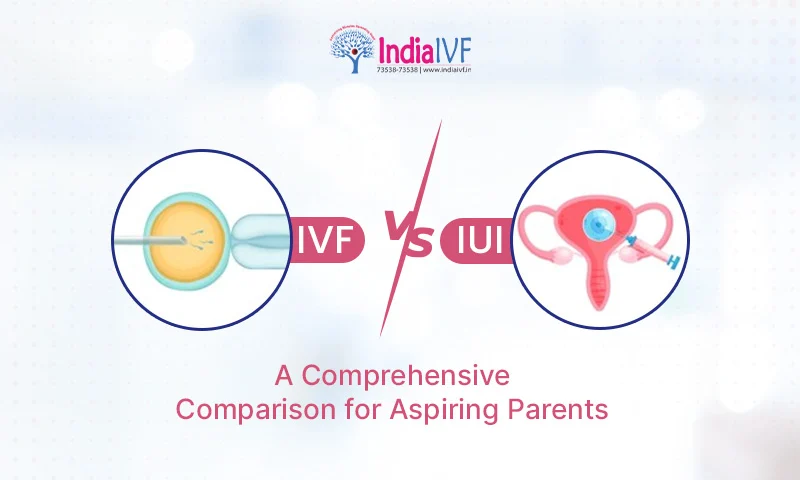
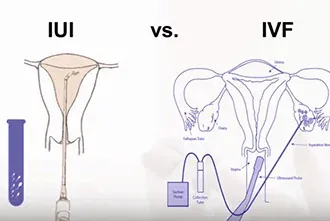
    Comparison of IUI and IVF treatments with diagrams of reproductive anatomy.

    Exploring the Pros and Cons: Intrauterine Insemination vs Intracervical Insemination

    3. Increased Risk of Multiple Pregnancies: The use of fertility medications with IUI can increase the risk of multiple pregnancies, which may lead to complications during pregnancy and delivery.

    Intracervical Insemination (ICI)

    ICI is a procedure in which the sperm is placed in the cervix using a syringe or a cervical cap. This procedure can be done at home, with the sperm being either from a partner or a donor. Unlike IUI, ICI does not involve washing or concentrating the sperm.

    Pros:

    1. Less Invasive: ICI is a less invasive procedure compared to IUI. It can be done at home without the need for a fertility clinic or doctor’s office.

    2. More Affordable: ICI is a more affordable option compared to IUI. Since it can be done at home, couples can save money on the cost of the procedure and fertility medications.

    3. No Risk of Multiple Pregnancies: Unlike IUI, there is no risk of multiple pregnancies with ICI since fertility medications are not used. This may be a preferred option for couples who do not want the risk of carrying multiples.

    Cons:

    1. Lower Success Rates: The success rates for ICI are lower compared to IUI. According to the American Pregnancy Association, the success rate for ICI is 10% per cycle, which increases to 60% after six cycles.

    2. Difficult to Time Ovulation: Timing ovulation correctly is crucial for the success of ICI. This may be challenging for some couples, especially those who have irregular menstrual cycles.

    3. Increased Risk of Infection: Since the sperm is not washed or concentrated before being placed in the cervix, there is a higher risk of infection compared to IUI.

    Summary:

    Intrauterine insemination (IUI) and Intracervical insemination (ICI) are two commonly used fertility treatments for couples struggling with infertility. IUI involves placing washed and concentrated sperm directly into the uterus, while ICI involves placing sperm in the cervix without washing or concentrating them. IUI has higher success rates and is a more controlled and monitored procedure, but it can be more expensive and carries the risk of multiple pregnancies. On the other hand, ICI is a less invasive and more affordable option, but it has lower success rates and carries the risk of infection. The choice between IUI and ICI ultimately depends on the individual needs and preferences of the couple.

  • Which is Better? A Comparison of Intrauterine Insemination and Intracervical Insemination

    Blog Post Summary:

    Intrauterine insemination (IUI) and intracervical insemination (ICI) are both common fertility treatments used to help couples conceive. While they have similar names and purposes, there are some key differences between the two procedures. This blog post will compare and contrast IUI and ICI in terms of procedure, success rates, cost, and other important factors. By the end, readers will have a better understanding of which option may be better for their specific situation.

    First, let’s define the two procedures. IUI involves inserting washed and concentrated sperm directly into the uterus using a thin catheter. This is typically done around the time of ovulation to increase the chances of fertilization. On the other hand, ICI involves placing unwashed sperm into the cervix using a syringe or soft cup. This method allows sperm to travel through the cervix and into the uterus on its own.

    One of the main differences between IUI and ICI is the level of medical intervention involved. IUI is a more invasive procedure as it requires a healthcare professional to insert the sperm into the uterus. ICI, on the other hand, can be done at home without any medical assistance. This may be a deciding factor for couples who prefer a more hands-on approach or those who are uncomfortable with medical procedures.

    In terms of success rates, IUI has been found to be more effective than ICI. According to the American Pregnancy Association, the success rates for IUI range from 10-20% per cycle, while ICI has a success rate of 5-15% per cycle. However, it’s important to note that these success rates can vary depending on factors like age, overall health, and the cause of infertility.

    Comparison of IUI and IVF treatments with diagrams of reproductive anatomy.

    Which is Better? A Comparison of Intrauterine Insemination and Intracervical Insemination

    Another important factor to consider is the cost of the procedures. Generally, IUI is more expensive than ICI as it involves medical equipment and professional assistance. The average cost of IUI can range from $500-$4,000 per cycle, while ICI can cost anywhere from $200-$1,000 per cycle. These costs can add up quickly, especially for couples who need multiple cycles of treatment.

    One of the biggest advantages of ICI is that it can be done at home, which may be more convenient for some couples. However, this also means that there is a higher risk of human error. If the sperm is not placed correctly or if the timing is off, it can greatly decrease the chances of conception. IUI, on the other hand, is done by a trained professional who can ensure that the sperm is placed in the optimal location and at the right time.

    Another important consideration is the use of fertility drugs. IUI is often done in conjunction with fertility drugs to stimulate ovulation and increase the chances of conception. This can be beneficial for couples who have trouble ovulating on their own. However, the use of fertility drugs can also increase the risk of multiple pregnancies, which may not be desirable for some couples. ICI does not involve the use of fertility drugs, making it a more natural and less risky option in this regard.

    It’s also worth noting that IUI is a more suitable option for couples dealing with male factor infertility. This is because the sperm is placed directly into the uterus, bypassing any potential issues with sperm motility or morphology. ICI, on the other hand, relies on the sperm’s ability to swim through the cervix and into the uterus on its own. This may not be as effective for couples with male factor infertility.

    In conclusion, both IUI and ICI have their own unique advantages and disadvantages. IUI is generally more effective and recommended for couples dealing with male factor infertility, while ICI offers a more natural and less invasive option. The cost and level of medical intervention may also play a role in the decision-making process. It’s important for couples to discuss their options with a fertility specialist and consider their individual needs and preferences before deciding on a treatment method.

    In summary, IUI and ICI are two different procedures used to help couples conceive. While IUI involves a more invasive approach, it has been found to be more effective than ICI. The use of fertility drugs, cost, and level of medical intervention are also important factors to consider when deciding between the two options. Ultimately, the best option will depend on the individual needs and preferences of each couple. It’s important to consult with a fertility specialist to determine which option may be the most suitable for a specific situation.

  • Breaking Down the Differences: Intrauterine Insemination vs Intracervical Insemination

    Intrauterine insemination (IUI) and intracervical insemination (ICI) are two common fertility treatments that involve placing sperm inside a woman’s reproductive tract in order to increase the chances of fertilization and pregnancy. While both procedures share similar goals, there are important differences between IUI and ICI that couples should be aware of when considering which option is best for them. In this blog post, we will break down the key differences between IUI and ICI, including the procedure itself, success rates, and potential risks.

    First, let’s start with the basics. IUI and ICI are both forms of artificial insemination, which means that they involve placing sperm directly into a woman’s reproductive tract rather than relying on natural conception through sexual intercourse. This can be beneficial for couples who are struggling with male factor infertility, have difficulty with traditional intercourse, or are single or same-sex couples seeking to conceive.

    The main difference between IUI and ICI lies in the location where the sperm is inserted. In IUI, the sperm is placed directly into the woman’s uterus, while in ICI, the sperm is deposited into the cervix. This difference in placement can have implications for the success rates of each procedure.

    In terms of the procedure itself, IUI is typically more involved and requires medical assistance. The woman will need to undergo hormonal stimulation to produce multiple eggs, which are then monitored through ultrasound. Once the eggs are mature, the male partner will provide a semen sample, which is then washed and concentrated to increase the number of healthy sperm. The sperm is then placed into a catheter and inserted into the uterus through the cervix. The entire process usually takes less than 30 minutes and may cause mild discomfort.

    On the other hand, ICI is a simpler and less invasive procedure that can be performed at home or in a medical setting. The male partner collects a semen sample and uses a syringe or cervical cap to insert it into the cervix. This can be done without the assistance of a healthcare provider, but some couples may choose to have a healthcare professional perform the procedure for them.

    Comparison chart of IUI and IVF treatments, detailing medications, monitoring, procedures, and success rates.

    Breaking Down the Differences: Intrauterine Insemination vs Intracervical Insemination

    One of the key differences between IUI and ICI is the success rates. IUI has higher success rates compared to ICI, with studies showing a 10-20% chance of pregnancy per cycle for IUI, while ICI has a lower success rate of 5-10%. This is because IUI places the sperm directly into the uterus, which is a more favorable environment for fertilization compared to the cervix. Additionally, IUI also allows for more sperm to reach the egg, increasing the chances of fertilization.

    Another important factor to consider is the timing of the procedure. IUI must be done at a specific time during a woman’s menstrual cycle, usually around the time of ovulation. This means that couples will need to carefully track their cycles and be available for the procedure at the designated time. On the other hand, ICI can be done at any time during a woman’s cycle, making it a more flexible option for couples.

    When it comes to potential risks and side effects, both IUI and ICI carry similar risks. These include infection, cramping, and discomfort during the procedure. There is also a small risk of multiple pregnancies with both procedures, especially with the use of fertility drugs in IUI. However, these risks are generally low and can be managed with proper medical supervision.

    In summary, IUI and ICI are two common fertility treatments that involve the placement of sperm inside a woman’s reproductive tract. While both procedures have similar goals, they differ in terms of the procedure itself, success rates, and potential risks. IUI is a more involved procedure that is performed in a medical setting and has higher success rates, while ICI is simpler and can be done at home but has lower success rates. Couples should consult with their healthcare provider to determine which option is best for them based on their individual circumstances.

    In conclusion, the decision between IUI and ICI ultimately depends on the couple’s preferences, medical history, and success rates. Both procedures can be effective in helping couples achieve their dream of starting a family. By understanding the key differences between IUI and ICI, couples can make an informed decision and choose the best option for their unique situation.

  • The Hope of Success: Success Rates for Male and Female Factor Infertility Treatments

    The Hope of Success: Success Rates for Male and Female Factor Infertility Treatments

    Infertility is a common issue faced by many couples around the world. While there are various factors that can contribute to infertility, male and female factors are the most prevalent. Male factor infertility refers to issues with the male reproductive system that make it difficult for a couple to conceive, while female factor infertility refers to problems with the female reproductive system. With advances in medical technology, there are now various treatments available for both male and female factor infertility. However, couples facing these challenges often wonder about the success rates of these treatments. In this blog post, we will explore the hope of success for male and female factor infertility treatments.

    Male Factor Infertility Treatments

    Male factor infertility accounts for approximately 40% of all infertility cases. The most common cause of male infertility is a low sperm count, which can be caused by a variety of factors such as hormonal imbalances, genetic disorders, and lifestyle choices. The good news is that there are multiple treatments available for male factor infertility, and the success rates have significantly improved in recent years.

    One of the most common treatments for male factor infertility is intrauterine insemination (IUI). During this procedure, the male partner’s sperm is washed and then inserted directly into the female partner’s uterus. The success rates for IUI vary depending on the underlying cause of male infertility, but it has been reported to have a success rate of 10-20% per cycle.

    Another treatment option for male factor infertility is in vitro fertilization (IVF). This process involves combining the male partner’s sperm with the female partner’s egg in a lab setting and then transferring the resulting embryo into the woman’s uterus. IVF has a higher success rate than IUI, with a reported success rate of 40-45% per cycle. However, the success rates may vary depending on the woman’s age, the quality of the sperm, and other factors.

    Male factor infertility can also be treated with intracytoplasmic sperm injection (ICSI). This procedure involves injecting a single sperm directly into the egg, which is then transferred into the woman’s uterus. ICSI has a higher success rate compared to IUI and IVF, with a reported success rate of 60-65% per cycle.

    diagram of a uterus with a syringe for intrauterine insemination procedure

    The Hope of Success: Success Rates for Male and Female Factor Infertility Treatments

    Female Factor Infertility Treatments

    Female factor infertility can be caused by a variety of factors, including hormonal imbalances, ovulation disorders, and structural issues with the reproductive organs. The success rates for female factor infertility treatments also vary depending on the specific cause of infertility.

    One of the most common treatments for female factor infertility is ovulation induction. This involves taking medication to stimulate the ovaries to produce more eggs. The success rates for this treatment vary, but it has been reported to have a success rate of 20-60% per cycle, depending on the woman’s age and the underlying cause of infertility.

    Another treatment option for female factor infertility is intrauterine insemination (IUI). As mentioned earlier, this involves placing the male partner’s sperm directly into the woman’s uterus. The success rates for IUI in cases of female factor infertility are slightly higher than in cases of male factor infertility, with a reported success rate of 15-20% per cycle.

    In vitro fertilization (IVF) is also a popular treatment for female factor infertility. The success rates for IVF vary depending on the woman’s age, the quality of her eggs, and other factors. Generally, IVF has a success rate of 40-45% per cycle, but this can increase with the use of techniques such as preimplantation genetic testing (PGT).

    In conclusion, both male and female factor infertility can be successfully treated with various medical interventions. While the success rates may vary, the advancements in technology have significantly increased the chances of success for couples struggling with infertility. It is important to consult with a fertility specialist to determine the best treatment plan based on individual circumstances.

    Summary:

    Infertility is a common issue faced by many couples, with male and female factors being the most prevalent causes. Fortunately, there are various treatments available for both male and female factor infertility, and the success rates have significantly improved in recent years. For male factor infertility, treatments such as IUI, IVF, and ICSI have reported success rates of 10-20%, 40-45%, and 60-65% per cycle, respectively. Female factor infertility can be treated with ovulation induction, IUI, and IVF, with success rates ranging from 20-60%, 15-20%, and 40-45% per cycle, respectively. With the advancements in technology, there is hope for success for couples struggling with infertility.

  • Male Factor Infertility and Testosterone: Understanding the Effects and Treatment Options

    Blog Post Title: Male Factor Infertility and Testosterone: Understanding the Effects and Treatment Options

    Word Count: 2000

    Infertility is a common issue that affects many couples around the world. While often associated with female reproductive health, male factor infertility is also a significant factor in the inability to conceive. According to the World Health Organization, male infertility is responsible for up to 30% of all infertility cases. One of the key factors that can contribute to male infertility is low testosterone levels. In this blog post, we will explore the effects of testosterone on male fertility and the available treatment options for male factor infertility.

    Effects of Testosterone on Male Fertility

    Testosterone is the primary male sex hormone responsible for the development of male reproductive organs and characteristics. It also plays a crucial role in sperm production. When testosterone levels are low, sperm production can be significantly affected, leading to male factor infertility. Low testosterone levels can also cause other reproductive issues such as erectile dysfunction and low libido, which can further contribute to difficulties with conception.

    Several factors can lead to low testosterone levels, including age, certain medical conditions, and lifestyle choices. As men age, their testosterone levels naturally decline, which can impact their fertility. Medical conditions such as diabetes, obesity, and hormonal disorders can also affect testosterone production. Lifestyle choices such as excessive alcohol consumption, smoking, and poor dietary habits can also contribute to low testosterone levels.

    Treatment Options for Male Factor Infertility

    The first step in treating male factor infertility is to identify the underlying cause. A comprehensive evaluation by a fertility specialist can help determine the cause of low testosterone levels and develop an effective treatment plan. Some of the treatment options for male factor infertility include:

    illustration explaining the steps of intrauterine insemination (IUI) process on a bright yellow background

    Male Factor Infertility and Testosterone: Understanding the Effects and Treatment Options

    1. Hormone Replacement Therapy
    Hormone replacement therapy (HRT) is a common treatment for low testosterone levels. It involves the use of medications, such as testosterone injections or patches, to supplement the body’s natural testosterone production. HRT can help improve sperm production and quality, leading to an increased chance of conception.

    2. Lifestyle Changes
    In some cases, making lifestyle changes can help improve testosterone levels and overall reproductive health. Maintaining a healthy weight, exercising regularly, and reducing alcohol and tobacco consumption can all help increase testosterone levels and improve fertility.

    3. Surgical Interventions
    In some cases, surgical interventions may be necessary to treat male factor infertility. Procedures such as varicocelectomy, which involves repairing enlarged veins in the scrotum, can help improve sperm production and quality.

    4. Assisted Reproductive Techniques
    In cases where other treatment options have not been successful, assisted reproductive techniques, such as intrauterine insemination (IUI) or in vitro fertilization (IVF), may be recommended. These techniques involve collecting sperm from the male partner and using it to fertilize the female partner’s eggs in a controlled laboratory setting.

    5. Psychological Support
    Coping with male factor infertility can be emotionally challenging for both partners. Seeking psychological support, whether through counseling or support groups, can help couples navigate the emotional aspects of infertility and maintain a positive outlook.

    In conclusion, male factor infertility is a prevalent issue that can significantly impact a couple’s ability to conceive. Low testosterone levels are a common cause of male infertility, and addressing this issue is essential in treating male factor infertility. By understanding the effects of testosterone on male fertility and exploring the available treatment options, couples can take proactive steps towards achieving their dream of starting a family.

    Summary:

    Male factor infertility, which accounts for up to 30% of all infertility cases, is often caused by low testosterone levels in men. Testosterone plays a crucial role in sperm production, and when levels are low, it can lead to difficulties with conception. Factors such as age, medical conditions, and lifestyle choices can contribute to low testosterone levels. Treatment options for male factor infertility include hormone replacement therapy, lifestyle changes, surgical interventions, assisted reproductive techniques, and psychological support. A comprehensive evaluation by a fertility specialist can help determine the underlying cause and develop an effective treatment plan.

  • The Financial Burden of Male and Female Factor Infertility: Tips for Managing the Costs

    Blog Post Title: The Financial Burden of Male and Female Factor Infertility: Tips for Managing the Costs

    Summary:

    Infertility affects millions of couples around the world, with male and female factor infertility being two of the main causes. While dealing with the emotional and physical toll of infertility can be challenging, the financial burden can also be overwhelming. From expensive fertility treatments to additional medical expenses, the costs associated with infertility can quickly add up. In this blog post, we will explore the financial strain that male and female factor infertility can have on couples and provide tips for managing the costs.

    Understanding the Financial Impact of Infertility:

    Many couples are unaware of the financial impact that infertility can have until they start seeking treatment. According to a study by the American Society for Reproductive Medicine, the average cost for one in vitro fertilization (IVF) cycle can be upwards of $12,000. This does not include additional treatments such as intrauterine insemination (IUI) or fertility medications, which can cost thousands of dollars as well. For couples who require multiple treatment cycles, the costs can quickly become astronomical.

    The Costs of Male and Female Factor Infertility:

    When it comes to infertility, both men and women can be affected. Female factor infertility refers to any medical condition that affects a woman’s ability to conceive, such as polycystic ovary syndrome (PCOS) or endometriosis. On the other hand, male factor infertility is caused by issues with the man’s sperm count, quality, or ability to fertilize an egg. In both cases, the costs of diagnostic tests, treatments, and medications can be extremely high.

    Illustration of intrauterine insemination (IUI) procedure with syringe and catheter in the uterus.

    The Financial Burden of Male and Female Factor Infertility: Tips for Managing the Costs

    Tips for Managing the Costs of Male and Female Factor Infertility:

    1. Explore Your Insurance Coverage: While infertility treatments are often not covered by insurance, it is still worth checking your policy. Some insurance plans may cover certain diagnostic tests or medications, which can help reduce the overall costs. It is also worth looking into any fertility clinics that offer financing options or payment plans.

    2. Consider Alternative Treatment Methods: While IVF may be the most well-known fertility treatment, there are other options available that may be more affordable. For example, IUI is a less expensive treatment that can be effective for certain fertility issues. It is important to discuss all of your options with your doctor and consider what is best for your individual situation.

    3. Look into Clinical Trials: Participating in a clinical trial for new fertility treatments can be a way to receive treatment at a reduced cost or even for free. It is important to thoroughly research any clinical trials and discuss them with your doctor before making a decision.

    4. Take Care of Your Health: Both male and female fertility can be affected by lifestyle factors such as diet, exercise, and stress. By making healthy lifestyle choices, you can potentially improve your fertility and reduce the need for expensive treatments.

    5. Seek Emotional Support: Dealing with the financial burden of infertility can take a toll on your emotional well-being. It is important to seek support from loved ones or join a support group to help cope with the stress and anxiety that comes with infertility.

    In conclusion, male and female factor infertility can have a significant financial impact on couples. However, by being proactive and exploring different options, it is possible to manage the costs and still have a chance at starting a family. Remember to take care of your physical and emotional health, and don’t be afraid to seek support during this difficult time.

  • Male Factor Infertility and Lifestyle Changes: How Diet and Habits Can Affect Fertility

    Blog Post:

    Male factor infertility, also known as male infertility, is a condition where a man has difficulty in impregnating a woman despite frequent and unprotected sexual intercourse. It is estimated that male infertility accounts for about 40-50% of all infertility cases. While there are various factors that can contribute to male infertility, lifestyle choices and habits are often overlooked. In this blog post, we will explore the impact of diet and habits on male fertility and discuss lifestyle changes that can improve fertility.

    Diet and Male Fertility:

    Diet plays a crucial role in overall health and well-being, including fertility. Studies have shown that certain nutrients and dietary patterns can affect sperm quality and quantity, thus impacting male fertility. Here are some dietary factors that can affect male fertility:

    1. Antioxidants:

    Antioxidants are essential for maintaining reproductive health in men. They help protect sperm from damage caused by free radicals, which can affect sperm quality. Foods rich in antioxidants include fruits, vegetables, nuts, and whole grains. Some specific antioxidants that have been linked to improved sperm quality include vitamins C and E, selenium, and zinc.

    2. Omega-3 Fatty Acids:

    Omega-3 fatty acids are essential for sperm production and function. They also play a role in reducing inflammation, which can affect sperm quality. Foods rich in omega-3 fatty acids include fatty fish like salmon, mackerel, and sardines, as well as flaxseeds, chia seeds, and walnuts.

    3. Processed Foods:

    On the other hand, a diet high in processed and unhealthy foods has been linked to poor sperm quality. These foods are often high in trans fats, which can decrease sperm count and motility. They can also lead to inflammation and oxidative stress, which can damage sperm.

    4. Caffeine and Alcohol:

    Excessive caffeine and alcohol consumption have been linked to male infertility. Studies have shown that caffeine can affect sperm quality, while excessive alcohol intake can lead to hormonal imbalances and decreased sperm production. It is advisable to limit caffeine intake to no more than 300 mg per day and to moderate alcohol consumption.

    Lifestyle Habits and Male Fertility:

    Apart from diet, certain lifestyle habits can also affect male fertility. Here are some common habits that can have a negative impact on male fertility:

    1. Smoking:

    Smoking is harmful to overall health, and it can also have a significant impact on male fertility. Studies have shown that smoking can decrease sperm quality, sperm count, and motility. It can also lead to DNA damage in sperm, which can affect fertility and increase the risk of birth defects.

    2. Sedentary Lifestyle:

    A sedentary lifestyle, characterized by little or no physical activity, can also contribute to male infertility. Regular exercise has been linked to improved sperm quality and quantity. It can also help reduce stress and maintain a healthy body weight, both of which are essential for fertility.

    IVF vs IUI comparison graphic highlighting reproductive methods for aspiring parents.

    Male Factor Infertility and Lifestyle Changes: How Diet and Habits Can Affect Fertility

    3. Stress:

    Stress can affect male fertility in several ways. It can lead to hormonal imbalances, decrease libido, and cause erectile dysfunction. It can also affect sperm production and function. Finding ways to manage stress, such as through exercise, meditation, or therapy, can help improve fertility.

    4. Heat Exposure:

    Exposure to high temperatures can also have a negative impact on male fertility. It can lead to decreased sperm production and affect sperm quality. Activities like using hot tubs, wearing tight clothing, and prolonged sitting can increase scrotal temperature, thus affecting sperm production.

    Lifestyle Changes to Improve Male Fertility:

    Making positive lifestyle changes can significantly improve male fertility. Here are some changes that men can make to promote reproductive health:

    1. Follow a Balanced Diet:

    Eating a balanced diet that includes plenty of fruits, vegetables, whole grains, and healthy fats can help improve sperm quality and quantity. It is also essential to limit the intake of processed and unhealthy foods.

    2. Exercise Regularly:

    Regular exercise, such as running, swimming, or weightlifting, can help improve sperm quality and quantity. It can also reduce stress and maintain a healthy body weight, both of which are essential for fertility.

    3. Quit Smoking and Limit Alcohol Intake:

    Quitting smoking and limiting alcohol consumption can significantly improve male fertility. It is also advisable to avoid recreational drugs, as they can have a negative impact on reproductive health.

    4. Manage Stress:

    Finding ways to manage stress, such as through exercise, meditation, or therapy, can help improve fertility. It is also essential to maintain a healthy work-life balance and prioritize self-care.

    5. Avoid Heat Exposure:

    To improve male fertility, it is advisable to avoid activities that can increase scrotal temperature, such as using hot tubs or saunas, wearing tight clothing, or sitting for prolonged periods.

    In conclusion, male factor infertility is a prevalent issue, and lifestyle choices and habits can play a significant role in its development. By making positive lifestyle changes, men can improve their fertility and increase their chances of conceiving. It is essential to follow a balanced diet, exercise regularly, manage stress, and avoid harmful habits to promote reproductive health and overall well-being.

    Summary:

    Male factor infertility is a condition where a man has difficulty in impregnating a woman despite frequent and unprotected sexual intercourse. While there are various factors that can contribute to male infertility, lifestyle choices and habits are often overlooked. Diet and habits, such as smoking and a sedentary lifestyle, can have a negative impact on male fertility. On the other hand, following a balanced diet, exercising regularly, managing stress, and avoiding heat exposure can help improve fertility. By making positive lifestyle changes, men can increase their chances of conceiving and promote their overall well-being.

  • The Power of Communication: Navigating Male and Female Factor Infertility as a Couple

    Summary:

    Infertility affects millions of couples worldwide, with male and female factor infertility being the leading causes. It is a challenging and emotional journey that can put a strain on a couple’s relationship. However, effective communication can be a powerful tool in navigating through this difficult time and strengthening the bond between partners.

    In this blog post, we will explore the power of communication in the context of male and female factor infertility. We will discuss the impact of infertility on a couple’s relationship, the differences in how men and women cope with it, and how effective communication can help couples support each other through this journey.

    The Impact of Infertility on a Couple’s Relationship:

    Infertility can take a toll on a couple’s relationship, affecting their emotional, physical, and financial well-being. The inability to conceive can cause feelings of guilt, frustration, and inadequacy, leading to conflicts and strain in the relationship. The pressure to conceive can also lead to stress and anxiety, affecting the couple’s intimacy and communication.

    In addition, couples dealing with infertility may face societal and cultural pressures, which can further strain their relationship. For example, in many cultures, infertility is stigmatized, and women are often blamed for the couple’s inability to conceive. This can create a sense of shame and isolation, making it challenging for couples to open up and communicate with each other.

    Gender Differences in Coping with Infertility:

    Men and women may have different coping mechanisms when dealing with infertility. Men tend to internalize their feelings and may not express their emotions as openly as women. They may also feel pressure to be the provider and protector, which can make it challenging for them to admit their struggles and seek support.

    On the other hand, women may be more vocal about their emotions and may seek support from friends and family. They may also feel a stronger sense of responsibility for the couple’s infertility, leading to feelings of guilt and stress. These differences in coping mechanisms can create a communication gap between partners, making it difficult to understand each other’s feelings and needs.

    The Power of Communication in Navigating Male and Female Factor Infertility:

    Illustration of a uterus with a syringe, representing intrauterine insemination (IUI) procedure.

    The Power of Communication: Navigating Male and Female Factor Infertility as a Couple

    Effective communication is crucial in navigating through male and female factor infertility as a couple. It allows partners to express their emotions, fears, and needs openly and honestly. It also helps in breaking down the barriers and stigmas surrounding infertility, creating a safe and supportive environment for both partners.

    Here are some ways in which communication can help in navigating infertility:

    1. Create a safe space for open communication: Couples dealing with infertility should create a safe space for open and honest communication. This means setting aside time to talk, actively listening to each other, and being understanding and supportive.

    2. Share feelings and emotions: Both partners should feel comfortable sharing their feelings and emotions without fear of judgment or criticism. This will help in understanding each other’s perspective and coping mechanisms better.

    3. Seek professional support: Infertility can be emotionally draining, and seeking the help of a therapist or counselor can provide couples with a safe space to communicate and work through their struggles together.

    4. Educate each other: It is essential for partners to educate themselves about infertility, its causes, and the available treatment options. This will help in creating a shared understanding and support system between partners.

    5. Be patient and understanding: Infertility is a challenging journey, and both partners may experience different emotions at different times. It is essential to be patient and understanding with each other and to provide support whenever needed.

    Conclusion:

    Infertility can be a challenging and emotional journey for couples, but effective communication can help in navigating through this difficult time and strengthening their relationship. By creating a safe and supportive environment for open communication, couples can understand each other’s feelings and needs, and work together to overcome infertility as a team. Remember, infertility is a shared struggle, and effective communication can be a powerful tool in overcoming it and growing stronger as a couple.

    SEO metadata:

  • Male Factor Infertility and Genetics: The Connection and Treatment Considerations

    Blog Post Title: Male Factor Infertility and Genetics: The Connection and Treatment Considerations

    Summary:

    Infertility is a common issue that affects many couples worldwide, with about 1 in 8 couples struggling to conceive. While infertility can be caused by various factors, one of the most overlooked causes is male factor infertility. In fact, about one-third of infertility cases are due to male factor issues. In recent years, there has been growing evidence that genetics play a significant role in male factor infertility.

    In this blog post, we will explore the connection between male factor infertility and genetics, including the latest research and treatment considerations.

    Genetic Causes of Male Factor Infertility:

    Male factor infertility can be caused by a variety of genetic factors, including chromosomal abnormalities, single gene mutations, and epigenetic changes. These genetic issues can affect sperm production, sperm motility, and the overall quality of sperm.

    Chromosomal abnormalities, such as Klinefelter syndrome, where a male has an extra X chromosome, can result in low sperm count and poor sperm quality. Similarly, single gene mutations, such as cystic fibrosis gene mutations, can also impact sperm production and function.

    Epigenetic changes, which are alterations in gene expression without changing the DNA sequence, can also contribute to male factor infertility. These changes can be caused by environmental factors, lifestyle habits, and age.

    Impact of Genetics on Fertility Treatments:

    The impact of genetics on male factor infertility is not limited to the ability to conceive naturally. It can also affect the success of fertility treatments, such as in vitro fertilization (IVF) and intrauterine insemination (IUI). Studies have shown that men with genetic issues related to infertility have lower success rates with these treatments compared to men without genetic issues.

    IVF vs IUI comparison graphic highlighting reproductive methods for aspiring parents.

    Male Factor Infertility and Genetics: The Connection and Treatment Considerations

    Furthermore, genetic testing is becoming an essential part of fertility treatments, especially for couples struggling with male factor infertility. Testing for genetic issues can help identify the root cause of infertility and guide treatment decisions.

    Treatment Considerations for Male Factor Infertility:

    The treatment approach for male factor infertility will vary depending on the underlying genetic issue. For chromosomal abnormalities, assisted reproductive techniques like intracytoplasmic sperm injection (ICSI) can be used to fertilize the egg directly with a single sperm. This can increase the chances of fertilization and pregnancy.

    In cases of single gene mutations, genetic testing can help identify the specific mutation and guide treatment options. In some cases, donor sperm or adoption may be considered as alternative options.

    For epigenetic changes, making lifestyle changes, such as quitting smoking, reducing alcohol consumption, and maintaining a healthy weight, can help improve sperm quality and fertility.

    Future Directions:

    As research in this area continues to advance, there is hope for new treatment options for male factor infertility. One promising area is gene therapy, which involves correcting or replacing faulty genes to restore fertility. While still in its early stages, studies have shown promising results in animal models, and clinical trials are underway.

    Another area of interest is epigenetic modifications. Researchers are exploring the use of drugs that can modify epigenetic markers to improve sperm quality and increase fertility.

    Conclusion:

    Male factor infertility is a complex issue that is often overlooked, despite its prevalence and impact on couples trying to conceive. The connection between male factor infertility and genetics is becoming increasingly evident, and genetic testing is becoming an essential tool in the diagnosis and treatment of this condition. As research continues to advance, we can hope for more effective and targeted treatments for male factor infertility.

    SEO metadata: