Blog Post Summary:
Intrauterine insemination (IUI) and intracervical insemination (ICI) are both common fertility treatments used to help couples conceive. While they have similar names and purposes, there are some key differences between the two procedures. This blog post will compare and contrast IUI and ICI in terms of procedure, success rates, cost, and other important factors. By the end, readers will have a better understanding of which option may be better for their specific situation.
First, let’s define the two procedures. IUI involves inserting washed and concentrated sperm directly into the uterus using a thin catheter. This is typically done around the time of ovulation to increase the chances of fertilization. On the other hand, ICI involves placing unwashed sperm into the cervix using a syringe or soft cup. This method allows sperm to travel through the cervix and into the uterus on its own.
One of the main differences between IUI and ICI is the level of medical intervention involved. IUI is a more invasive procedure as it requires a healthcare professional to insert the sperm into the uterus. ICI, on the other hand, can be done at home without any medical assistance. This may be a deciding factor for couples who prefer a more hands-on approach or those who are uncomfortable with medical procedures.
In terms of success rates, IUI has been found to be more effective than ICI. According to the American Pregnancy Association, the success rates for IUI range from 10-20% per cycle, while ICI has a success rate of 5-15% per cycle. However, it’s important to note that these success rates can vary depending on factors like age, overall health, and the cause of infertility.
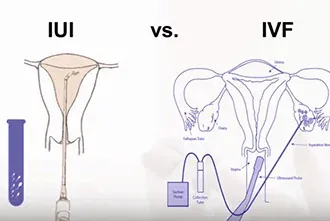
Which is Better? A Comparison of Intrauterine Insemination and Intracervical Insemination
Another important factor to consider is the cost of the procedures. Generally, IUI is more expensive than ICI as it involves medical equipment and professional assistance. The average cost of IUI can range from $500-$4,000 per cycle, while ICI can cost anywhere from $200-$1,000 per cycle. These costs can add up quickly, especially for couples who need multiple cycles of treatment.
One of the biggest advantages of ICI is that it can be done at home, which may be more convenient for some couples. However, this also means that there is a higher risk of human error. If the sperm is not placed correctly or if the timing is off, it can greatly decrease the chances of conception. IUI, on the other hand, is done by a trained professional who can ensure that the sperm is placed in the optimal location and at the right time.
Another important consideration is the use of fertility drugs. IUI is often done in conjunction with fertility drugs to stimulate ovulation and increase the chances of conception. This can be beneficial for couples who have trouble ovulating on their own. However, the use of fertility drugs can also increase the risk of multiple pregnancies, which may not be desirable for some couples. ICI does not involve the use of fertility drugs, making it a more natural and less risky option in this regard.
It’s also worth noting that IUI is a more suitable option for couples dealing with male factor infertility. This is because the sperm is placed directly into the uterus, bypassing any potential issues with sperm motility or morphology. ICI, on the other hand, relies on the sperm’s ability to swim through the cervix and into the uterus on its own. This may not be as effective for couples with male factor infertility.
In conclusion, both IUI and ICI have their own unique advantages and disadvantages. IUI is generally more effective and recommended for couples dealing with male factor infertility, while ICI offers a more natural and less invasive option. The cost and level of medical intervention may also play a role in the decision-making process. It’s important for couples to discuss their options with a fertility specialist and consider their individual needs and preferences before deciding on a treatment method.
In summary, IUI and ICI are two different procedures used to help couples conceive. While IUI involves a more invasive approach, it has been found to be more effective than ICI. The use of fertility drugs, cost, and level of medical intervention are also important factors to consider when deciding between the two options. Ultimately, the best option will depend on the individual needs and preferences of each couple. It’s important to consult with a fertility specialist to determine which option may be the most suitable for a specific situation.