Blog Post Title: Male Factor Infertility and Genetics: The Connection and Treatment Considerations
Summary:
Infertility is a common issue that affects many couples worldwide, with about 1 in 8 couples struggling to conceive. While infertility can be caused by various factors, one of the most overlooked causes is male factor infertility. In fact, about one-third of infertility cases are due to male factor issues. In recent years, there has been growing evidence that genetics play a significant role in male factor infertility.
In this blog post, we will explore the connection between male factor infertility and genetics, including the latest research and treatment considerations.
Genetic Causes of Male Factor Infertility:
Male factor infertility can be caused by a variety of genetic factors, including chromosomal abnormalities, single gene mutations, and epigenetic changes. These genetic issues can affect sperm production, sperm motility, and the overall quality of sperm.
Chromosomal abnormalities, such as Klinefelter syndrome, where a male has an extra X chromosome, can result in low sperm count and poor sperm quality. Similarly, single gene mutations, such as cystic fibrosis gene mutations, can also impact sperm production and function.
Epigenetic changes, which are alterations in gene expression without changing the DNA sequence, can also contribute to male factor infertility. These changes can be caused by environmental factors, lifestyle habits, and age.
Impact of Genetics on Fertility Treatments:
The impact of genetics on male factor infertility is not limited to the ability to conceive naturally. It can also affect the success of fertility treatments, such as in vitro fertilization (IVF) and intrauterine insemination (IUI). Studies have shown that men with genetic issues related to infertility have lower success rates with these treatments compared to men without genetic issues.
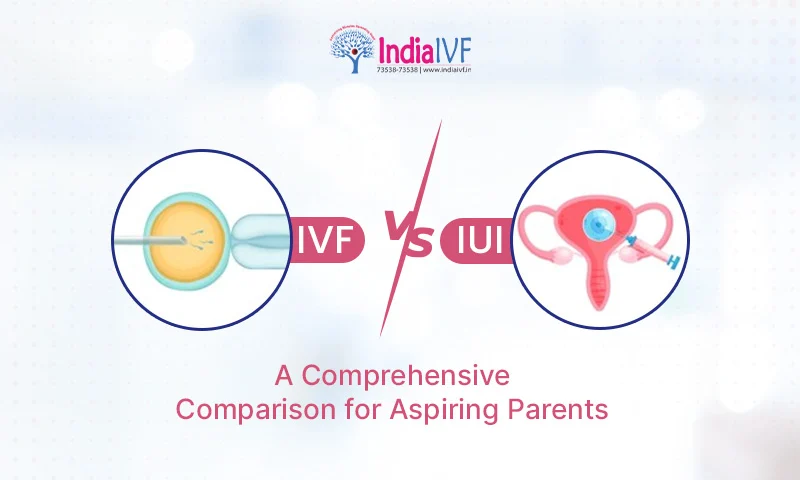
Male Factor Infertility and Genetics: The Connection and Treatment Considerations
Furthermore, genetic testing is becoming an essential part of fertility treatments, especially for couples struggling with male factor infertility. Testing for genetic issues can help identify the root cause of infertility and guide treatment decisions.
Treatment Considerations for Male Factor Infertility:
The treatment approach for male factor infertility will vary depending on the underlying genetic issue. For chromosomal abnormalities, assisted reproductive techniques like intracytoplasmic sperm injection (ICSI) can be used to fertilize the egg directly with a single sperm. This can increase the chances of fertilization and pregnancy.
In cases of single gene mutations, genetic testing can help identify the specific mutation and guide treatment options. In some cases, donor sperm or adoption may be considered as alternative options.
For epigenetic changes, making lifestyle changes, such as quitting smoking, reducing alcohol consumption, and maintaining a healthy weight, can help improve sperm quality and fertility.
Future Directions:
As research in this area continues to advance, there is hope for new treatment options for male factor infertility. One promising area is gene therapy, which involves correcting or replacing faulty genes to restore fertility. While still in its early stages, studies have shown promising results in animal models, and clinical trials are underway.
Another area of interest is epigenetic modifications. Researchers are exploring the use of drugs that can modify epigenetic markers to improve sperm quality and increase fertility.
Conclusion:
Male factor infertility is a complex issue that is often overlooked, despite its prevalence and impact on couples trying to conceive. The connection between male factor infertility and genetics is becoming increasingly evident, and genetic testing is becoming an essential tool in the diagnosis and treatment of this condition. As research continues to advance, we can hope for more effective and targeted treatments for male factor infertility.
SEO metadata: