Blog Post: Fertility Nutrition for Women Over 40: Tips and Tricks for Conception
As women age, their fertility naturally decreases, making it more challenging to conceive. This is especially true for women over the age of 40, who may face additional obstacles when trying to get pregnant. While there are many factors that can affect fertility, nutrition plays a crucial role in increasing the chances of conception for women over 40. In this blog post, we will explore the best tips and tricks for fertility nutrition for women over 40.
1. Eat a Balanced Diet
The first and most important tip for fertility nutrition for women over 40 is to eat a balanced diet. This means including a variety of whole foods such as fruits, vegetables, whole grains, lean proteins, and healthy fats in your meals. A balanced diet not only provides essential nutrients for overall health but also supports reproductive health. It is recommended to consume a diet that is rich in antioxidants, folate, iron, and omega-3 fatty acids, as these nutrients are crucial for fertility.
2. Increase Your Intake of Folate
Folate, also known as folic acid, is a B vitamin that is essential for fetal development and can help prevent birth defects. For women over 40, it is recommended to increase the intake of folate through dietary sources such as leafy greens, legumes, fortified cereals, and supplements. Adequate folate intake can also improve the chances of ovulation and support a healthy pregnancy.
3. Consume Healthy Fats
Healthy fats, such as omega-3 fatty acids, are essential for reproductive health. They help regulate hormones, promote ovulation, and support the development of the baby’s brain and nervous system. Good sources of healthy fats include salmon, avocados, nuts, and seeds. It is recommended to incorporate these foods into your diet regularly, especially for women over 40 who may have a higher risk of pregnancy complications.
4. Avoid Trans Fats and Processed Foods
While healthy fats are beneficial for fertility, trans fats found in processed foods can have the opposite effect. Studies have shown that trans fats can disrupt hormone levels and decrease fertility. Processed foods, in general, lack essential nutrients and can negatively impact overall health and fertility. It is best to limit the consumption of these foods and focus on whole, nutrient-dense options.
5. Stay Hydrated
Staying hydrated is crucial for overall health, and it is especially important for fertility. Dehydration can affect cervical mucus, making it more difficult for sperm to reach the egg. It can also lead to hormonal imbalances and disrupt the menstrual cycle. Therefore, it is recommended to drink at least eight glasses of water a day and more if necessary, depending on your activity level and climate.
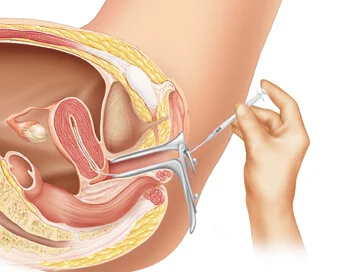
Fertility Nutrition for Women Over 40: Tips and Tricks for Conception
6. Limit Caffeine and Alcohol Intake
Both caffeine and alcohol have been linked to decreased fertility in women. Caffeine can affect hormone levels and disrupt ovulation, while alcohol can decrease the quality of eggs and sperm. It is recommended to limit caffeine intake to 200mg per day (equivalent to one cup of coffee) and to avoid alcohol completely when trying to conceive.
7. Consider Supplements
In addition to a balanced diet, supplements can also support fertility in women over 40. Some essential supplements to consider include prenatal vitamins, vitamin D, and CoQ10. Prenatal vitamins provide the necessary nutrients for a healthy pregnancy, while vitamin D can improve hormone balance and support reproductive health. CoQ10 is also beneficial for women over 40 as it can improve egg quality and increase the chances of conception.
8. Manage Stress Levels
Stress can significantly impact fertility, and women over 40 may experience more stress when trying to conceive due to various factors such as age and past experiences. It is essential to manage stress levels through relaxation techniques, exercise, and seeking support from loved ones or a therapist. Reducing stress can help regulate hormone levels and improve overall reproductive health.
9. Consult with a Nutritionist
If you are struggling with fertility, it may be beneficial to consult with a nutritionist who specializes in fertility. They can assess your current diet and provide personalized recommendations to support your fertility journey. They can also help create a meal plan that includes all the necessary nutrients for conception.
10. Be Patient and Persistent
Last but not least, it is crucial to be patient and persistent when trying to conceive, especially for women over 40. It may take longer to get pregnant, and there may be setbacks along the way. Be kind to yourself and trust in the process. Remember to focus on maintaining a healthy lifestyle and staying positive.
In conclusion, fertility nutrition is essential for women over 40 who are trying to conceive. A balanced diet, adequate intake of nutrients such as folate and healthy fats, staying hydrated, and managing stress levels are all crucial for improving fertility. Be patient, persistent, and don’t be afraid to seek support from a nutritionist or healthcare provider. With these tips and tricks, you can increase your chances of conception and support a healthy pregnancy.
Summary:
Fertility nutrition is crucial for women over 40 who are trying to conceive. A balanced diet that includes essential nutrients such as folate and healthy fats, staying hydrated, and managing stress levels can all improve fertility. It is also essential to limit caffeine and alcohol intake and consider supplements. Consulting with a nutritionist and being patient and persistent can also support the fertility journey.