Traditional Fertility Treatments: What to Expect and How to Cope
Trying to conceive a child can be a rollercoaster of emotions. For some, it may happen quickly and easily, but for others, it can be a long and challenging journey. When natural conception is not possible, many couples turn to fertility treatments to help them achieve their dream of becoming parents. However, the idea of undergoing fertility treatments can be daunting, and it’s natural to have concerns and questions. In this blog post, we will discuss traditional fertility treatments, what to expect, and how to cope with the process.
Understanding Fertility Treatments
Fertility treatments are medical procedures that aim to improve a couple’s chances of conceiving a child. These treatments are usually recommended when a couple has been trying to conceive for one year without success. However, if the woman is over 35, the time frame may be shortened to six months, as fertility declines with age.
There are various fertility treatments available, and the type recommended will depend on the underlying cause of infertility. Some of the most common traditional fertility treatments include:
1. Ovulation Induction – This treatment involves taking medication to stimulate the ovaries to produce more eggs.
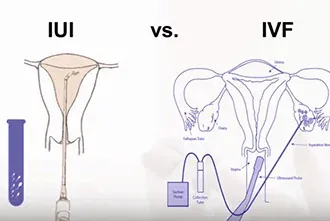
2. Intrauterine Insemination (IUI) – During this procedure, washed and prepared sperm is inserted directly into the uterus during the woman’s ovulation period.
3. In Vitro Fertilization (IVF) – This is a more complex procedure that involves retrieving eggs from the woman’s ovaries and fertilizing them with sperm in a laboratory. The resulting embryo is then transferred into the woman’s uterus.
4. Intracytoplasmic Sperm Injection (ICSI) – This is similar to IVF, but instead of fertilizing the eggs naturally, a single sperm is injected into the egg to achieve fertilization.
5. Surrogacy – In this option, a woman carries a child for another couple or individual.
Traditional Fertility Treatments: What to Expect and How to Cope
The fertility specialist will assess the couple’s medical history and conduct various tests to determine the most suitable treatment for them.
The Emotional Impact of Fertility Treatments
The journey of undergoing fertility treatments can be physically, emotionally, and financially draining. It’s a time filled with hope, anxiety, and uncertainty. Many couples may experience feelings of disappointment, frustration, and even grief when treatments fail. It’s essential to acknowledge and address these emotions, as they can affect the couple’s mental well-being and their relationship.
Tips for Coping with Fertility Treatments
1. Educate Yourself – Understanding the fertility treatment process can help alleviate some of the fears and uncertainties. Ask your fertility specialist questions and do your own research to gain a better understanding of the procedures.
2. Lean on Support – Going through fertility treatments can be isolating, but it’s crucial to have a support system. Lean on your partner, family, and friends for emotional support. You can also join support groups or seek therapy to help you cope with the emotional rollercoaster.
3. Practice Self-Care – Taking care of yourself during this time is essential. Eat healthily, get enough rest, and engage in activities that bring you joy and relaxation.
4. Communicate with Your Partner – Going through fertility treatments can put a strain on a relationship. It’s crucial to communicate openly and honestly with your partner and support each other through the process.
5. Seek Professional Help – Don’t be afraid to seek professional help if you’re struggling to cope with the emotional impact of fertility treatments. A therapist or counselor can provide you with tools and techniques to manage your emotions and support you through this journey.
What to Expect During Fertility Treatments
The process of undergoing fertility treatments can be overwhelming, but knowing what to expect can help ease some of the stress. The first step will be consulting with a fertility specialist who will assess your medical history and conduct various tests. Once a treatment plan is agreed upon, you will undergo the necessary procedures, which may include medication, blood tests, ultrasounds, and the actual fertility treatment.
The success rate of fertility treatments varies depending on several factors, such as age, underlying health conditions, and the type of treatment. It’s essential to have realistic expectations and be prepared for multiple attempts before achieving success.
In conclusion, traditional fertility treatments can be a challenging and emotional journey for couples struggling to conceive. It’s crucial to have a support system, communicate openly with your partner, and take care of yourself during this time. With the right mindset and support, you can navigate through the ups and downs of fertility treatments and hopefully achieve your dream of becoming parents.