Secondary infertility is a common but often overlooked issue that affects many couples who are trying to conceive. Unlike primary infertility, which is the inability to conceive a first child, secondary infertility refers to the difficulty in conceiving after a previous successful pregnancy. This can be a frustrating and emotional experience for those experiencing it, as they may have assumed that they would have no difficulty getting pregnant again. In this blog post, we will discuss a holistic guide to overcoming secondary infertility, including possible causes, traditional and alternative treatments, and tips for supporting mental health during this journey.
Possible Causes of Secondary Infertility
There are several potential causes of secondary infertility, including age, hormonal imbalances, and underlying health conditions. As women age, their fertility naturally decreases, making it more difficult to conceive. Hormonal imbalances, such as irregular ovulation or low progesterone levels, can also affect a woman’s ability to get pregnant. Additionally, underlying health conditions such as endometriosis, polycystic ovary syndrome (PCOS), or uterine fibroids can also contribute to secondary infertility.
Traditional Treatments for Secondary Infertility
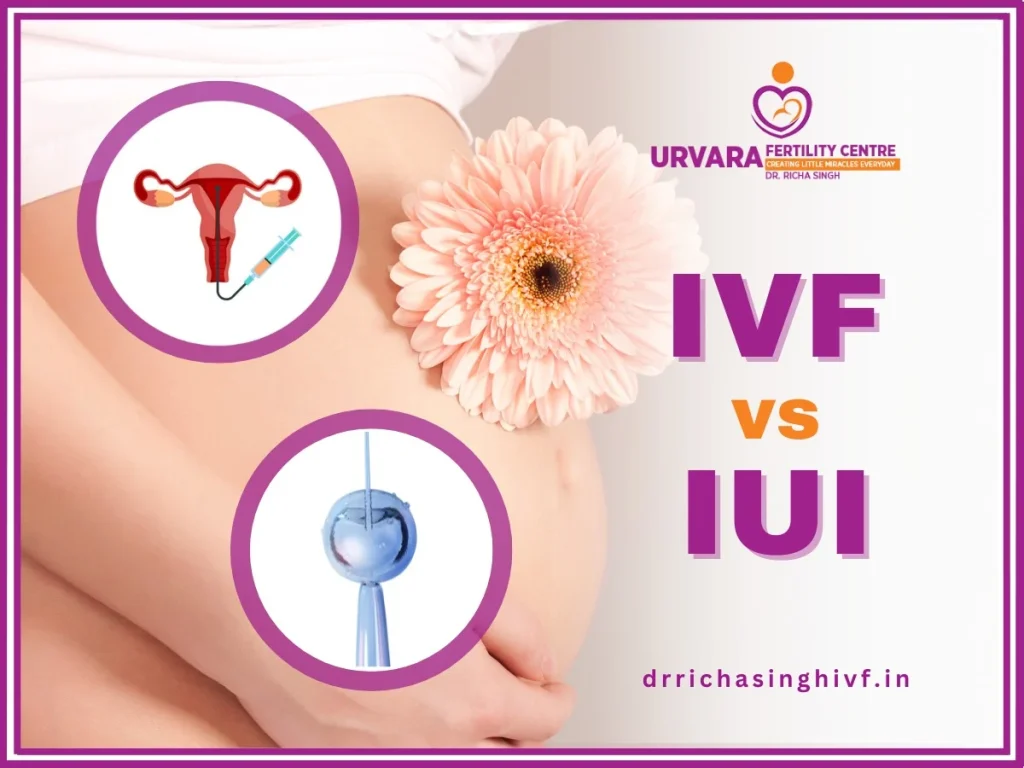
The most common traditional treatment for secondary infertility is fertility medication, such as Clomid or Letrozole, which can help stimulate ovulation. In some cases, intrauterine insemination (IUI) or in vitro fertilization (IVF) may also be recommended. These treatments can be effective, but they can also be expensive and come with potential side effects. It’s essential to discuss all options with a fertility specialist and understand the potential risks and benefits before moving forward with any treatment.
Alternative Treatments for Secondary Infertility
In addition to traditional treatments, there are also alternative approaches that can be used to help overcome secondary infertility. These include acupuncture, herbal remedies, and dietary changes. Acupuncture has been shown to improve fertility by promoting blood flow to the pelvic area and reducing stress levels. Herbal remedies, such as maca root or chasteberry, can help regulate hormones and improve fertility. Dietary changes, such as increasing intake of whole foods and reducing processed foods, can also have a positive impact on fertility.
A Holistic Guide to Overcoming Secondary Infertility
Holistic Approaches to Overcoming Secondary Infertility
Taking a holistic approach to overcoming secondary infertility means addressing not just the physical aspects but also the mental and emotional aspects of fertility. This includes reducing stress levels, improving overall health and well-being, and creating a supportive environment. Some holistic practices that can be beneficial for those struggling with secondary infertility include yoga, meditation, and journaling. These activities can help reduce stress and promote relaxation, which can have a positive impact on fertility.
Supporting Mental Health During the Journey
The journey of overcoming secondary infertility can be emotionally and mentally taxing. It’s crucial for those experiencing it to take care of their mental health and seek support when needed. This can include therapy, support groups, or talking to friends and family. It’s also essential to practice self-care and find healthy ways to cope with the emotions that come with this experience. This can include exercise, spending time in nature, or engaging in hobbies and activities that bring joy.
In Conclusion
Overcoming secondary infertility is a challenging and complex journey, but it’s important to remember that there is hope. By understanding the possible causes, exploring traditional and alternative treatments, and taking a holistic approach to fertility, it is possible to overcome secondary infertility and achieve a successful pregnancy. It’s also crucial to prioritize mental health and seek support during this time. By taking care of both physical and emotional well-being, individuals and couples can navigate this journey and come out stronger in the end.
SEO metadata: