Intrauterine Insemination vs Intracervical Insemination: A Comparison of Side Effects
Intrauterine insemination (IUI) and intracervical insemination (ICI) are two commonly used fertility treatments that involve the direct placement of sperm into the reproductive tract of a woman. While both methods have been proven effective in helping couples conceive, they differ in terms of the side effects they may cause. In this blog post, we will compare the side effects of IUI and ICI to help you understand which option may be best for you.
What is Intrauterine Insemination (IUI)?
Intrauterine insemination, also known as artificial insemination, is a fertility treatment where sperm is placed directly into the uterus using a catheter. This method is often used for couples with unexplained infertility or when there are issues with sperm quality or quantity. It can also be used for same-sex couples or single women using donor sperm.
Side Effects of IUI
1. Cramping and Spotting: One of the most common side effects of IUI is mild cramping and spotting. This is caused by the insertion of the catheter into the cervix and uterus, which can irritate the lining of the uterus. The cramping and spotting usually subside within a few hours.
2. Infection: In rare cases, IUI can lead to an infection in the reproductive tract. This can be caused by bacteria introduced during the procedure or from an existing infection in the cervix or uterus. Signs of infection include fever, pelvic pain, and foul-smelling discharge. If you experience any of these symptoms, it is important to seek medical attention.
3. Multiple Births: While not a direct side effect of IUI, there is a higher chance of multiple births with this method. This is because multiple eggs may be released during ovulation, which can result in multiple fertilized eggs and a higher chance of twins or triplets. Multiple pregnancies can increase the risk of complications for both the mother and babies.
What is Intracervical Insemination (ICI)?
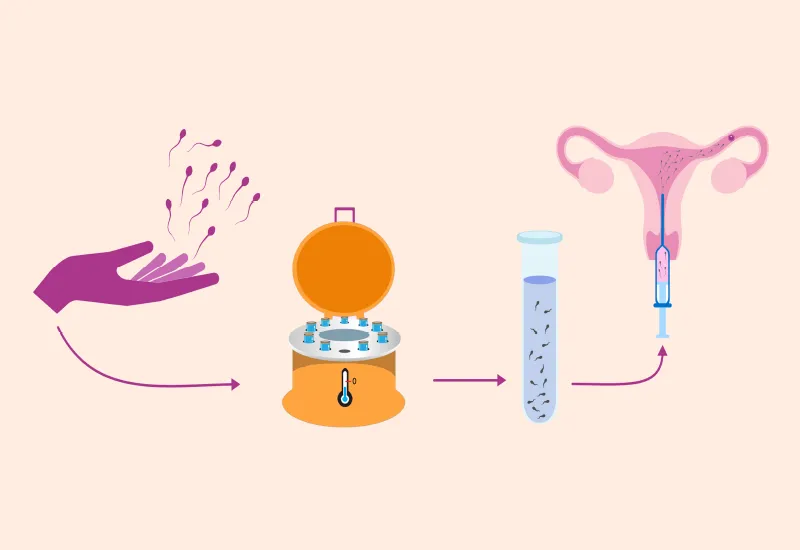
Intrauterine Insemination vs Intracervical Insemination: A Comparison of Side Effects
Intracervical insemination, also known as cervical insemination, is a fertility treatment where sperm is placed in the cervix using a syringe or soft catheter. This method is often used for couples with mild fertility issues or for at-home insemination using donor sperm.
Side Effects of ICI
1. Mild Discomfort: The insertion of the catheter into the cervix may cause mild discomfort for some women. This discomfort is usually temporary and can be relieved with over-the-counter pain medication.
2. Infection: As with IUI, there is a risk of infection with ICI. This can be caused by bacteria introduced during the procedure or from an existing infection in the cervix. It is important to follow proper hygiene practices and use sterile equipment to reduce the risk of infection.
3. Allergic Reaction: Some women may experience an allergic reaction to the sperm or the lubricant used during the procedure. This can cause itching, redness, and swelling in the vaginal area. If you have a known allergy to any of these substances, it is important to inform your doctor before the procedure.
Comparing the Side Effects
Overall, both IUI and ICI have similar side effects, with cramping and infection being the most common. However, IUI has a higher risk of infection and multiple births, while ICI may cause mild discomfort and a potential allergic reaction. It is important to discuss these potential side effects with your doctor and choose the method that is best for your specific situation.
Summary
Intrauterine insemination (IUI) and intracervical insemination (ICI) are two fertility treatments that involve the direct placement of sperm into the reproductive tract of a woman. While both methods have been proven effective, they differ in terms of the side effects they may cause. IUI has a higher risk of infection and multiple births, while ICI may cause mild discomfort and a potential allergic reaction. It is important to discuss these potential side effects with your doctor and choose the method that is best for your specific situation.