The Role of Science: Artificial Insemination or Natural Conception?
Science has played a significant role in human reproduction for centuries, from the discovery of the ovum and sperm to the development of fertility treatments. One of the most controversial topics in the field of reproductive science is the use of artificial insemination versus natural conception. While both methods have their advantages and disadvantages, the decision between them ultimately depends on various factors, including individual circumstances and preferences.
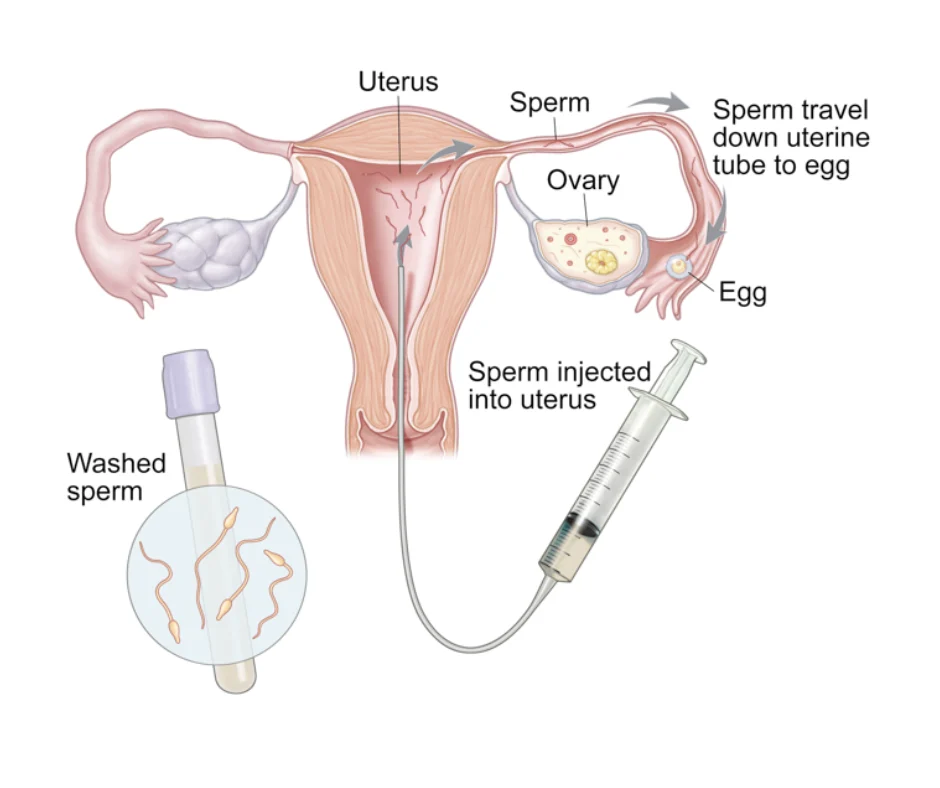
Artificial insemination, also known as intrauterine insemination (IUI), is a form of assisted reproductive technology (ART) that involves the direct placement of sperm into a woman’s uterus. This method is commonly used for couples who have been trying to conceive naturally but have not been successful due to male factor infertility, unexplained fertility issues, or same-sex couples. It is also an option for single women who wish to become pregnant. IUI can be performed with either the partner’s sperm or donor sperm, depending on the situation.
The process of artificial insemination starts with a thorough evaluation of the woman’s reproductive health, including hormone levels, ovulation, and the condition of her uterus and fallopian tubes. If any issues are detected, they can be addressed before the procedure to increase the chances of success. The sperm is collected, washed, and prepared in a laboratory, ensuring that only the healthiest and most active sperm are used for insemination. The sperm is then inserted into the woman’s uterus using a thin catheter, which is a relatively painless and quick procedure.
One of the significant advantages of artificial insemination is that it bypasses any potential issues with male fertility. It also allows for the selection of healthy and viable sperm, increasing the chances of conception. The procedure itself is minimally invasive and less expensive compared to other fertility treatments like in vitro fertilization (IVF). It also has a higher success rate than natural conception, with up to 20% success rate per cycle.
However, artificial insemination also has its limitations and potential risks. The success rate decreases with age and certain medical conditions, such as blocked fallopian tubes or severe male factor infertility. There is also a risk of multiple pregnancies, which can be a concern for some couples. In addition, the use of donor sperm can raise ethical and legal concerns, especially when it comes to disclosing the information to the child.
The Role of Science: Artificial Insemination or Natural Conception?
On the other hand, natural conception is the most traditional and common method of conceiving a child. It involves the fertilization of an egg by sperm during sexual intercourse. This process is entirely natural and does not require any medical intervention. It also allows for the creation of a biological connection between the parents and the child.
Natural conception has its benefits, such as being the most affordable and accessible option for most couples. It also has a higher success rate for couples with no underlying fertility issues. In addition, it eliminates the need for any medical procedures or the use of donor sperm, addressing the ethical and legal concerns mentioned earlier.
However, natural conception is not always feasible for all couples. It requires both partners to have healthy reproductive systems and the ability to ovulate and produce sperm. Infertility affects approximately 1 in 8 couples, making natural conception a challenging option for many. It also does not allow for the selection of healthy sperm, increasing the risk of genetic disorders or fertility issues in the child.
In conclusion, the decision between artificial insemination and natural conception ultimately depends on the individual circumstances of each couple. For couples struggling with infertility, artificial insemination may be the best option to increase their chances of conceiving. However, for those who can conceive naturally, natural conception may be the preferred and more ethical choice. It is essential to consult with a fertility specialist and weigh the pros and cons of each method before making a decision.
In the ever-evolving field of reproductive science, both artificial insemination and natural conception have their place in helping couples achieve their dream of starting a family. As science continues to advance, it is crucial to have open and honest discussions about the role of science in human reproduction and the ethical considerations that come with it.
SEO metadata: