Blog Post:
When it comes to starting a family, many couples turn to at-home insemination as a more affordable and convenient option compared to traditional fertility treatments. However, the success rates of at-home insemination can vary greatly, and one important factor that may impact these rates is the quality of sperm used. In this blog post, we will explore the impact of sperm quality on at-home insemination success rates and provide tips on how to improve sperm quality for those considering this method of conception.
Understanding Sperm Quality:
Before we dive into the impact of sperm quality on at-home insemination, it is essential to understand what sperm quality means. Sperm quality refers to the health and characteristics of the sperm, which can greatly affect its ability to fertilize an egg. Sperm quality is typically evaluated based on three main factors: sperm count, motility (movement), and morphology (shape and size). A higher sperm count, good motility, and normal morphology are all indicators of healthy sperm.
The Impact of Sperm Quality on At-Home Insemination Success Rates:
Now that we have a better understanding of sperm quality, let’s explore how it can affect the success rates of at-home insemination. The quality of sperm used in at-home insemination can greatly impact the chances of successful fertilization and pregnancy. Here are some potential ways that sperm quality can impact at-home insemination success rates:
1. Low Sperm Count: One of the most common issues that can affect at-home insemination success rates is a low sperm count. A low sperm count means there are not enough sperm present to fertilize the egg, reducing the chances of conception. This is why it is crucial to have a sperm analysis done before attempting at-home insemination to ensure that the sperm count is within the normal range.
2. Poor Sperm Motility: Sperm motility is crucial as it allows the sperm to travel and reach the egg for fertilization. If sperm has poor motility, it may not be able to reach the egg, resulting in a lower success rate for at-home insemination. Factors such as age, lifestyle habits, and underlying medical conditions can all affect sperm motility.
3. Abnormal Sperm Morphology: Sperm with abnormal morphology may have difficulty fertilizing an egg, leading to a lower success rate for at-home insemination. Sperm with abnormal morphology may have issues with their head, tail, or midpiece, which can affect their ability to reach and penetrate the egg.
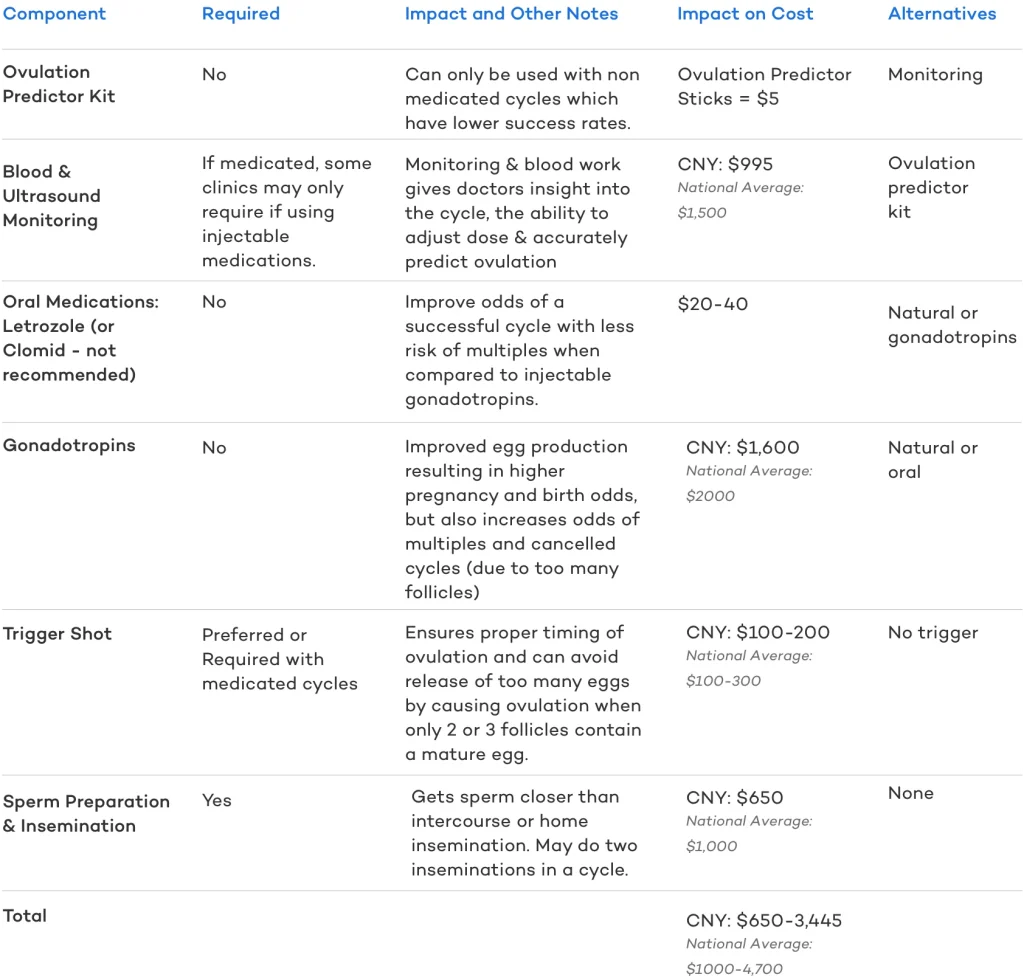
The Impact of Sperm Quality on At-Home Insemination Success Rates
4. Other Factors: In addition to the above factors, there are other potential factors that can impact sperm quality and, in turn, at-home insemination success rates. These can include genetic factors, infections, hormonal imbalances, and exposure to environmental toxins.
Improving Sperm Quality for At-Home Insemination Success:
While there are factors that can affect sperm quality that are out of our control, there are also steps that can be taken to improve sperm quality and increase the chances of success for at-home insemination. Here are some tips to consider:
1. Maintain a Healthy Lifestyle: A healthy lifestyle is essential for overall well-being, including sperm health. Eat a balanced diet, exercise regularly, and avoid unhealthy habits such as smoking and excessive alcohol consumption. These lifestyle changes can help improve sperm quality and increase the chances of successful at-home insemination.
2. Consider Supplements: Certain supplements, such as zinc and folic acid, have been shown to improve sperm quality. If you are considering at-home insemination, talk to your doctor about which supplements may be beneficial for you and your partner.
3. Monitor Ovulation: Timing is crucial for successful at-home insemination. Make sure to track ovulation using methods such as ovulation predictor kits or basal body temperature charts to ensure the sperm is introduced at the optimal time for fertilization.
4. Seek Medical Assistance: If you have been struggling with fertility or have concerns about sperm quality, it is essential to seek medical assistance. A fertility specialist can evaluate sperm quality and provide recommendations for improving it, as well as offer alternative options for conception if at-home insemination is not successful.
In conclusion, the quality of sperm used in at-home insemination can significantly impact its success rates. Low sperm count, poor motility, and abnormal morphology are all factors that can decrease the chances of successful fertilization and pregnancy. However, by making lifestyle changes, considering supplements, and seeking medical assistance, couples can improve sperm quality and increase their chances of successful at-home insemination.
Summary:
At-home insemination is a popular option for couples looking to start a family, but its success rates can vary. One critical factor that can impact these rates is sperm quality. Sperm quality refers to the health and characteristics of the sperm, including sperm count, motility, and morphology. A low sperm count, poor motility, and abnormal morphology can all decrease the chances of successful at-home insemination. However, there are steps that can be taken to improve sperm quality, such as maintaining a healthy lifestyle, taking supplements, and seeking medical assistance. By understanding the impact of sperm quality and implementing these tips, couples can increase their chances of successful at-home insemination.