Tag: lifestyle choices

  • The Impact of Lifestyle Factors on Sperm Analysis and Semen Analysis Results

    Blog Post:

    Sperm analysis and semen analysis are important tools used in fertility testing for men. These tests assess the quantity and quality of a man’s sperm, which can have a significant impact on the chances of conceiving a child. While there are many factors that can affect sperm analysis results, lifestyle factors play a crucial role.

    In this blog post, we will explore the impact of lifestyle factors on sperm analysis and semen analysis results, and how making healthy choices can improve fertility outcomes.

    1. Diet and Nutrition

    The food we eat can have a direct impact on our overall health, including our reproductive health. A healthy and balanced diet is essential for optimal sperm production and function. A diet rich in antioxidants, vitamins, and minerals can help protect sperm from oxidative stress and DNA damage.

    On the other hand, a poor diet high in processed foods, trans fats, and added sugars can lead to inflammation and oxidative stress, which can negatively affect sperm quality. Studies have shown that men with a high intake of processed and fast foods have lower sperm counts and motility compared to those who have a healthier diet.

    2. Weight and BMI

    Being overweight or obese can have a significant impact on sperm quality. Excess body fat can lead to hormonal imbalances, such as increased estrogen levels, which can affect sperm production. Obesity is also linked to insulin resistance, which can lead to inflammation and oxidative stress, both of which can damage sperm.

    On the other hand, being underweight can also affect sperm production and quality. Studies have shown that men with a low BMI have lower sperm counts and motility compared to men with a healthy weight. Maintaining a healthy weight through a balanced diet and regular exercise is crucial for optimal sperm health.

    3. Alcohol and Drug Use

    Excessive alcohol consumption and drug use, including tobacco and marijuana, can have a detrimental effect on sperm quality. Alcohol and drugs can lead to oxidative stress and damage to sperm DNA, which can affect sperm count and motility. Heavy alcohol consumption has also been linked to decreased testosterone levels, which can impact fertility.

    Additionally, smoking cigarettes has been shown to decrease sperm count and motility, as well as increase the number of abnormal sperm. Marijuana use has also been linked to lower sperm counts and motility, as well as changes in sperm morphology.
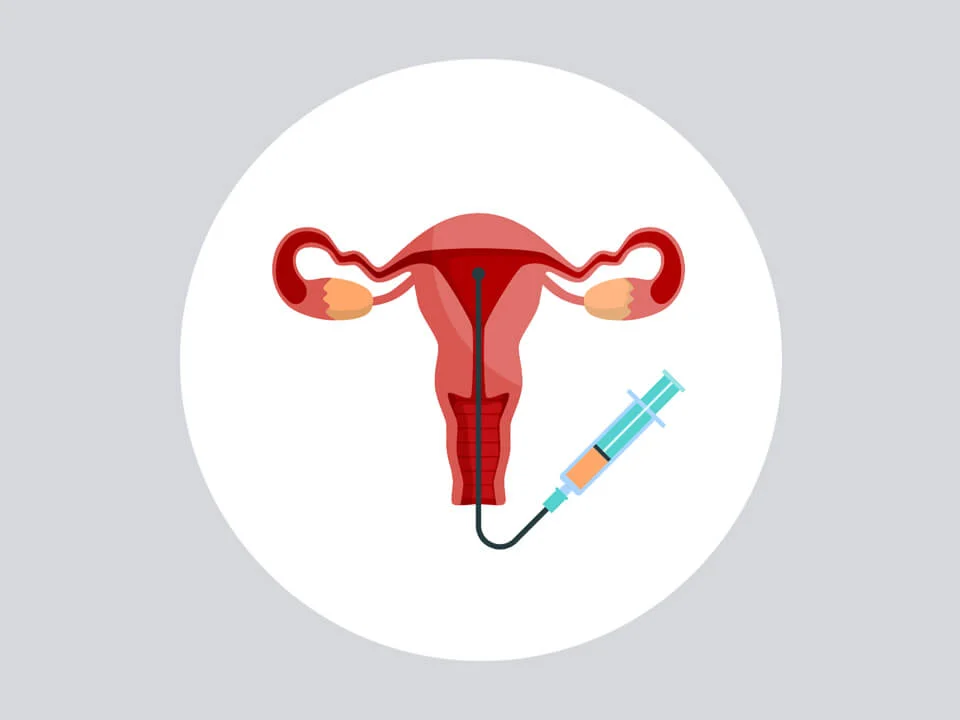
    Illustration of a uterus with a syringe, representing intrauterine insemination (IUI) procedure.

    The Impact of Lifestyle Factors on Sperm Analysis and Semen Analysis Results

    4. Exercise and Physical Activity

    Regular exercise and physical activity have been shown to have a positive impact on sperm quality. Exercise can help maintain a healthy weight, improve insulin sensitivity, and reduce oxidative stress, all of which can improve sperm production and function.

    However, excessive exercise and intense physical activity can have the opposite effect. Studies have shown that endurance athletes and men who engage in high-intensity exercise have lower sperm counts and motility compared to men who are moderately active.

    5. Stress and Mental Health

    Chronic stress and mental health issues, such as anxiety and depression, can affect sperm quality. Stress can lead to hormonal imbalances, increased oxidative stress, and inflammation, all of which can damage sperm.

    Moreover, men with mental health issues may also have lower levels of testosterone, which can impact sperm production. Seeking treatment and finding healthy ways to manage stress can help improve sperm quality and overall fertility.

    6. Environmental Factors

    Exposure to certain environmental factors can also affect sperm quality. Chemicals and toxins found in the workplace, such as pesticides and heavy metals, can have a negative impact on sperm production and function. Exposure to high temperatures, such as in saunas or hot tubs, can also temporarily decrease sperm production.

    To minimize exposure to harmful environmental factors, it is essential to take necessary precautions and use protective gear when working with chemicals. It is also recommended to avoid prolonged exposure to high temperatures and to take breaks when needed.

    Conclusion:

    In conclusion, lifestyle factors have a significant impact on sperm analysis and semen analysis results. Making healthy choices, such as maintaining a balanced diet, exercising regularly, and reducing stress, can help improve sperm quality and increase the chances of conceiving. Avoiding harmful habits, such as excessive alcohol and drug use, is also crucial for optimal fertility outcomes. By taking care of our overall health and well-being, we can improve our chances of starting a family.

    Summary:

    Sperm analysis and semen analysis are essential for assessing male fertility. However, lifestyle factors can significantly impact the results of these tests. A healthy diet, maintaining a healthy weight, avoiding alcohol and drug use, regular exercise, managing stress, and minimizing exposure to environmental factors are all important for optimal sperm quality and fertility outcomes.
  • The Impact of Lifestyle on Male and Female Factor Infertility: How to Improve Your Chances

    Infertility affects millions of couples worldwide, with about one in six couples struggling to conceive. While there are many factors that can contribute to infertility, lifestyle choices can play a significant role in both male and female factor infertility. In this blog post, we will explore the impact of lifestyle on infertility and provide tips on how to improve your chances of conceiving.

    Male Factor Infertility:

    When it comes to male factor infertility, there are several lifestyle factors that can affect sperm quality and quantity. These include:

    1. Smoking: Research has shown that smoking can significantly decrease sperm count, motility, and morphology. It can also increase the risk of genetic abnormalities in sperm, leading to infertility or birth defects in the baby.

    2. Alcohol consumption: Excessive alcohol consumption can lower testosterone levels and affect sperm production. It can also lead to erectile dysfunction, which can make it difficult to conceive.

    3. Drug use: Recreational drug use, such as marijuana and cocaine, can affect sperm production and quality.

    4. Obesity: Being overweight or obese can lead to hormonal imbalances, which can affect sperm production and quality. It can also increase the risk of erectile dysfunction and decrease libido.

    5. Stress: Chronic stress can lead to hormonal imbalances and affect sperm production. It can also cause erectile dysfunction and decrease libido.

    To improve male fertility, it is essential to make healthy lifestyle choices. Quitting smoking, limiting alcohol consumption, avoiding drugs, maintaining a healthy weight, and managing stress can all help improve sperm quality and increase the chances of conception.

    Female Factor Infertility:

    In women, lifestyle choices can also have a significant impact on fertility. These include:

    1. Smoking: Smoking can affect a woman’s fertility by damaging her eggs and reducing her ovarian reserve. It can also increase the risk of miscarriage and ectopic pregnancy.

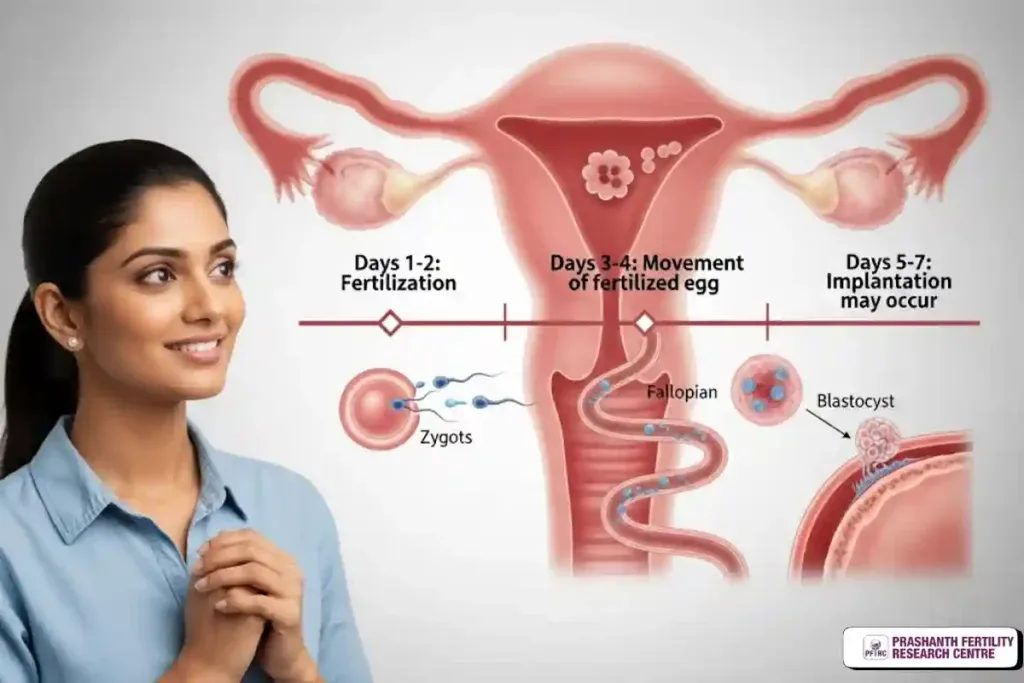
    Illustration showing fertilization and implantation timeline with a woman looking hopeful.

    The Impact of Lifestyle on Male and Female Factor Infertility: How to Improve Your Chances

    2. Alcohol consumption: Excessive alcohol consumption can lead to irregular menstrual cycles, making it difficult to predict ovulation and conceive.

    3. Drug use: Similar to men, recreational drug use can affect a woman’s fertility by disrupting her menstrual cycle and ovulation.

    4. Obesity: Being overweight or obese can lead to hormonal imbalances and affect ovulation. It can also increase the risk of insulin resistance and polycystic ovary syndrome (PCOS), both of which can cause infertility.

    5. Stress: Chronic stress can affect a woman’s menstrual cycle and ovulation, making it difficult to conceive. It can also increase the risk of conditions like endometriosis, which can cause infertility.

    To improve female fertility, it is crucial to make healthy lifestyle choices. Quitting smoking, limiting alcohol consumption, avoiding drugs, maintaining a healthy weight, and managing stress can all help regulate menstrual cycles and increase the chances of conception.

    Tips for Improving Your Chances of Conceiving:

    1. Eat a healthy diet: A well-balanced diet rich in fruits, vegetables, and lean proteins can provide essential nutrients for reproductive health. It is also essential to limit processed foods and sugar, as they can lead to inflammation and hormonal imbalances.

    2. Exercise regularly: Regular physical activity can help maintain a healthy weight and reduce stress levels, both of which are crucial for fertility.

    3. Limit caffeine intake: Studies have shown that excessive caffeine consumption can affect ovulation and decrease fertility in women. It is recommended to limit caffeine intake to 200mg per day.

    4. Get enough sleep: Adequate sleep is crucial for reproductive health and hormone regulation. Aim for 7-9 hours of sleep per night to improve your chances of conceiving.

    5. Consider supplements: Certain supplements, such as folic acid, can help improve fertility in both men and women. Consult with your doctor to determine which supplements may be beneficial for you.

    6. Seek medical help if needed: If you have been trying to conceive for over a year (or six months if you are over 35), it is essential to seek medical help. A fertility specialist can help identify any underlying issues and provide treatment options.

    In conclusion, lifestyle choices can have a significant impact on both male and female fertility. Making healthy lifestyle changes, such as quitting smoking, limiting alcohol consumption, and managing stress, can improve sperm and egg quality, regulate menstrual cycles, and increase the chances of conceiving. If you are struggling to conceive, it is essential to seek medical help and explore all possible factors, including lifestyle, that may be contributing to infertility.

  • Fertility Facts: Debunking Myths About Male and Female Factor Treatments

    Blog Post: Fertility Facts: Debunking Myths About Male and Female Factor Treatments

    Fertility is a topic that is often shrouded in myths and misconceptions, especially when it comes to male and female factor treatments. Many couples struggling to conceive may feel overwhelmed and confused by the conflicting information out there. In this blog post, we will explore some of the most common fertility myths and debunk them with facts about male and female factor treatments.

    Myth #1: Fertility Issues are Only a Woman’s Problem

    One of the most common misconceptions about fertility is that it is solely the woman’s responsibility to conceive. While it is true that women play a significant role in the process, fertility issues can also arise from male factors. In fact, 1 in 3 cases of infertility is due to male factors alone, and in another 1 in 3 cases, both male and female factors contribute to the problem.

    Male fertility issues can include low sperm count, poor sperm motility, and abnormal sperm morphology. These issues can be caused by various factors such as hormonal imbalances, genetic conditions, and lifestyle choices. It is essential for both partners to undergo fertility testing to determine the root cause of their infertility and receive appropriate treatment.

    Myth #2: Fertility Problems are Rare

    Another misconception about fertility is that it is a rare problem. However, the reality is that infertility affects around 1 in 8 couples worldwide. It is a common issue that can be caused by various factors, including age, health conditions, and lifestyle choices. It is crucial for couples to seek help if they have been trying to conceive for over a year without success.

    Myth #3: Infertility is Always a Woman’s Fault

    Infertility is not a woman’s fault, and it is not something that can be controlled. Many factors contribute to fertility problems, including age, health conditions, and genetics. While women are often blamed for infertility, the truth is that it is a shared responsibility between both partners. It is essential to approach fertility as a team and support each other throughout the process.

    Myth #4: Fertility Treatment is Only for Women

    Another myth surrounding fertility is that treatment is only available for women. However, advancements in technology have made it possible for men to receive treatments for their fertility issues. Male factor treatments include lifestyle changes, medication, surgery, and assisted reproductive techniques such as intrauterine insemination (IUI) and in vitro fertilization (IVF). It is crucial for men to seek professional help if they are experiencing fertility problems.

    Myth #5: IVF is the Only Option for Infertility

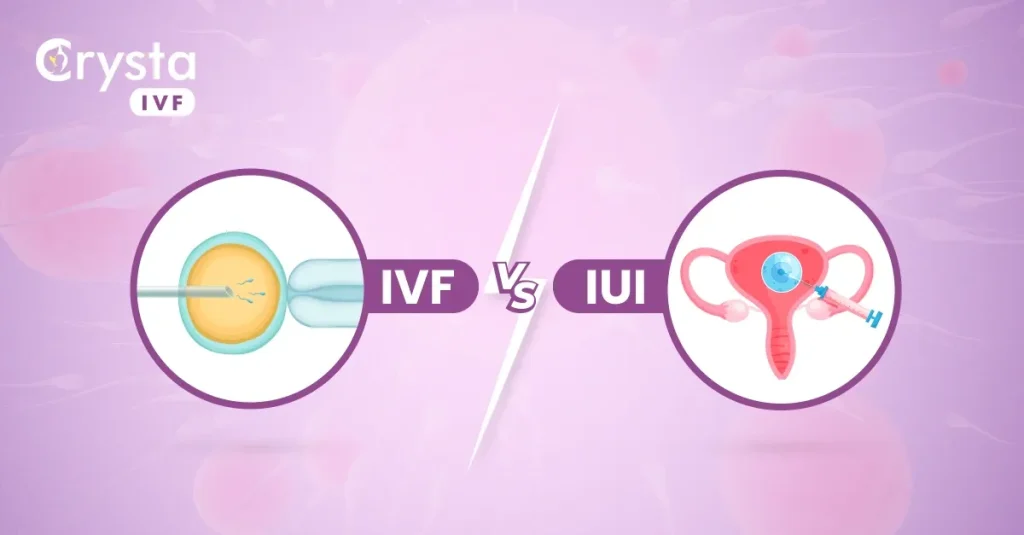
    Comparison of IVF and IUI procedures with illustrations of each method.

    Fertility Facts: Debunking Myths About Male and Female Factor Treatments

    In vitro fertilization (IVF) is a well-known fertility treatment that involves fertilizing an egg with sperm in a lab and then transferring the embryo into the woman’s uterus. While IVF has a high success rate, it is not the only option for couples struggling with infertility. Depending on the cause of infertility, other treatments such as medication, surgery, and intrauterine insemination (IUI) may be recommended by a fertility specialist. It is essential to consult with a specialist to determine the best course of treatment for each individual case.

    Myth #6: Fertility Treatment is Always Expensive

    The cost of fertility treatment varies depending on the type of treatment, location, and individual circumstances. While some treatments can be costly, there are also affordable options available, such as medication and lifestyle changes. Many fertility clinics also offer financing options and discounts to make treatment more accessible to couples.

    Myth #7: Fertility Treatment Always Results in Multiple Births

    One of the most common fears about fertility treatment is the risk of multiple births. While it is true that some treatments, such as IVF, can increase the chances of multiple births, it is not always the case. With advancements in technology and medical protocols, fertility specialists can now control and monitor the number of embryos transferred to reduce the risk of multiple births.

    Myth #8: Age Does Not Affect Male Fertility

    While women are often warned about the impact of age on their fertility, men are often left out of the conversation. The truth is that age does play a role in male fertility. As men age, their sperm quality and quantity decrease, making it more challenging to conceive. It is crucial for couples to be aware of this and seek help if they have been trying to conceive for over a year.

    Myth #9: Lifestyle Choices Do Not Affect Fertility

    Many lifestyle choices can have a significant impact on fertility for both men and women. These choices include smoking, excessive alcohol consumption, drug use, and a poor diet. These habits can affect hormone levels, sperm quality, and overall reproductive health. It is essential for couples to make healthy lifestyle choices to improve their chances of conceiving.

    Myth #10: Fertility Treatment is Guaranteed to Work

    While fertility treatment has a high success rate, it is not a guarantee. The success of treatment depends on various factors, including the cause of infertility, age, and overall health. It is essential for couples to have realistic expectations and be prepared for multiple treatment cycles if needed.

    In conclusion, there are many myths surrounding male and female factor treatments for fertility. It is essential for couples to educate themselves and seek help from a fertility specialist to receive accurate information and appropriate treatment. Remember, fertility is a shared responsibility, and it is crucial to support each other through the journey.

  • Intrauterine Insemination vs Timed Intercourse: The Role of Sperm Quality in Conception

    Intrauterine insemination (IUI) and timed intercourse are two commonly used fertility treatments for couples struggling to conceive. Both methods involve the use of sperm to fertilize an egg, but there are some key differences between the two. One factor that plays a crucial role in the success of these treatments is the quality of sperm. In this blog post, we will explore the differences between IUI and timed intercourse and how sperm quality affects conception.

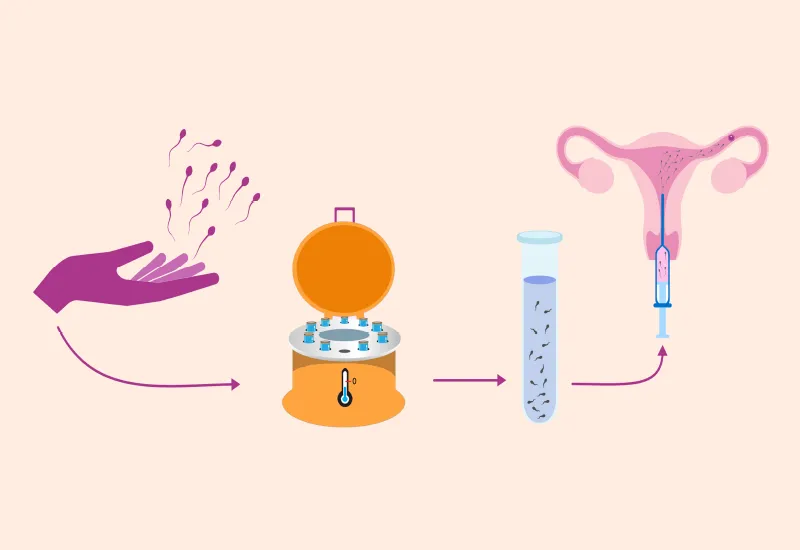
    First, let’s understand what IUI and timed intercourse entail. Intrauterine insemination (IUI) is a fertility treatment where washed and concentrated sperm is placed directly into a woman’s uterus during her ovulation period. This procedure is usually done in a doctor’s office and involves minimal discomfort. On the other hand, timed intercourse involves having sex during the woman’s fertile window, which is typically around the time of ovulation. This method relies on the natural process of sperm reaching the egg through intercourse.

    Now, let’s dive deeper into the role of sperm quality in these two treatments. Sperm quality is determined by several factors, including sperm count, motility (ability to move), morphology (shape and size), and overall health. Studies have shown that couples with low sperm quality may have difficulty conceiving through natural means, making fertility treatments like IUI and timed intercourse a viable option.

    In the case of IUI, sperm quality is crucial as the washed and concentrated sperm is directly placed into the uterus, increasing the chances of fertilization. If the sperm quality is poor, the chances of successful fertilization decrease significantly. This is why doctors often recommend men with low sperm quality to undergo treatments to improve their sperm quality before undergoing IUI.

    Similarly, timed intercourse also relies on sperm quality for successful conception. During the fertile window, the egg is only viable for a short period, and the sperm needs to be of high quality to reach and fertilize the egg. If the sperm quality is low, it may not be able to reach the egg, resulting in unsuccessful conception. This is why couples trying to conceive through timed intercourse may also need to focus on improving sperm quality.

    illustration of the IUI process, showing sperm collection, preparation, and insertion into the uterus

    Intrauterine Insemination vs Timed Intercourse: The Role of Sperm Quality in Conception

    So, what factors can affect sperm quality? One major factor is lifestyle habits. Smoking, excessive alcohol consumption, and drug use can all have a negative impact on sperm quality. Obesity, poor diet, and high stress levels can also contribute to poor sperm quality. Therefore, making healthy lifestyle choices and reducing stress can significantly improve sperm quality.

    Age is another factor that can affect sperm quality. As men age, the quality and quantity of their sperm may decrease. This is because the body’s ability to produce healthy sperm declines with age. This is why older couples may have a harder time conceiving through natural means and may need fertility treatments like IUI or timed intercourse.

    In addition to lifestyle and age, certain medical conditions and medications can also impact sperm quality. Medical conditions such as diabetes, testicular infections, and hormonal imbalances can affect sperm production and quality. Certain medications, such as those used for chemotherapy or to treat high blood pressure, may also have a negative impact on sperm quality.

    If a couple is considering IUI or timed intercourse, it is essential to have the male partner’s sperm quality evaluated by a doctor. This can be done through a semen analysis, which measures sperm count, motility, and morphology. Based on the results, the doctor can determine the best course of action for conception, whether it be IUI, timed intercourse, or other fertility treatments.

    In conclusion, sperm quality plays a crucial role in the success of both IUI and timed intercourse. Couples struggling to conceive should focus on improving sperm quality through healthy lifestyle choices and seeking medical help if needed. By understanding the importance of sperm quality and taking necessary steps to improve it, couples can increase their chances of successful conception.

    In summary, IUI and timed intercourse are two fertility treatments that rely on sperm quality for successful conception. Sperm quality is determined by various factors, including lifestyle habits, age, and medical conditions. Couples struggling to conceive should focus on improving sperm quality through healthy lifestyle choices and seek medical help if needed. By doing so, they can increase their chances of successful conception through IUI or timed intercourse.