Blog Post:
Sperm analysis and semen analysis are important tools used in fertility testing for men. These tests assess the quantity and quality of a man’s sperm, which can have a significant impact on the chances of conceiving a child. While there are many factors that can affect sperm analysis results, lifestyle factors play a crucial role.
In this blog post, we will explore the impact of lifestyle factors on sperm analysis and semen analysis results, and how making healthy choices can improve fertility outcomes.
1. Diet and Nutrition
The food we eat can have a direct impact on our overall health, including our reproductive health. A healthy and balanced diet is essential for optimal sperm production and function. A diet rich in antioxidants, vitamins, and minerals can help protect sperm from oxidative stress and DNA damage.
On the other hand, a poor diet high in processed foods, trans fats, and added sugars can lead to inflammation and oxidative stress, which can negatively affect sperm quality. Studies have shown that men with a high intake of processed and fast foods have lower sperm counts and motility compared to those who have a healthier diet.
2. Weight and BMI
Being overweight or obese can have a significant impact on sperm quality. Excess body fat can lead to hormonal imbalances, such as increased estrogen levels, which can affect sperm production. Obesity is also linked to insulin resistance, which can lead to inflammation and oxidative stress, both of which can damage sperm.
On the other hand, being underweight can also affect sperm production and quality. Studies have shown that men with a low BMI have lower sperm counts and motility compared to men with a healthy weight. Maintaining a healthy weight through a balanced diet and regular exercise is crucial for optimal sperm health.
3. Alcohol and Drug Use
Excessive alcohol consumption and drug use, including tobacco and marijuana, can have a detrimental effect on sperm quality. Alcohol and drugs can lead to oxidative stress and damage to sperm DNA, which can affect sperm count and motility. Heavy alcohol consumption has also been linked to decreased testosterone levels, which can impact fertility.
Additionally, smoking cigarettes has been shown to decrease sperm count and motility, as well as increase the number of abnormal sperm. Marijuana use has also been linked to lower sperm counts and motility, as well as changes in sperm morphology.
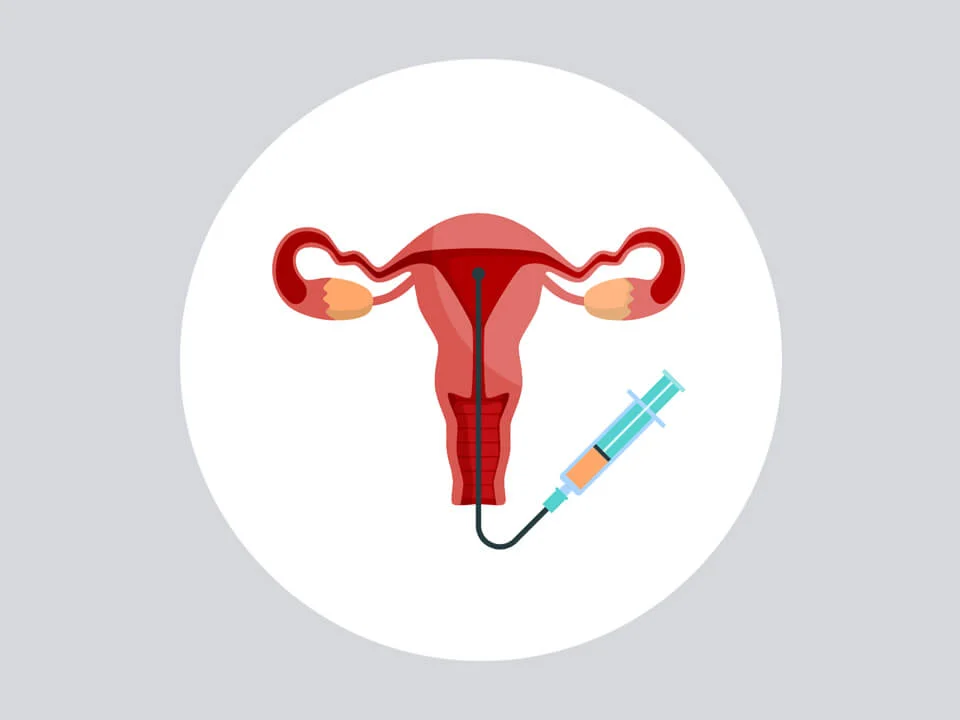
The Impact of Lifestyle Factors on Sperm Analysis and Semen Analysis Results
4. Exercise and Physical Activity
Regular exercise and physical activity have been shown to have a positive impact on sperm quality. Exercise can help maintain a healthy weight, improve insulin sensitivity, and reduce oxidative stress, all of which can improve sperm production and function.
However, excessive exercise and intense physical activity can have the opposite effect. Studies have shown that endurance athletes and men who engage in high-intensity exercise have lower sperm counts and motility compared to men who are moderately active.
5. Stress and Mental Health
Chronic stress and mental health issues, such as anxiety and depression, can affect sperm quality. Stress can lead to hormonal imbalances, increased oxidative stress, and inflammation, all of which can damage sperm.
Moreover, men with mental health issues may also have lower levels of testosterone, which can impact sperm production. Seeking treatment and finding healthy ways to manage stress can help improve sperm quality and overall fertility.
6. Environmental Factors
Exposure to certain environmental factors can also affect sperm quality. Chemicals and toxins found in the workplace, such as pesticides and heavy metals, can have a negative impact on sperm production and function. Exposure to high temperatures, such as in saunas or hot tubs, can also temporarily decrease sperm production.
To minimize exposure to harmful environmental factors, it is essential to take necessary precautions and use protective gear when working with chemicals. It is also recommended to avoid prolonged exposure to high temperatures and to take breaks when needed.
Conclusion:
In conclusion, lifestyle factors have a significant impact on sperm analysis and semen analysis results. Making healthy choices, such as maintaining a balanced diet, exercising regularly, and reducing stress, can help improve sperm quality and increase the chances of conceiving. Avoiding harmful habits, such as excessive alcohol and drug use, is also crucial for optimal fertility outcomes. By taking care of our overall health and well-being, we can improve our chances of starting a family.
Summary:
Sperm analysis and semen analysis are essential for assessing male fertility. However, lifestyle factors can significantly impact the results of these tests. A healthy diet, maintaining a healthy weight, avoiding alcohol and drug use, regular exercise, managing stress, and minimizing exposure to environmental factors are all important for optimal sperm quality and fertility outcomes.