The Hope of Success: Success Rates for Male and Female Factor Infertility Treatments
Infertility is a common issue faced by many couples around the world. While there are various factors that can contribute to infertility, male and female factors are the most prevalent. Male factor infertility refers to issues with the male reproductive system that make it difficult for a couple to conceive, while female factor infertility refers to problems with the female reproductive system. With advances in medical technology, there are now various treatments available for both male and female factor infertility. However, couples facing these challenges often wonder about the success rates of these treatments. In this blog post, we will explore the hope of success for male and female factor infertility treatments.
Male Factor Infertility Treatments
Male factor infertility accounts for approximately 40% of all infertility cases. The most common cause of male infertility is a low sperm count, which can be caused by a variety of factors such as hormonal imbalances, genetic disorders, and lifestyle choices. The good news is that there are multiple treatments available for male factor infertility, and the success rates have significantly improved in recent years.
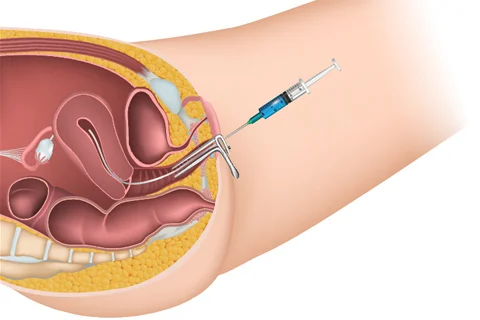
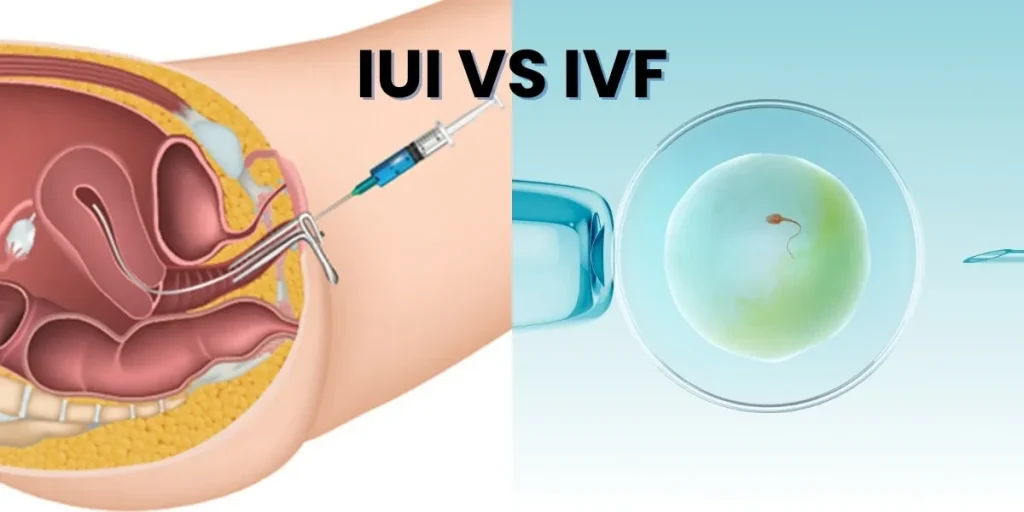
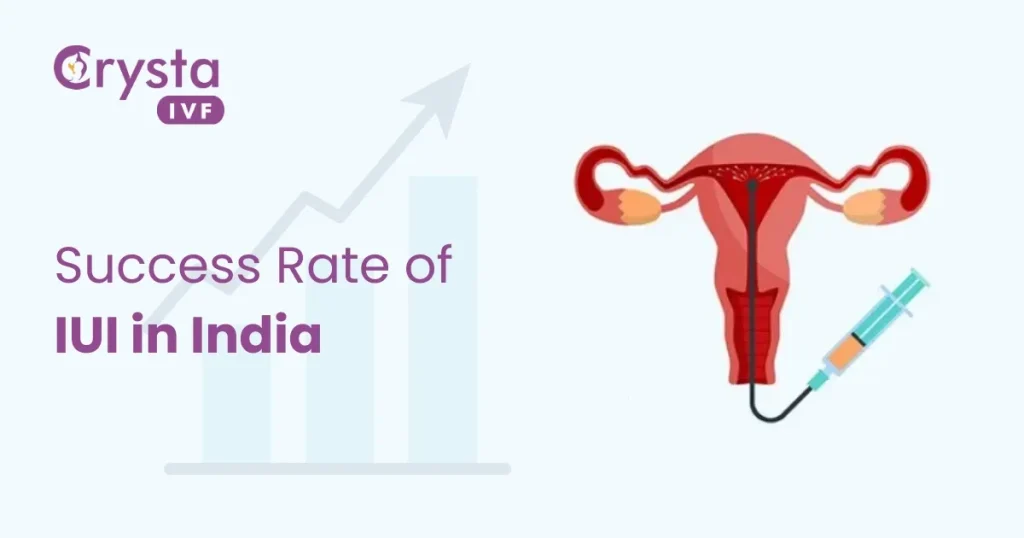
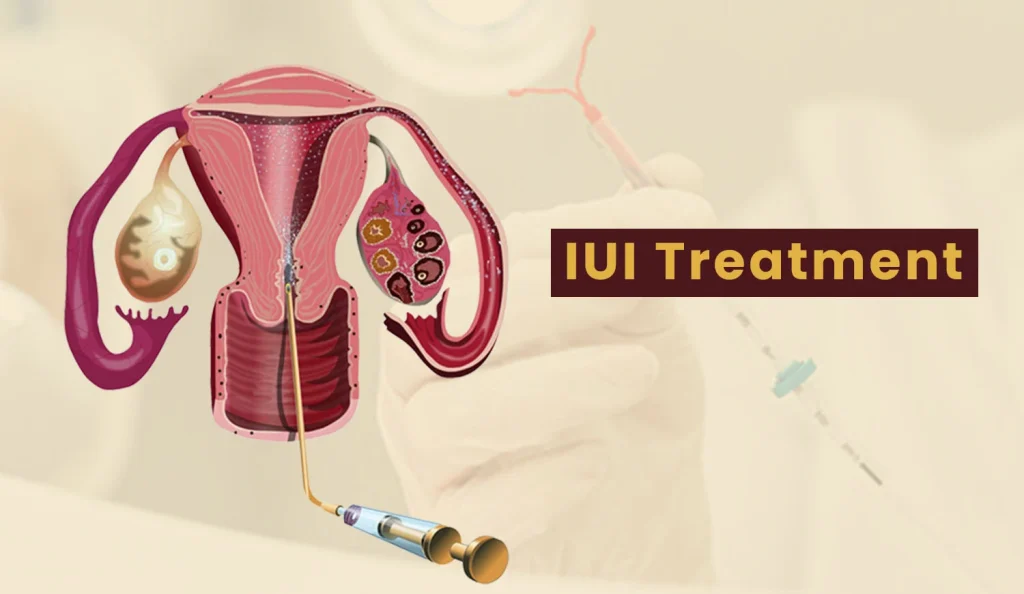
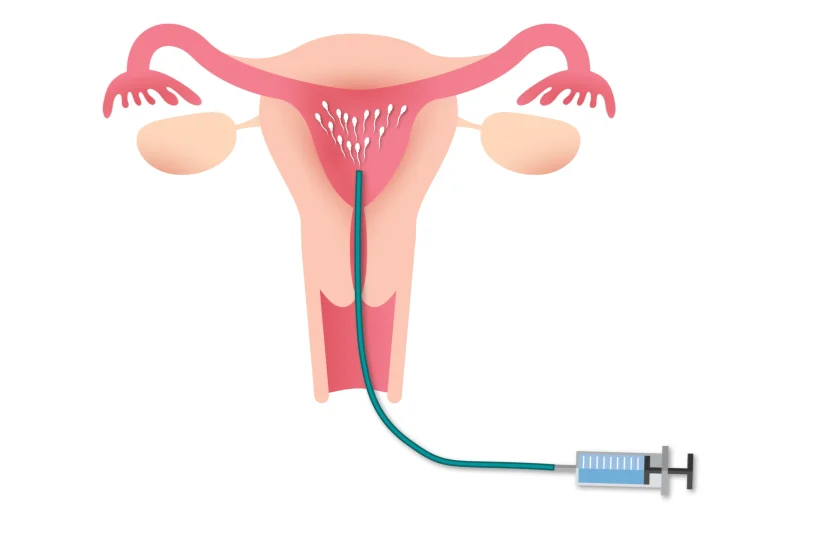
One of the most common treatments for male factor infertility is intrauterine insemination (IUI). During this procedure, the male partner’s sperm is washed and then inserted directly into the female partner’s uterus. The success rates for IUI vary depending on the underlying cause of male infertility, but it has been reported to have a success rate of 10-20% per cycle.
Another treatment option for male factor infertility is in vitro fertilization (IVF). This process involves combining the male partner’s sperm with the female partner’s egg in a lab setting and then transferring the resulting embryo into the woman’s uterus. IVF has a higher success rate than IUI, with a reported success rate of 40-45% per cycle. However, the success rates may vary depending on the woman’s age, the quality of the sperm, and other factors.
Male factor infertility can also be treated with intracytoplasmic sperm injection (ICSI). This procedure involves injecting a single sperm directly into the egg, which is then transferred into the woman’s uterus. ICSI has a higher success rate compared to IUI and IVF, with a reported success rate of 60-65% per cycle.
The Hope of Success: Success Rates for Male and Female Factor Infertility Treatments
Female Factor Infertility Treatments
Female factor infertility can be caused by a variety of factors, including hormonal imbalances, ovulation disorders, and structural issues with the reproductive organs. The success rates for female factor infertility treatments also vary depending on the specific cause of infertility.
One of the most common treatments for female factor infertility is ovulation induction. This involves taking medication to stimulate the ovaries to produce more eggs. The success rates for this treatment vary, but it has been reported to have a success rate of 20-60% per cycle, depending on the woman’s age and the underlying cause of infertility.
Another treatment option for female factor infertility is intrauterine insemination (IUI). As mentioned earlier, this involves placing the male partner’s sperm directly into the woman’s uterus. The success rates for IUI in cases of female factor infertility are slightly higher than in cases of male factor infertility, with a reported success rate of 15-20% per cycle.
In vitro fertilization (IVF) is also a popular treatment for female factor infertility. The success rates for IVF vary depending on the woman’s age, the quality of her eggs, and other factors. Generally, IVF has a success rate of 40-45% per cycle, but this can increase with the use of techniques such as preimplantation genetic testing (PGT).
In conclusion, both male and female factor infertility can be successfully treated with various medical interventions. While the success rates may vary, the advancements in technology have significantly increased the chances of success for couples struggling with infertility. It is important to consult with a fertility specialist to determine the best treatment plan based on individual circumstances.
Summary:
Infertility is a common issue faced by many couples, with male and female factors being the most prevalent causes. Fortunately, there are various treatments available for both male and female factor infertility, and the success rates have significantly improved in recent years. For male factor infertility, treatments such as IUI, IVF, and ICSI have reported success rates of 10-20%, 40-45%, and 60-65% per cycle, respectively. Female factor infertility can be treated with ovulation induction, IUI, and IVF, with success rates ranging from 20-60%, 15-20%, and 40-45% per cycle, respectively. With the advancements in technology, there is hope for success for couples struggling with infertility.