Blog Post:
When it comes to fertility treatments, age plays a significant role in both men and women. While there has been a focus on women’s age and its impact on fertility, the age of men also plays a crucial role in their ability to conceive. In this blog post, we will explore the role of age in male and female infertility treatments, the reasons behind it, and the available options for those struggling with infertility.
The Impact of Age on Female Fertility:
Age is a major factor in female infertility as women are born with a limited number of eggs, which decreases with age. As women age, their eggs also age, leading to a decline in both quantity and quality. This decline begins to accelerate after the age of 35 and can significantly impact a woman’s ability to conceive. Women in their 20s have a 20-25% chance of getting pregnant each month, while women in their 30s have a 15% chance, and women in their 40s have only a 5% chance.
Another factor that affects female fertility with age is the health of the uterus. As women age, the uterus may become less receptive to implantation, which can lead to difficulties in getting pregnant. This is due to changes in the quality and quantity of the uterine lining and can also affect the success rates of fertility treatments.
The Impact of Age on Male Fertility:
While the focus has primarily been on women’s age, the age of men also plays a crucial role in fertility. Men produce sperm throughout their lives, but as they age, the quality and quantity of sperm can decline. This decline can lead to difficulties in conception and a higher risk of genetic abnormalities in the offspring.
Research has shown that men over the age of 40 have a higher risk of producing sperm with genetic abnormalities, which can result in miscarriages or birth defects. Additionally, as men age, their sperm count decreases, making it more challenging to achieve pregnancy.
Infertility Treatments for Women:
The Role of Age in Male and Female Infertility Treatments
For women struggling with infertility due to age, there are several treatment options available. The most common and effective treatment is in-vitro fertilization (IVF). IVF involves retrieving eggs from the ovaries, fertilizing them with sperm in a laboratory, and then transferring the embryo into the uterus. IVF has a higher success rate for women under the age of 35, with success rates declining as women age.
Another option for women is egg freezing, which involves retrieving and freezing eggs at a younger age for future use. This allows women to preserve their fertility and use their younger, healthier eggs when they are ready to start a family.
Infertility Treatments for Men:
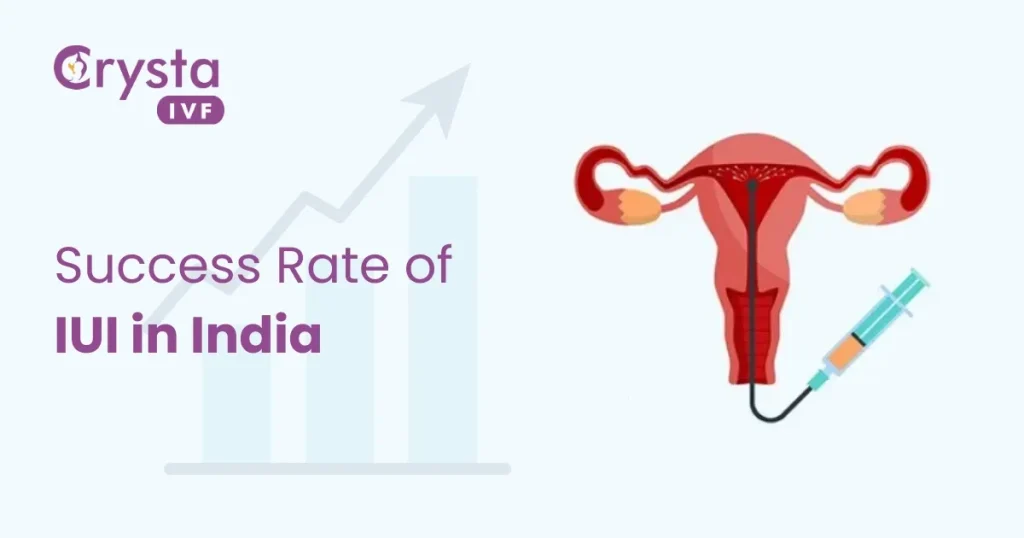
For men struggling with infertility due to age, there are also several treatment options available. One option is intrauterine insemination (IUI), which involves inserting washed and concentrated sperm directly into the uterus. This method is used for men with low sperm count or motility.
Another option is intracytoplasmic sperm injection (ICSI), which involves injecting a single sperm directly into the egg to achieve fertilization. This method is often used for men with low sperm count or poor sperm quality.
Lifestyle Factors:
Aside from age, there are also lifestyle factors that can contribute to infertility in both men and women. These include smoking, excessive alcohol consumption, and obesity. These factors can affect hormone levels, sperm count, and egg quality, making it more difficult to conceive. It is essential for both men and women to maintain a healthy lifestyle to improve their chances of conceiving.
In conclusion, age plays a significant role in both male and female fertility. As women age, their egg quantity and quality decline, while men may experience a decrease in sperm count and quality. This decline in fertility can make it more challenging to conceive naturally and also affect the success rates of fertility treatments. However, with advancements in technology and various treatment options available, many couples struggling with infertility can still achieve their dream of starting a family.
Summary:
Age is a crucial factor in both male and female fertility. As women age, their egg quantity and quality decline, while men may experience a decrease in sperm count and quality. This decline can make it more challenging to conceive and affect the success rates of fertility treatments. However, various treatment options such as IVF, egg freezing, IUI, and ICSI are available to help couples struggling with infertility. It is also essential for both men and women to maintain a healthy lifestyle to improve their chances of conceiving.
Leave a Reply