Male factor infertility is a common issue that affects many couples trying to conceive. While often overlooked, male infertility is responsible for 30-40% of infertility cases. Fortunately, there are various treatment options available for couples facing male factor infertility. In this blog post, we will discuss the different treatments for male infertility, from the least invasive to the most complex.
1. Intrauterine Insemination (IUI)
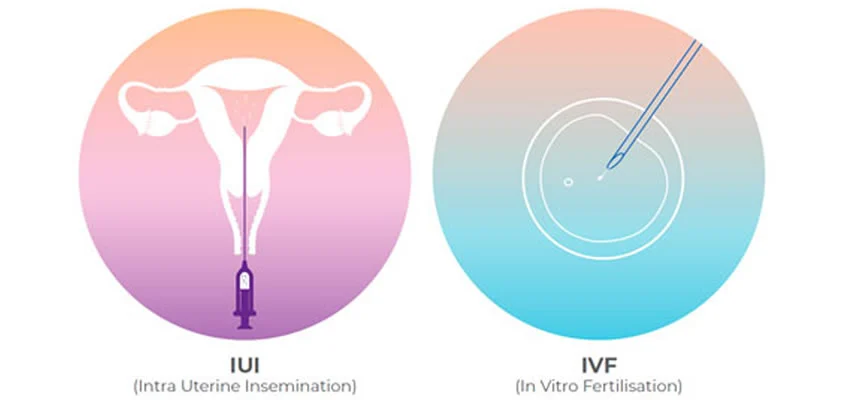
IUI is a less invasive option for male factor infertility. It involves placing washed and concentrated sperm directly into the woman’s uterus during ovulation. This procedure is often used for couples who have difficulty conceiving due to low sperm count or poor sperm motility. IUI can also be combined with ovulation induction medications to increase the chances of pregnancy.
2. In Vitro Fertilization (IVF)
IVF is a more advanced treatment option for male infertility. It involves fertilizing the woman’s eggs with sperm in a laboratory and then transferring the resulting embryo into the woman’s uterus. IVF is often recommended for couples with severe male factor infertility, such as low sperm count or poor sperm quality. It may also be used if other treatments, such as IUI, have been unsuccessful.
3. Intracytoplasmic Sperm Injection (ICSI)
ICSI is a specialized form of IVF that is used when there are severe male infertility issues, such as very low sperm count or poor sperm motility. It involves injecting a single sperm directly into the egg to fertilize it. This technique has a higher success rate compared to traditional IVF and is often used when there are limited viable sperm available for fertilization.
Male Factor Infertility Treatments: From IUI to Surgical Procedures
4. Surgical Procedures
In some cases, male infertility can be caused by obstructions or abnormalities in the reproductive organs. In these cases, surgical procedures may be recommended to correct the issue. For example, a varicocelectomy can be performed to repair enlarged veins in the scrotum, which can improve sperm count and quality. Other surgical procedures, such as vasectomy reversal or testicular sperm extraction (TESE), may also be recommended depending on the underlying cause of male infertility.
5. Assisted Reproductive Techniques (ART)
ART refers to a group of techniques used to assist with conception, including IUI, IVF, and ICSI. These techniques can be used in combination with each other to increase the chances of pregnancy for couples facing male factor infertility. ART is a highly effective treatment option, but it can also be costly and may involve multiple cycles before achieving a successful pregnancy.
6. Alternative Treatments
In addition to the above medical treatments, there are also some alternative therapies that may help with male infertility. These include acupuncture, herbal supplements, and lifestyle changes such as diet and exercise. While there is limited scientific evidence to support the effectiveness of these treatments, some couples may find them helpful in improving their chances of conception.
In conclusion, male factor infertility is a common issue that can be addressed through various treatment options. From the least invasive, such as IUI, to the most complex, like surgical procedures, there is a range of choices available to couples struggling with male infertility. It is essential to consult with a fertility specialist to determine the best treatment plan for each individual case.
Summary:
Male factor infertility affects 30-40% of couples trying to conceive. Treatment options include less invasive options such as IUI and more advanced options like IVF and ICSI. Surgical procedures may also be recommended for obstructions or abnormalities in the reproductive organs. Assisted reproductive techniques (ART) and alternative treatments can also be utilized. It is crucial to consult with a fertility specialist to determine the best treatment plan for each individual case.