Tag: fertility surgery

  • Female Factor Infertility Treatments: A Comprehensive Guide

    Female factor infertility is a condition that affects many women around the world. It refers to the inability of a woman to conceive or carry a pregnancy to full term due to issues with her reproductive system. This condition can be caused by a variety of factors such as hormonal imbalances, structural abnormalities, or medical conditions. Fortunately, there are various treatments available to help women overcome female factor infertility and achieve their dream of becoming mothers. In this comprehensive guide, we will explore the different options for treating female factor infertility and provide important information for women who are considering their treatment options.

    1. Fertility Medications:
    For women who have hormonal imbalances that are affecting their fertility, fertility medications may be recommended. These medications work by stimulating the production of hormones that are essential for ovulation and pregnancy. Some commonly used fertility medications include Clomiphene citrate, Gonadotropins, and Metformin. These medications can be taken orally or injected, and they are usually prescribed for a few months before moving on to other treatments.

    2. Intrauterine Insemination (IUI):
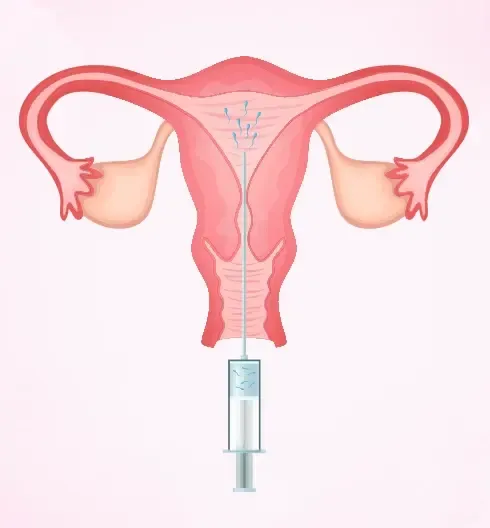
    Intrauterine insemination, also known as artificial insemination, is a procedure that involves placing sperm directly into a woman’s uterus using a catheter. This procedure is often recommended for women who have issues with their cervical mucus or for couples who have unexplained infertility. It is a simple and relatively painless procedure that can be done in a doctor’s office. The success rates of IUI vary, but it is generally less invasive and less expensive than other fertility treatments.

    3. In Vitro Fertilization (IVF):
    In vitro fertilization is a more complex and invasive fertility treatment that involves retrieving eggs from a woman’s ovaries and fertilizing them with sperm in a laboratory. The fertilized eggs (embryos) are then transferred into the woman’s uterus, where they have the potential to implant and result in a pregnancy. IVF is often recommended for women who have blocked or damaged fallopian tubes, severe endometriosis, or other reproductive issues. It is also used for women who have not had success with other fertility treatments.

    4. Egg Freezing:
    Egg freezing, also known as oocyte cryopreservation, is a procedure that involves retrieving a woman’s eggs and freezing them for future use. This can be a good option for women who want to preserve their fertility for medical reasons, such as cancer treatment, or for personal reasons, such as delaying pregnancy for career or educational pursuits. The eggs can be thawed and fertilized with sperm at a later time, and the resulting embryos can be transferred into the woman’s uterus through IVF.
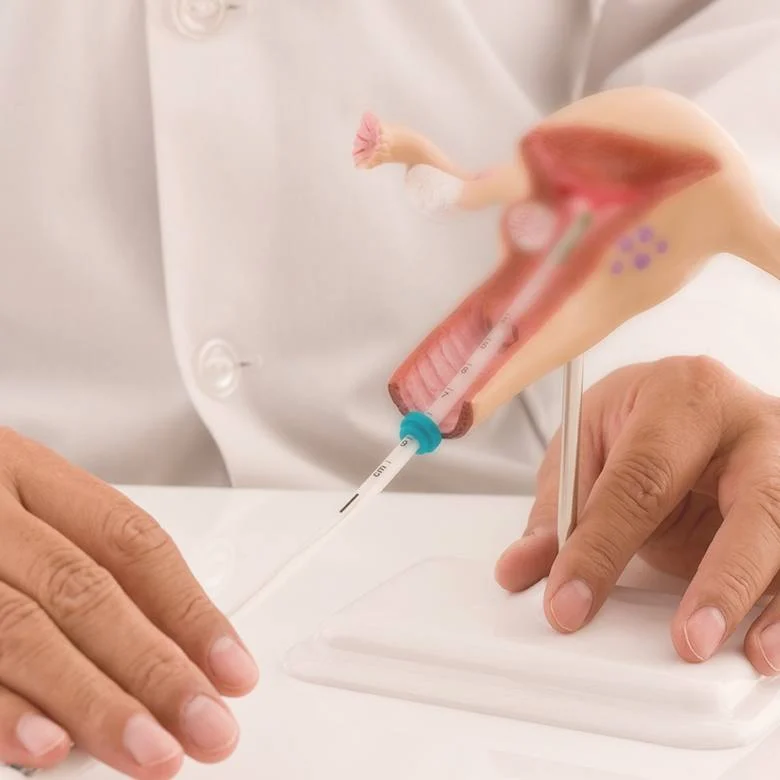
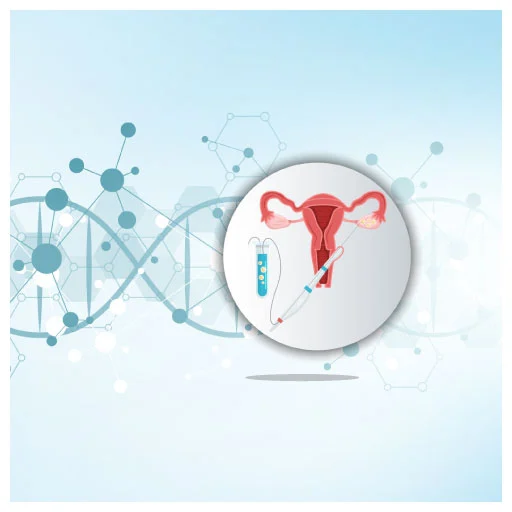
    model of the female reproductive system with a hand demonstrating intrauterine insemination technique

    Female Factor Infertility Treatments: A Comprehensive Guide

    5. Fertility Surgery:
    In some cases, fertility issues can be caused by structural abnormalities in a woman’s reproductive system. In these cases, fertility surgery may be recommended to correct the issue and improve the chances of conceiving. Some common fertility surgeries include laparoscopy, hysteroscopy, and tubal reanastomosis. These procedures are usually done to treat conditions such as endometriosis, uterine fibroids, or blocked fallopian tubes.

    6. Assisted Reproductive Technology (ART):
    Assisted reproductive technology (ART) refers to any fertility treatment that involves handling a woman’s eggs and sperm outside of the body. This includes IVF, IUI, and other procedures such as intracytoplasmic sperm injection (ICSI) and gamete intrafallopian transfer (GIFT). ART is often used for couples who have severe male factor infertility, as well as for women who have a low ovarian reserve or other fertility issues.

    7. Alternative Treatments:
    In addition to the traditional medical treatments mentioned above, there are also alternative treatments that some women may choose to try. These include acupuncture, herbal remedies, and mind-body techniques such as yoga and meditation. While there is limited scientific evidence to support the effectiveness of these treatments, some women have reported success in improving their fertility through these methods.

    In conclusion, female factor infertility can be a challenging and emotional journey for many women. However, with advancements in technology and medical treatments, there are now more options available for women who are struggling to conceive. It is important for women to consult with a fertility specialist to determine the cause of their infertility and to explore the best treatment options for their unique situation. With the right treatment, many women are able to overcome female factor infertility and fulfill their dream of starting a family.

    Summary:
    Female factor infertility refers to the inability of a woman to conceive or carry a pregnancy to full term due to issues with her reproductive system. There are various treatments available to help women overcome this condition, including fertility medications, intrauterine insemination, in vitro fertilization, egg freezing, fertility surgery, assisted reproductive technology, and alternative treatments. It is important for women to consult with a fertility specialist to determine the best treatment option for their unique situation. With the right treatment, many women are able to overcome female factor infertility and achieve their dream of becoming mothers.
  • Fertility Medications vs Surgery: The Effect on Intimacy and Relationships

    Blog Post: Fertility Medications vs Surgery: The Effect on Intimacy and Relationships

    Dealing with fertility issues can be a challenging and emotional journey for many couples. It can take a toll on one’s physical, mental, and emotional well-being, as well as their relationship with their partner. When fertility problems arise, couples often turn to various treatments, including fertility medications and surgery, in hopes of starting a family. However, these treatments can have a significant impact on intimacy and relationships, and it is essential to understand their effects before embarking on any fertility treatment journey.

    Fertility Medications:

    Fertility medications, also known as fertility drugs, are often the first line of treatment for couples struggling with infertility. These medications are usually prescribed to stimulate ovulation in women or increase sperm production in men. They come in various forms, including pills, injections, and nasal sprays, and are designed to help regulate the reproductive hormones and improve fertility.

    While fertility medications can be effective in increasing the chances of conception, they can also have side effects that can affect intimacy and relationships. Some common side effects of fertility drugs include mood swings, irritability, weight gain, and breast tenderness, which can lead to a decrease in sexual desire and intimacy. These physical and emotional changes can put a strain on a couple’s relationship, causing stress and tension between them.

    Moreover, the process of taking fertility medications can be time-consuming and stressful. Women often have to undergo frequent ultrasounds and blood tests to monitor their response to the medications, which can be physically and emotionally exhausting. This can lead to a decrease in sexual desire and intimacy, as couples may feel overwhelmed and disconnected from each other.

    Surgery:

    In some cases, fertility medications may not be enough to address fertility problems, and couples may need to turn to surgery. There are various surgical procedures available for both men and women, depending on the underlying cause of their infertility. For women, it may include procedures such as laparoscopy to remove scar tissue or endometriosis, or in vitro fertilization (IVF) to bypass any blockages in the fallopian tubes. For men, surgery can be performed to repair blockages in the reproductive organs or to retrieve sperm for IVF.

    While surgery may be a more invasive option compared to fertility medications, it can offer a more permanent solution to fertility problems. However, like any surgery, it comes with risks and potential side effects. These may include pain, infection, and scarring, which can affect a couple’s physical intimacy. Moreover, the recovery period after surgery can be lengthy, and couples may need to abstain from sexual activity for a period, which can put a strain on their relationship.

    Comparison of IUI and IVF treatments with diagrams of reproductive anatomy.

    Fertility Medications vs Surgery: The Effect on Intimacy and Relationships

    The Effect on Intimacy and Relationships:

    Both fertility medications and surgery can have a significant impact on intimacy and relationships. The emotional toll of dealing with fertility issues can lead to feelings of frustration, disappointment, and even shame. As a result, couples may withdraw from each other, leading to a breakdown in communication and intimacy. Furthermore, the physical changes and side effects caused by fertility treatments can put a strain on a couple’s sexual relationship, leading to a decrease in sexual desire and satisfaction.

    In addition to the impact on intimacy, fertility treatments can also affect a couple’s overall relationship. The stress and financial burden of these treatments can cause tension and disagreements between partners, leading to a breakdown in their relationship. It is crucial for couples to communicate openly and support each other during this challenging time to maintain a strong and healthy relationship.

    Managing the Effects on Intimacy and Relationships:

    While fertility medications and surgery can take a toll on intimacy and relationships, there are ways to manage their effects. It is essential for couples to communicate openly and honestly about their feelings, fears, and expectations. This can help them support each other and stay connected during the fertility treatment journey.

    Couples can also seek support from a therapist or a support group to help them navigate the emotional challenges of dealing with fertility issues. This can provide a safe space for couples to express their feelings and work through any issues that may arise. Additionally, couples can explore alternative ways to maintain intimacy, such as trying new activities together or practicing relaxation techniques.

    Conclusion:

    Dealing with fertility issues can be a difficult and emotional journey for couples, and the impact of fertility medications and surgery on intimacy and relationships should not be overlooked. While these treatments can offer hope for starting a family, it is crucial for couples to understand their effects and be prepared to manage them. Open communication, seeking support, and finding alternative ways to maintain intimacy can help couples navigate the challenges of fertility treatments and maintain a strong and healthy relationship.

    Summary:

    Fertility issues can have a significant impact on intimacy and relationships, and couples often turn to treatments such as fertility medications and surgery to address them. However, these treatments can also have side effects that can affect a couple’s physical and emotional intimacy. It is essential for couples to understand the effects of these treatments and find ways to manage them, such as open communication, seeking support, and finding alternative ways to maintain intimacy.

  • Exploring the Role of Acupuncture in Conjunction with Fertility Medications or Surgery

    Exploring the Role of Acupuncture in Conjunction with Fertility Medications or Surgery

    Infertility is a common issue that affects many couples around the world. According to the Centers for Disease Control and Prevention (CDC), approximately 6.1 million women in the United States between the ages of 15-44 have difficulty getting or staying pregnant. While there are various factors that can contribute to infertility, one treatment option that has gained attention and popularity in recent years is acupuncture. This ancient Chinese practice involves the insertion of thin needles into specific points in the body to stimulate and balance the flow of energy. But how effective is acupuncture when used in conjunction with fertility medications or surgery? In this blog post, we will explore the role of acupuncture in fertility and its potential benefits when used alongside traditional fertility treatments.

    Understanding Acupuncture and Fertility

    Acupuncture has been used for thousands of years in traditional Chinese medicine to treat a variety of health conditions. It is based on the belief that the body has a natural flow of energy, known as qi, that travels through channels called meridians. When this energy is disrupted or blocked, it can lead to illness and other health problems. Acupuncture aims to restore the flow of qi and bring the body back into balance.

    In terms of fertility, acupuncture is believed to help by regulating the hormones involved in the reproductive system, improving blood flow to the reproductive organs, and reducing stress and anxiety. Many practitioners also believe that acupuncture can help to increase the chances of successful conception by improving the quality of eggs and sperm.

    Acupuncture in Conjunction with Fertility Medications

    Fertility medications, such as Clomid, are commonly prescribed to women who are struggling to get pregnant. These medications work by stimulating the ovaries to produce more eggs, increasing the chances of conception. However, these medications can also have side effects such as headaches, mood swings, and bloating.

    Illustration of IUI procedure with uterus and syringe against a DNA background.

    Exploring the Role of Acupuncture in Conjunction with Fertility Medications or Surgery

    Studies have shown that acupuncture can help to alleviate these side effects and improve the chances of success when used alongside fertility medications. In a study published in the Journal of Complementary and Alternative Medicine, women who received acupuncture in conjunction with Clomid had a significantly higher pregnancy rate than those who only received Clomid treatment. This suggests that acupuncture can enhance the effectiveness of fertility medications and improve the chances of successful conception.

    Acupuncture in Conjunction with Fertility Surgery

    For some couples, fertility surgery may be necessary to address issues such as blocked fallopian tubes, fibroids, or endometriosis. While these procedures can improve the chances of pregnancy, they can also be physically and emotionally taxing. This is where acupuncture can play a role in supporting the body during and after surgery.

    Research has shown that acupuncture can help to reduce pain and inflammation, as well as improve wound healing. In a study published in the Journal of Alternative and Complementary Medicine, women who received acupuncture before and after laparoscopic surgery for endometriosis reported less pain and a faster recovery compared to those who did not receive acupuncture. Additionally, acupuncture has been found to improve sperm quality and motility in men who have had fertility surgery.

    The Benefits of Combining Acupuncture and Fertility Treatments

    There are several potential benefits to combining acupuncture with fertility medications or surgery. Firstly, acupuncture can help to reduce the side effects of fertility medications, making the process more comfortable for women. It can also improve the chances of success by regulating hormones and improving the quality of eggs and sperm. Furthermore, acupuncture can help to alleviate stress and anxiety, which can have a negative impact on fertility.

    Additionally, using acupuncture in conjunction with fertility treatments can also be more cost-effective in the long run, as it may reduce the need for multiple rounds of treatments. It can also provide a more holistic approach to fertility, addressing not only the physical but also the emotional and mental aspects of the journey.

    In conclusion, while more research is needed to fully understand the role of acupuncture in fertility, the evidence suggests that it can be a beneficial complementary treatment when used alongside traditional fertility medications or surgery. By regulating hormones, improving blood flow, reducing stress, and supporting the body during and after procedures, acupuncture can enhance the effectiveness of fertility treatments and improve the chances of successful conception.

  • The Importance of Patient Education in Choosing Fertility Medications or Surgery

    Fertility issues can be a source of great stress and frustration for couples who are trying to conceive. Fortunately, there are various options available for those struggling with infertility, including fertility medications and surgery. However, with so many choices and factors to consider, it can be overwhelming for patients to navigate the world of fertility treatments. This is where patient education becomes crucial.

    Patient education is the process of providing information and resources to patients about their health condition, treatment options, and self-care techniques. In the context of fertility treatments, patient education plays a vital role in helping couples make informed decisions about their reproductive health. In this blog post, we will discuss the importance of patient education in choosing fertility medications or surgery.

    1. Understand the Cause of Infertility

    The first step in fertility treatments is to identify the root cause of infertility. This may involve a series of diagnostic tests and evaluations. Patient education is crucial in this stage as it helps couples understand the various factors that can contribute to infertility. For example, some may have issues with ovulation, while others may have problems with sperm quality or quantity. By educating patients about the possible causes of infertility, they can better understand their specific situation and work with their doctors to find the most suitable treatment option.

    2. Discuss Treatment Options

    Once the cause of infertility has been determined, patients need to understand the different treatment options available to them. Fertility medications, such as Clomid and Letrozole, are often the first line of treatment for women with ovulation issues. These medications work by stimulating the ovaries to produce more eggs. On the other hand, fertility surgery, such as laparoscopy or hysteroscopy, may be recommended for women with structural problems in their reproductive organs. Patient education is essential in this stage as it allows patients to understand the pros and cons of each treatment option and make an informed decision based on their personal preferences and medical history.

    3. Manage Expectations

    Patient education is also crucial in managing expectations during fertility treatments. Infertility can take a toll on couples emotionally, and they may have high hopes that the treatment will lead to a successful pregnancy. However, it is essential to understand that fertility treatments may not always result in pregnancy, and it may take several attempts before achieving success. Educating patients about the success rates of different treatments and the potential challenges they may face can help them manage their expectations and cope with any setbacks that may occur.

    Illustration of a uterus with a syringe indicating an intrauterine insemination procedure.

    The Importance of Patient Education in Choosing Fertility Medications or Surgery

    4. Discuss Possible Side Effects

    Fertility medications and surgery can have side effects, and it is essential for patients to understand them before starting treatment. For example, fertility medications may cause hot flashes, mood swings, and abdominal discomfort, while surgery may carry risks such as bleeding and infection. By educating patients about potential side effects, they can be mentally prepared and know when to seek medical help if necessary.

    5. Promote Self-Care

    In addition to medical treatments, self-care also plays a crucial role in fertility. Patient education can help couples understand the lifestyle changes they can make to improve their chances of conceiving. This may include maintaining a healthy diet, exercising regularly, and reducing stress. Educating patients about the importance of self-care can empower them to take control of their reproductive health and improve their overall well-being.

    6. Discuss Alternative Options

    Not all patients respond to fertility medications or surgery, and it is essential for them to be aware of alternative options. This may include assisted reproductive technology (ART) such as in vitro fertilization (IVF), intrauterine insemination (IUI), or egg/sperm donation. Patient education can help patients understand these options and make an informed decision if they need to explore them.

    In summary, patient education is critical in helping couples make well-informed decisions about their fertility treatments. It allows them to understand the cause of infertility, discuss treatment options, manage expectations, and promote self-care. It also helps patients prepare for potential side effects and explore alternative options if needed. By being knowledgeable and involved in their treatment, patients can have a more positive experience and increase their chances of a successful pregnancy.

    In conclusion, infertility can be a challenging and emotional journey for couples, and patient education plays a vital role in easing some of the stress and uncertainty. With the right information and resources, patients can make educated decisions about their fertility treatments, ultimately leading to a higher success rate. So, if you are struggling with infertility, make sure to seek out reliable sources and discuss your options with your doctor.

  • The Impact of Age on the Effectiveness of Fertility Medications vs Surgery

    Blog Post: The Impact of Age on the Effectiveness of Fertility Medications vs Surgery

    Fertility issues can be a challenging and emotional experience for couples trying to conceive. Many factors can contribute to fertility problems, and age is a crucial one. As women age, their fertility declines, making it increasingly difficult to conceive. This decline in fertility also affects the success rates of fertility treatments such as medications and surgery. In this blog post, we will explore the impact of age on the effectiveness of fertility medications versus surgery.

    Fertility Medications:

    Fertility medications, also known as ovulation induction drugs, are commonly used to treat fertility issues. These medications work by stimulating the ovaries to produce more eggs, increasing the chances of pregnancy. They are often the first line of treatment for women who have irregular or absent ovulation. The success rates of fertility medications vary depending on the age of the woman.

    For women under the age of 35, fertility medications have a success rate of about 20-60%, depending on the type of medication used. However, as women age, the success rates decline significantly. For women over the age of 40, the success rates drop to only 5-10%. This decline in effectiveness is due to the natural decline in ovarian reserve and egg quality as women age.

    Another factor that affects the effectiveness of fertility medications is the underlying cause of infertility. If the cause of infertility is related to age, such as diminished ovarian reserve, the success rates of fertility medications will be lower. On the other hand, if the cause is related to other factors such as hormonal imbalances, the success rates may be higher, even in older women.

    Surgery:

    Surgery is another option for treating fertility issues, particularly in cases where medications have not been successful. There are various surgical procedures used to treat fertility problems, such as laparoscopy, hysteroscopy, and tubal ligation reversal. These procedures aim to correct structural issues in the reproductive organs or remove any blockages that may be hindering conception.

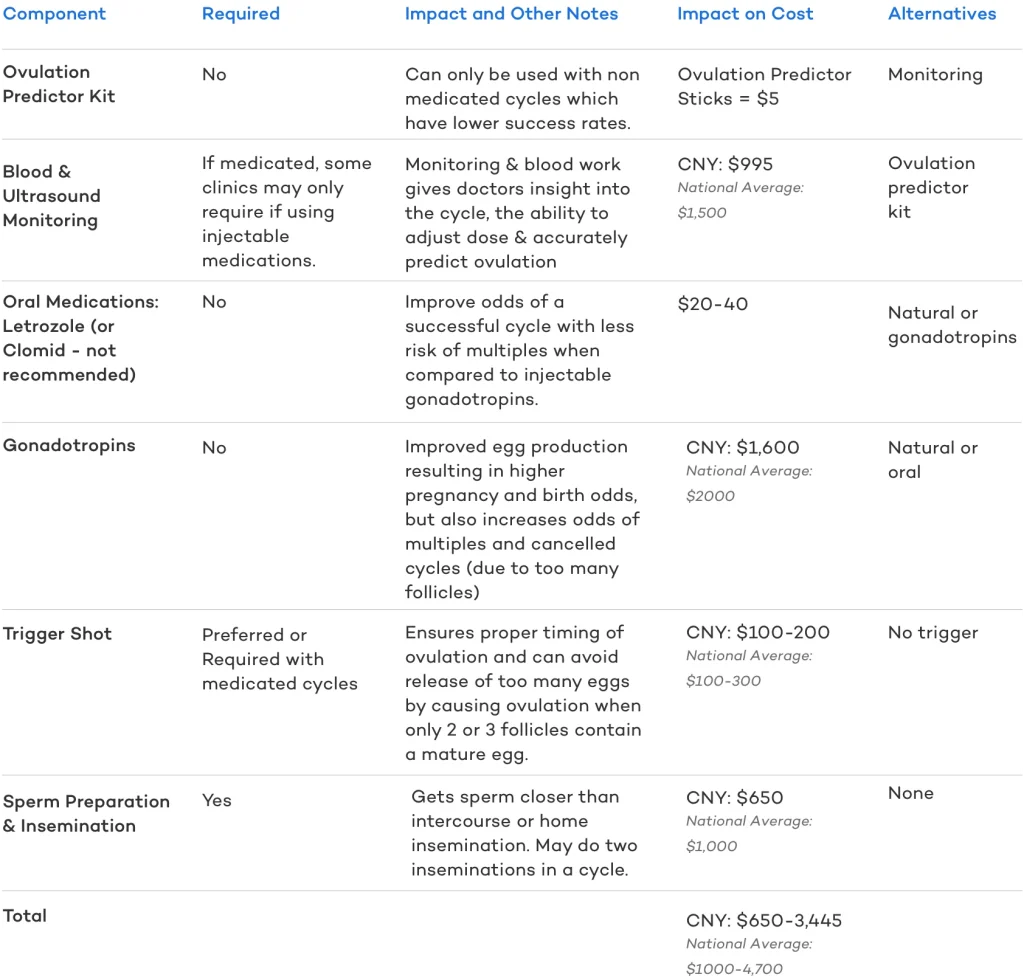
    Cost breakdown for IUI components, including requirements, impacts, and alternatives.

    The Impact of Age on the Effectiveness of Fertility Medications vs Surgery

    The success rates of fertility surgery also vary depending on the age of the woman. For women under 35, the success rates range from 25-65%, while for women over 40, the rates drop to 20-30%. As with fertility medications, the underlying cause of infertility also plays a significant role in the success rates of surgery. Structural issues, such as blocked fallopian tubes, have higher success rates compared to issues related to age, such as diminished ovarian reserve.

    Factors Affecting Effectiveness:

    Apart from age and underlying causes, several other factors can affect the effectiveness of fertility medications and surgery. These include the duration of infertility, the quality of the partner’s sperm, and the overall health of the woman. For example, women with a longer duration of infertility may have a lower success rate with fertility treatments, as their ovarian reserve would have further declined.

    The quality of the partner’s sperm also plays a crucial role in the success rates of fertility treatments. If the sperm is of poor quality, even the most effective fertility treatments may not be successful. It is essential for both partners to undergo fertility testing to determine the best course of treatment.

    Furthermore, the overall health of the woman can also impact the effectiveness of fertility treatments. Women who are overweight or have underlying health conditions such as PCOS or endometriosis may have a lower success rate with fertility medications and surgery. It is crucial to address these health issues before starting any fertility treatment.

    Conclusion:

    In conclusion, age has a significant impact on the effectiveness of fertility medications and surgery. While these treatments can help many couples achieve their dream of having a baby, success rates decline as women age. It is essential to consider various factors such as the underlying cause of infertility, the duration of infertility, and overall health before deciding on the best course of treatment. Consulting with a fertility specialist can help couples make an informed decision and increase their chances of success.

    Summary:

    Fertility issues can be challenging, and age plays a critical role in the effectiveness of fertility medications and surgery. Fertility medications work by stimulating the ovaries to produce more eggs, while surgery aims to correct structural issues in the reproductive organs. However, as women age, the success rates of these treatments decline due to the natural decline in ovarian reserve and egg quality. Other factors such as the underlying cause of infertility, duration of infertility, and overall health also affect the success rates. It is crucial to consider these factors and consult with a fertility specialist before deciding on the best course of treatment.