Blog Post: The Impact of Age on the Effectiveness of Fertility Medications vs Surgery
Fertility issues can be a challenging and emotional experience for couples trying to conceive. Many factors can contribute to fertility problems, and age is a crucial one. As women age, their fertility declines, making it increasingly difficult to conceive. This decline in fertility also affects the success rates of fertility treatments such as medications and surgery. In this blog post, we will explore the impact of age on the effectiveness of fertility medications versus surgery.
Fertility Medications:
Fertility medications, also known as ovulation induction drugs, are commonly used to treat fertility issues. These medications work by stimulating the ovaries to produce more eggs, increasing the chances of pregnancy. They are often the first line of treatment for women who have irregular or absent ovulation. The success rates of fertility medications vary depending on the age of the woman.
For women under the age of 35, fertility medications have a success rate of about 20-60%, depending on the type of medication used. However, as women age, the success rates decline significantly. For women over the age of 40, the success rates drop to only 5-10%. This decline in effectiveness is due to the natural decline in ovarian reserve and egg quality as women age.
Another factor that affects the effectiveness of fertility medications is the underlying cause of infertility. If the cause of infertility is related to age, such as diminished ovarian reserve, the success rates of fertility medications will be lower. On the other hand, if the cause is related to other factors such as hormonal imbalances, the success rates may be higher, even in older women.
Surgery:
Surgery is another option for treating fertility issues, particularly in cases where medications have not been successful. There are various surgical procedures used to treat fertility problems, such as laparoscopy, hysteroscopy, and tubal ligation reversal. These procedures aim to correct structural issues in the reproductive organs or remove any blockages that may be hindering conception.
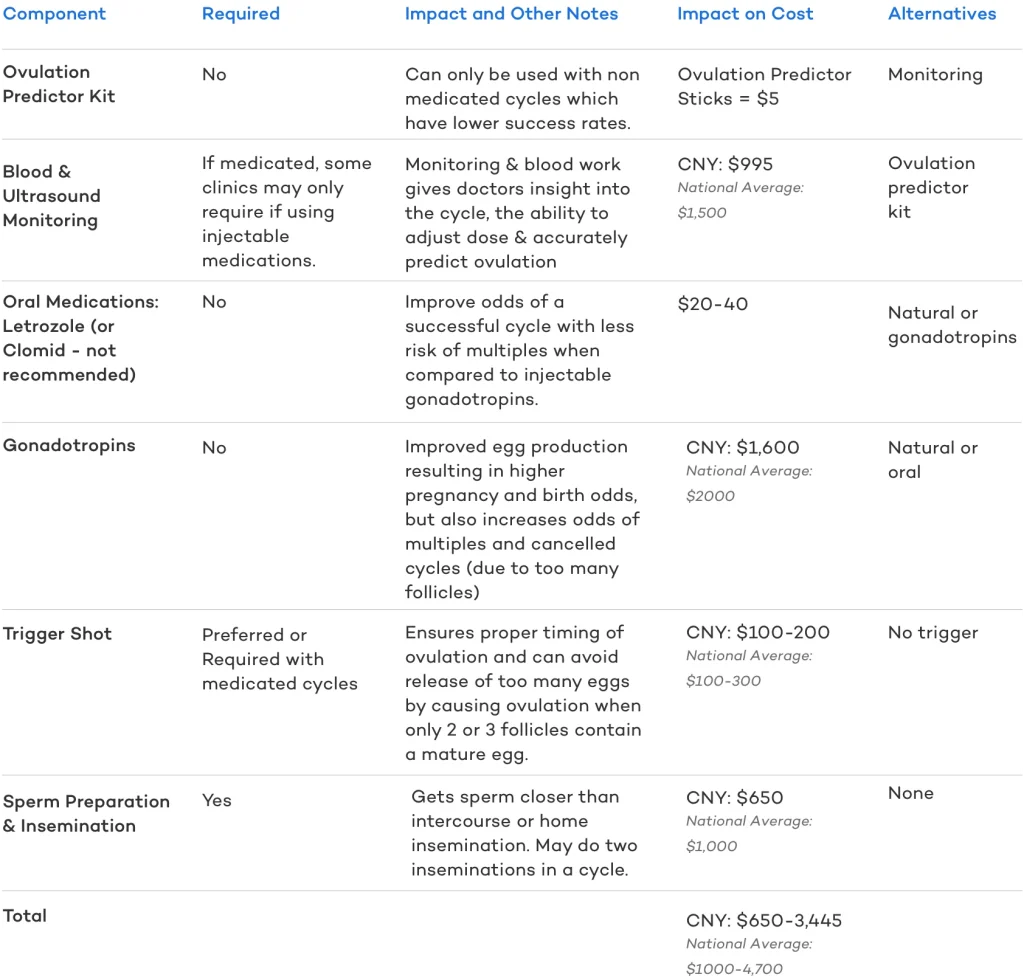
The Impact of Age on the Effectiveness of Fertility Medications vs Surgery
The success rates of fertility surgery also vary depending on the age of the woman. For women under 35, the success rates range from 25-65%, while for women over 40, the rates drop to 20-30%. As with fertility medications, the underlying cause of infertility also plays a significant role in the success rates of surgery. Structural issues, such as blocked fallopian tubes, have higher success rates compared to issues related to age, such as diminished ovarian reserve.
Factors Affecting Effectiveness:
Apart from age and underlying causes, several other factors can affect the effectiveness of fertility medications and surgery. These include the duration of infertility, the quality of the partner’s sperm, and the overall health of the woman. For example, women with a longer duration of infertility may have a lower success rate with fertility treatments, as their ovarian reserve would have further declined.
The quality of the partner’s sperm also plays a crucial role in the success rates of fertility treatments. If the sperm is of poor quality, even the most effective fertility treatments may not be successful. It is essential for both partners to undergo fertility testing to determine the best course of treatment.
Furthermore, the overall health of the woman can also impact the effectiveness of fertility treatments. Women who are overweight or have underlying health conditions such as PCOS or endometriosis may have a lower success rate with fertility medications and surgery. It is crucial to address these health issues before starting any fertility treatment.
Conclusion:
In conclusion, age has a significant impact on the effectiveness of fertility medications and surgery. While these treatments can help many couples achieve their dream of having a baby, success rates decline as women age. It is essential to consider various factors such as the underlying cause of infertility, the duration of infertility, and overall health before deciding on the best course of treatment. Consulting with a fertility specialist can help couples make an informed decision and increase their chances of success.
Summary:
Fertility issues can be challenging, and age plays a critical role in the effectiveness of fertility medications and surgery. Fertility medications work by stimulating the ovaries to produce more eggs, while surgery aims to correct structural issues in the reproductive organs. However, as women age, the success rates of these treatments decline due to the natural decline in ovarian reserve and egg quality. Other factors such as the underlying cause of infertility, duration of infertility, and overall health also affect the success rates. It is crucial to consider these factors and consult with a fertility specialist before deciding on the best course of treatment.