Fertility issues can be a source of great stress and frustration for couples who are trying to conceive. Fortunately, there are various options available for those struggling with infertility, including fertility medications and surgery. However, with so many choices and factors to consider, it can be overwhelming for patients to navigate the world of fertility treatments. This is where patient education becomes crucial.
Patient education is the process of providing information and resources to patients about their health condition, treatment options, and self-care techniques. In the context of fertility treatments, patient education plays a vital role in helping couples make informed decisions about their reproductive health. In this blog post, we will discuss the importance of patient education in choosing fertility medications or surgery.
1. Understand the Cause of Infertility
The first step in fertility treatments is to identify the root cause of infertility. This may involve a series of diagnostic tests and evaluations. Patient education is crucial in this stage as it helps couples understand the various factors that can contribute to infertility. For example, some may have issues with ovulation, while others may have problems with sperm quality or quantity. By educating patients about the possible causes of infertility, they can better understand their specific situation and work with their doctors to find the most suitable treatment option.
2. Discuss Treatment Options
Once the cause of infertility has been determined, patients need to understand the different treatment options available to them. Fertility medications, such as Clomid and Letrozole, are often the first line of treatment for women with ovulation issues. These medications work by stimulating the ovaries to produce more eggs. On the other hand, fertility surgery, such as laparoscopy or hysteroscopy, may be recommended for women with structural problems in their reproductive organs. Patient education is essential in this stage as it allows patients to understand the pros and cons of each treatment option and make an informed decision based on their personal preferences and medical history.
3. Manage Expectations
Patient education is also crucial in managing expectations during fertility treatments. Infertility can take a toll on couples emotionally, and they may have high hopes that the treatment will lead to a successful pregnancy. However, it is essential to understand that fertility treatments may not always result in pregnancy, and it may take several attempts before achieving success. Educating patients about the success rates of different treatments and the potential challenges they may face can help them manage their expectations and cope with any setbacks that may occur.
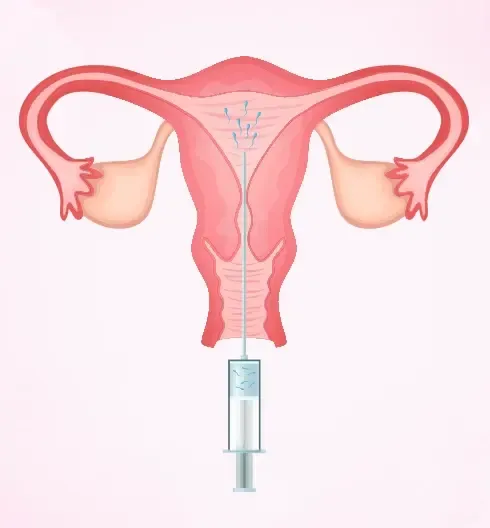
The Importance of Patient Education in Choosing Fertility Medications or Surgery
4. Discuss Possible Side Effects
Fertility medications and surgery can have side effects, and it is essential for patients to understand them before starting treatment. For example, fertility medications may cause hot flashes, mood swings, and abdominal discomfort, while surgery may carry risks such as bleeding and infection. By educating patients about potential side effects, they can be mentally prepared and know when to seek medical help if necessary.
5. Promote Self-Care
In addition to medical treatments, self-care also plays a crucial role in fertility. Patient education can help couples understand the lifestyle changes they can make to improve their chances of conceiving. This may include maintaining a healthy diet, exercising regularly, and reducing stress. Educating patients about the importance of self-care can empower them to take control of their reproductive health and improve their overall well-being.
6. Discuss Alternative Options
Not all patients respond to fertility medications or surgery, and it is essential for them to be aware of alternative options. This may include assisted reproductive technology (ART) such as in vitro fertilization (IVF), intrauterine insemination (IUI), or egg/sperm donation. Patient education can help patients understand these options and make an informed decision if they need to explore them.
In summary, patient education is critical in helping couples make well-informed decisions about their fertility treatments. It allows them to understand the cause of infertility, discuss treatment options, manage expectations, and promote self-care. It also helps patients prepare for potential side effects and explore alternative options if needed. By being knowledgeable and involved in their treatment, patients can have a more positive experience and increase their chances of a successful pregnancy.
In conclusion, infertility can be a challenging and emotional journey for couples, and patient education plays a vital role in easing some of the stress and uncertainty. With the right information and resources, patients can make educated decisions about their fertility treatments, ultimately leading to a higher success rate. So, if you are struggling with infertility, make sure to seek out reliable sources and discuss your options with your doctor.