Male Fertility Tests vs Female Fertility Tests: Which One is Less Invasive?
When it comes to fertility testing, both men and women may feel overwhelmed and anxious. For couples trying to conceive, understanding the fertility of both partners is crucial in determining the best course of action. While there are various methods to assess fertility, some may be more invasive than others. In this blog post, we will explore the differences between male and female fertility tests and which one is less invasive.
What are Male and Female Fertility Tests?
Before diving into the comparison, it is essential to understand what male and female fertility tests are. Male fertility tests primarily focus on the quality, quantity, and movement of sperm. These tests can help identify any underlying issues that may affect sperm production or function. On the other hand, female fertility tests assess the health and function of the reproductive organs, including the ovaries, uterus, and fallopian tubes. These tests also evaluate the hormone levels that play a crucial role in the menstrual cycle and ovulation.
1. Male Fertility Tests
a. Semen Analysis
The most common male fertility test is a semen analysis. This test involves collecting a semen sample and examining it under a microscope to assess the quantity and quality of sperm. The sample is typically obtained through masturbation and can be done at a fertility clinic or at home. It is a non-invasive and relatively simple test that provides valuable information about sperm count, motility, and morphology.
b. Hormone Testing
In some cases, male fertility issues may be due to hormonal imbalances. Hormone testing involves a blood test to measure the levels of hormones such as testosterone, prolactin, and follicle-stimulating hormone (FSH). These hormones play a crucial role in sperm production and can help identify any underlying hormonal issues that may be affecting fertility.
c. Genetic Testing
Genetic testing is recommended for men with a family history of genetic disorders or those who have low sperm count or motility. This test involves a blood sample to check for genetic abnormalities that may affect fertility. While it is not a routine test, it can provide valuable information for couples struggling with infertility.
2. Female Fertility Tests
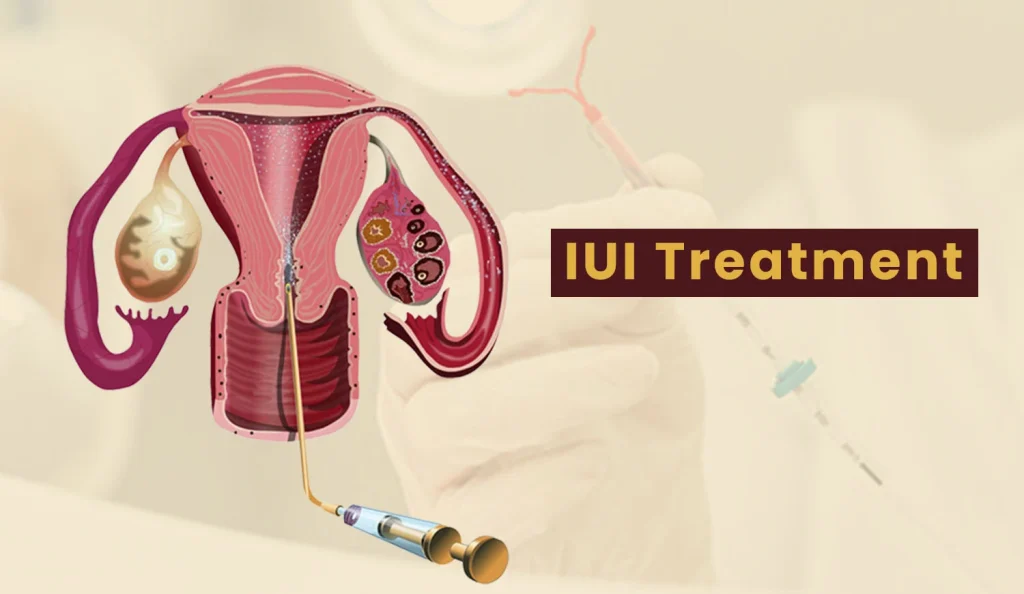
Male Fertility Tests vs Female Fertility Tests: Which One is Less Invasive?
a. Ovulation Testing
Ovulation testing is often the first step in assessing female fertility. This test involves tracking the changes in hormone levels throughout the menstrual cycle to determine when ovulation occurs. It can be done through urine or blood tests, and it helps identify the most fertile days for conception.
b. Imaging Tests
Imaging tests, such as ultrasounds, can help assess the health of the reproductive organs. For women, these tests can detect any abnormalities or issues with the uterus, ovaries, and fallopian tubes. They are non-invasive and can provide valuable information about the structure and function of the reproductive organs.
c. Hysterosalpingography (HSG)
HSG is a type of imaging test that involves injecting a dye into the uterus and fallopian tubes. This test can help identify any blockages or abnormalities in the fallopian tubes, which can prevent fertilization. While it may cause some discomfort, it is a minimally invasive procedure that can provide important information about female fertility.
Which One is Less Invasive?
Both male and female fertility tests have their own advantages and limitations. However, when it comes to invasiveness, male fertility tests tend to be less invasive than female fertility tests. Most male fertility tests involve collecting a semen sample or a simple blood test, which can be done in the comfort of one’s home or at a fertility clinic. On the other hand, female fertility tests may involve more invasive procedures, such as HSG, which can cause discomfort and require a visit to a medical facility.
Moreover, male fertility tests are also less time-consuming and do not require multiple appointments or extensive tracking. In contrast, female fertility tests may involve several appointments and monitoring throughout the menstrual cycle, which can be stressful and time-consuming.
However, it is important to note that the invasiveness of fertility tests may vary depending on the individual’s specific situation and needs. For some men, genetic testing or a more in-depth semen analysis may be necessary, which can be more invasive. Similarly, for women with underlying health conditions, more invasive tests may be required to accurately assess fertility.
In conclusion, both male and female fertility tests are essential in understanding and addressing fertility issues. While male fertility tests tend to be less invasive, the invasiveness of these tests may vary depending on the individual’s needs. It is crucial for couples to consult with a healthcare professional to determine the most appropriate and effective fertility testing methods for their specific situation.
Summary:
Fertility testing is crucial for couples trying to conceive, and it involves assessing the fertility of both partners. Male fertility tests primarily focus on sperm quality and quantity, while female fertility tests assess the health and function of the reproductive organs and hormones. Male fertility tests tend to be less invasive than female fertility tests, as they typically involve collecting a semen sample or a simple blood test. However, the invasiveness of fertility tests may vary depending on the individual’s specific situation and needs. It is important for couples to consult with a healthcare professional to determine the most appropriate and effective fertility testing methods for their situation.