Male vs Female Fertility Tests: Who Has the Upper Hand?
The topic of fertility is often a sensitive and emotional one for couples trying to conceive. While there are many factors that can affect fertility, one of the most common concerns is the ability of either partner to conceive. In the past, fertility issues were often assumed to be a female problem, but with advances in medical technology, we now know that both men and women can experience fertility issues. This has led to the development of male and female fertility tests, which can help couples determine the root cause of their fertility problems. But when it comes to male vs female fertility tests, who really has the upper hand?
Understanding Male and Female Fertility Tests
Before we dive into the debate of male vs female fertility tests, it’s important to understand what these tests actually entail. For women, the most common fertility test is a blood test that measures the levels of certain hormones, such as follicle-stimulating hormone (FSH) and luteinizing hormone (LH). These hormones play a crucial role in a woman’s menstrual cycle and can indicate potential issues with ovulation or egg quality. In addition to blood tests, women may also undergo a transvaginal ultrasound to check the health of the reproductive organs.
On the other hand, male fertility tests are typically done through a semen analysis. This involves collecting a semen sample and analyzing it for sperm count, motility, and morphology. A low sperm count or poor sperm quality can indicate potential fertility issues in men.
So, Who Has the Upper Hand?
When it comes to determining fertility, it’s difficult to say whether men or women have the upper hand. Both male and female fertility tests have their own strengths and limitations, and it’s important to understand the differences between the two.
Female fertility tests are often seen as more comprehensive because they can provide a wealth of information about a woman’s reproductive health. Hormone levels can indicate potential issues with ovulation, while a transvaginal ultrasound can provide a visual of the reproductive organs. This can be helpful in identifying conditions such as polycystic ovary syndrome (PCOS) or endometriosis, which can affect fertility.
On the other hand, male fertility tests are generally viewed as simpler and less invasive. A semen analysis can provide a clear picture of a man’s sperm count and quality, which are key factors in fertility. However, this test does not provide any information about a man’s hormones or the health of his reproductive organs.
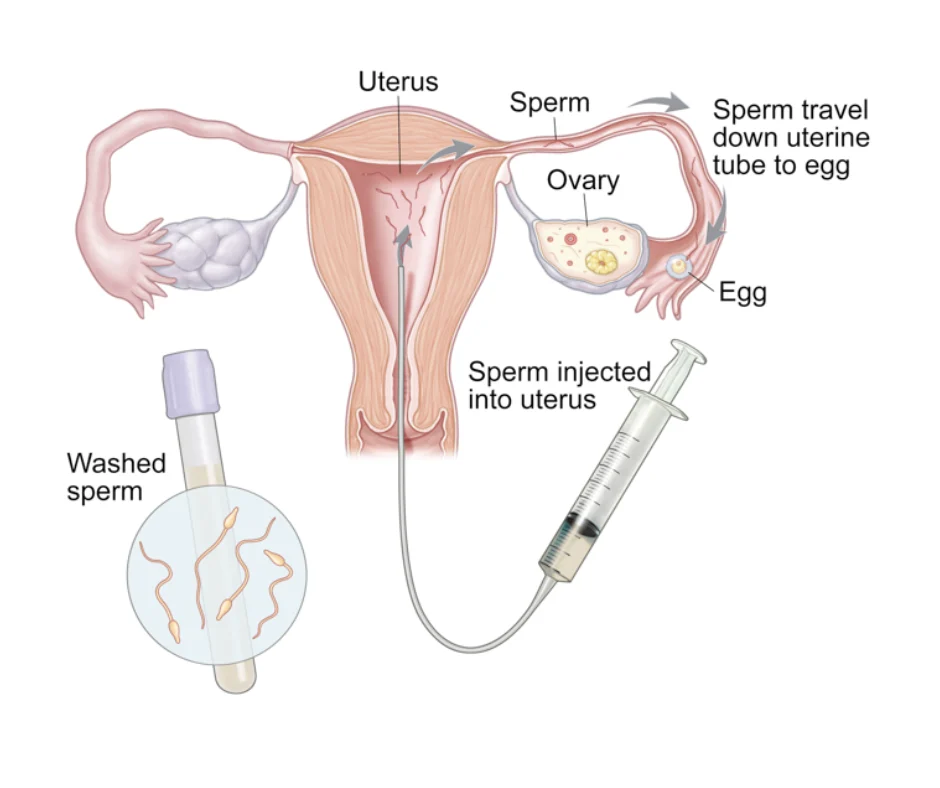
Male vs Female Fertility Tests: Who Has the Upper Hand?
It’s also worth noting that male fertility tests may not always be accurate. Sperm count and quality can vary from day to day, so a single semen analysis may not give a complete picture of a man’s fertility. This is why doctors often recommend multiple tests over the course of several months to get a more accurate understanding of a man’s fertility.
The Role of Male and Female Fertility Tests in Diagnosing Infertility
When it comes to diagnosing infertility, both male and female fertility tests play an important role. While female fertility tests can provide a more comprehensive view of a woman’s reproductive health, male fertility tests can also uncover potential issues that may be causing infertility.
In some cases, both partners may undergo fertility testing to determine the root cause of their infertility. For example, if a woman’s hormone levels are normal but her partner has a low sperm count, it’s likely that male factor infertility is the main issue. On the other hand, if a man’s sperm count and quality are normal but a woman’s hormone levels are off, it may indicate a problem with her reproductive organs.
It’s important to note that fertility testing is just one piece of the puzzle when it comes to diagnosing infertility. Other factors, such as age, overall health, and lifestyle habits, can also play a role in a couple’s ability to conceive.
The Emotional Impact of Fertility Testing
While fertility testing is an important tool for diagnosing infertility, it’s important to acknowledge the emotional impact it can have on couples. For many, the process of undergoing tests and waiting for results can be stressful and anxiety-inducing. In addition, receiving a diagnosis of infertility can be devastating for couples who are trying to start a family.
It’s important for couples to communicate openly and support each other throughout the fertility testing process. Seeking guidance from a therapist or joining a support group can also be helpful in coping with the emotional toll of fertility testing.
In Summary
When it comes to male vs female fertility tests, it’s difficult to determine who has the upper hand. Both male and female fertility tests have their own strengths and limitations, and they play important roles in diagnosing infertility. While female fertility tests can provide a more comprehensive view of a woman’s reproductive health, male fertility tests can also uncover potential issues that may be causing infertility. Ultimately, the best approach is for both partners to undergo fertility testing to get a complete picture of their fertility health.