For couples trying to conceive, understanding the workings of male and female fertility tests can be crucial in determining the best course of action. While many people may think of fertility tests as a last resort when struggling to get pregnant, they can actually be valuable tools in understanding and addressing potential fertility issues. In this blog post, we will explore the different types of male and female fertility tests, how they work, and what they can reveal about a person’s reproductive health.
Male Fertility Tests:
When it comes to fertility, it’s not just the woman’s reproductive health that plays a role in conceiving. Male fertility also plays a significant role, with an estimated 40-50% of infertility cases being attributed to male factors. This is why male fertility tests are just as important as female fertility tests in determining the overall fertility of a couple.
1. Semen Analysis:
The most common and basic male fertility test is a semen analysis. This test involves collecting a semen sample and analyzing it for various factors such as sperm count, motility, and morphology (shape). A low sperm count or poor sperm motility can indicate potential fertility issues.
2. Hormone Testing:
While sperm production is the primary focus of male fertility, hormones also play a crucial role. Hormone testing can be done through blood tests to check for levels of testosterone, luteinizing hormone (LH), and follicle-stimulating hormone (FSH). These hormones are vital for sperm production and can provide insights into potential issues with the male reproductive system.
3. Genetic Testing:
In some cases, male infertility may be caused by underlying genetic conditions. Genetic testing can help identify any genetic abnormalities that may be affecting sperm production and quality.
Female Fertility Tests:
1. Ovulation Testing:
One of the most critical factors for female fertility is ovulation. Ovulation tests can help determine if a woman is ovulating regularly and can pinpoint the most fertile days of her cycle. These tests can be done at home using urine or saliva, or through blood tests done by a healthcare provider.
2. Hormone Testing:
Just like in male fertility testing, hormone testing is also essential for females. Blood tests can check for levels of hormones such as estrogen, progesterone, and luteinizing hormone (LH), which all play a crucial role in the ovulation process.
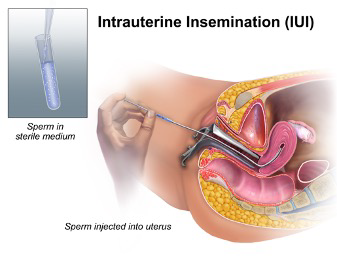
From the Inside Out: How Male and Female Fertility Tests Work
3. Hysterosalpingography (HSG):
This is an X-ray procedure that can detect any abnormalities in the uterus or fallopian tubes. It involves injecting a dye into the uterus and taking X-ray images to identify any blockages or structural issues that may be affecting fertility.
4. Laparoscopy:
Laparoscopy is a more invasive procedure that involves a small incision in the abdomen to examine the reproductive organs. This procedure can detect any structural abnormalities, such as endometriosis, that may be impacting fertility.
What Can Fertility Tests Reveal?
Fertility tests can provide valuable information about a person’s reproductive health and can help identify potential issues that may be causing difficulties in conceiving. For men, fertility tests can reveal issues with sperm production, hormone imbalances, and genetic abnormalities. On the other hand, female fertility tests can identify problems with ovulation, hormone imbalances, and structural issues in the reproductive organs.
Based on the results of these tests, healthcare providers can recommend appropriate treatments and interventions to help increase the chances of conception. For example, if a man has a low sperm count, he may be advised to make lifestyle changes or undergo treatments to improve his sperm quality. For women, treatments may include medication to regulate ovulation or surgical procedures to address structural issues.
In some cases, fertility tests may also reveal that there are no apparent issues with either partner’s reproductive health, and the cause of infertility remains unexplained. In these instances, assisted reproductive technologies (ART) such as in vitro fertilization (IVF) may be recommended.
Conclusion:
Fertility tests are valuable tools in understanding and addressing potential fertility issues in both men and women. They can reveal important information about reproductive health and guide appropriate treatments to increase the chances of conception. It’s essential to consult with a healthcare provider if you’re struggling to conceive to determine the best course of action and to get started on the journey to parenthood.
In summary, fertility tests are crucial for both men and women in determining their reproductive health. Male fertility tests include semen analysis, hormone testing, and genetic testing, while female fertility tests include ovulation testing, hormone testing, HSG, and laparoscopy. These tests can reveal issues with sperm production, ovulation, hormone imbalances, and structural abnormalities, which can then guide appropriate treatments to increase the chances of conception. It’s essential to consult with a healthcare provider for guidance and support in navigating fertility testing and treatment.