Tag: cost comparison

  • Fertility Medications vs Supplements: Cost Comparison and Affordability

    Blog Post: Fertility Medications vs Supplements: Cost Comparison and Affordability

    Fertility is a topic that affects many individuals and couples, and the desire to start a family is a natural and common one. However, for some, achieving pregnancy may not come as easily as expected. This is where fertility medications and supplements come into play. These two options are widely used to help increase fertility and chances of conceiving. While both have shown promising results, they also come with a price tag. In this blog post, we will discuss the cost comparison and affordability of fertility medications and supplements.

    Fertility Medications

    Fertility medications, also known as fertility drugs, are prescribed by doctors to help stimulate ovulation or regulate hormone levels in women. These medications are typically used for those who have irregular ovulation or hormonal imbalances. They work by stimulating the ovaries to produce and release eggs, increasing the chances of conception.

    The cost of fertility medications can vary greatly depending on the type of medication, dosage, and length of treatment. On average, the cost of fertility medications can range from $50 to $5,000 per treatment cycle. For example, Clomid, a commonly prescribed fertility medication, can cost around $50 per cycle, while more advanced medications such as Gonadotropins can cost upwards of $5,000 per cycle.

    Another factor that can greatly impact the cost of fertility medications is insurance coverage. While some insurance plans may cover a portion of the cost, others may not cover any fertility treatments at all. This leaves many individuals and couples having to pay for these medications out of pocket.

    Supplements for Fertility

    On the other hand, supplements for fertility are natural and often over-the-counter products that claim to improve fertility and increase chances of conception. These supplements can range from herbal remedies to vitamins and minerals, and are easily accessible at most drugstores or online.
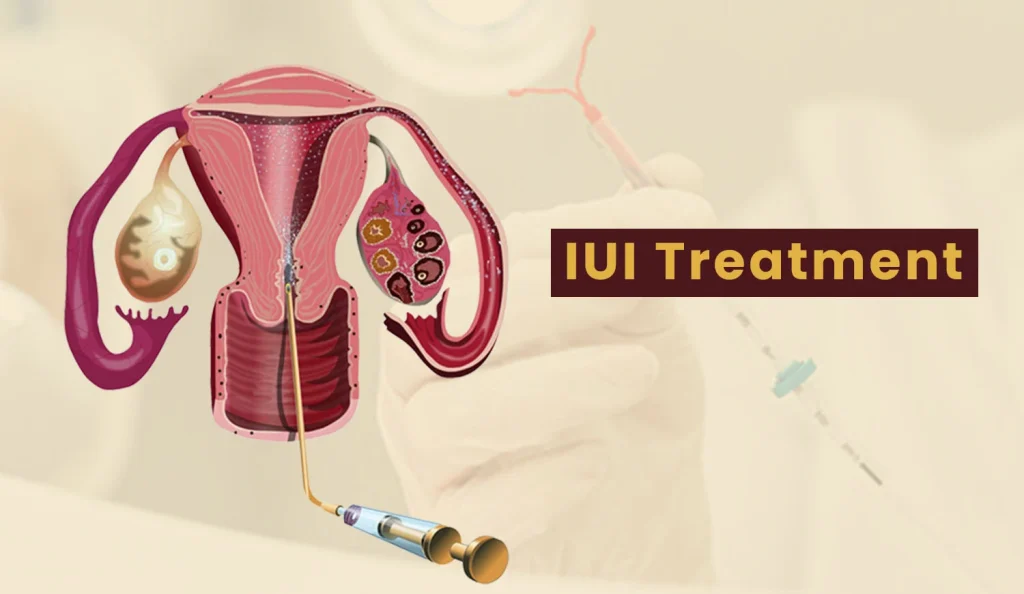
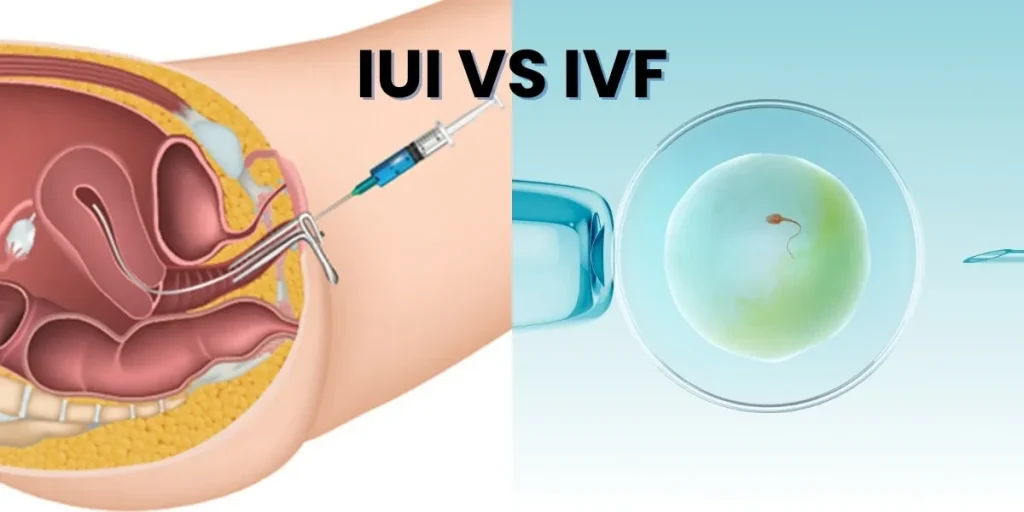
    illustration of the uterus and ovaries with a syringe, labeled "IUI Treatment" in the background

    Fertility Medications vs Supplements: Cost Comparison and Affordability

    Unlike fertility medications, the cost of supplements is generally lower. Most fertility supplements can range from $10 to $50 per month, depending on the brand and ingredients. Some supplements may also offer discounts for bulk purchases, making them more affordable in the long run.

    One of the biggest advantages of supplements is that they are not prescription-based, meaning they are not covered by insurance. This makes them a more accessible and affordable option for those looking to boost their fertility without breaking the bank.

    Cost Comparison and Affordability

    When it comes to cost comparison, fertility medications may seem like the more expensive option. However, it’s important to note that fertility medications are typically prescribed by a doctor and are tailored to the individual’s specific needs. This means that the cost can be justified if it results in a successful pregnancy.

    On the other hand, supplements may not have the same level of customization, and their effectiveness may vary from person to person. While they may be a more affordable option, there is no guarantee that they will work for everyone.

    Another factor to consider is the duration of treatment. Fertility medications are usually prescribed for a specific period, typically a few months, while supplements may need to be taken for a longer period to show results. This can also impact the overall cost and affordability of these options.

    In terms of affordability, it’s essential to consider the financial strain that fertility treatments can have on individuals and couples. Many may have to save up or take out loans to cover the cost of fertility medications, while supplements may be a more feasible option for those on a budget.

    Summary

    In summary, fertility medications and supplements are two popular options for those looking to increase their chances of conceiving. While fertility medications may be more expensive and may require insurance coverage, they are also tailored to the individual’s needs and have a higher success rate. On the other hand, supplements are generally more affordable and accessible, but their effectiveness may vary. Ultimately, the decision between the two will depend on personal preference, budget, and medical advice from a healthcare provider.
  • Breaking Down the Costs: IUI vs DI

    Breaking Down the Costs: IUI vs DI

    When exploring fertility options, it can be overwhelming to navigate the different procedures and their associated costs. Intrauterine insemination (IUI) and donor insemination (DI) are two common methods used to help individuals or couples conceive. While they may seem similar on the surface, there are significant differences in the cost and process of each option. In this blog post, we will break down the costs of IUI vs DI and discuss factors to consider when making a decision.

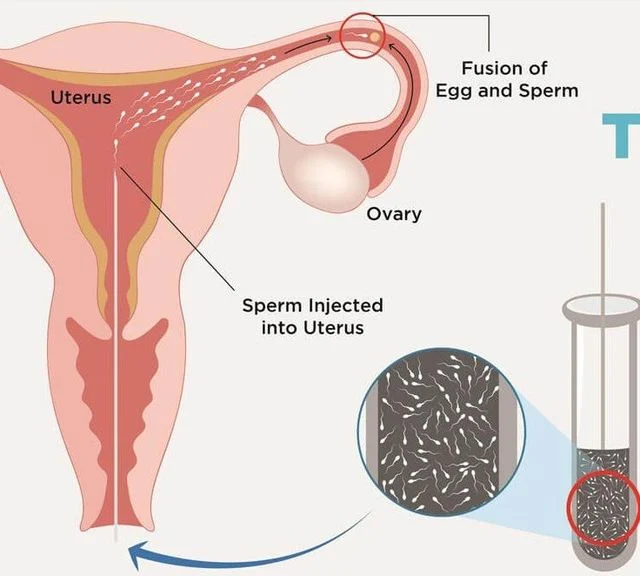
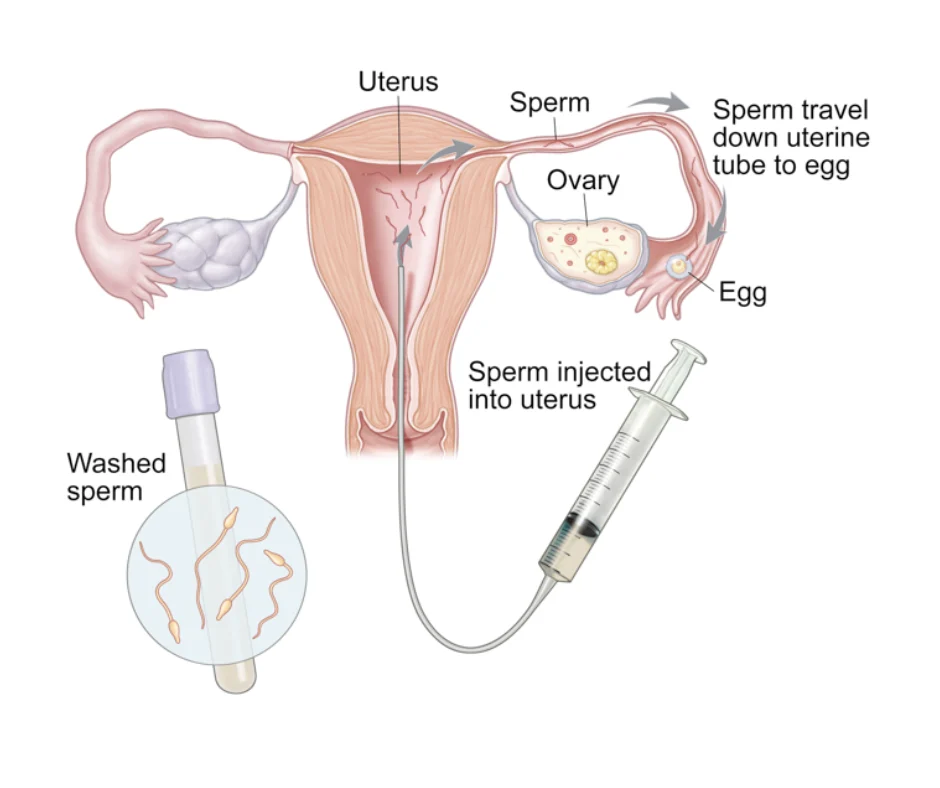
    IUI, also known as artificial insemination, involves placing washed and prepared sperm directly into the uterus through a catheter. This procedure is often used for couples with male factor infertility, unexplained infertility, or single women who want to conceive using donor sperm. The cost of IUI can vary greatly depending on factors such as location, clinic, and insurance coverage. On average, the cost of one IUI cycle can range from $300 to $1,000, not including medications or diagnostic testing. However, this cost can increase significantly if multiple cycles are needed.

    On the other hand, DI involves using donor sperm to fertilize the woman’s egg either through intrauterine insemination or in vitro fertilization (IVF). This option is typically used by single women or same-sex female couples who need donor sperm to conceive. The cost of DI can also vary greatly, but it is generally more expensive than IUI due to the additional steps involved, such as purchasing donor sperm and potentially undergoing IVF. On average, the cost of one DI cycle can range from $3,000 to $5,000, not including medications or diagnostic testing. This cost can increase even further if multiple cycles or IVF procedures are needed.

    One factor that impacts the cost of IUI and DI is the use of fertility medications. While IUI can be done without medications, many doctors recommend using fertility drugs to stimulate ovulation and increase the chances of conception. These medications can range from $50 to $2,000 per cycle, depending on the type and dosage prescribed. DI, on the other hand, almost always involves the use of fertility medications, as the timing of the insemination is critical for successful fertilization.

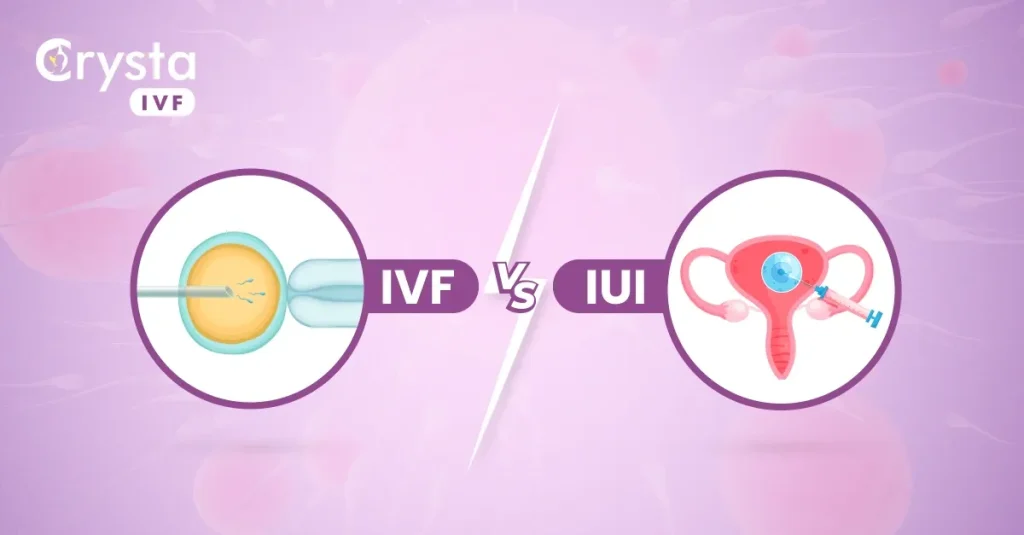
    Comparison of IVF and IUI procedures with illustrations of each method.

    Breaking Down the Costs: IUI vs DI

    Another factor to consider is the cost of donor sperm. The cost of donor sperm can vary depending on the clinic and any additional services offered, such as genetic testing or donor information. On average, the cost of one vial of donor sperm can range from $500 to $1,000. However, multiple vials may be needed for each cycle, increasing the overall cost.

    It is also essential to factor in the cost of diagnostic testing when considering IUI or DI. Before undergoing any fertility treatment, both partners may need to undergo various tests, including blood work, ultrasounds, and semen analysis. These tests can range from a few hundred to a few thousand dollars, depending on the type and frequency of testing needed.

    Additionally, the cost of IUI and DI can vary depending on insurance coverage. While some insurance plans may cover some or all of the costs associated with these procedures, others may not cover them at all. It is crucial to check with your insurance provider to understand your coverage and any out-of-pocket expenses.

    When deciding between IUI and DI, it is also essential to consider the success rates of each procedure. IUI has a lower success rate compared to DI, with an average success rate of 10-15% per cycle. However, this success rate can increase when combined with fertility medications or if multiple cycles are done. DI, on the other hand, has a higher success rate of 20-30% per cycle, but it also requires more steps and can be more expensive.

    In conclusion, both IUI and DI can be viable options for individuals or couples looking to conceive. However, the cost of each procedure can vary significantly and is influenced by factors such as fertility medications, donor sperm, diagnostic testing, and insurance coverage. It is essential to consider these factors carefully and consult with a fertility specialist to determine the best option for your specific situation.

  • Fertility Clinics vs Hospitals: Which Has Better Options for Egg Freezing?

    Blog Post:

    Egg freezing, also known as oocyte cryopreservation, is a process in which a woman’s eggs are extracted, frozen, and stored for future use. This procedure has gained popularity in recent years as more women are choosing to delay starting a family for various reasons such as career advancement, financial stability, or personal reasons. As a result, fertility clinics and hospitals have started to offer egg freezing services to meet the growing demand. However, the question remains: which option has better options for egg freezing – fertility clinics or hospitals? In this blog post, we will explore the differences between the two and help you decide which option is best for you.

    Fertility Clinics: Specialized Expertise and Personalized Care

    Fertility clinics are specialized centers that focus solely on reproductive health and fertility treatments. They have a team of experts, including reproductive endocrinologists, fertility specialists, embryologists, and nurses, who are trained and experienced in all aspects of egg freezing. Fertility clinics offer a wide range of services, including fertility testing, egg retrieval, and embryo freezing.

    The primary advantage of choosing a fertility clinic for egg freezing is the specialized expertise they offer. These clinics have years of experience and expertise in reproductive health and fertility treatments, making them the ideal choice for women looking to preserve their fertility. They have state-of-the-art equipment and advanced techniques to ensure the best outcomes for their patients.

    Moreover, fertility clinics offer personalized care to their patients. They understand that every woman’s fertility journey is unique, and they tailor their treatment plans accordingly. This personalized approach allows for better communication between the patient and the fertility team, leading to a more comfortable and stress-free experience.

    Hospitals: Comprehensive Care and Higher Risk Patients

    On the other hand, hospitals are medical facilities that offer a wide range of healthcare services, including fertility treatments. While they may not specialize in reproductive health, they have the necessary equipment and expertise to provide egg freezing services.

    One of the main advantages of choosing a hospital for egg freezing is the comprehensive care they offer. As hospitals have various departments and specialties, they can provide additional services such as psychological counseling, nutrition counseling, and genetic testing. These services can be beneficial for women who may have underlying medical or genetic conditions that could affect their fertility.

    Hospitals also have the resources to cater to higher risk patients, such as women with cancer or other medical conditions. These patients may require more extensive monitoring and specialized care, which a hospital can provide.

    comparison of IUI and IVF procedures illustrated with simple graphics and labels

    Fertility Clinics vs Hospitals: Which Has Better Options for Egg Freezing?

    Cost Comparison

    Cost is a significant factor when considering egg freezing, and it is often more expensive than traditional fertility treatments. Fertility clinics typically have a higher cost for egg freezing services compared to hospitals. This is because of the specialized care and expertise they offer. However, it is essential to consider that fertility clinics are more likely to have success rates for egg freezing, making the cost worth it in the long run.

    Hospitals, on the other hand, may have lower costs for egg freezing, but they may not have the same level of expertise and success rates as fertility clinics. It is crucial to consider the risks and potential outcomes when making a decision solely based on cost.

    Factors to Consider When Choosing Between Fertility Clinics and Hospitals

    When making a decision between fertility clinics and hospitals for egg freezing, there are several factors to consider:

    1. Expertise and Success Rates: Fertility clinics have specialized expertise in reproductive health and high success rates for egg freezing. Hospitals may not have the same level of expertise or success rates, but they can cater to higher risk patients.

    2. Personalized Care: Fertility clinics offer personalized care and a more intimate experience, compared to hospitals, which have a more clinical setting.

    3. Additional Services: Hospitals have the resources to offer additional services such as psychological counseling and genetic testing, which may be beneficial for some patients.

    4. Cost: Fertility clinics tend to have a higher cost for egg freezing compared to hospitals. However, it is essential to consider the success rates and long-term outcomes when making a decision based on cost.

    In summary, both fertility clinics and hospitals offer egg freezing services, but they have their unique differences. Fertility clinics provide specialized expertise, personalized care, and higher success rates, while hospitals offer comprehensive care and cater to higher risk patients. Ultimately, the decision depends on the individual’s needs, preferences, and budget.

    In conclusion, choosing between fertility clinics and hospitals for egg freezing is a personal decision and should be based on individual circumstances. Both options have their advantages and offer quality care, but it is crucial to consider factors such as expertise, success rates, personalized care, and cost when making a decision. Consulting with a fertility specialist and doing thorough research can help you make an informed decision and choose the best option for your needs.

  • The Debate: Fertility Clinics vs Hospitals for Assisted Reproductive Technology

    The Debate: Fertility Clinics vs Hospitals for Assisted Reproductive Technology

    Assisted Reproductive Technology (ART) has revolutionized the way couples struggling with infertility can conceive a child. However, when it comes to choosing a facility for ART procedures, the debate between fertility clinics and hospitals rages on. Both options have their advantages and drawbacks, leading to a difficult decision for prospective parents. In this blog post, we will delve into the differences between fertility clinics and hospitals for ART and explore which option may be the best for you.

    Fertility Clinics: Specialized Expertise and Personalized Care

    Fertility clinics are specialized facilities that focus solely on ART procedures, such as in vitro fertilization (IVF), intrauterine insemination (IUI), and egg or sperm donation. These clinics are staffed with highly trained and experienced fertility specialists, embryologists, and nurses who are well-versed in the latest ART techniques and technologies. This specialized expertise allows fertility clinics to provide personalized care and tailored treatment plans for each patient, based on their unique medical history and needs.

    Furthermore, fertility clinics tend to have a more intimate and personalized atmosphere, as they typically have a smaller patient load compared to hospitals. This allows for more one-on-one interaction with the medical team and a more individualized approach to care. Fertility clinics also often offer counseling and support services for couples going through the emotional rollercoaster of infertility, providing a holistic approach to treatment.

    Hospitals: Advanced Technology and Comprehensive Care

    On the other hand, hospitals are large medical facilities that offer a wide range of healthcare services, including ART procedures. Hospitals have access to advanced medical technology and equipment, making them a more suitable option for complex and high-risk cases. They also have a larger support staff, such as anesthesiologists and surgeons, who may be needed for certain ART procedures.

    Another advantage of hospitals is that they offer comprehensive care, which means that they can provide additional medical services that may be necessary for couples undergoing ART. For example, if a patient has underlying health issues that need to be addressed before starting fertility treatment, hospitals can provide the necessary medical care all under one roof.

    Diagram illustrating the IUI process, showing sperm injection into the uterus and egg fertilization.

    The Debate: Fertility Clinics vs Hospitals for Assisted Reproductive Technology

    Cost Comparison: Fertility Clinics vs Hospitals for ART

    One of the major factors to consider when choosing between a fertility clinic and a hospital for ART is the cost. Fertility clinics tend to have higher upfront costs for ART procedures, while hospitals may have additional fees for the use of their facilities and support staff. However, it is important to consider the overall cost of treatment, including any potential complications or additional procedures that may arise.

    In general, fertility clinics may be a more affordable option for ART procedures, especially for couples with straightforward cases. However, for more complicated cases or those requiring additional medical care, hospitals may offer a more cost-effective solution.

    Success Rates: The Ultimate Factor

    Ultimately, the success rates of ART procedures are the most critical factor for couples considering fertility clinics or hospitals. Success rates can vary significantly between facilities, and it is essential to do thorough research and ask for statistics before making a decision. Fertility clinics often have higher success rates for ART procedures, as they specialize in these treatments and have a more personalized approach to care.

    On the other hand, hospitals may have higher success rates for certain procedures, such as surrogacy or egg donation, due to their advanced technology and larger support staff. It is crucial for couples to consider their specific needs and the success rates of the facility for their chosen ART procedure when making a decision.

    Summary:

    Choosing between a fertility clinic and a hospital for ART procedures is a difficult decision for couples struggling with infertility. Fertility clinics offer specialized expertise and personalized care, while hospitals provide advanced technology and comprehensive care. Cost and success rates are also important factors to consider when making a decision. Ultimately, the best option for a couple will depend on their individual needs and preferences.

  • The Cost Comparison: At-Home Insemination Kits vs. Medical Supplies

    The Cost Comparison: At-Home Insemination Kits vs. Medical Supplies

    When it comes to trying to conceive, many couples turn to at-home insemination as a more affordable and convenient option compared to medical procedures. At-home insemination involves using a kit or medical supplies to perform the insemination process in the comfort of one’s own home. However, with the rising popularity of at-home insemination, there is a debate on whether it is truly a cost-effective choice compared to using medical supplies. In this blog post, we will delve into the cost comparison between at-home insemination kits and medical supplies to help couples make an informed decision on which option is best for them.

    At-Home Insemination Kits

    At-home insemination kits are designed to simplify the process of insemination for couples trying to conceive. These kits typically include a syringe, a specimen collection cup, and sometimes a cervical cap or cervical cap applicator. The overall cost of at-home insemination kits can range from $45 to $100, depending on the brand and the number of kits included in the package.

    Pros of At-Home Insemination Kits

    One of the main advantages of at-home insemination kits is their convenience. These kits can be purchased online or in stores, making it easily accessible for couples. They also come with clear instructions and are designed for ease of use, making it a simple process to follow. Additionally, at-home insemination kits are discreet and can be used in the privacy of one’s own home, eliminating any potential embarrassment or discomfort that may come with seeking medical assistance.

    Cons of At-Home Insemination Kits

    While at-home insemination kits may seem like a cost-effective option, there are some downsides to consider. Firstly, these kits do not come with the necessary medical equipment and supplies that a medical facility would have. This means that the success rate may not be as high as with medical procedures. Secondly, at-home insemination kits do not have the same level of medical supervision and expertise that a medical facility would provide, which could result in potential risks and complications. Lastly, the cost of at-home insemination kits can add up over time, especially if multiple attempts are needed before conception occurs.

    Medical Supplies

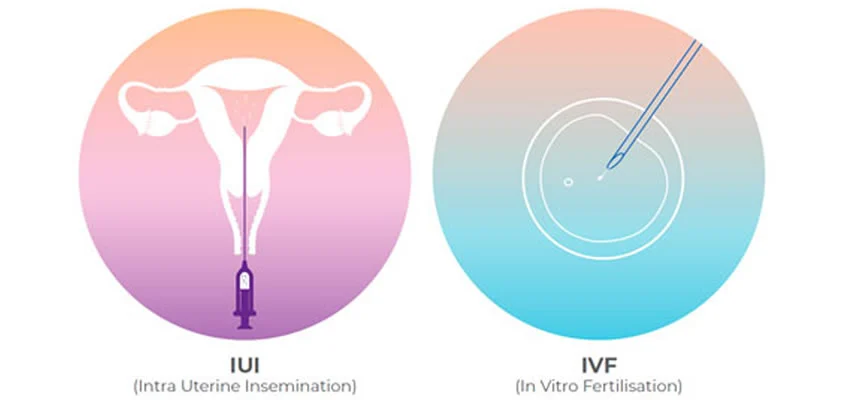
    comparison of IUI and IVF fertility treatments with illustrations of procedures and a petri dish with an egg and sperm

    The Cost Comparison: At-Home Insemination Kits vs. Medical Supplies

    Medical supplies used in assisted reproductive techniques, such as intrauterine insemination (IUI) and in vitro fertilization (IVF), are specialized and sterile tools that are essential for successful conception. These include sperm collection and processing equipment, catheters, and medications. The overall cost of medical supplies can vary greatly depending on the specific procedure and the medical facility, but it can range from hundreds to thousands of dollars.

    Pros of Medical Supplies

    The primary advantage of using medical supplies is that they are used under the supervision of a medical professional, providing a higher success rate for conception. These supplies are also specialized and designed specifically for assisted reproductive techniques, making them more effective compared to at-home insemination kits. Additionally, medical facilities have the necessary equipment and expertise to ensure the process is done safely and correctly, minimizing the risk of complications.

    Cons of Medical Supplies

    The most significant drawback of using medical supplies is the high cost. The expenses of assisted reproductive techniques can quickly add up, making it unaffordable for many couples. It also requires multiple visits to the medical facility, which can be time-consuming and inconvenient for some individuals. Another factor to consider is the emotional toll that may come with undergoing medical procedures, as they can be physically and mentally draining.

    Cost Comparison

    When comparing the costs of at-home insemination kits and medical supplies, it is essential to consider the success rates and other factors such as convenience, privacy, and potential risks. While at-home insemination kits may seem more affordable upfront, they may not have the same success rate as using medical supplies under the supervision of a medical professional. This could result in multiple attempts and ultimately, a higher cost in the long run. On the other hand, medical supplies may have a higher success rate, but they come with a significant financial burden and potential emotional toll.

    Ultimately, the cost comparison between at-home insemination kits and medical supplies will vary for each couple based on their individual needs and circumstances. It is essential to carefully consider all factors and discuss with a healthcare provider to determine which option is best for you and your partner.

    Summary:

    At-home insemination kits and medical supplies are two options for couples trying to conceive. At-home insemination kits are convenient and discreet, but they do not have the same success rate and medical supervision as medical supplies, which can be costly and emotionally draining. When comparing the costs of these two options, it is crucial to consider factors such as success rate, convenience, privacy, and potential risks. Ultimately, the decision will vary for each couple, and it is best to discuss with a healthcare provider to determine the best option.

  • The Cost Comparison: Intrauterine Insemination vs Low-Tech IVF

    Blog Post: The Cost Comparison: Intrauterine Insemination vs Low-Tech IVF

    Deciding to start a family is a big decision, and for many couples, it can come with its own set of challenges. One of the most common issues that couples face when trying to conceive is infertility. Fortunately, there are various fertility treatments available that can help couples achieve their dream of having a child. Intrauterine insemination (IUI) and low-tech in vitro fertilization (IVF) are two commonly used procedures for fertility treatment. While both procedures have a similar goal of helping couples conceive, they differ in terms of cost. In this blog post, we will compare the costs of IUI and low-tech IVF to help you make an informed decision.

    What is Intrauterine Insemination (IUI)?

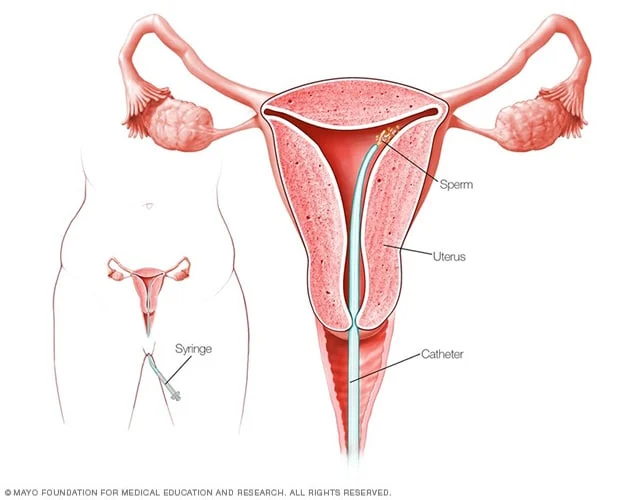
    Intrauterine insemination, also known as artificial insemination, is a fertility treatment that involves placing sperm directly into a woman’s uterus to increase the chances of fertilization. The process starts with the collection of sperm from the male partner or a sperm donor. The sperm is then washed and prepared in a laboratory to ensure that only the healthiest and most active sperm are used for the procedure. Next, a thin, flexible catheter is used to insert the sperm into the woman’s uterus. The procedure is simple, with minimal discomfort, and can be done in a doctor’s office.

    What is Low-Tech In Vitro Fertilization (IVF)?

    In vitro fertilization, commonly known as IVF, is a fertility treatment where eggs and sperm are combined in a laboratory to create embryos. The embryos are then transferred into the woman’s uterus, with the hope that one will implant and result in a pregnancy. In low-tech IVF, the process is similar to traditional IVF, but with fewer medications and stimulation of the ovaries. This results in fewer eggs being retrieved, making it a more affordable option for couples.

    Cost Comparison: IUI vs Low-Tech IVF

    When it comes to fertility treatments, cost is often a major consideration for couples. Here is a breakdown of the costs associated with IUI and low-tech IVF:

    1. Procedure Costs

    diagram illustrating intrauterine insemination process, showing sperm injection into the uterus and egg fertilization pathway

    The Cost Comparison: Intrauterine Insemination vs Low-Tech IVF

    The average cost of an IUI procedure is around $865, depending on the location and the clinic. This includes the cost of sperm washing, the procedure itself, and any medications required. On the other hand, the average cost of a low-tech IVF cycle can range from $3,000 to $7,000, depending on the clinic and location. This includes the cost of medications, monitoring, and the procedure itself.

    2. Medication Costs

    Medications are a crucial part of both IUI and low-tech IVF procedures. In an IUI cycle, medication costs can range from $50 to $200, depending on the type of medication and dosage required. For a low-tech IVF cycle, the cost of medications can range from $1,000 to $3,000. However, since low-tech IVF involves fewer medications, the cost is significantly lower than traditional IVF which can cost upwards of $10,000.

    3. Additional Costs

    In addition to the procedure and medication costs, there are other factors to consider when comparing the costs of IUI and low-tech IVF. These include the cost of fertility testing, which can range from $1,500 to $3,000, and the cost of sperm or egg donors if needed. It is also essential to factor in the cost of multiple cycles, as the success rates for both procedures vary and may require more than one attempt.

    Factors to Consider

    While cost is an essential factor to consider when choosing a fertility treatment, it should not be the only determining factor. Other factors to consider include the cause of infertility, the age of the woman, and the success rates of the procedures. For couples with unexplained infertility or mild fertility issues, IUI may be a more affordable and less invasive option. However, for couples with more severe fertility issues, low-tech IVF may offer a better chance of success.

    In conclusion, both IUI and low-tech IVF are viable options for couples struggling with infertility. While IUI may be a more affordable option, low-tech IVF may offer a higher success rate for couples with more severe fertility issues. It is essential to speak with a fertility specialist to determine the best course of action for your specific situation. With proper research and guidance, you can make an informed decision that is best for you and your partner.

    Summary:

    Infertility is a common issue that many couples face when trying to conceive. Two commonly used fertility treatments, IUI and low-tech IVF, have similar goals but differ in terms of cost. Intrauterine insemination (IUI) involves placing sperm directly into a woman’s uterus, while low-tech in vitro fertilization (IVF) involves fertilization of eggs and sperm in a laboratory before transferring the embryo into the woman’s uterus. The average cost of an IUI cycle is around $865, while the average cost of a low-tech IVF cycle can range from $3,000 to $7,000. Other factors to consider include the cost of medications, fertility testing, and the success rates of the procedures. It is crucial to speak with a fertility specialist to determine the best course of action for your specific situation.

  • The Cost Comparison: Frozen Donor Sperm vs Fresh Donor Sperm

    Blog Post Title: The Cost Comparison: Frozen Donor Sperm vs Fresh Donor Sperm

    Summary:

    When it comes to starting a family using donor sperm, there are two main options – frozen donor sperm and fresh donor sperm. While both options can help individuals and couples achieve their dream of parenthood, there are significant differences in terms of cost. In this blog post, we will compare the cost of frozen donor sperm and fresh donor sperm, to help you make an informed decision.

    The Cost of Frozen Donor Sperm:
    Frozen donor sperm is collected, processed, and then stored for future use. This means that it can be used at any time, regardless of when the donor donated the sperm. The cost of frozen donor sperm can vary depending on the sperm bank, but generally, it ranges from $600 to $1000 per vial. Additionally, there may be extra fees for shipping, handling, and storage, which can add up over time.

    The Cost of Fresh Donor Sperm:
    Fresh donor sperm, on the other hand, is collected and used immediately. This means that the sperm is not stored and can only be used during the donor’s current fertility window. The cost of fresh donor sperm is significantly lower than frozen donor sperm, ranging from $250 to $500 per vial. However, there are additional costs involved in using fresh donor sperm, such as travel expenses for the donor and fertility clinic fees.

    diagram illustrating intrauterine insemination (IUI) procedure with uterus, sperm, and catheter labeled

    The Cost Comparison: Frozen Donor Sperm vs Fresh Donor Sperm

    Why is Frozen Donor Sperm More Expensive?
    There are a few reasons why frozen donor sperm is more expensive than fresh donor sperm. Firstly, the process of freezing, storing, and shipping the sperm requires specialized equipment and facilities, which adds to the cost. Secondly, frozen donor sperm is more extensively screened and tested for genetic and infectious diseases, which also adds to the overall cost.

    The Benefits of Frozen Donor Sperm:
    Despite the higher cost, frozen donor sperm has some significant benefits. One of the main advantages is the convenience and flexibility it offers. Since frozen donor sperm is stored, it can be used at any time, making it easier to plan for fertility treatments. Additionally, frozen donor sperm is usually more readily available, with a wider selection of donors to choose from.

    The Benefits of Fresh Donor Sperm:
    Fresh donor sperm also has its advantages. The lower cost is a significant factor for many individuals and couples, especially those who require multiple vials of sperm for fertility treatments. Fresh donor sperm is also considered to be of higher quality since it has not undergone the freezing and thawing process. This can increase the chances of a successful pregnancy.

    Other Factors to Consider:
    Aside from cost, there are other factors to consider when deciding between frozen donor sperm and fresh donor sperm. With frozen donor sperm, there is the possibility of having multiple vials from the same donor, which can be used for future siblings. Fresh donor sperm, on the other hand, does not offer this option as the donor may not be available for future donations. Additionally, some individuals and couples may have personal preferences when it comes to using fresh or frozen sperm, which should also be taken into consideration.

    In conclusion, the cost of frozen donor sperm is significantly higher than fresh donor sperm, but it offers more convenience and flexibility. On the other hand, fresh donor sperm is more affordable and considered to be of higher quality. Ultimately, the decision between the two options will depend on individual circumstances and preferences.

  • The Cost Comparison: DIY vs Medical Insemination

    Blog Post Title: The Cost Comparison: DIY vs Medical Insemination

    Introduction:
    The journey to starting a family can be a difficult and emotional process, especially for couples struggling with infertility. One option for conceiving is through artificial insemination, which can be done either at a medical facility or at home through DIY methods. However, before making a decision, it is important to consider the cost comparison between these two options. In this blog post, we will explore the expenses involved in both DIY and medical insemination and provide a comprehensive analysis to help you make an informed decision.

    DIY Insemination:
    DIY insemination, also known as home insemination, involves using a syringe or a device called a “turkey baster” to insert semen into the vagina. This method can be done at home without the supervision of a medical professional, making it a more affordable option for those on a budget. The cost of DIY insemination can range from $50 to $500, depending on the materials used and whether or not the sperm is purchased from a sperm bank or obtained from a known donor. However, it is important to note that there may be additional costs involved, such as fertility drugs or ovulation kits, which can increase the overall cost.

    Medical Insemination:
    Medical insemination, also known as intrauterine insemination (IUI), is a procedure performed by a healthcare professional at a medical facility. It involves washing and preparing the sperm before inserting it directly into the uterus, increasing the chances of conception. The cost of medical insemination can range from $300 to $1000 per cycle, depending on the clinic and location. This cost includes the procedure, sperm washing, and monitoring, but does not include fertility drugs or additional testing, which can significantly increase the overall cost.

    Additional Costs:
    Aside from the direct costs of insemination, there are other expenses that should be considered when comparing DIY and medical insemination. Fertility drugs, which are often used to stimulate ovulation, can range from $50 to $1000 per cycle. These drugs may be necessary for both DIY and medical insemination, depending on the individual’s fertility. Additionally, both options may also require the use of ovulation kits, which can cost around $20 to $50 per cycle.

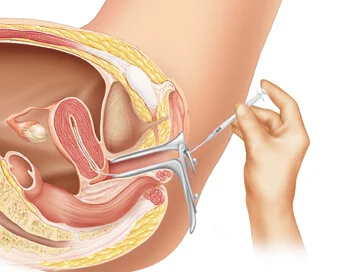
    illustration of intrauterine insemination procedure with a hand holding a speculum and syringe near the uterus

    The Cost Comparison: DIY vs Medical Insemination

    Success Rates:
    When considering the cost of insemination, it is important to also factor in the success rates of each method. The success rates of DIY insemination are generally lower compared to medical insemination, with a success rate of around 5-15%. On the other hand, medical insemination has a success rate of 15-20% per cycle, increasing to 60% after six cycles. This means that while DIY insemination may seem like a more affordable option upfront, it may end up costing more in the long run due to the need for multiple cycles.

    Insurance Coverage:
    Another important aspect to consider is whether or not your insurance covers the cost of insemination. Some insurance plans may cover a portion of medical insemination, while DIY insemination is usually not covered. It is important to check with your insurance provider to understand what is covered and what is not, as this can significantly impact the overall cost of insemination.

    Emotional and Physical Costs:
    Aside from the financial costs, it is also important to consider the emotional and physical toll that both DIY and medical insemination can take. DIY insemination may be more emotionally taxing as the individual or couple is responsible for the entire process, while medical insemination may provide more emotional support and guidance from healthcare professionals. Additionally, medical insemination requires multiple visits to the clinic and can be physically uncomfortable for some individuals.

    Conclusion:
    When it comes to the cost comparison between DIY and medical insemination, there are several factors to consider. While DIY insemination may seem like a more affordable option upfront, the success rates and need for multiple cycles can end up making it more expensive in the long run. Medical insemination, on the other hand, may have a higher upfront cost, but with higher success rates and the potential for insurance coverage, it may be a more cost-effective option. It is important to also consider the emotional and physical costs involved in both methods before making a decision.

    In the end, the decision between DIY and medical insemination will vary for each individual or couple and their unique situation. It is important to carefully weigh the costs and benefits of each option and consult with a healthcare professional to make an informed decision.

    Summary:
    In this blog post, we explored the cost comparison between DIY and medical insemination. DIY insemination, while initially more affordable, may end up costing more in the long run due to lower success rates and the need for multiple cycles. Medical insemination, although more expensive upfront, may be a more cost-effective option with higher success rates and the potential for insurance coverage. It is important to also consider the emotional and physical costs involved in both methods before making a decision. Ultimately, the decision between DIY and medical insemination will depend on each individual or couple’s unique situation.

  • The Cost Comparison: Fertility Acupuncture vs Traditional Treatments

    Blog Post:

    When it comes to fertility treatments, there are many options available for couples struggling to conceive. From traditional medical treatments such as in vitro fertilization (IVF) to alternative therapies like acupuncture, the choices can be overwhelming. However, one factor that often comes into consideration is the cost – both financially and emotionally. In this blog post, we will take a closer look at the cost comparison between fertility acupuncture and traditional treatments.

    The Cost of Traditional Treatments

    Traditional medical treatments for fertility, such as IVF, can be expensive. The average cost of one IVF cycle in the United States is around $12,000, and that does not include additional costs for medications, tests, and other procedures. In some cases, multiple cycles may be needed, which can significantly increase the overall cost. These treatments often require a significant financial investment, which can add stress and strain to an already emotionally challenging journey.

    Aside from the financial cost, traditional treatments can also have side effects and risks. Medications used in IVF can cause hormonal imbalances and increase the risk of multiple pregnancies. The procedures themselves can also be physically uncomfortable and invasive, adding to the emotional toll of fertility treatments.

    The Cost of Fertility Acupuncture

    On the other hand, fertility acupuncture is a natural and non-invasive alternative that has been gaining popularity in recent years. Acupuncture involves the insertion of thin needles into specific points on the body to stimulate the flow of energy and promote healing. In terms of cost, fertility acupuncture is significantly more affordable than traditional treatments, with an average session costing between $75-150.

    But does the lower cost of fertility acupuncture mean it is less effective? Not necessarily. Many studies have shown that acupuncture can improve fertility outcomes by regulating hormones, improving blood flow to the reproductive organs, and reducing stress and anxiety. Additionally, acupuncture can also improve the success rates of traditional treatments such as IVF when used in conjunction.

    illustration of the uterus and ovaries with a syringe, labeled "IUI Treatment" in the background

    The Cost Comparison: Fertility Acupuncture vs Traditional Treatments

    Comparing Success Rates

    When comparing the success rates of fertility acupuncture and traditional treatments, the results can vary. While some studies have shown similar success rates between acupuncture and IVF, others have shown a higher success rate for acupuncture. For example, a study published in the Journal of Integrative Medicine found that the pregnancy rate was 43.3% for women who received acupuncture with IVF compared to 26.3% for those who only received IVF treatment.

    Furthermore, fertility acupuncture can also improve overall health and well-being, which can contribute to a better pregnancy outcome. By addressing underlying issues such as stress, hormonal imbalances, and irregular menstrual cycles, acupuncture can help create a healthier environment for conception.

    The Emotional Cost

    Aside from the financial cost, the emotional toll of fertility treatments cannot be overlooked. The rollercoaster of emotions that couples experience can be overwhelming and can take a toll on their mental health. Traditional treatments often involve a lot of waiting, uncertainty, and disappointment, which can be difficult to handle. On the other hand, fertility acupuncture can provide a sense of control and empowerment for couples as they actively participate in their treatment.

    Moreover, fertility acupuncture can also improve emotional well-being by reducing stress and anxiety. This is crucial as stress can negatively impact fertility by disrupting hormonal balance and affecting ovulation. By helping couples relax and reduce stress, acupuncture can create a more positive and conducive environment for conception.

    In conclusion, when it comes to the cost of fertility treatments, it is essential to weigh both the financial and emotional factors. While traditional treatments may have higher success rates, they can also come with a significant financial burden and potential side effects. Fertility acupuncture, on the other hand, is a more affordable and natural alternative with promising results. It can also improve overall health and well-being, leading to a more positive pregnancy outcome. Ultimately, the choice between the two will depend on the individual needs and preferences of the couple, but it is worth considering all options before making a decision.

    Summary:

    Fertility treatments can be expensive, both financially and emotionally. Traditional treatments such as IVF can cost an average of $12,000 per cycle, with potential side effects and risks. On the other hand, fertility acupuncture is a more affordable and natural alternative, with an average cost of $75-150 per session. Studies have shown that acupuncture can improve fertility outcomes and can even improve success rates of traditional treatments when used in conjunction. Furthermore, acupuncture can also improve overall health and well-being, leading to a more positive pregnancy outcome. Ultimately, the choice between traditional treatments and fertility acupuncture will depend on the individual needs and preferences of the couple.

  • The Cost Comparison: Donor Insemination vs Partner Insemination

    The Cost Comparison: Donor Insemination vs Partner Insemination

    In today’s world, there are many different ways for individuals or couples to start a family. One of the options that has become increasingly popular is using assisted reproductive technology, such as donor insemination or partner insemination. Both of these methods involve the use of donor sperm to fertilize an egg, but there are significant differences in the process and, ultimately, the cost. In this blog post, we will dive into the cost comparison between donor insemination and partner insemination, so you can make an informed decision about which option is right for you.

    What is Donor Insemination?

    Donor insemination, also known as artificial insemination, is a process where a donor’s sperm is used to fertilize a woman’s egg. This can be done through intrauterine insemination (IUI) or in vitro fertilization (IVF). In IUI, the sperm is placed directly into the woman’s uterus, while in IVF, the sperm and egg are combined in a lab before being transferred to the uterus. Donor insemination is commonly used by single women or same-sex couples who want to have a child but do not have a male partner to provide sperm.

    The Cost of Donor Insemination

    The total cost of donor insemination can vary greatly depending on several factors, such as the method used, the fertility clinic, and any additional procedures or medications needed. On average, the cost of one cycle of IUI can range from $300-$1000, while IVF can cost anywhere from $12,000-$20,000. This does not include the cost of donor sperm, which can range from $500-$1000 per vial. It is important to note that multiple cycles may be needed for successful pregnancy, further increasing the overall cost.

    Additional factors that can impact the cost of donor insemination include fertility testing, which can cost around $1000, and any necessary medications, which can range from $200-$600 per cycle. Some insurance plans may cover a portion of these costs, but it is not guaranteed, and many plans do not cover the cost of donor sperm. Overall, the total cost of donor insemination can easily add up to tens of thousands of dollars.

    What is Partner Insemination?

    Comparison of IVF and IUI procedures with illustrations of each method.

    The Cost Comparison: Donor Insemination vs Partner Insemination

    Partner insemination, also known as at-home insemination or self-insemination, is a process where a woman’s partner or known donor provides sperm for fertilization. This method is typically used by heterosexual couples who have been trying to conceive naturally but have not been successful. Partner insemination can be done using a syringe or a special device called a “soft cup” and is often done in the comfort of the couple’s own home.

    The Cost of Partner Insemination

    Compared to donor insemination, partner insemination is significantly less expensive. The only costs involved are the price of the syringe or soft cup and any necessary fertility testing or medications. A syringe can cost anywhere from $5-$20, while a soft cup can cost around $10. Fertility testing and medications are the same as in donor insemination and can range from $1000-$600 per cycle. Overall, the total cost of partner insemination can be as low as a few hundred dollars.

    Factors to Consider

    When choosing between donor insemination and partner insemination, there are several factors to consider besides cost. Donor insemination can offer a higher success rate, especially if IVF is used. Additionally, the use of donor sperm can offer a wider selection of genetic traits and characteristics. On the other hand, partner insemination can be a more intimate and personal experience for the couple. It also allows for the use of the partner’s or known donor’s sperm, which can be important for some couples. It is important to discuss these factors with your partner and healthcare provider to determine which option is best for you.

    In conclusion, the cost of donor insemination and partner insemination can vary greatly, with donor insemination being significantly more expensive than partner insemination. However, there are other important factors to consider when choosing between these two options. It is crucial to weigh the financial cost alongside other factors such as success rates and personal preferences to make the best decision for your individual situation.

    Summary:

    Donor insemination and partner insemination are two options used to assist individuals or couples in starting a family. Donor insemination involves using donor sperm to fertilize an egg, while partner insemination uses the partner’s or known donor’s sperm. The total cost of donor insemination can range from several thousand to tens of thousands of dollars, while partner insemination is significantly less expensive. However, other factors such as success rates and personal preferences should also be considered when choosing between these options.