The Cost Comparison: Donor Insemination vs Partner Insemination
In today’s world, there are many different ways for individuals or couples to start a family. One of the options that has become increasingly popular is using assisted reproductive technology, such as donor insemination or partner insemination. Both of these methods involve the use of donor sperm to fertilize an egg, but there are significant differences in the process and, ultimately, the cost. In this blog post, we will dive into the cost comparison between donor insemination and partner insemination, so you can make an informed decision about which option is right for you.
What is Donor Insemination?
Donor insemination, also known as artificial insemination, is a process where a donor’s sperm is used to fertilize a woman’s egg. This can be done through intrauterine insemination (IUI) or in vitro fertilization (IVF). In IUI, the sperm is placed directly into the woman’s uterus, while in IVF, the sperm and egg are combined in a lab before being transferred to the uterus. Donor insemination is commonly used by single women or same-sex couples who want to have a child but do not have a male partner to provide sperm.
The Cost of Donor Insemination
The total cost of donor insemination can vary greatly depending on several factors, such as the method used, the fertility clinic, and any additional procedures or medications needed. On average, the cost of one cycle of IUI can range from $300-$1000, while IVF can cost anywhere from $12,000-$20,000. This does not include the cost of donor sperm, which can range from $500-$1000 per vial. It is important to note that multiple cycles may be needed for successful pregnancy, further increasing the overall cost.
Additional factors that can impact the cost of donor insemination include fertility testing, which can cost around $1000, and any necessary medications, which can range from $200-$600 per cycle. Some insurance plans may cover a portion of these costs, but it is not guaranteed, and many plans do not cover the cost of donor sperm. Overall, the total cost of donor insemination can easily add up to tens of thousands of dollars.
What is Partner Insemination?
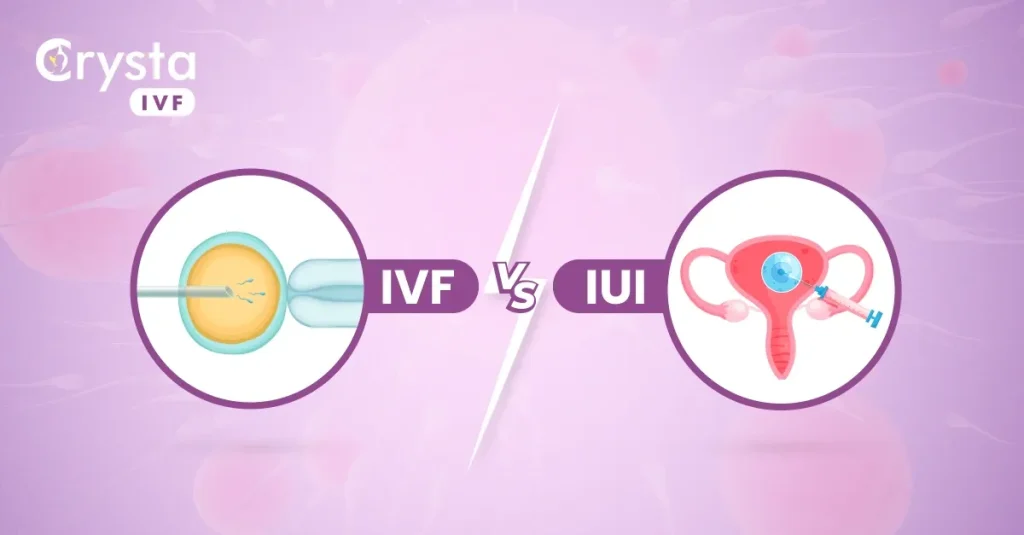
The Cost Comparison: Donor Insemination vs Partner Insemination
Partner insemination, also known as at-home insemination or self-insemination, is a process where a woman’s partner or known donor provides sperm for fertilization. This method is typically used by heterosexual couples who have been trying to conceive naturally but have not been successful. Partner insemination can be done using a syringe or a special device called a “soft cup” and is often done in the comfort of the couple’s own home.
The Cost of Partner Insemination
Compared to donor insemination, partner insemination is significantly less expensive. The only costs involved are the price of the syringe or soft cup and any necessary fertility testing or medications. A syringe can cost anywhere from $5-$20, while a soft cup can cost around $10. Fertility testing and medications are the same as in donor insemination and can range from $1000-$600 per cycle. Overall, the total cost of partner insemination can be as low as a few hundred dollars.
Factors to Consider
When choosing between donor insemination and partner insemination, there are several factors to consider besides cost. Donor insemination can offer a higher success rate, especially if IVF is used. Additionally, the use of donor sperm can offer a wider selection of genetic traits and characteristics. On the other hand, partner insemination can be a more intimate and personal experience for the couple. It also allows for the use of the partner’s or known donor’s sperm, which can be important for some couples. It is important to discuss these factors with your partner and healthcare provider to determine which option is best for you.
In conclusion, the cost of donor insemination and partner insemination can vary greatly, with donor insemination being significantly more expensive than partner insemination. However, there are other important factors to consider when choosing between these two options. It is crucial to weigh the financial cost alongside other factors such as success rates and personal preferences to make the best decision for your individual situation.
Summary:
Donor insemination and partner insemination are two options used to assist individuals or couples in starting a family. Donor insemination involves using donor sperm to fertilize an egg, while partner insemination uses the partner’s or known donor’s sperm. The total cost of donor insemination can range from several thousand to tens of thousands of dollars, while partner insemination is significantly less expensive. However, other factors such as success rates and personal preferences should also be considered when choosing between these options.
Leave a Reply