Breaking Down the Costs: IUI vs DI
When exploring fertility options, it can be overwhelming to navigate the different procedures and their associated costs. Intrauterine insemination (IUI) and donor insemination (DI) are two common methods used to help individuals or couples conceive. While they may seem similar on the surface, there are significant differences in the cost and process of each option. In this blog post, we will break down the costs of IUI vs DI and discuss factors to consider when making a decision.
IUI, also known as artificial insemination, involves placing washed and prepared sperm directly into the uterus through a catheter. This procedure is often used for couples with male factor infertility, unexplained infertility, or single women who want to conceive using donor sperm. The cost of IUI can vary greatly depending on factors such as location, clinic, and insurance coverage. On average, the cost of one IUI cycle can range from $300 to $1,000, not including medications or diagnostic testing. However, this cost can increase significantly if multiple cycles are needed.
On the other hand, DI involves using donor sperm to fertilize the woman’s egg either through intrauterine insemination or in vitro fertilization (IVF). This option is typically used by single women or same-sex female couples who need donor sperm to conceive. The cost of DI can also vary greatly, but it is generally more expensive than IUI due to the additional steps involved, such as purchasing donor sperm and potentially undergoing IVF. On average, the cost of one DI cycle can range from $3,000 to $5,000, not including medications or diagnostic testing. This cost can increase even further if multiple cycles or IVF procedures are needed.
One factor that impacts the cost of IUI and DI is the use of fertility medications. While IUI can be done without medications, many doctors recommend using fertility drugs to stimulate ovulation and increase the chances of conception. These medications can range from $50 to $2,000 per cycle, depending on the type and dosage prescribed. DI, on the other hand, almost always involves the use of fertility medications, as the timing of the insemination is critical for successful fertilization.
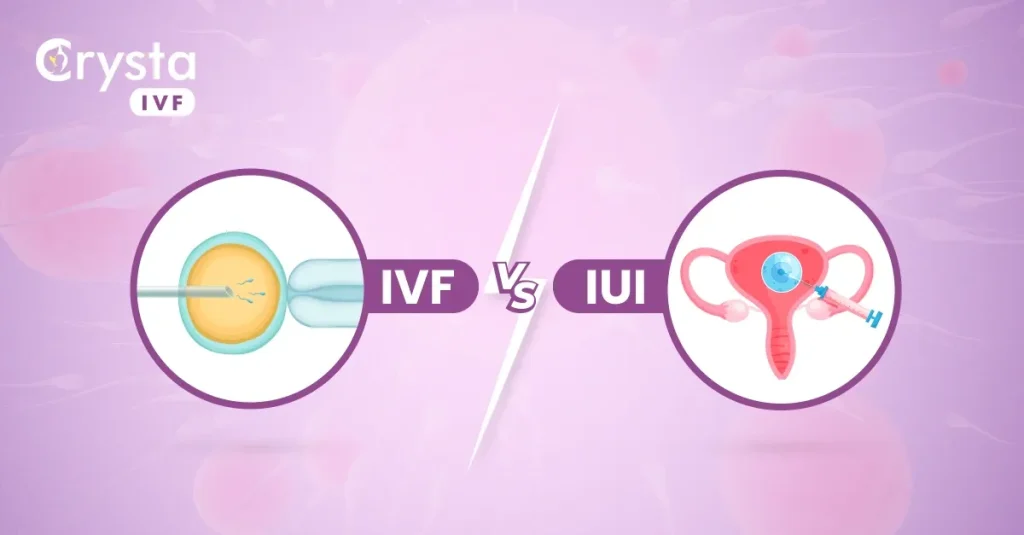
Breaking Down the Costs: IUI vs DI
Another factor to consider is the cost of donor sperm. The cost of donor sperm can vary depending on the clinic and any additional services offered, such as genetic testing or donor information. On average, the cost of one vial of donor sperm can range from $500 to $1,000. However, multiple vials may be needed for each cycle, increasing the overall cost.
It is also essential to factor in the cost of diagnostic testing when considering IUI or DI. Before undergoing any fertility treatment, both partners may need to undergo various tests, including blood work, ultrasounds, and semen analysis. These tests can range from a few hundred to a few thousand dollars, depending on the type and frequency of testing needed.
Additionally, the cost of IUI and DI can vary depending on insurance coverage. While some insurance plans may cover some or all of the costs associated with these procedures, others may not cover them at all. It is crucial to check with your insurance provider to understand your coverage and any out-of-pocket expenses.
When deciding between IUI and DI, it is also essential to consider the success rates of each procedure. IUI has a lower success rate compared to DI, with an average success rate of 10-15% per cycle. However, this success rate can increase when combined with fertility medications or if multiple cycles are done. DI, on the other hand, has a higher success rate of 20-30% per cycle, but it also requires more steps and can be more expensive.
In conclusion, both IUI and DI can be viable options for individuals or couples looking to conceive. However, the cost of each procedure can vary significantly and is influenced by factors such as fertility medications, donor sperm, diagnostic testing, and insurance coverage. It is essential to consider these factors carefully and consult with a fertility specialist to determine the best option for your specific situation.