A Closer Look at Intrauterine Insemination vs Donor Insemination Success Rates
The journey to parenthood can be a challenging and emotional one, especially for couples struggling with infertility. Fortunately, advances in medical technology have opened up new possibilities for couples to start a family, including assisted reproductive techniques like intrauterine insemination (IUI) and donor insemination (DI). But with so many options available, it can be overwhelming and confusing to understand the success rates and differences between these two procedures. In this blog post, we will take a closer look at IUI vs DI success rates to help couples make informed decisions about their fertility journey.
What is Intrauterine Insemination?
Intrauterine insemination, also known as artificial insemination, is a fertility treatment that involves placing sperm directly into a woman’s uterus to increase the chances of fertilization. The process begins with the collection of sperm from either the male partner or a sperm donor. The sperm is then washed and concentrated to increase its quality and placed into a catheter. The catheter is then inserted into the woman’s cervix and the sperm is released into the uterus, closer to the fallopian tubes where fertilization occurs.
What is Donor Insemination?
Donor insemination, on the other hand, involves the use of donated sperm from a known or anonymous donor. The process is similar to IUI, where the sperm is washed and prepared before being placed into the woman’s uterus. However, the main difference is that the sperm comes from a donor rather than the male partner. Donor insemination is often recommended for couples with male factor infertility, same-sex couples, and single women who wish to conceive.
Success Rates of IUI vs DI
The success rates of IUI and DI can vary depending on various factors, including age, cause of infertility, and the quality of sperm or donor sperm used. According to the American Society for Reproductive Medicine, the average success rate for IUI is around 10-20% per cycle for couples with unexplained infertility, while the success rate for DI is slightly higher at 15-20% per cycle. However, it is important to note that these success rates can vary significantly between clinics and individual cases.
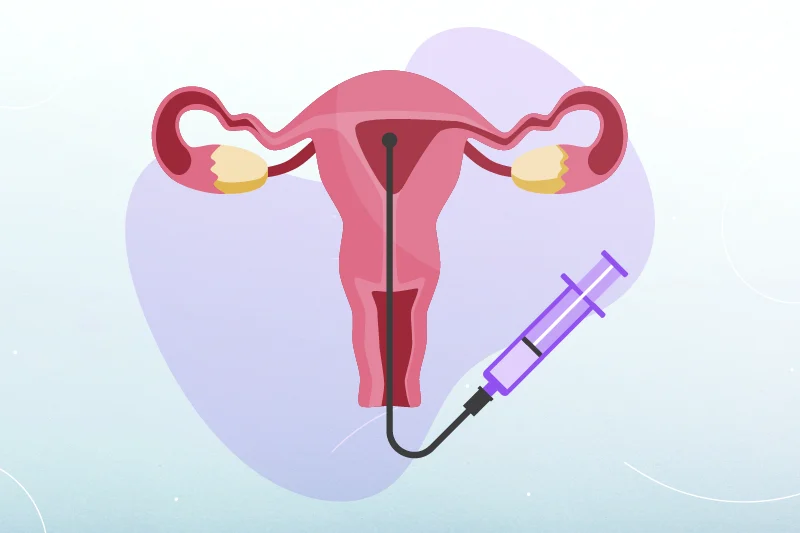
A Closer Look at Intrauterine Insemination vs Donor Insemination Success Rates
Factors Affecting Success Rates
As mentioned, there are several factors that can affect the success rates of IUI and DI. Age is one of the most significant factors, as the success rates of both procedures decrease with age. Women over the age of 35 have a lower chance of success with IUI and DI, compared to younger women. Additionally, the cause of infertility can also play a role in success rates. For instance, couples with male factor infertility may have a lower success rate with IUI compared to couples with unexplained infertility.
The quality of sperm or donor sperm is also a crucial factor in determining the success rates of IUI and DI. Sperm that is healthy, motile, and has a high concentration has a better chance of fertilization. Therefore, it is essential to undergo proper testing and preparation of sperm before the procedure to increase the chances of success.
Benefits of IUI and DI
Both IUI and DI have their own benefits and can be suitable for different couples and situations. One of the main benefits of IUI is that it can be used as a first-line treatment for couples with unexplained infertility. It is a less invasive and less expensive option compared to other assisted reproductive techniques like in vitro fertilization (IVF). IUI also allows for the use of the male partner’s sperm, making the experience more personal and intimate for the couple.
On the other hand, DI can be a more viable option for couples with male factor infertility, same-sex couples, and single women. It also allows for the use of donor sperm, which may be necessary for couples where the male partner has a genetic or hereditary condition that they do not want to pass down to their child. DI also provides the opportunity for couples to choose the physical and personal characteristics of the sperm donor, giving them more control over the traits of their future child.
In Conclusion
In summary, IUI and DI are two different assisted reproductive techniques that can help couples struggling with infertility to conceive. While both procedures have similar success rates, there are various factors that can affect these rates. It is essential for couples to consult with a fertility specialist to determine the best course of action for their specific situation. With the right guidance and support, couples can make informed decisions about their fertility journey and increase their chances of a successful pregnancy and childbirth.