The Role of Hormones: IUI vs DI
Hormones play a crucial role in fertility and pregnancy, and they can also affect the success rates of assisted reproductive techniques such as intrauterine insemination (IUI) and donor insemination (DI). In this blog post, we will explore the role of hormones in IUI and DI and how they impact the success of these procedures.
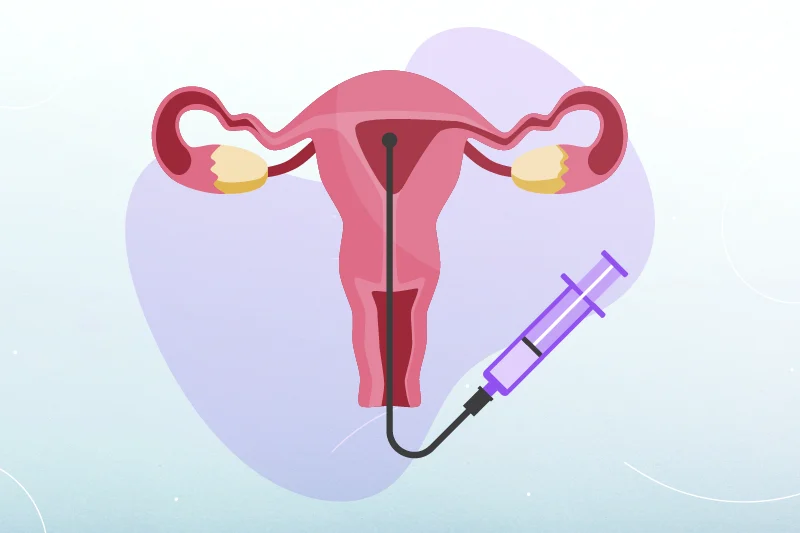
IUI, also known as artificial insemination, is a fertility treatment where sperm is placed directly into a woman’s uterus during ovulation. This increases the chances of fertilization by bringing the sperm closer to the egg. On the other hand, DI involves using donor sperm to fertilize the woman’s egg, either through intrauterine insemination or in vitro fertilization (IVF).
One of the key hormones involved in both IUI and DI is follicle-stimulating hormone (FSH). This hormone is responsible for stimulating the growth and development of follicles in the ovaries, which contain the woman’s eggs. In IUI, FSH levels are closely monitored to ensure that the woman is producing enough follicles for a successful procedure. If FSH levels are too low, medications may be prescribed to stimulate follicle growth. In DI, FSH levels are also monitored, but the focus is on determining the best time for insemination to occur.
Another important hormone in IUI and DI is luteinizing hormone (LH). This hormone triggers ovulation, the release of the egg from the follicle. In IUI, LH levels are monitored to determine the best time for insemination to occur. If LH levels are too low, a trigger shot may be given to induce ovulation. In DI, LH levels are also monitored, but the focus is on determining the best time for insemination to occur after the donor sperm has been prepared.
The Role of Hormones: IUI vs DI
Progesterone is another hormone that plays a significant role in IUI and DI. This hormone is responsible for thickening the lining of the uterus, preparing it for implantation of a fertilized egg. In IUI, progesterone levels are monitored to ensure that the lining is thick enough for implantation to occur. If progesterone levels are too low, supplements may be prescribed to improve the chances of success. In DI, progesterone levels are also monitored to determine the best time for insemination to occur, as the lining needs to be thick enough to support implantation.
In addition to these hormones, estrogen and testosterone also play important roles in IUI and DI. Estrogen helps to thicken the lining of the uterus and prepare the cervix for sperm to pass through. In IUI, estrogen levels are monitored to ensure that the lining is thick enough and the cervix is open enough for insemination to occur. Testosterone, on the other hand, plays a role in sperm production and quality. In DI, testosterone levels are monitored to ensure that the donor sperm is of good quality and has the best chance of fertilizing the egg.
So, how do these hormones impact the success rates of IUI and DI? Studies have shown that higher FSH levels, indicating better follicle development, are associated with higher pregnancy rates in both IUI and DI. LH levels that are too low or too high can also negatively affect the success of these procedures. In terms of progesterone, a thicker uterine lining has been linked to higher pregnancy rates in IUI, while lower levels of progesterone are associated with a lower chance of success in DI. Similarly, higher levels of estrogen and testosterone have been shown to improve the chances of success in both IUI and DI.
In conclusion, hormones play a crucial role in the success of IUI and DI. FSH, LH, progesterone, estrogen, and testosterone all work together to prepare the woman’s body for pregnancy and increase the chances of fertilization and implantation. Monitoring and balancing these hormones is essential for the success of these assisted reproductive techniques.
In summary, hormones play a crucial role in IUI and DI, assisting in follicle development, ovulation, and preparing the uterus for implantation. FSH, LH, progesterone, estrogen, and testosterone all have a significant impact on the success rates of these procedures. Monitoring and balancing these hormones is crucial for increasing the chances of pregnancy and fertility success.