Tag: Success Rates

  • The Pros and Cons of Intrauterine Insemination vs Low-Tech IVF

    Intrauterine insemination (IUI) and low-tech in vitro fertilization (IVF) are two common fertility treatments that can help couples struggling with infertility to conceive. Both procedures involve the placement of sperm into the woman’s reproductive tract, but there are some key differences between the two. In this blog post, we will explore the pros and cons of intrauterine insemination vs low-tech IVF to help you make an informed decision about which treatment may be best for you.

    Pros of Intrauterine Insemination (IUI):

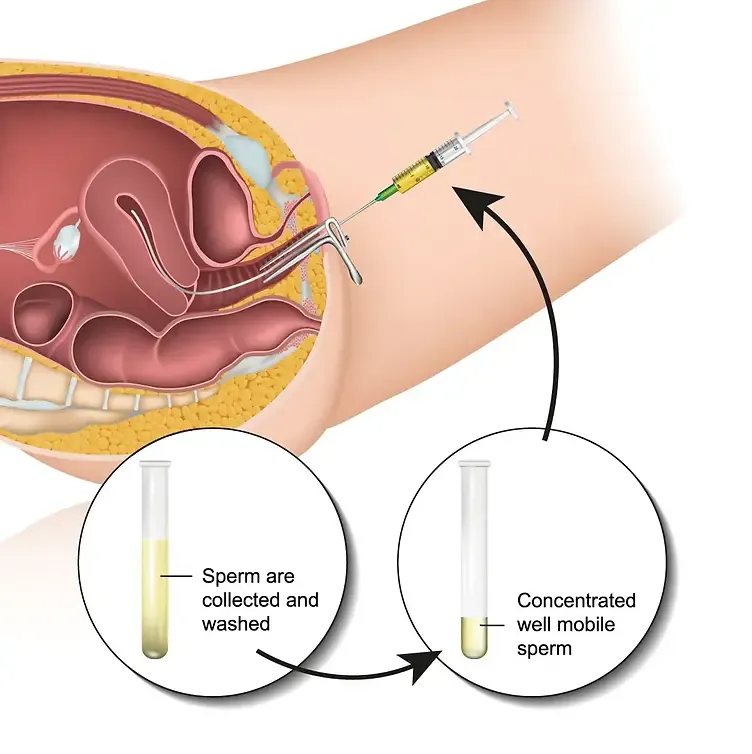
    1. Less invasive and less expensive: IUI is a relatively simple and non-invasive procedure compared to IVF. It involves the placement of washed and concentrated sperm directly into the uterus, bypassing the cervix and increasing the chances of fertilization. This makes IUI a more affordable option for couples who may not be able to afford the high costs of IVF.

    2. Natural conception process: IUI mimics the natural process of conception, with sperm being placed directly into the uterus where fertilization naturally occurs. This can make the experience more comfortable and familiar for couples compared to more complex and artificial IVF procedures.

    3. Suitable for mild fertility issues: IUI is often recommended for couples with mild fertility issues such as low sperm count or poor sperm motility. It can also be a viable option for couples with unexplained infertility.

    4. Can be combined with fertility drugs: IUI can be combined with fertility drugs such as Clomid to stimulate ovulation and increase the chances of success. This can be an effective option for women who are not ovulating regularly.

    Cons of Intrauterine Insemination (IUI):

    1. Lower success rates: The success rates of IUI are generally lower than those of IVF, especially for couples with more severe fertility issues. This is because IUI relies on natural fertilization, which may not be as effective as the more advanced techniques used in IVF.

    2. Multiple births: IUI can increase the chances of multiple births, which can be risky for both the mother and the babies. This is because fertility drugs used to stimulate ovulation can lead to the release of multiple eggs, increasing the chances of multiple pregnancies.

    3. Limited to certain fertility issues: IUI is not suitable for all types of fertility issues. For example, it may not be effective for couples where the male partner has a low sperm count or poor sperm quality.
    Comparison of IUI and IVF treatments with diagrams of reproductive anatomy.

    The Pros and Cons of Intrauterine Insemination vs Low-Tech IVF

    Pros of Low-Tech IVF:

    1. Higher success rates: Low-tech IVF has higher success rates compared to IUI, making it a more effective option for couples struggling with more severe fertility issues. This is because IVF involves fertilizing the eggs with sperm in a controlled laboratory setting, increasing the chances of success.

    2. Fewer risks of multiple births: Unlike IUI, low-tech IVF involves the transfer of only one embryo into the uterus, reducing the chances of multiple births. This can be safer for the mother and the babies.

    3. Suitable for a wider range of fertility issues: Low-tech IVF can be used for a wider range of fertility issues compared to IUI. It can be a viable option for couples with male factor infertility, tubal factor infertility, or advanced maternal age.

    Cons of Low-Tech IVF:

    1. More invasive and expensive: Low-tech IVF involves more invasive procedures and is generally more expensive compared to IUI. It requires the retrieval of eggs from the woman’s ovaries and the fertilization of those eggs with sperm in a laboratory.

    2. Potential for overstimulation: The use of fertility drugs to stimulate egg production can lead to overstimulation of the ovaries, which can be uncomfortable and potentially dangerous for the woman.

    3. Emotional and physical toll: Going through the more complex procedures of IVF, such as egg retrieval and embryo transfer, can take an emotional and physical toll on couples. The uncertainty of success and the potential for multiple failed attempts can also be emotionally draining.

    Summary:

    Intrauterine insemination and low-tech IVF are two popular fertility treatments that can help couples struggling with infertility to conceive. While IUI is a less invasive and more affordable option, it may not be suitable for all types of fertility issues and has lower success rates compared to IVF. On the other hand, low-tech IVF has higher success rates and can be used for a wider range of fertility issues but is more invasive and expensive. Ultimately, the choice between the two treatments will depend on the specific fertility issues of the couple and their personal preferences.
  • Breaking Down the Differences: Intrauterine Insemination vs Low-Tech IVF

    Summary:

    In the world of fertility treatments, there are two commonly used methods for helping couples conceive: intrauterine insemination (IUI) and low-tech in vitro fertilization (IVF). While both procedures are designed to assist with fertilization, they differ in their approach and success rates. In this blog post, we will break down the differences between IUI and low-tech IVF, including their processes, costs, success rates, and who they are best suited for. By understanding the nuances of these two treatments, individuals and couples can make an informed decision about which option may be the best fit for their fertility journey.

    Intrauterine Insemination (IUI):

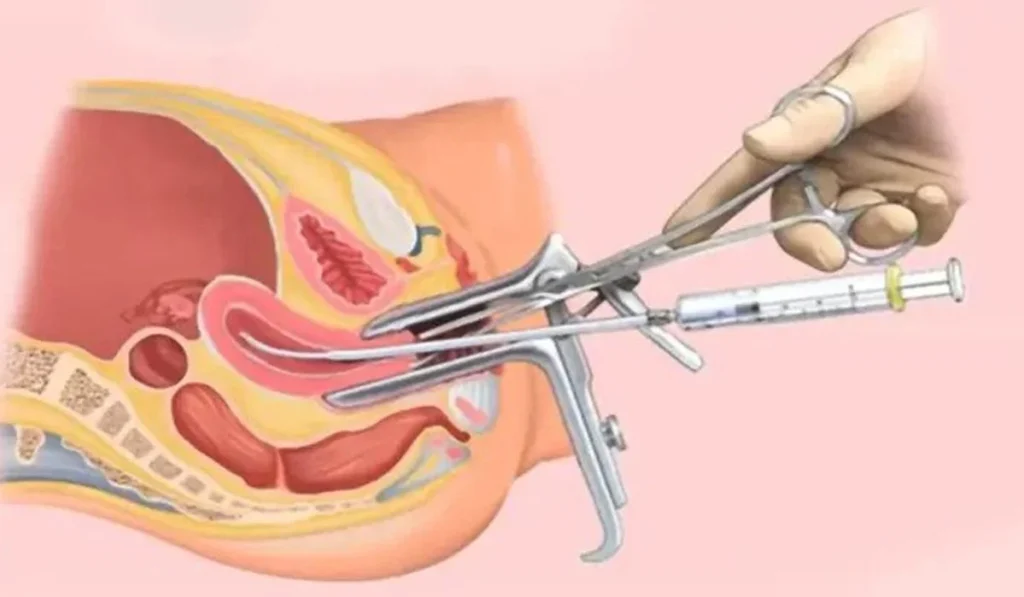
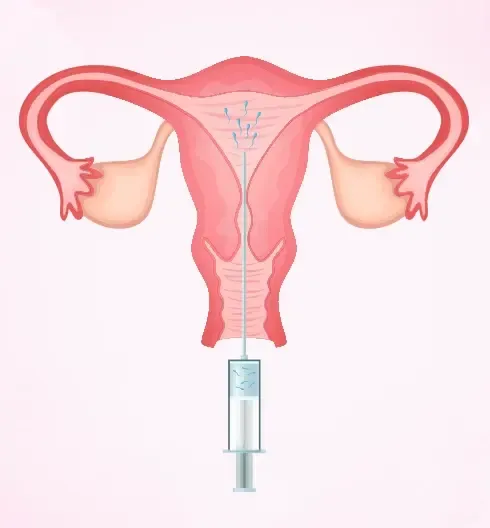
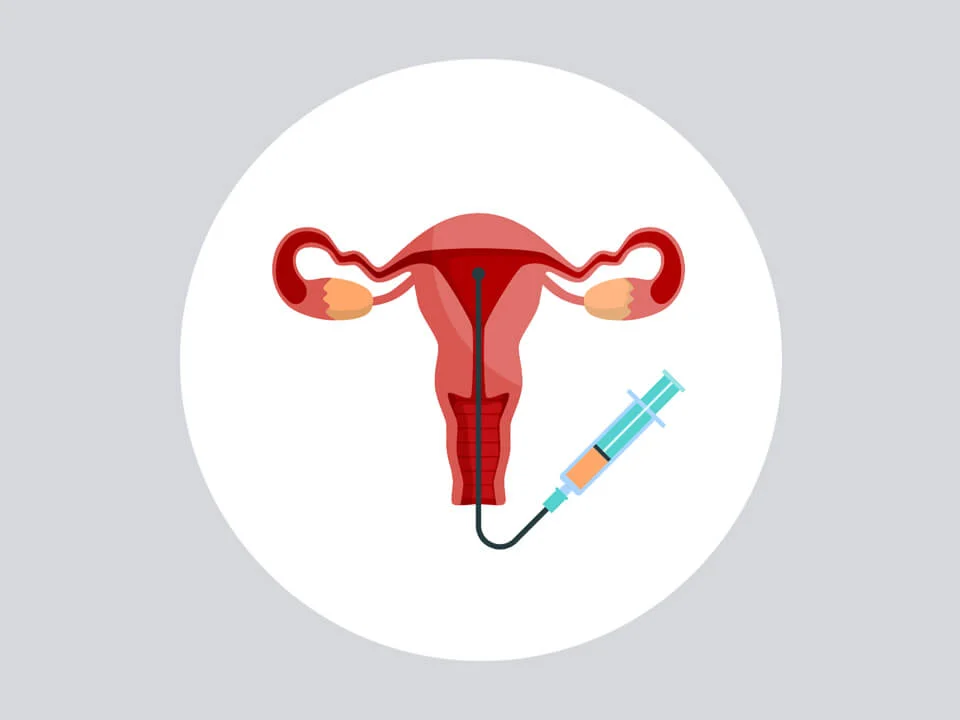
    IUI is a simple and relatively non-invasive procedure that involves the placement of washed and concentrated sperm directly into the uterus, bypassing the cervix. This procedure is typically recommended for couples who have unexplained infertility, mild male factor infertility, or ovulation disorders. The process begins with the female partner taking ovulation-inducing medication to stimulate the ovaries to produce multiple eggs. The male partner will then provide a semen sample, which will be washed and prepared in a laboratory before being inserted into the uterus using a thin catheter. IUI can be done with or without the use of fertility drugs, and the entire process takes only a few minutes.

    Low-Tech IVF:

    Low-tech IVF, also known as mini-IVF or mild stimulation IVF, is a less aggressive version of traditional IVF. While traditional IVF involves high doses of fertility drugs to stimulate the ovaries to produce multiple eggs, low-tech IVF uses a lower dosage of fertility drugs or no drugs at all. This results in fewer eggs being produced, making it a more affordable option for those who cannot afford traditional IVF. However, this also means that the success rates may be lower.

    The procedure for low-tech IVF is similar to traditional IVF, with the main difference being the dosage of fertility drugs used. After the eggs are retrieved from the ovaries, they are fertilized with sperm in a laboratory. The resulting embryos are then transferred into the uterus using a thin catheter. Low-tech IVF is typically recommended for couples who have been unsuccessful with IUI or have more severe fertility issues, such as blocked fallopian tubes or advanced maternal age.

    Illustration of a uterus with a syringe, representing intrauterine insemination (IUI) procedure.

    Breaking Down the Differences: Intrauterine Insemination vs Low-Tech IVF

    Costs:

    One of the biggest differences between IUI and low-tech IVF is the cost. IUI is generally much more affordable than low-tech IVF as it does not involve the use of expensive fertility drugs. On average, IUI can cost between $500 to $1,000 per cycle, while low-tech IVF can range from $3,000 to $7,000 per cycle. However, the cost of low-tech IVF can still be significantly lower than traditional IVF, which can cost upwards of $12,000 per cycle.

    Success Rates:

    Another important factor to consider when deciding between IUI and low-tech IVF is their success rates. While both procedures aim to help couples conceive, the success rates can vary significantly. IUI has a success rate of around 10-20% per cycle, which can increase with the use of fertility drugs. On the other hand, low-tech IVF has a success rate of around 15-20% per cycle without the use of fertility drugs, and up to 40% with the use of low doses of fertility drugs. It is important to note that the success rates for both procedures also depend on factors such as age, fertility issues, and the quality of the sperm and eggs.

    Who is it best suited for?

    Ultimately, the decision between IUI and low-tech IVF will depend on individual circumstances and what is best suited for each person or couple. IUI is a good option for those who have mild fertility issues and want a less invasive and more affordable treatment. It is also a good starting point for couples who are just beginning their fertility journey. Low-tech IVF, on the other hand, may be a better choice for those who have more severe fertility issues and have not had success with IUI. It may also be a more cost-effective option for those who cannot afford traditional IVF. Consulting with a fertility specialist can help individuals and couples determine which option is the best fit for their specific situation.

    In conclusion, both IUI and low-tech IVF are effective fertility treatments that can help couples achieve their dream of starting a family. While they have some similarities, they also have significant differences in their processes, costs, and success rates. By understanding these differences, individuals and couples can make an informed decision about which option may be the best fit for them. Regardless of which treatment is chosen, it is important to remember that every fertility journey is unique and to have patience and hope along the way.

  • Traditional Fertility Treatments: Success Rates and Long-Term Effects

    Traditional Fertility Treatments: Success Rates and Long-Term Effects

    Fertility is a complex issue that affects many couples around the world. For those struggling to conceive, traditional fertility treatments have been a popular option for many years. These treatments include methods such as medications, surgeries, and assisted reproductive technologies (ART). While these treatments have been successful in helping many couples achieve pregnancy, it is important to understand their success rates and potential long-term effects.

    Success Rates of Traditional Fertility Treatments

    When it comes to traditional fertility treatments, success rates can vary greatly depending on the specific method used and individual circumstances. For example, fertility medications are often used to stimulate ovulation in women who have irregular periods or ovulation disorders. The success rates for these medications can range from 20% to 60% per cycle, with higher success rates for younger women and those with fewer fertility issues.

    On the other hand, surgeries such as laparoscopic surgery for endometriosis or varicocelectomy for male infertility have higher success rates, with up to 80% of patients achieving pregnancy within a year of the procedure. However, these surgeries also carry a higher risk of complications and may not be suitable for all patients.

    ART, which includes procedures such as in vitro fertilization (IVF) and intrauterine insemination (IUI), has the highest success rates among traditional fertility treatments. According to the Centers for Disease Control and Prevention (CDC), the success rates for IVF can range from 40% to 50% for women under 35 years old, but decrease with age. The success rates for IUI are lower, but still range from 10% to 20% per cycle.

    Factors Affecting Success Rates

    There are various factors that can affect the success rates of traditional fertility treatments. Age is a significant factor, as fertility declines with age. Women over 35 may have a lower chance of success with fertility treatments, and women over 40 may have a more difficult time achieving pregnancy even with these treatments.

    Illustration of intrauterine insemination process, showing sperm collection and injection into the uterus.

    Traditional Fertility Treatments: Success Rates and Long-Term Effects

    Other factors that can impact success rates include underlying health conditions, lifestyle habits such as smoking and excessive alcohol consumption, and the cause of infertility. It is important for couples to undergo thorough diagnostic testing to determine the root cause of their infertility and receive personalized treatment plans.

    Long-Term Effects of Traditional Fertility Treatments

    While traditional fertility treatments have helped many couples achieve pregnancy, they also come with potential long-term effects that should be considered. Medications used for fertility treatments can have side effects such as hot flashes, headaches, and mood swings. Some surgical procedures may also carry risks such as infection, bleeding, and damage to surrounding organs.

    ART procedures, in particular, have been associated with an increased risk of multiple pregnancies, which can lead to complications for both the mother and babies. These procedures also require the use of fertility drugs, which can have long-term effects such as an increased risk of ovarian cancer. In addition, the emotional toll of multiple failed cycles and the financial burden of these treatments can also have long-term effects on couples.

    Alternative Options for Fertility Treatment

    In recent years, there has been a growing interest in alternative options for fertility treatment. These include methods such as acupuncture, herbal remedies, and lifestyle changes. While there is limited scientific evidence to support the effectiveness of these treatments, many couples have reported success with them. These alternative options may also have fewer potential long-term effects compared to traditional treatments.

    Another alternative option is fertility preservation, which involves freezing eggs or embryos for future use. This option is becoming increasingly popular, especially for women who may want to postpone pregnancy due to personal or medical reasons. Fertility preservation can also be beneficial for those undergoing treatments such as chemotherapy, which can affect fertility.

    In addition to these alternative options, it is important for couples to also consider the emotional and psychological impact of fertility treatments. Seeking counseling and support from fertility specialists can help couples cope with the stress and challenges of infertility and make informed decisions about their treatment options.

    In summary, traditional fertility treatments have varying success rates and potential long-term effects. While they have helped many couples achieve pregnancy, it is important for individuals to understand the risks and benefits of these treatments and explore alternative options if necessary. It is also crucial for couples to prioritize their emotional and psychological well-being throughout the fertility treatment journey.

  • The Legalities of DIY Insemination: Home vs Clinical

    Blog Post:

    The process of starting a family through insemination has become more accessible and convenient than ever before. With advancements in technology and a shift towards more inclusive family planning, people are exploring DIY insemination as an option. However, before embarking on this journey, it is crucial to understand the legalities involved in DIY insemination, especially in comparison to clinical insemination. In this blog post, we will discuss the legalities of DIY insemination, the differences between home and clinical insemination, and the factors to consider before making a decision.

    DIY Insemination: What is it?

    DIY insemination, also known as at-home insemination, is the process of using a sperm donor to conceive a child without medical intervention. It involves obtaining semen from a donor and using it to inseminate oneself or a partner at home. This method has gained popularity among same-sex couples, single women, and heterosexual couples struggling with infertility.

    Legal Considerations of DIY Insemination

    While DIY insemination may seem like a straightforward and convenient option, there are legal considerations to keep in mind. The laws surrounding DIY insemination vary from state to state and country to country. In some places, it may be legal to use a known donor, while in others, it may be prohibited. It is crucial to research and understand the legalities involved in your specific location before proceeding with DIY insemination.

    Another legal consideration to keep in mind is the parental rights of the donor. In some cases, the donor may retain parental rights, even if they have no intention of being involved in the child’s life. This could lead to complicated legal battles and potential challenges in the future. It is essential to establish clear parental agreements and seek legal advice to avoid any potential legal issues down the line.

    Home Insemination vs. Clinical Insemination

    One of the main differences between home and clinical insemination is the involvement of a medical professional. In clinical insemination, a physician will perform the procedure in a controlled and sterile environment, increasing the chances of success. In contrast, home insemination relies on self-administration, which may not be as effective.

    Another factor to consider is the use of donor sperm. In clinical insemination, donor sperm is obtained from a sperm bank, which screens and tests donors for infectious diseases and genetic conditions. This reduces the risk of passing on any diseases or conditions to the child. However, in DIY insemination, donors may not undergo the same screening process, increasing the potential health risks.

    Legalities of Clinical Insemination

    Illustration of a uterus with a syringe, representing intrauterine insemination (IUI) procedure.

    The Legalities of DIY Insemination: Home vs Clinical

    While clinical insemination may seem like a safer and more regulated option, there are also legalities to consider. In some places, laws may restrict access to clinical insemination for certain groups, such as same-sex couples or single individuals. It is essential to research and understand the laws in your location before pursuing clinical insemination.

    Another legal consideration in clinical insemination is the use of donor sperm. In some cases, the donor may have parental rights, even if they are not the child’s biological parent. It is crucial to have legal agreements in place to avoid any potential legal issues in the future.

    Factors to Consider Before Making a Decision

    Before deciding between home and clinical insemination, there are several factors to consider. These include:

    1. Legal Considerations: It is essential to research and understand the legalities involved in DIY and clinical insemination in your location.

    2. Health Risks: DIY insemination carries a higher risk of passing on infectious diseases or genetic conditions, as there may not be proper screening of donors.

    3. Success Rates: Clinical insemination has a higher success rate due to the involvement of a medical professional and a controlled environment.

    4. Cost: DIY insemination may seem like a more affordable option, but it is crucial to factor in the potential costs of legal issues and medical complications.

    5. Emotional Considerations: Bringing a child into the world is a significant decision, and it is essential to consider the emotional impact on all parties involved, including the child, donor, and potential co-parent.

    In conclusion, the legalities of DIY insemination are complex and vary depending on location. While it may seem like a convenient option, it is crucial to understand the potential legal issues and health risks involved. It is recommended to seek legal and medical advice before making a decision between home and clinical insemination.

    Summary:

    DIY insemination, also known as at-home insemination, is a popular option for family planning, but it is essential to understand the legalities involved. The laws surrounding DIY insemination vary from state to state, and there may be legal considerations, such as parental rights of the donor. In contrast, clinical insemination involves a medical professional and a more regulated process. Factors to consider before deciding between home and clinical insemination include legal considerations, health risks, success rates, cost, and emotional implications.

  • The Benefits of Fertility Coaching for Those Considering Assisted Reproductive Technologies

    Blog Post Title: The Benefits of Fertility Coaching for Those Considering Assisted Reproductive Technologies

    Summary:

    Assisted reproductive technologies (ART) have revolutionized the field of fertility treatment, providing hope for millions of people struggling to conceive. However, these treatments can also be emotionally and physically taxing, leading to stress, anxiety, and uncertainty. This is where fertility coaching comes in. Fertility coaching offers a holistic approach to support individuals and couples throughout their journey of ART, providing them with the tools, guidance, and support they need to navigate the process with confidence and clarity.

    In this blog post, we will discuss the benefits of fertility coaching for those considering ART. We will delve into how fertility coaching can provide emotional support, help individuals make informed decisions, and improve overall success rates. We will also explore the role of a fertility coach and how they can work together with medical professionals to provide comprehensive care for their clients.

    Emotional Support:

    The journey of assisted reproductive technologies can be emotionally challenging, filled with ups and downs, and a rollercoaster of emotions. Many individuals and couples experience feelings of grief, loss, and disappointment as they navigate the process of fertility treatments. Fertility coaching offers a safe and supportive environment for individuals to express their emotions and work through any challenges they may be facing. A fertility coach can provide a listening ear, offer empathy, and help individuals process their feelings in a healthy way.

    Moreover, fertility coaches are trained to help individuals develop coping mechanisms to deal with the stress and anxiety that can accompany fertility treatments. Through techniques such as mindfulness and relaxation techniques, individuals can learn to manage their emotions and reduce the negative impact of stress on their physical and mental well-being.

    Informed Decision Making:

    A person administering an injection into their abdomen with a yellow pen-like device.

    The Benefits of Fertility Coaching for Those Considering Assisted Reproductive Technologies

    The process of assisted reproductive technologies involves making several important decisions, from choosing the right treatment option to selecting a fertility clinic. With so much information available, it can be overwhelming for individuals to make informed decisions. Fertility coaches can provide valuable guidance and support in this aspect. They can help individuals understand the various treatment options available, their success rates, and potential risks and side effects. This information can empower individuals to make decisions that align with their values and goals, leading to a more positive experience overall.

    Additionally, fertility coaches can also assist in navigating the financial aspect of ART. They can provide resources and tools to help individuals understand the costs involved and explore options such as insurance coverage or financing. This can alleviate some of the financial stress and allow individuals to focus on their treatment without worrying about the financial burden.

    Improved Success Rates:

    Studies have shown that individuals who receive fertility coaching during their ART journey have higher success rates compared to those who do not. This is because fertility coaches work closely with their clients to optimize their physical and emotional well-being, which can have a significant impact on fertility. Fertility coaches can provide guidance on nutrition, exercise, and lifestyle changes that can improve fertility and increase the chances of a successful pregnancy.

    Furthermore, fertility coaches can also work in collaboration with medical professionals to create a personalized treatment plan for their clients. By understanding their clients’ needs, goals, and challenges, fertility coaches can advise medical professionals on the best approach to take, leading to more effective and personalized treatment.

    The Role of a Fertility Coach:

    Fertility coaches are trained professionals who specialize in supporting individuals and couples through the process of ART. They have extensive knowledge and experience in fertility treatments, as well as coaching techniques and tools to support their clients effectively. Fertility coaches work with their clients to identify their needs, set goals, and develop a plan to achieve those goals.

    While fertility coaches do not provide medical advice or treatment, they can work alongside medical professionals to provide comprehensive care for their clients. This collaboration can lead to a more holistic approach to fertility treatment, addressing both the physical and emotional aspects of the journey.

    In conclusion, fertility coaching can provide numerous benefits for individuals and couples considering assisted reproductive technologies. From emotional support and informed decision making to improved success rates and collaboration with medical professionals, fertility coaching offers a valuable resource for those on their journey to parenthood. If you are considering ART, consider seeking the support of a fertility coach to help you navigate this complex and emotional process with confidence and clarity.

  • The Cost of Fertility: Comparing Coaching and Medical Treatment

    Blog Post:

    Fertility is often seen as a natural process, something that should happen effortlessly when a couple decides to start a family. However, for many couples, this is not the case. Infertility affects approximately 10-15% of couples worldwide, and the emotional and financial toll it can take is significant. As a result, many couples turn to fertility treatments in hopes of achieving their dream of having a child. But with the rising costs of fertility treatments, many are left wondering if the financial burden is worth it. In this blog post, we will explore the cost of fertility treatments, specifically comparing the cost of coaching versus medical treatment.

    The Cost of Fertility Treatments:

    The cost of fertility treatments can vary greatly, depending on the type of treatment, where you live, and your individual circumstances. In the United States, the average cost of a single IVF cycle can range from $12,000 to $15,000, not including additional medications and procedures. This is a significant amount of money for most couples, and it is not uncommon for multiple cycles to be needed before achieving a successful pregnancy. Other treatments, such as intrauterine insemination (IUI) or fertility medications, can also add up quickly, with an average cost of $2,000 to $5,000 per cycle.

    Coaching for Fertility:

    Coaching for fertility is a relatively new concept, but it has gained popularity in recent years. It involves working with a fertility coach, who provides emotional and psychological support, as well as guidance and advice on lifestyle changes that can potentially improve fertility. The cost of fertility coaching can range from a few hundred dollars to several thousand, depending on the length and intensity of the program.

    Comparing the Cost:

    On the surface, it may seem that coaching for fertility is a more affordable option compared to medical treatment. However, it is essential to dive deeper and consider the long-term effects and success rates of each. While coaching may have a lower upfront cost, it may not address the underlying medical issues that are causing infertility. In contrast, medical treatment focuses on diagnosing and treating these issues, increasing the chances of a successful pregnancy.

    illustration of an intrauterine insemination procedure with medical instruments and anatomical details

    The Cost of Fertility: Comparing Coaching and Medical Treatment

    Success Rates:

    When it comes to success rates, medical treatment has a higher chance of achieving a pregnancy compared to coaching. According to the Society for Assisted Reproductive Technology, the average success rate for IVF in the US is around 45% for women under 35, and this rate decreases with age. On the other hand, the success rate for coaching is difficult to determine as it is highly dependent on the individual’s commitment and the effectiveness of the program. While coaching may have a lower upfront cost, it may not be as cost-effective in the long run if it is not successful in helping achieve a pregnancy.

    Emotional and Mental Health:

    Infertility can take a toll on a couple’s emotional and mental health, and this is where coaching may have an advantage. Fertility coaching often includes therapy sessions, group support, and other techniques to help individuals cope with the stress and emotions that come with infertility. This support can be invaluable, as it not only helps individuals feel less alone but also equips them with coping mechanisms to manage the challenges of trying to conceive. In contrast, medical treatment may not address these emotional and mental health aspects, and some individuals may benefit from seeking additional support through therapy or support groups.

    Considerations for Choosing a Treatment Option:

    When considering the cost of fertility treatments and which option is right for you, there are a few factors to consider. First, it is essential to understand the underlying cause of infertility and the recommended treatment by a medical professional. In some cases, coaching may be a beneficial addition to medical treatment, but it should not be seen as a replacement. Additionally, it is vital to consider your individual circumstances, such as age, medical history, and financial situation. Ultimately, the decision should be made based on what is best for you and your partner.

    Summary:

    Infertility affects millions of couples worldwide, and the cost of fertility treatments can be a significant barrier for many. While coaching for fertility may seem like a more affordable option, it is essential to consider the long-term effects and success rates. In contrast, medical treatment may have a higher upfront cost, but it has a higher chance of achieving a successful pregnancy. Additionally, it is essential to consider factors such as emotional and mental health and individual circumstances when deciding on a treatment option. Ultimately, the decision should be made based on what is best for the individual or couple seeking treatment.

  • The Power of Choice: Intrauterine Insemination vs Intracervical Insemination

    Blog Post:

    The Power of Choice: Intrauterine Insemination vs Intracervical Insemination

    When it comes to trying to conceive, there are a variety of options available to couples, one of which is intrauterine insemination (IUI) and intracervical insemination (ICI). Both procedures involve placing sperm into the woman’s reproductive tract, but there are some key differences between the two. In this blog post, we will explore the power of choice when it comes to these two fertility treatments and help you make an informed decision on which one may be right for you.

    What is Intrauterine Insemination (IUI)?

    Intrauterine insemination, also known as artificial insemination, is a fertility treatment that involves placing washed and concentrated sperm directly into the uterus. This is typically done around the time of ovulation to increase the chances of fertilization. The procedure is relatively simple and can be performed at a fertility clinic or doctor’s office.

    What is Intracervical Insemination (ICI)?

    Intracervical insemination, also known as cervical insemination, is a fertility treatment that involves placing unwashed sperm into the cervix using a catheter or a soft cup. This procedure is similar to IUI, but the sperm is not washed or concentrated. As a result, ICI is typically less expensive than IUI and can be done at home with the use of a DIY insemination kit.

    The Pros and Cons of IUI

    One of the main advantages of IUI is that it has a higher success rate compared to ICI. This is because the sperm is placed directly into the uterus, bypassing the cervix and increasing the chances of fertilization. IUI is also a less invasive procedure compared to other fertility treatments like in vitro fertilization (IVF). It can be done quickly and does not require any anesthesia.

    Illustration of intrauterine insemination process, showing sperm collection and injection into the uterus.

    The Power of Choice: Intrauterine Insemination vs Intracervical Insemination

    On the other hand, IUI does have some drawbacks. The success rate can vary based on factors such as age, sperm quality, and underlying fertility issues. It also requires a certain level of sperm quality, which may not be possible for some couples. Additionally, IUI can be costly, especially if multiple cycles are needed.

    The Pros and Cons of ICI

    One of the main advantages of ICI is that it is a more affordable option compared to IUI. It can also be done in the comfort of your own home, eliminating the need for multiple visits to a fertility clinic. ICI is also a less invasive procedure, as the sperm is placed only in the cervix, and there is no need for a speculum or catheter.

    However, ICI does have some limitations. The success rate is lower compared to IUI, as the sperm has to navigate through the cervix and uterus to reach the egg. This also means that ICI may not be suitable for couples with certain fertility issues. There is also a higher risk of infection with ICI, as the sperm is not washed or prepared before insertion.

    Which One is Right for You?

    The decision between IUI and ICI ultimately depends on individual factors and preferences. If you have a good sperm count and quality, and are under the age of 35, IUI may be a more suitable option. However, if you are on a tight budget or have difficulty with sperm quality, ICI may be a better choice.

    It is important to consult with your doctor or a fertility specialist to determine which option is best for you. They can evaluate your medical history and perform necessary tests to advise you on the best course of action. They can also discuss the potential success rates and risks associated with each procedure.

    In Summary

    Intrauterine insemination (IUI) and intracervical insemination (ICI) are two fertility treatments that involve placing sperm into the woman’s reproductive tract to increase the chances of fertilization. While IUI has a higher success rate, it can be more expensive and invasive compared to ICI. On the other hand, ICI is more affordable and can be done at home, but it has a lower success rate and a higher risk of infection.

    The power of choice lies in understanding the differences between these two procedures and consulting with a medical professional to determine which one is best for you. Whether it is IUI or ICI, both options offer hope for couples struggling with fertility issues and can help them achieve their dream of starting a family.

  • Intrauterine Insemination vs Intracervical Insemination: A Look at the Success Rates

    Blog Post: In the world of assisted reproductive technology, there are various methods available for individuals and couples who are struggling to conceive. Two common procedures are intrauterine insemination (IUI) and intracervical insemination (ICI). Both of these procedures involve the insertion of sperm into the female reproductive tract, but they differ in the location of the insertion. In this blog post, we will delve into the success rates of these two procedures and explore which one may be the more effective option for those trying to conceive.

    Intrauterine insemination (IUI) is a procedure where washed and concentrated sperm is directly inserted into the uterus using a thin catheter. This procedure is typically done around the time of ovulation, when the chances of fertilization are the highest. On the other hand, intracervical insemination (ICI) involves the placement of sperm into the cervix using a syringe or cervical cap. This procedure can be done either at home or at a fertility clinic.

    One of the main factors that determines the success of any assisted reproductive procedure is the quality of the sperm used. In IUI, washed and concentrated sperm is used, which has been processed to remove any impurities or dead sperm. This increases the chances of successful fertilization as only the healthiest sperm are being used. In ICI, the sperm is not washed or concentrated, which means there is a higher chance of impurities and dead sperm being present. This can decrease the chances of a successful pregnancy.

    Another important factor to consider is the timing of the procedure. IUI is typically done at the time of ovulation, which is when the egg is released from the ovary and is ready to be fertilized. This increases the chances of the sperm and egg meeting and fertilizing, leading to a successful pregnancy. In contrast, ICI can be done at any time in the woman’s cycle, which means the timing may not be as precise and the chances of fertilization may be lower.

    The success rates of IUI and ICI also depend on the underlying cause of infertility. IUI is often recommended for couples with male factor infertility, where the male partner has a low sperm count or poor sperm motility. By directly placing the sperm into the uterus, the chances of fertilization are increased, making this procedure a good option for these couples. ICI, on the other hand, may be more suitable for couples with female factor infertility, where there are issues with the woman’s cervical mucus or the sperm’s ability to travel through the cervix. The placement of sperm into the cervix in ICI can bypass these barriers and increase the chances of fertilization.

    Illustration of a uterus with a syringe indicating an intrauterine insemination procedure.

    Intrauterine Insemination vs Intracervical Insemination: A Look at the Success Rates

    Now let’s take a closer look at the success rates of these two procedures. According to a study published in the Journal of Obstetrics and Gynaecology Canada, the success rate of IUI is approximately 10-20% per cycle. This means that for every 100 couples undergoing IUI, 10-20 couples will achieve a successful pregnancy. However, the success rate can vary depending on factors such as the age of the woman, the cause of infertility, and the number of cycles attempted. The same study also found that the success rate of ICI is lower, at around 5-10% per cycle. This is likely due to the lower concentration and quality of sperm used in ICI.

    It’s important to note that these success rates are based on average figures and can vary from person to person. Factors such as age, overall health, and underlying medical conditions can also affect the success of these procedures. It’s best to consult with a fertility specialist to determine which procedure would be most suitable for your individual situation.

    In addition to the success rates, there are other factors to consider when choosing between IUI and ICI. For instance, IUI is a more invasive procedure that requires a visit to a fertility clinic, while ICI can be done at home. This can be more convenient and less costly for some individuals or couples. However, it’s important to remember that IUI is typically more successful due to the use of washed and concentrated sperm and the precise timing of the procedure.

    In summary, both IUI and ICI can be effective methods for assisted reproduction, but their success rates may vary. IUI is typically recommended for couples with male factor infertility and has a higher success rate compared to ICI. However, ICI may be more suitable for couples with female factor infertility and can be more convenient and less costly. Ultimately, the best option will depend on individual circumstances and should be discussed with a fertility specialist.

    In conclusion, intrauterine insemination (IUI) and intracervical insemination (ICI) are two assisted reproductive procedures that can help individuals and couples achieve their dream of parenthood. While IUI may have a higher success rate due to its use of washed and concentrated sperm and precise timing, ICI can be a more convenient and less costly option. The success of these procedures also depends on factors such as the underlying cause of infertility and individual health factors. Consulting with a fertility specialist is the best way to determine which procedure would be most suitable for achieving a successful pregnancy.

  • The Role of Age: Intrauterine Insemination vs Intracervical Insemination

    Blog Post Title: The Role of Age: Intrauterine Insemination vs Intracervical Insemination

    In the world of fertility treatments, there are various options available for couples struggling to conceive. Two popular options are intrauterine insemination (IUI) and intracervical insemination (ICI). While both methods involve placing sperm inside the female reproductive tract, there are some key differences between the two, especially when it comes to age. In this blog post, we will delve into the role of age in determining the success rates of IUI and ICI, and which method may be more suitable for different age groups.

    First, let’s understand the basics of IUI and ICI. Intrauterine insemination involves placing washed and concentrated sperm directly into the uterus using a catheter. This method is often recommended for couples with male factor infertility or unexplained infertility. On the other hand, intracervical insemination involves depositing sperm at the opening of the cervix, allowing the sperm to swim into the uterus on their own. ICI is a more natural and less invasive method, making it a popular choice for couples with unexplained infertility or same-sex female couples.

    Now, let’s take a closer look at how age plays a role in the success of these two methods. With IUI, the age of the female partner is a crucial factor. As a woman ages, the quantity and quality of her eggs decline, making it more difficult to conceive. This decline is accelerated after the age of 35, with a steep drop after 40. Therefore, the success rates of IUI tend to decrease with age. According to a study, the success rate for women under 35 is around 15%, while it drops to 8% for women over 40.

    Illustration of a uterus with a syringe, representing intrauterine insemination (IUI) procedure.

    The Role of Age: Intrauterine Insemination vs Intracervical Insemination

    In contrast, age does not have as much impact on the success rates of ICI. Since this method does not involve placing the sperm directly into the uterus, the quality of the eggs is not as crucial. However, the age of the female partner can still affect the success rates of ICI due to the quality of cervical mucus. As women age, the quality and quantity of cervical mucus also decline, making it difficult for sperm to swim through and reach the egg. This can result in a lower success rate for ICI in older women.

    Another factor to consider is the male partner’s age. While the quality of sperm can decline with age, it does not have as significant an impact on the success rates of IUI and ICI as female age. However, a study found that the success rates of IUI were higher when the male partner was under 40, as compared to those over 40. This could be due to the decline in sperm quality and quantity with age.

    Aside from age, there are also other factors that can affect the success rates of IUI and ICI, such as the cause of infertility, the number of previous attempts, and the overall health of the couple. For example, if a woman has blocked fallopian tubes, IUI would not be an effective option, as the sperm would not be able to reach the egg. In such cases, ICI may be a better choice.

    So, which method is more suitable for different age groups? As mentioned earlier, IUI may be more successful for younger women, particularly those under 35. Older women may have a better chance with ICI, as the success rates are not as heavily influenced by age. However, it’s important to consult with a fertility specialist to determine the best treatment option based on individual circumstances.

    In summary, age does play a significant role in the success rates of intrauterine insemination and intracervical insemination. While IUI may have a higher success rate for younger women, ICI may be a better option for older women. However, several factors, such as the cause of infertility and the male partner’s age, should also be considered when deciding on the best treatment option. Consulting with a fertility specialist can help determine the most suitable method for each individual couple.

  • The Impact of Relationships: Intrauterine Insemination vs Intracervical Insemination

    The Impact of Relationships: Intrauterine Insemination vs Intracervical Insemination

    Relationships are a fundamental part of human life, and their impact can be felt in various aspects of our lives. One area where relationships play a significant role is in the process of fertility treatment, specifically in intrauterine insemination (IUI) and intracervical insemination (ICI). These two methods of assisted reproduction involve the use of donor sperm to fertilize a woman’s egg, but the key difference lies in the method of insemination. While IUI involves the placement of washed and concentrated sperm directly into the uterus, ICI involves placing unwashed sperm into the cervix. In this blog post, we will explore the impact of relationships in these two methods and how they can affect the overall success of fertility treatment.

    Building a Strong Foundation: The Role of Relationships in Fertility Treatment

    The journey towards building a family can be a challenging and emotionally taxing one, and having a strong support system is crucial. This is where relationships come into play. Whether it is a romantic partner, family member, or friend, having a supportive and understanding person by your side can make a significant difference in the fertility treatment process.

    For couples undergoing IUI or ICI, the emotional support and understanding from their partner can have a significant impact on their overall experience. The process of fertility treatment can be physically and emotionally draining, and having someone to lean on can help reduce stress and anxiety levels. Studies have shown that individuals with strong social support have a higher success rate in fertility treatment compared to those without a support system.

    In addition, relationships can also play a crucial role in the decision-making process. Deciding to undergo fertility treatment is a big decision, and having a partner who is on the same page and supports the chosen method can make a significant difference. It is essential for couples to have open and honest communication about their desires and concerns, as this can help them make informed decisions and increase their chances of success.

    The Impact of Relationships on IUI and ICI Success Rates

    Aside from providing emotional support, relationships can also have a direct impact on the success rates of IUI and ICI. Studies have shown that the success rates of both methods are higher in couples with a strong and stable relationship compared to those with relationship issues. This can be attributed to the fact that stress and anxiety can have a negative impact on fertility, and a supportive and understanding partner can help alleviate these factors.

    In addition, the level of intimacy and connection between partners can also play a role in the success of IUI and ICI. During IUI, the placement of the sperm directly into the uterus requires a certain level of relaxation and comfort. Having a partner by your side who you trust and feel connected to can help create a more conducive environment for the procedure.

    test tube with sperm in blue liquid, promoting IUI success rate and factors influencing fertility.

    The Impact of Relationships: Intrauterine Insemination vs Intracervical Insemination

    The Role of Relationships in the IUI and ICI Process

    Aside from emotional and physical support, relationships also play a role in the actual process of IUI and ICI. During IUI, the partner’s sperm is used, which can create a sense of closeness and intimacy between the couple. This process can help bring the couple closer together and strengthen their bond.

    On the other hand, ICI involves the use of donor sperm, which can bring about various emotions and challenges for the couple. In this case, having a supportive partner who understands and respects the decision to use donor sperm can help alleviate any insecurities or doubts that may arise.

    Furthermore, the process of IUI and ICI often requires multiple attempts before achieving success, and having a partner who is willing to go through this journey with you can make all the difference. The process can be physically and emotionally taxing, but having a supportive partner can help ease the burden and provide the necessary motivation to continue trying.

    The Impact of Relationships Beyond Fertility Treatment

    The impact of relationships in fertility treatment goes beyond the process itself. Whether the treatment is successful or not, the experience can bring the couple closer together and strengthen their bond. The journey towards building a family can be a challenging one, but going through it with a supportive and understanding partner can make it a more positive and fulfilling experience.

    In addition, the impact of relationships extends to the child that may result from the fertility treatment. For couples who have gone through IUI or ICI, the child may have a genetic connection to one partner, but the love and support from both parents will be equally important in their upbringing. The strong foundation of their relationship can provide a stable and nurturing environment for the child to grow up in.

    In conclusion, the impact of relationships in intrauterine insemination and intracervical insemination is undeniable. From providing emotional and physical support to influencing success rates and playing a role in the process itself, relationships are a crucial aspect of fertility treatment. Whether the treatment is successful or not, the strength and support of a partner can make all the difference in the journey towards building a family.

    Summary:

    Relationships play a significant role in the process of fertility treatment, specifically in intrauterine insemination (IUI) and intracervical insemination (ICI). Emotional support and understanding from a partner can help reduce stress and anxiety levels, and open and honest communication can aid in decision-making. Studies have shown that a strong and stable relationship can positively impact the success rates of IUI and ICI. Additionally, relationships play a role in the actual process of IUI and ICI, and can also have a lasting impact beyond fertility treatment, providing a strong foundation for the child’s upbringing. Overall, the impact of relationships in IUI and ICI is undeniable and can make a significant difference in the journey towards building a family.