Blog Post:
Fertility is often seen as a natural process, something that should happen effortlessly when a couple decides to start a family. However, for many couples, this is not the case. Infertility affects approximately 10-15% of couples worldwide, and the emotional and financial toll it can take is significant. As a result, many couples turn to fertility treatments in hopes of achieving their dream of having a child. But with the rising costs of fertility treatments, many are left wondering if the financial burden is worth it. In this blog post, we will explore the cost of fertility treatments, specifically comparing the cost of coaching versus medical treatment.
The Cost of Fertility Treatments:
The cost of fertility treatments can vary greatly, depending on the type of treatment, where you live, and your individual circumstances. In the United States, the average cost of a single IVF cycle can range from $12,000 to $15,000, not including additional medications and procedures. This is a significant amount of money for most couples, and it is not uncommon for multiple cycles to be needed before achieving a successful pregnancy. Other treatments, such as intrauterine insemination (IUI) or fertility medications, can also add up quickly, with an average cost of $2,000 to $5,000 per cycle.
Coaching for Fertility:
Coaching for fertility is a relatively new concept, but it has gained popularity in recent years. It involves working with a fertility coach, who provides emotional and psychological support, as well as guidance and advice on lifestyle changes that can potentially improve fertility. The cost of fertility coaching can range from a few hundred dollars to several thousand, depending on the length and intensity of the program.
Comparing the Cost:
On the surface, it may seem that coaching for fertility is a more affordable option compared to medical treatment. However, it is essential to dive deeper and consider the long-term effects and success rates of each. While coaching may have a lower upfront cost, it may not address the underlying medical issues that are causing infertility. In contrast, medical treatment focuses on diagnosing and treating these issues, increasing the chances of a successful pregnancy.
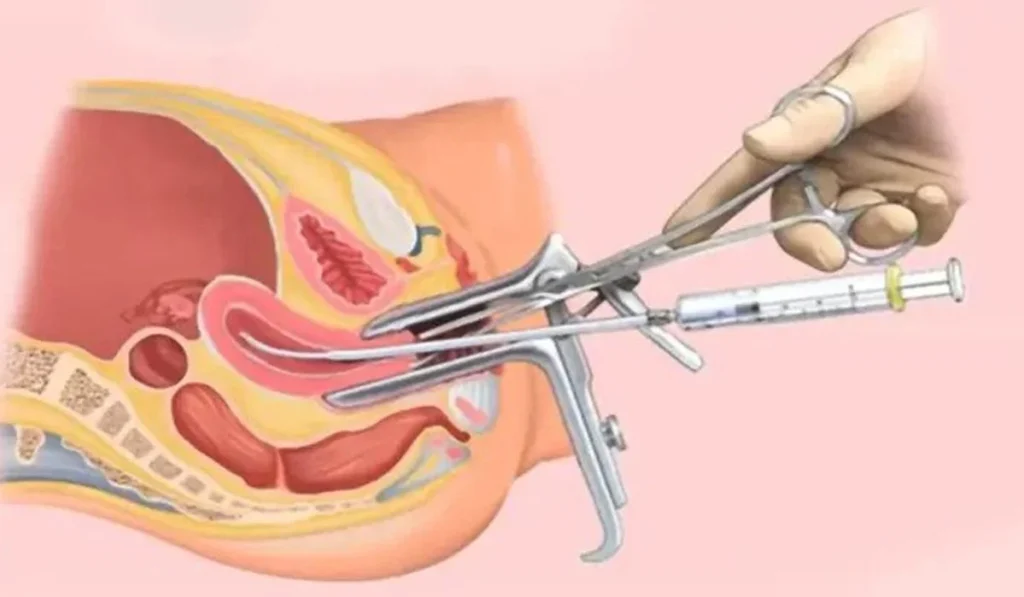
The Cost of Fertility: Comparing Coaching and Medical Treatment
Success Rates:
When it comes to success rates, medical treatment has a higher chance of achieving a pregnancy compared to coaching. According to the Society for Assisted Reproductive Technology, the average success rate for IVF in the US is around 45% for women under 35, and this rate decreases with age. On the other hand, the success rate for coaching is difficult to determine as it is highly dependent on the individual’s commitment and the effectiveness of the program. While coaching may have a lower upfront cost, it may not be as cost-effective in the long run if it is not successful in helping achieve a pregnancy.
Emotional and Mental Health:
Infertility can take a toll on a couple’s emotional and mental health, and this is where coaching may have an advantage. Fertility coaching often includes therapy sessions, group support, and other techniques to help individuals cope with the stress and emotions that come with infertility. This support can be invaluable, as it not only helps individuals feel less alone but also equips them with coping mechanisms to manage the challenges of trying to conceive. In contrast, medical treatment may not address these emotional and mental health aspects, and some individuals may benefit from seeking additional support through therapy or support groups.
Considerations for Choosing a Treatment Option:
When considering the cost of fertility treatments and which option is right for you, there are a few factors to consider. First, it is essential to understand the underlying cause of infertility and the recommended treatment by a medical professional. In some cases, coaching may be a beneficial addition to medical treatment, but it should not be seen as a replacement. Additionally, it is vital to consider your individual circumstances, such as age, medical history, and financial situation. Ultimately, the decision should be made based on what is best for you and your partner.
Summary:
Infertility affects millions of couples worldwide, and the cost of fertility treatments can be a significant barrier for many. While coaching for fertility may seem like a more affordable option, it is essential to consider the long-term effects and success rates. In contrast, medical treatment may have a higher upfront cost, but it has a higher chance of achieving a successful pregnancy. Additionally, it is essential to consider factors such as emotional and mental health and individual circumstances when deciding on a treatment option. Ultimately, the decision should be made based on what is best for the individual or couple seeking treatment.