Blog Post:
The Power of Choice: Intrauterine Insemination vs Intracervical Insemination
When it comes to trying to conceive, there are a variety of options available to couples, one of which is intrauterine insemination (IUI) and intracervical insemination (ICI). Both procedures involve placing sperm into the woman’s reproductive tract, but there are some key differences between the two. In this blog post, we will explore the power of choice when it comes to these two fertility treatments and help you make an informed decision on which one may be right for you.
What is Intrauterine Insemination (IUI)?
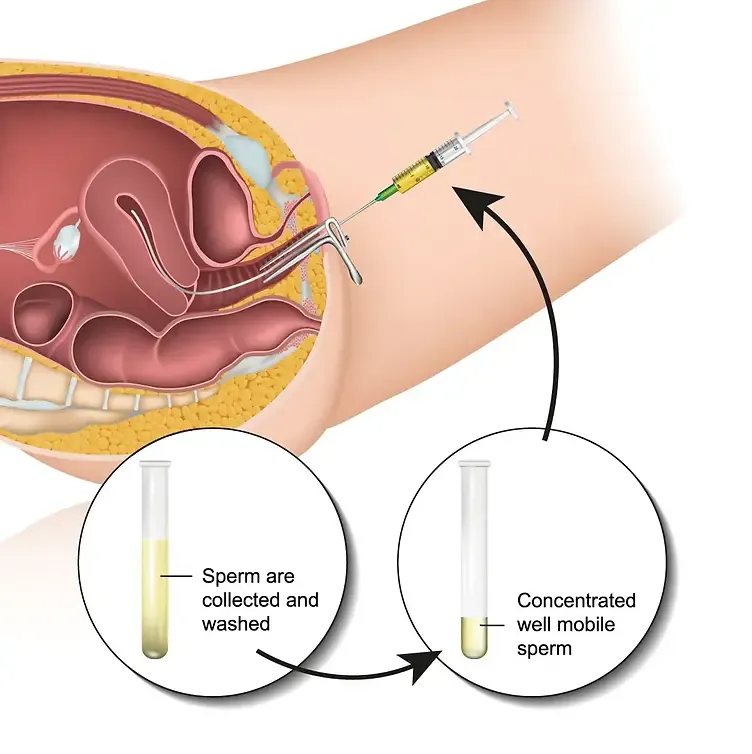
Intrauterine insemination, also known as artificial insemination, is a fertility treatment that involves placing washed and concentrated sperm directly into the uterus. This is typically done around the time of ovulation to increase the chances of fertilization. The procedure is relatively simple and can be performed at a fertility clinic or doctor’s office.
What is Intracervical Insemination (ICI)?
Intracervical insemination, also known as cervical insemination, is a fertility treatment that involves placing unwashed sperm into the cervix using a catheter or a soft cup. This procedure is similar to IUI, but the sperm is not washed or concentrated. As a result, ICI is typically less expensive than IUI and can be done at home with the use of a DIY insemination kit.
The Pros and Cons of IUI
One of the main advantages of IUI is that it has a higher success rate compared to ICI. This is because the sperm is placed directly into the uterus, bypassing the cervix and increasing the chances of fertilization. IUI is also a less invasive procedure compared to other fertility treatments like in vitro fertilization (IVF). It can be done quickly and does not require any anesthesia.
The Power of Choice: Intrauterine Insemination vs Intracervical Insemination
On the other hand, IUI does have some drawbacks. The success rate can vary based on factors such as age, sperm quality, and underlying fertility issues. It also requires a certain level of sperm quality, which may not be possible for some couples. Additionally, IUI can be costly, especially if multiple cycles are needed.
The Pros and Cons of ICI
One of the main advantages of ICI is that it is a more affordable option compared to IUI. It can also be done in the comfort of your own home, eliminating the need for multiple visits to a fertility clinic. ICI is also a less invasive procedure, as the sperm is placed only in the cervix, and there is no need for a speculum or catheter.
However, ICI does have some limitations. The success rate is lower compared to IUI, as the sperm has to navigate through the cervix and uterus to reach the egg. This also means that ICI may not be suitable for couples with certain fertility issues. There is also a higher risk of infection with ICI, as the sperm is not washed or prepared before insertion.
Which One is Right for You?
The decision between IUI and ICI ultimately depends on individual factors and preferences. If you have a good sperm count and quality, and are under the age of 35, IUI may be a more suitable option. However, if you are on a tight budget or have difficulty with sperm quality, ICI may be a better choice.
It is important to consult with your doctor or a fertility specialist to determine which option is best for you. They can evaluate your medical history and perform necessary tests to advise you on the best course of action. They can also discuss the potential success rates and risks associated with each procedure.
In Summary
Intrauterine insemination (IUI) and intracervical insemination (ICI) are two fertility treatments that involve placing sperm into the woman’s reproductive tract to increase the chances of fertilization. While IUI has a higher success rate, it can be more expensive and invasive compared to ICI. On the other hand, ICI is more affordable and can be done at home, but it has a lower success rate and a higher risk of infection.
The power of choice lies in understanding the differences between these two procedures and consulting with a medical professional to determine which one is best for you. Whether it is IUI or ICI, both options offer hope for couples struggling with fertility issues and can help them achieve their dream of starting a family.