Blog Post:
The process of starting a family through insemination has become more accessible and convenient than ever before. With advancements in technology and a shift towards more inclusive family planning, people are exploring DIY insemination as an option. However, before embarking on this journey, it is crucial to understand the legalities involved in DIY insemination, especially in comparison to clinical insemination. In this blog post, we will discuss the legalities of DIY insemination, the differences between home and clinical insemination, and the factors to consider before making a decision.
DIY Insemination: What is it?
DIY insemination, also known as at-home insemination, is the process of using a sperm donor to conceive a child without medical intervention. It involves obtaining semen from a donor and using it to inseminate oneself or a partner at home. This method has gained popularity among same-sex couples, single women, and heterosexual couples struggling with infertility.
Legal Considerations of DIY Insemination
While DIY insemination may seem like a straightforward and convenient option, there are legal considerations to keep in mind. The laws surrounding DIY insemination vary from state to state and country to country. In some places, it may be legal to use a known donor, while in others, it may be prohibited. It is crucial to research and understand the legalities involved in your specific location before proceeding with DIY insemination.
Another legal consideration to keep in mind is the parental rights of the donor. In some cases, the donor may retain parental rights, even if they have no intention of being involved in the child’s life. This could lead to complicated legal battles and potential challenges in the future. It is essential to establish clear parental agreements and seek legal advice to avoid any potential legal issues down the line.
Home Insemination vs. Clinical Insemination
One of the main differences between home and clinical insemination is the involvement of a medical professional. In clinical insemination, a physician will perform the procedure in a controlled and sterile environment, increasing the chances of success. In contrast, home insemination relies on self-administration, which may not be as effective.
Another factor to consider is the use of donor sperm. In clinical insemination, donor sperm is obtained from a sperm bank, which screens and tests donors for infectious diseases and genetic conditions. This reduces the risk of passing on any diseases or conditions to the child. However, in DIY insemination, donors may not undergo the same screening process, increasing the potential health risks.
Legalities of Clinical Insemination
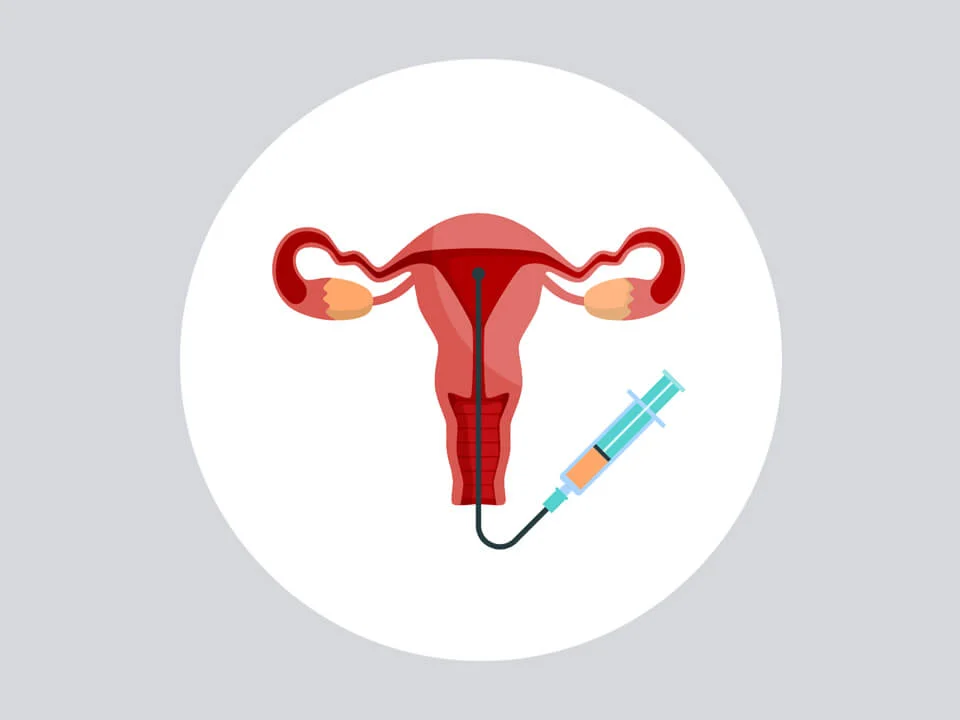
The Legalities of DIY Insemination: Home vs Clinical
While clinical insemination may seem like a safer and more regulated option, there are also legalities to consider. In some places, laws may restrict access to clinical insemination for certain groups, such as same-sex couples or single individuals. It is essential to research and understand the laws in your location before pursuing clinical insemination.
Another legal consideration in clinical insemination is the use of donor sperm. In some cases, the donor may have parental rights, even if they are not the child’s biological parent. It is crucial to have legal agreements in place to avoid any potential legal issues in the future.
Factors to Consider Before Making a Decision
Before deciding between home and clinical insemination, there are several factors to consider. These include:
1. Legal Considerations: It is essential to research and understand the legalities involved in DIY and clinical insemination in your location.
2. Health Risks: DIY insemination carries a higher risk of passing on infectious diseases or genetic conditions, as there may not be proper screening of donors.
3. Success Rates: Clinical insemination has a higher success rate due to the involvement of a medical professional and a controlled environment.
4. Cost: DIY insemination may seem like a more affordable option, but it is crucial to factor in the potential costs of legal issues and medical complications.
5. Emotional Considerations: Bringing a child into the world is a significant decision, and it is essential to consider the emotional impact on all parties involved, including the child, donor, and potential co-parent.
In conclusion, the legalities of DIY insemination are complex and vary depending on location. While it may seem like a convenient option, it is crucial to understand the potential legal issues and health risks involved. It is recommended to seek legal and medical advice before making a decision between home and clinical insemination.
Summary:
DIY insemination, also known as at-home insemination, is a popular option for family planning, but it is essential to understand the legalities involved. The laws surrounding DIY insemination vary from state to state, and there may be legal considerations, such as parental rights of the donor. In contrast, clinical insemination involves a medical professional and a more regulated process. Factors to consider before deciding between home and clinical insemination include legal considerations, health risks, success rates, cost, and emotional implications.