Tag: Intrauterine Insemination

  • The Impact of Lifestyle: Intrauterine Insemination vs Intracervical Insemination

    The Impact of Lifestyle: Intrauterine Insemination vs Intracervical Insemination

    When it comes to fertility treatments, two commonly used methods are intrauterine insemination (IUI) and intracervical insemination (ICI). While both methods involve placing sperm directly into the uterus or cervix, there are some key differences between the two, including their impact on lifestyle. In this blog post, we will explore the impact of lifestyle on these two procedures and how it can affect your chances of success.

    What is Intrauterine Insemination (IUI)?

    Intrauterine insemination (IUI) is a fertility treatment that involves placing washed and concentrated sperm directly into the uterus, bypassing the cervix. This procedure is usually done around the time of ovulation and is often combined with fertility drugs to stimulate egg production. IUI is a relatively simple and non-invasive procedure that can be done in a doctor’s office without the need for anesthesia.

    What is Intracervical Insemination (ICI)?

    Intracervical insemination (ICI) is another fertility treatment that involves placing sperm into the cervix using a catheter. Unlike IUI, ICI does not involve washing or concentrating the sperm, and the procedure can be done at home without the need for medical supervision. Some people prefer ICI because it is less invasive and more affordable compared to IUI.

    The Impact of Lifestyle on IUI and ICI

    1. Preparation and Timing

    For IUI, preparation involves monitoring ovulation and taking fertility drugs to stimulate egg production. This can be a time-consuming process that requires frequent visits to the doctor’s office. On the other hand, ICI can be done at home without the need for fertility drugs or monitoring. This can be more convenient for those with busy schedules or those who prefer a more natural approach to fertility treatments.
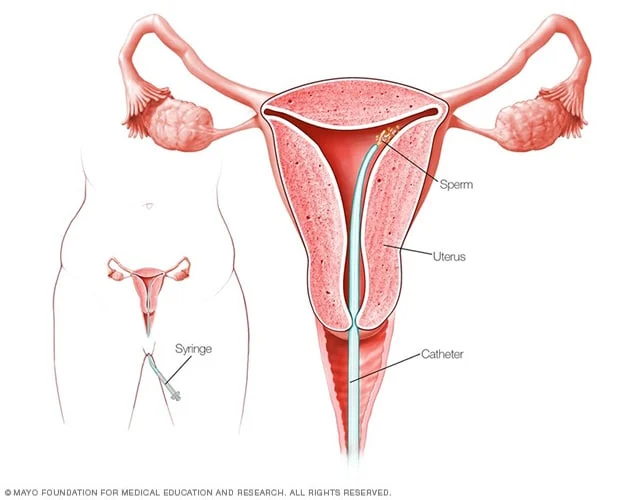
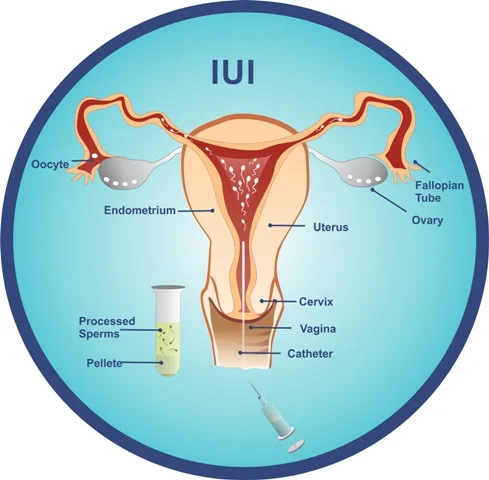
    diagram illustrating intrauterine insemination (IUI) procedure with uterus, sperm, and catheter labeled

    The Impact of Lifestyle: Intrauterine Insemination vs Intracervical Insemination

    2. Cost

    Due to the need for fertility drugs and medical supervision, IUI can be more expensive compared to ICI. This can be a deciding factor for those on a tight budget or those without insurance coverage for fertility treatments. ICI, on the other hand, is more affordable as it can be done at home without the need for medical intervention.

    3. Emotional and Psychological Impact

    Undergoing fertility treatments can be emotionally and psychologically taxing, and this can be further amplified by the need for frequent visits to the doctor’s office for IUI. On the other hand, ICI can be done in the comfort of one’s home, which may be less stressful for some individuals.

    4. Partner Involvement

    In IUI, the partner’s sperm is washed and inserted into the uterus, making them an active participant in the fertility treatment. However, with ICI, the partner’s involvement is limited to providing the sperm sample. This may be a factor for some couples in deciding which method to choose.

    5. Success Rates

    The success rates of IUI and ICI vary, and lifestyle factors can play a role in the outcome of the procedures. For instance, a healthy lifestyle with a balanced diet and regular exercise can improve the chances of success for both IUI and ICI. However, for IUI, factors such as age, ovulation, and sperm quality can also affect the success rates.

    In summary, the impact of lifestyle on IUI and ICI can be significant. While IUI may require more preparation, medical supervision, and financial investment, it can also have higher success rates. On the other hand, ICI may be more convenient and affordable but may have lower success rates. Ultimately, the decision between these two methods should be based on individual circumstances and preferences.

    In conclusion, when it comes to fertility treatments, there is no one-size-fits-all solution. Both IUI and ICI have their advantages and disadvantages, and the impact of lifestyle can play a role in the success of these procedures. It is crucial to consult with a fertility specialist and consider all factors before making a decision. With the right approach and lifestyle choices, both IUI and ICI can help individuals and couples achieve their dream of starting a family.
  • The Importance of Communication: Intrauterine Insemination vs Intracervical Insemination

    Title: The Importance of Communication: Intrauterine Insemination vs Intracervical Insemination

    Introduction:
    Communication is a key aspect in any relationship, and this holds true even in the medical field. When it comes to fertility treatments, effective communication between the patient and the medical team is crucial for a successful outcome. In this blog post, we will discuss the importance of communication in two common fertility treatments – intrauterine insemination (IUI) and intracervical insemination (ICI).

    What is Intrauterine Insemination (IUI)?
    Intrauterine insemination, also known as artificial insemination, is a fertility treatment that involves placing washed and concentrated sperm directly into the uterus. This is usually done around the time of ovulation to increase the chances of fertilization. IUI is a relatively simple and non-invasive procedure that can be done in a doctor’s office.

    The Role of Communication in IUI:
    Effective communication between the patient and the medical team is crucial in the success of IUI. The first step in the process is thorough communication between the patient and the doctor to understand the underlying cause of infertility. This can help the medical team to determine the best course of treatment and make necessary adjustments along the way.

    During the IUI procedure, clear communication is important to ensure the correct placement of the sperm in the uterus. Any miscommunication can result in the sperm being placed in the wrong location, reducing the chances of fertilization. Additionally, open communication between the patient and the medical team can help address any concerns or questions that may arise during the procedure.

    What is Intracervical Insemination (ICI)?
    Intracervical insemination is a fertility treatment that involves placing washed and concentrated sperm into the cervix using a catheter. This procedure is similar to IUI, except that the sperm is placed in the cervix rather than the uterus. ICI is a less commonly used method compared to IUI, but it can be a more affordable option for patients.

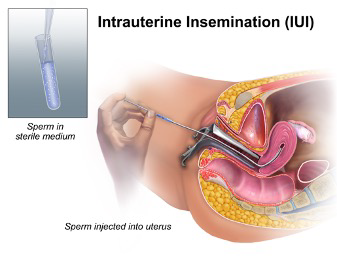
    Illustration of intrauterine insemination (IUI) procedure, showing sperm injection into the uterus.

    The Importance of Communication: Intrauterine Insemination vs Intracervical Insemination

    The Role of Communication in ICI:
    While the process of ICI may seem simpler compared to IUI, effective communication is still crucial for a successful outcome. As with IUI, clear communication between the patient and the medical team is important to determine the best course of treatment and address any concerns or questions.

    One key difference between IUI and ICI is the placement of the sperm. In IUI, the sperm is placed directly into the uterus, while in ICI, it is placed in the cervix. This difference can affect the success rate, and it is important for the medical team to communicate this to the patient to manage their expectations.

    The Importance of Communication in Choosing the Right Fertility Treatment:
    Both IUI and ICI are viable options for couples struggling with infertility, but the success rates may vary. This is where effective communication plays a crucial role. The medical team should thoroughly communicate the differences between the two procedures, as well as the potential success rates, to help the patient make an informed decision.

    Open communication between the patient and the medical team is also important in managing expectations. Fertility treatments can be emotionally and financially taxing, and it is important for the patient to have realistic expectations. The medical team should communicate the potential success rates and any potential risks or complications associated with the procedures.

    Conclusion:
    In conclusion, communication is key in the success of fertility treatments such as IUI and ICI. Effective communication between the patient and the medical team can help determine the best course of treatment, address any concerns or questions, and manage expectations. It is important for patients to be open and honest with their doctors, and for the medical team to communicate clearly and transparently to ensure the best possible outcome.

    Summary:
    Effective communication is crucial in any relationship, including the one between a patient and their medical team. In the fertility treatment process, clear communication plays a vital role in the success of two common procedures – intrauterine insemination (IUI) and intracervical insemination (ICI). Thorough communication helps determine the best course of treatment, ensures correct placement of sperm, and manages expectations for the patient. Whether it is IUI or ICI, open communication is key to a successful outcome.

  • The Role of Genetics: Intrauterine Insemination vs Intracervical Insemination

    The Role of Genetics: Intrauterine Insemination vs Intracervical Insemination

    For couples struggling to conceive, assisted reproductive techniques like intrauterine insemination (IUI) and intracervical insemination (ICI) can be a game-changer. These procedures involve placing sperm directly into the uterus or cervix, respectively, in the hopes of increasing the chances of fertilization. However, there is an important factor that can greatly impact the success of these procedures: genetics.

    Genetics play a significant role in fertility and can greatly impact a couple’s ability to conceive through IUI or ICI. In this blog post, we will explore the role of genetics in these assisted reproductive techniques and how it can affect the outcome.

    Understanding Genetics and Fertility

    Before delving into the specifics of IUI and ICI, it is important to understand the role of genetics in fertility. Our genes determine many factors related to reproduction, including the quality and quantity of eggs and sperm, the health of the reproductive organs, and the likelihood of inherited genetic disorders.

    Genetic disorders can affect both men and women and can have a significant impact on fertility. For example, women with a genetic disorder called polycystic ovary syndrome (PCOS) may have difficulty ovulating, making it challenging to conceive. Similarly, men with certain genetic conditions may have a lower sperm count or abnormal sperm, making it difficult for fertilization to occur.

    Intrauterine Insemination (IUI)

    IUI is a commonly used assisted reproductive technique that involves placing washed and concentrated sperm directly into the uterus. This procedure is often recommended for couples with unexplained infertility or for those who have difficulty with sperm motility or cervical mucus quality.

    However, the success of IUI greatly depends on the quality of the sperm being used. If the sperm has genetic abnormalities, it may have a lower chance of fertilizing the egg, reducing the success rate of IUI. Additionally, if a woman has a genetic disorder that affects her egg quality, it may also impact the success of IUI.

    Intracervical Insemination (ICI)

    ICI is a procedure similar to IUI, where sperm is placed directly into the cervix instead of the uterus. This technique is often used for couples with male factor infertility or for same-sex female couples using a donor sperm.

    diagram illustrating intrauterine insemination (IUI) with labeled reproductive anatomy and procedures

    The Role of Genetics: Intrauterine Insemination vs Intracervical Insemination

    Just like with IUI, the success of ICI depends on the quality of the sperm being used. If the sperm has genetic abnormalities, it may have a lower chance of fertilization, reducing the success rate of ICI. Additionally, if a woman has a genetic disorder that affects her cervical mucus quality, it may also impact the success of ICI.

    Genetic Testing and IUI/ICI

    Given the significant impact of genetics on fertility, it is important for couples considering IUI or ICI to undergo genetic testing. This can help identify any potential genetic disorders or abnormalities that may affect the success of the procedure.

    For example, if a woman is found to have a genetic disorder that affects her ovulation, she may be recommended to undergo in vitro fertilization (IVF) instead of IUI or ICI. This is because IVF allows for genetic screening of the embryos before implantation, increasing the chances of a successful pregnancy.

    The Role of Genetics in Donor Sperm

    For couples using donor sperm for IUI or ICI, the role of genetics is also crucial. It is important to choose a sperm donor who has undergone thorough genetic testing to reduce the risk of passing on any genetic disorders to the child.

    Additionally, the genetic health of the donor can also impact the success of IUI or ICI. If the donor has a lower sperm count or abnormal sperm, it may decrease the chances of a successful pregnancy.

    The Importance of Genetic Counseling

    With the significant impact of genetics on fertility and assisted reproductive techniques, it is essential for couples to seek genetic counseling before undergoing any procedures. Genetic counselors can help identify any potential genetic risks and offer guidance on the best course of action for achieving a successful pregnancy.

    In conclusion, genetics play a crucial role in the success of IUI and ICI. Couples struggling with infertility should undergo genetic testing and seek genetic counseling to understand the potential impact of genetics on their fertility journey. By addressing any genetic concerns, couples can increase their chances of achieving a successful pregnancy through IUI or ICI.

    Summary:

    Genetics play a significant role in fertility and can greatly impact the success of assisted reproductive techniques like intrauterine insemination (IUI) and intracervical insemination (ICI). Factors such as the quality and quantity of eggs and sperm, genetic disorders, and donor sperm health can all affect the outcome of these procedures. It is essential for couples to undergo genetic testing and seek genetic counseling before undergoing IUI or ICI to understand the potential impact of genetics on their fertility journey.

  • Navigating the Legalities: Intrauterine Insemination vs Intracervical Insemination

    Navigating the Legalities: Intrauterine Insemination vs Intracervical Insemination

    When it comes to starting a family, there are many different paths that one can take. For couples who are struggling with infertility, assisted reproductive technologies (ART) such as intrauterine insemination (IUI) and intracervical insemination (ICI) can provide hope. These methods involve placing sperm directly into a woman’s reproductive tract in order to increase the chances of fertilization. However, before embarking on this journey, it’s important to understand the legalities surrounding these procedures. In this blog post, we will explore the legal considerations of intrauterine insemination vs intracervical insemination and provide information to help individuals and couples navigate the process with confidence.

    Understanding Intrauterine Insemination (IUI)

    Intrauterine insemination, also known as artificial insemination, is a common form of assisted reproduction. During this procedure, washed sperm is placed directly into the uterus using a catheter. This can be done with either a partner’s sperm or donor sperm. IUI is often recommended for couples who have been unable to conceive naturally or for individuals who want to become pregnant without a male partner.

    One of the main legal considerations surrounding IUI is the use of donor sperm. In many countries, including the United States, the law states that the donor of the sperm used in IUI is not considered the legal father of the resulting child. This is known as the “donor anonymity principle” and it protects the donor from any legal responsibilities or rights to the child. However, it’s important for individuals and couples to carefully consider the legal implications of using donor sperm, such as potential future contact from the donor or the child’s desire to know their biological father.

    Another legal aspect of IUI is the use of a known sperm donor, such as a friend or family member. In these situations, it’s important to have a legal agreement in place that outlines the rights and responsibilities of all parties involved. This can help prevent any potential legal disputes in the future.

    Navigating Intracervical Insemination (ICI)

    Intracervical insemination is similar to IUI in that it also involves placing sperm directly into a woman’s reproductive tract. However, with ICI, the sperm is placed in the cervix instead of the uterus. This method can be done at home using a cervical cap or syringe, making it a more accessible and affordable option for some individuals and couples.

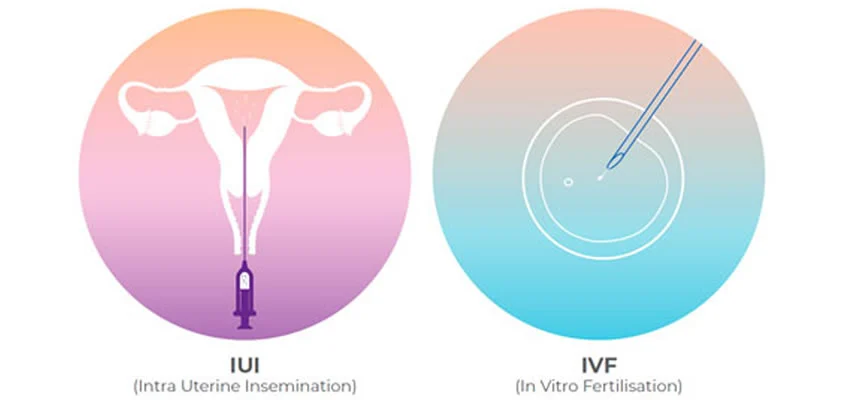
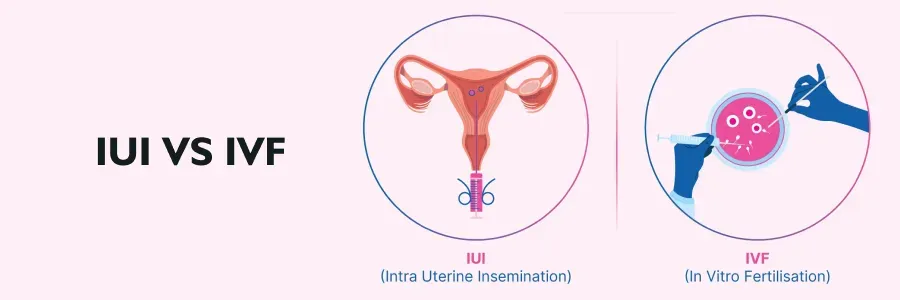
    Comparison of IUI and IVF with illustrations of each procedure.

    Navigating the Legalities: Intrauterine Insemination vs Intracervical Insemination

    One of the main legal considerations surrounding ICI is the involvement of a doctor. Unlike IUI, which must be performed by a licensed medical professional, ICI can be done at home without a doctor’s supervision. However, it’s important to note that some states have laws that require all assisted reproductive procedures to be done by a licensed physician. It’s crucial to research and understand the laws in your state before attempting ICI at home.

    Another legal aspect to consider with ICI is the use of donor sperm. While the donor anonymity principle may still apply, there is a higher risk of potential legal disputes with ICI due to the lack of medical supervision and documentation. It’s important to have a legal agreement in place with the donor to protect all parties involved.

    Legal Considerations for Both Methods

    In addition to the specific legal considerations for each method, there are also general legal considerations that apply to both IUI and ICI. These include the use of legal contracts, potential legal disputes, and the importance of having a clear understanding of the laws in your state or country.

    Firstly, it’s important to have a legal contract in place when using assisted reproductive technologies. This can help protect all parties involved and outline the rights and responsibilities of each party. This is especially important when using a known sperm donor, as it can prevent any potential legal disputes in the future.

    Secondly, there is always a risk of legal disputes when using assisted reproductive technologies. This can include disputes between the donor and recipient, as well as between the recipient and the resulting child. It’s important to carefully consider all potential outcomes and have a legal agreement in place to prevent any future conflicts.

    Lastly, it’s crucial to have a clear understanding of the laws in your state or country when using assisted reproductive technologies. Laws surrounding donor anonymity, parentage, and the use of assisted reproductive procedures can vary greatly from one place to another. It’s important to do thorough research and seek legal advice to ensure that you are following all legal guidelines and protecting yourself and your family.

    In summary, navigating the legalities of intrauterine insemination vs intracervical insemination can be a complicated process. There are various legal considerations to take into account, including the use of donor sperm and the involvement of a doctor. It’s important to have a legal contract in place, carefully consider all potential outcomes, and have a clear understanding of the laws in your state or country. With the right information and guidance, individuals and couples can navigate the legalities of these procedures with confidence and start their journey towards starting a family.

  • Intrauterine Insemination vs Intracervical Insemination: A Patient’s Experience

    Intrauterine Insemination vs Intracervical Insemination: A Patient’s Experience

    When it comes to fertility treatments, there are a variety of options available to help couples achieve their dream of having a baby. Two commonly used methods are intrauterine insemination (IUI) and intracervical insemination (ICI). While both procedures involve the insertion of washed and prepared sperm into the woman’s reproductive tract, there are some key differences between the two that patients should be aware of before making a decision. As someone who has personally gone through both IUI and ICI, I wanted to share my experience and insights on these two fertility treatments.

    Intrauterine Insemination (IUI):

    IUI is a common fertility treatment that involves placing washed and prepared sperm directly into the woman’s uterus. This is typically done around the time of ovulation, when the chances of conception are highest. Before the procedure, the sperm is collected and washed to remove any impurities or non-motile sperm. The sperm is then placed into a catheter, which is inserted through the cervix and into the uterus. This allows for the sperm to bypass the cervix and have a higher chance of reaching the fallopian tubes where fertilization can occur.

    My Experience with IUI:

    After trying to conceive for over a year without any success, my husband and I decided to seek help from a fertility specialist. Our doctor recommended IUI as our first treatment option. The process was relatively simple and painless. I was asked to track my ovulation using ovulation predictor kits and once it was confirmed, I was given a time and date for the procedure. On the day of the procedure, my husband provided a sperm sample, which was washed and prepared in the lab. I was then taken to a procedure room where the sperm was inserted into my uterus using a catheter. The entire process took less than 10 minutes and I was asked to rest for a few minutes before going home.

    The success rate for IUI varies depending on factors such as age, overall health, and the cause of infertility. For us, it took three cycles of IUI before we were finally able to conceive. While the process was relatively simple, I did experience some discomfort and cramping during and after the procedure. However, it was all worth it when we saw those two pink lines on the pregnancy test.

    Intracervical Insemination (ICI):

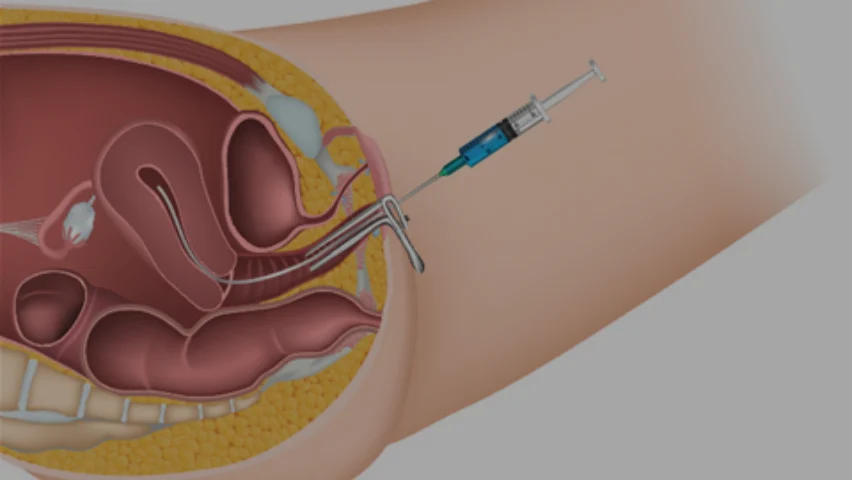
    illustration of a uterus with a syringe, representing intrauterine insemination procedure

    Intrauterine Insemination vs Intracervical Insemination: A Patient's Experience

    Intracervical insemination, also known as artificial insemination, is a fertility treatment that involves placing washed and prepared sperm into the cervix. Unlike IUI, the sperm is not inserted directly into the uterus, but rather it is placed near the opening of the cervix. This allows for the sperm to swim up through the cervix and into the uterus, increasing the chances of fertilization.

    My Experience with ICI:

    After giving birth to our first child through IUI, my husband and I decided to try ICI for our second child. Our fertility specialist explained that ICI is a more affordable option compared to IUI, and it could be done at home without the need for a doctor’s visit. We were provided with a kit that contained a syringe and instructions on how to insert the sperm into my cervix. My husband provided a sperm sample, which we then inserted into my cervix at home around the time of ovulation.

    While the process was less invasive compared to IUI, it did require more effort and preparation on our part. We had to ensure that the sperm sample was washed and prepared correctly, and we also had to time it perfectly with my ovulation. Unfortunately, after three cycles of ICI, we were not successful in conceiving. We later found out that the cause of our infertility was male factor, which could have contributed to the lack of success with ICI.

    Intrauterine Insemination vs Intracervical Insemination: Which is Right for You?

    Both IUI and ICI have their own pros and cons, and the right choice for you will depend on various factors such as your age, overall health, and the cause of infertility. IUI is a more invasive procedure that requires a visit to the doctor’s office, but it has a higher success rate compared to ICI. On the other hand, ICI is a more affordable option and can be done at home, but it may not be as effective for certain types of infertility.

    It is important to consult with a fertility specialist to determine which treatment option is best for you. They will be able to assess your individual situation and provide recommendations based on your specific needs. It is also important to remember that fertility treatments can be emotionally and financially taxing, and it is crucial to have a support system in place throughout the process.

    In summary, both IUI and ICI are effective fertility treatments that can help couples struggling with infertility to conceive. While IUI may be a more common and successful option, ICI can be a more affordable and convenient alternative. Ultimately, the right choice will depend on your individual circumstances and it is important to have open communication with your fertility specialist to make the best decision for you and your family.

  • Intrauterine Insemination vs Intracervical Insemination: What to Expect

    Intrauterine insemination (IUI) and intracervical insemination (ICI) are two commonly used fertility treatments that involve the insertion of sperm into the female reproductive system. Both procedures are forms of artificial insemination and are used to increase the chances of conception for couples struggling with fertility issues. While they may seem similar, there are some key differences between IUI and ICI that individuals should be aware of when considering these treatments. In this blog post, we will discuss the process, success rates, and potential risks of IUI and ICI, as well as what to expect during and after each procedure.

    The Process:
    IUI, also known as artificial insemination, involves the placement of washed and prepared sperm directly into the uterus through a thin catheter. This procedure is usually performed around the time of ovulation, when the egg is released from the ovary. The process begins with the male partner providing a semen sample, which is then washed and concentrated to increase the number of healthy sperm. The sperm is then inserted into the uterus through the cervix, using a small catheter. The entire process usually takes less than 15 minutes and is relatively painless.

    On the other hand, ICI, also known as intracervical insemination, involves the placement of unwashed sperm into the cervix using a syringe. Unlike IUI, ICI does not involve the washing and preparation of sperm, which means that a larger number of sperm are inserted into the cervix. This procedure is typically performed at home, without the assistance of a medical professional. However, some clinics may offer ICI as an option for those who prefer this method over IUI.

    Success Rates:
    The success rates of IUI and ICI vary depending on factors such as age, overall health, and the cause of infertility. According to the American Pregnancy Association, the success rate of IUI is around 10-20% per cycle, while the success rate of ICI is around 5-10% per cycle. These success rates can increase significantly when combined with other fertility treatments such as ovulation induction or in vitro fertilization (IVF).

    Illustration of intrauterine insemination (IUI) procedure with syringe and catheter in the uterus.

    Intrauterine Insemination vs Intracervical Insemination: What to Expect

    Potential Risks:
    Both IUI and ICI are generally considered safe procedures with minimal risks. However, there are some potential risks and side effects that individuals should be aware of. The most common side effects of IUI and ICI include cramping, spotting, and mild discomfort. In rare cases, there may be a risk of infection or damage to the reproductive organs. It is important to discuss these potential risks with your doctor before undergoing either procedure.

    What to Expect:
    Before undergoing IUI or ICI, individuals will need to undergo several tests to determine the cause of infertility and to ensure that they are good candidates for these procedures. These tests may include a physical exam, blood tests, and imaging tests to assess the health of the reproductive organs. Your doctor may also recommend lifestyle changes or medications to optimize your chances of success.

    During the procedures, you can expect to feel some mild cramping and discomfort, similar to menstrual cramps. After the procedure, you may experience some spotting and mild cramping, which should subside within a day or two. Your doctor may also prescribe progesterone supplements to support the lining of the uterus and increase the chances of implantation. It is important to follow your doctor’s instructions carefully and to schedule a follow-up appointment to monitor your progress.

    In summary, both IUI and ICI are fertility treatments that involve the insertion of sperm into the female reproductive system to increase the chances of conception. While IUI is performed in a medical setting, ICI can be done at home. IUI has a higher success rate, but both procedures have minimal risks and potential side effects. Before deciding on a fertility treatment, it is important to consult with a fertility specialist and discuss the best option for your individual situation.

    In conclusion, Intrauterine Insemination and Intracervical Insemination are two commonly used fertility treatments that can help couples struggling with infertility to achieve their dream of starting a family. While they may seem similar, it is important to understand the differences between these procedures, as well as the potential risks and success rates. By discussing your options with a fertility specialist and following their recommendations, you can increase your chances of success and fulfill your dream of becoming a parent.
  • The Emotional Aspect: Intrauterine Insemination vs Intracervical Insemination

    Title: The Emotional Aspect: Intrauterine Insemination vs Intracervical Insemination

    In the world of assisted reproductive technology, there are various options available to help couples conceive. Two of the most common methods are intrauterine insemination (IUI) and intracervical insemination (ICI). Both procedures involve the placement of sperm into the female reproductive tract, but they differ in the location of the placement. While IUI involves placing sperm directly into the uterus, ICI involves placing sperm near the cervix. While these procedures may seem similar, there are significant emotional differences between them that couples should consider before deciding which one is right for them.

    The Emotional Aspect of Intrauterine Insemination
    Intrauterine insemination is a procedure that involves placing washed and concentrated sperm directly into the uterus. This is usually done around the time of ovulation, when the chances of conception are highest. One of the biggest emotional aspects of IUI is the anticipation and hope that comes with each cycle. For couples struggling with infertility, the process of trying to conceive can be emotionally draining. Each month brings a new wave of hope and excitement, followed by the crushing disappointment if the procedure is unsuccessful.

    The emotional rollercoaster of IUI is further amplified by the fact that it is a more invasive and expensive procedure compared to natural conception. The preparation for IUI involves monitoring ovulation, taking fertility medications, and undergoing ultrasounds and blood tests. All of these steps can cause stress and anxiety for couples, as they are constantly monitoring their fertility and hoping for a positive outcome.

    Another emotional aspect of IUI is the possibility of multiple pregnancies. Due to the use of fertility medications and the placement of sperm directly into the uterus, the chances of conceiving twins or more are higher with IUI compared to natural conception. While some couples may be thrilled at the idea of having multiple children at once, others may feel overwhelmed and anxious about the challenges of raising multiples.

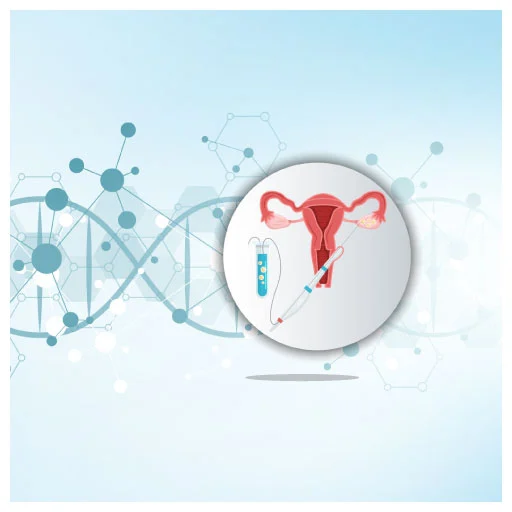
    Illustration of IUI procedure with uterus and syringe against a DNA background.

    The Emotional Aspect: Intrauterine Insemination vs Intracervical Insemination

    The Emotional Aspect of Intracervical Insemination
    Intracervical insemination, on the other hand, is a less invasive and less expensive procedure compared to IUI. It involves placing sperm near the cervix, allowing them to travel through the cervical mucus and into the uterus. Unlike IUI, ICI does not require the use of fertility medications or constant monitoring, making it a more relaxed and less stressful process for couples.

    One of the main emotional aspects of ICI is the sense of control and involvement that it gives to the female partner. With IUI, the entire procedure is carried out by a healthcare professional, and the female partner may feel like she has little control over the process. However, with ICI, the female partner can be directly involved in the placement of sperm, making her feel more connected to the process and increasing her sense of empowerment.

    Another emotional aspect of ICI is the reduced pressure and disappointment that comes with each cycle. Since ICI is a less invasive and less expensive procedure, couples may be more willing to try multiple cycles, knowing that they are not investing as much emotionally or financially compared to IUI. This can help alleviate the stress and disappointment that comes with unsuccessful cycles and allows couples to take a more relaxed approach to the process.

    Which One is Right for You?
    When it comes to choosing between IUI and ICI, there is no one-size-fits-all solution. Both procedures have their own emotional aspects that couples should consider before making a decision. Some couples may prefer the more controlled and monitored approach of IUI, while others may feel more comfortable with the less invasive and less expensive option of ICI. It is important for couples to discuss their feelings and concerns with each other and with their healthcare provider in order to make an informed decision.

    In conclusion, the emotional aspect of intrauterine insemination and intracervical insemination is an important factor for couples to consider when trying to conceive. While IUI may bring a sense of hope and anticipation, it also comes with a higher level of stress and disappointment. On the other hand, ICI may provide a more relaxed and less expensive option, but it may not be as effective as IUI. Ultimately, the decision should be based on what feels right for each individual couple.

    SEO metadata:

  • Fertility Treatment Faceoff: Intrauterine Insemination vs Intracervical Insemination

    Summary:

    Fertility treatments have become a popular option for couples struggling to conceive. Two commonly used methods are Intrauterine Insemination (IUI) and Intracervical Insemination (ICI). Both procedures involve placing sperm directly into the female reproductive system to increase the chances of fertilization. While they may seem similar, there are some key differences between IUI and ICI that couples should consider before deciding on a treatment plan.

    Intrauterine Insemination:

    IUI is a fertility treatment where sperm is placed directly into the uterus during a woman’s ovulation period. The procedure is typically done in a doctor’s office and involves inserting a small catheter through the cervix into the uterus. This procedure is usually done in combination with ovulation-stimulating medications to increase the chances of a successful pregnancy.

    Advantages of IUI:

    1. Increased Sperm Count: IUI allows for a higher concentration of sperm to be placed directly into the uterus, increasing the chances of fertilization.

    2. Controlled Timing: IUI is typically done during ovulation, which increases the chances of the sperm reaching the egg at the optimal time.

    3. Less Invasive: IUI is a minimally invasive procedure and does not require any anesthesia, making it less uncomfortable and risky compared to other fertility treatments.

    Disadvantages of IUI:

    1. Low Success Rates: The success rate of IUI is around 10-20%, which means that it may take several cycles to achieve pregnancy.

    2. Ovarian Hyperstimulation Syndrome (OHSS): The use of ovulation-stimulating medications can cause OHSS, a condition that causes the ovaries to enlarge and can be potentially dangerous.

    diagram illustrating intrauterine insemination (IUI) procedure with uterus, sperm, and catheter labeled

    Fertility Treatment Faceoff: Intrauterine Insemination vs Intracervical Insemination

    Intracervical Insemination:

    ICI is a fertility treatment where sperm is placed into the cervix instead of the uterus. This procedure can be done at home or in a doctor’s office and does not require ovulation-stimulating medications. The sperm is placed into the cervical mucus, which helps transport it towards the egg.

    Advantages of ICI:

    1. Cost-effective: ICI is less expensive compared to IUI, making it a more accessible option for couples.

    2. Can be done at home: ICI can be done at home, which can be more comfortable and convenient for some couples.

    3. Non-invasive: ICI does not require any medical procedures or medications, making it a non-invasive option for couples.

    Disadvantages of ICI:

    1. Lower Success Rates: The success rate of ICI is lower compared to IUI, at around 5-15%. This means that it may take longer to achieve pregnancy, and multiple attempts may be needed.

    2. Risk of Infection: Since ICI is done at home, there is a risk of introducing bacteria into the reproductive system, which can lead to infections.

    Which one is right for you?

    The decision between IUI and ICI ultimately depends on individual circumstances and preferences. Couples should consult with a fertility specialist to determine which option is best for them based on factors such as age, fertility history, and any underlying medical conditions.

    SEO metadata:

  • Comparing the Effectiveness: Intrauterine Insemination vs Intracervical Insemination

    In the world of fertility treatment, there are a variety of options available for couples struggling to conceive. Among these options are intrauterine insemination (IUI) and intracervical insemination (ICI). Both of these procedures involve the placement of sperm into a woman’s reproductive tract in order to increase the chances of fertilization and pregnancy. However, there are some key differences between IUI and ICI that make them unique from one another. In this blog post, we will compare the effectiveness of IUI versus ICI in terms of success rates, procedure details, and potential risks.

    Success Rates:

    One of the most important factors to consider when comparing the effectiveness of fertility treatments is their success rates. According to the American Pregnancy Association, the success rate for IUI is around 10-20% per cycle, while the success rate for ICI is slightly lower at 5-15% per cycle. This means that for every 100 couples undergoing IUI, 10-20 of them will become pregnant, while for every 100 couples undergoing ICI, 5-15 of them will become pregnant. It is important to note that these success rates can vary depending on factors such as age, overall health, and the cause of infertility.

    Procedure Details:

    While both IUI and ICI involve the placement of sperm into the woman’s reproductive tract, the specific details of the procedures differ. In IUI, the sperm is directly placed into the uterus using a thin catheter, bypassing the cervix. This allows for the sperm to be closer to the fallopian tubes where fertilization typically occurs. On the other hand, ICI involves the placement of sperm into the cervix using a syringe or small catheter. This method relies on the sperm to naturally travel through the cervix and into the uterus to reach the egg.

    Another key difference between the two procedures is the timing of when they are performed. IUI is typically done around the time of ovulation, when the egg is released from the ovary. This increases the chances of the sperm and egg meeting and fertilization occurring. ICI, on the other hand, can be performed at any time during the woman’s menstrual cycle, as long as the sperm is able to survive in the reproductive tract until ovulation occurs.

    Illustration of intrauterine insemination (IUI) procedure with syringe and catheter in the uterus.

    Comparing the Effectiveness: Intrauterine Insemination vs Intracervical Insemination

    Potential Risks:

    Like any medical procedure, both IUI and ICI carry some potential risks. With IUI, there is a small risk of infection or injury to the uterus during the placement of the catheter. Additionally, there is a risk of multiple pregnancies due to the use of fertility drugs to stimulate ovulation. This can lead to a higher risk of complications during pregnancy and delivery.

    With ICI, there is a risk of infection or injury to the cervix during the placement of the sperm. There is also a risk of the sperm not reaching the egg, as it relies on the natural movement of sperm through the cervix. This can decrease the chances of fertilization and pregnancy.

    Which One is Right for You?

    Ultimately, the decision between IUI and ICI will depend on various factors such as the underlying cause of infertility, the woman’s health, and personal preferences. For couples with male factor infertility (such as low sperm count or motility), IUI may be a more suitable option as it allows for the sperm to bypass any potential barriers. For couples with unexplained infertility, ICI may be a more cost-effective option as it does not require fertility drugs. It is important to discuss with your doctor and fertility specialist to determine which procedure is the best fit for your individual situation.

    In conclusion, both IUI and ICI are effective fertility treatments that can help couples achieve their dream of having a baby. While IUI has a slightly higher success rate, ICI may be a more suitable option for some couples depending on their specific needs. It is important to weigh the potential risks and benefits of each procedure and consult with a medical professional to determine the best course of action.

  • Navigating the Choices: Intrauterine Insemination vs Intracervical Insemination

    Navigating the Choices: Intrauterine Insemination vs Intracervical Insemination

    When it comes to fertility treatments, there are various options available for individuals and couples struggling to conceive. Two common procedures that are often recommended are intrauterine insemination (IUI) and intracervical insemination (ICI). While both techniques involve placing sperm into the reproductive tract, there are significant differences between the two in terms of procedure, success rates, and cost. In this blog post, we will dive into the details of IUI and ICI to help you navigate the choices and make an informed decision.

    Understanding IUI and ICI
    Intrauterine insemination (IUI) is a fertility treatment that involves placing sperm directly into the uterus, bypassing the cervix and increasing the chances of fertilization. It is usually recommended for couples with unexplained infertility, mild male factor infertility, or cervical issues. The procedure is typically done in a fertility clinic, and it can be performed with or without the use of fertility drugs to stimulate ovulation.

    On the other hand, intracervical insemination (ICI) is a simpler procedure that involves placing sperm into the cervix. Unlike IUI, ICI does not require any special equipment or medical supervision and can be done at home with a sperm donor or partner’s assistance. This technique is often used by same-sex couples, single women, or couples with mild male infertility.

    Procedure and Preparation
    IUI and ICI differ significantly in terms of procedure and preparation. IUI requires a more extensive process, which includes monitoring the woman’s ovulation cycle through ultrasounds and blood tests. Fertility drugs may also be prescribed to stimulate ovulation and increase the chances of conception. Additionally, the sperm sample used in IUI is usually washed and prepared in a laboratory to remove any impurities and increase its viability.

    comparison of IUI and IVF procedures illustrated with simple graphics and labels

    Navigating the Choices: Intrauterine Insemination vs Intracervical Insemination

    On the other hand, ICI does not require any monitoring or medication. The sperm sample can be collected at home or a clinic, and the procedure can be performed at home with a sterile syringe or cup. However, it is essential to ensure that the sperm donor or partner undergoes testing for sexually transmitted infections to prevent any potential health risks.

    Success Rates
    The success rates of IUI and ICI vary based on various factors such as age, cause of infertility, and sperm quality. Generally, IUI has a higher success rate compared to ICI. According to the American Society for Reproductive Medicine, the success rate for IUI is around 10-20% per cycle, while the success rate for ICI is only around 5-10% per cycle. However, these success rates can increase significantly with the use of fertility drugs and proper timing of the procedure.

    Cost
    The cost of IUI and ICI also differ significantly. IUI is a more expensive procedure as it requires frequent monitoring and the use of fertility drugs. On average, the cost of one IUI cycle can range from $500 to $4000, depending on the location and clinic. On the other hand, ICI is a more affordable option as it can be done at home without any medical intervention. The cost of one ICI cycle can range from $50 to $500, depending on the cost of the sperm sample and any necessary testing.

    Which One is Right for You?
    When it comes to choosing between IUI and ICI, there is no one-size-fits-all answer. Both procedures have their advantages and disadvantages, and the right one for you will depend on your individual circumstances. If you have been trying to conceive for more than a year without success, it is essential to consult with a fertility specialist to determine the underlying cause of infertility and which procedure is best suited for you.

    In summary, IUI and ICI are two common fertility treatments that involve placing sperm into the reproductive tract. While IUI is a more involved and expensive procedure, it has a higher success rate compared to ICI. However, ICI is a more affordable option and can be performed at home without any medical intervention. Ultimately, the choice between the two will depend on individual circumstances and should be made in consultation with a fertility specialist.