Navigating the Legalities: Intrauterine Insemination vs Intracervical Insemination
When it comes to starting a family, there are many different paths that one can take. For couples who are struggling with infertility, assisted reproductive technologies (ART) such as intrauterine insemination (IUI) and intracervical insemination (ICI) can provide hope. These methods involve placing sperm directly into a woman’s reproductive tract in order to increase the chances of fertilization. However, before embarking on this journey, it’s important to understand the legalities surrounding these procedures. In this blog post, we will explore the legal considerations of intrauterine insemination vs intracervical insemination and provide information to help individuals and couples navigate the process with confidence.
Understanding Intrauterine Insemination (IUI)
Intrauterine insemination, also known as artificial insemination, is a common form of assisted reproduction. During this procedure, washed sperm is placed directly into the uterus using a catheter. This can be done with either a partner’s sperm or donor sperm. IUI is often recommended for couples who have been unable to conceive naturally or for individuals who want to become pregnant without a male partner.
One of the main legal considerations surrounding IUI is the use of donor sperm. In many countries, including the United States, the law states that the donor of the sperm used in IUI is not considered the legal father of the resulting child. This is known as the “donor anonymity principle” and it protects the donor from any legal responsibilities or rights to the child. However, it’s important for individuals and couples to carefully consider the legal implications of using donor sperm, such as potential future contact from the donor or the child’s desire to know their biological father.
Another legal aspect of IUI is the use of a known sperm donor, such as a friend or family member. In these situations, it’s important to have a legal agreement in place that outlines the rights and responsibilities of all parties involved. This can help prevent any potential legal disputes in the future.
Navigating Intracervical Insemination (ICI)
Intracervical insemination is similar to IUI in that it also involves placing sperm directly into a woman’s reproductive tract. However, with ICI, the sperm is placed in the cervix instead of the uterus. This method can be done at home using a cervical cap or syringe, making it a more accessible and affordable option for some individuals and couples.
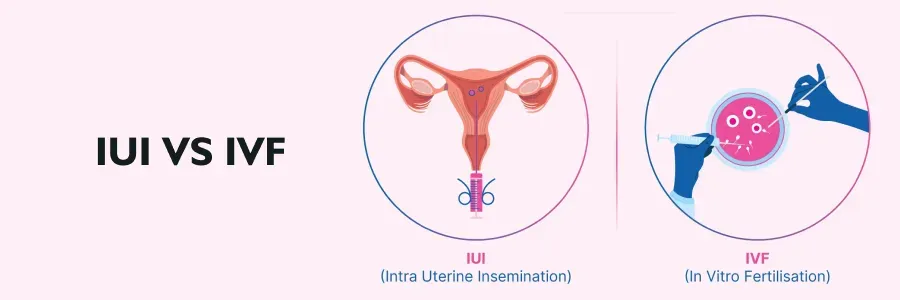
Navigating the Legalities: Intrauterine Insemination vs Intracervical Insemination
One of the main legal considerations surrounding ICI is the involvement of a doctor. Unlike IUI, which must be performed by a licensed medical professional, ICI can be done at home without a doctor’s supervision. However, it’s important to note that some states have laws that require all assisted reproductive procedures to be done by a licensed physician. It’s crucial to research and understand the laws in your state before attempting ICI at home.
Another legal aspect to consider with ICI is the use of donor sperm. While the donor anonymity principle may still apply, there is a higher risk of potential legal disputes with ICI due to the lack of medical supervision and documentation. It’s important to have a legal agreement in place with the donor to protect all parties involved.
Legal Considerations for Both Methods
In addition to the specific legal considerations for each method, there are also general legal considerations that apply to both IUI and ICI. These include the use of legal contracts, potential legal disputes, and the importance of having a clear understanding of the laws in your state or country.
Firstly, it’s important to have a legal contract in place when using assisted reproductive technologies. This can help protect all parties involved and outline the rights and responsibilities of each party. This is especially important when using a known sperm donor, as it can prevent any potential legal disputes in the future.
Secondly, there is always a risk of legal disputes when using assisted reproductive technologies. This can include disputes between the donor and recipient, as well as between the recipient and the resulting child. It’s important to carefully consider all potential outcomes and have a legal agreement in place to prevent any future conflicts.
Lastly, it’s crucial to have a clear understanding of the laws in your state or country when using assisted reproductive technologies. Laws surrounding donor anonymity, parentage, and the use of assisted reproductive procedures can vary greatly from one place to another. It’s important to do thorough research and seek legal advice to ensure that you are following all legal guidelines and protecting yourself and your family.
In summary, navigating the legalities of intrauterine insemination vs intracervical insemination can be a complicated process. There are various legal considerations to take into account, including the use of donor sperm and the involvement of a doctor. It’s important to have a legal contract in place, carefully consider all potential outcomes, and have a clear understanding of the laws in your state or country. With the right information and guidance, individuals and couples can navigate the legalities of these procedures with confidence and start their journey towards starting a family.