Summary:
Fertility treatments have become a popular option for couples struggling to conceive. Two commonly used methods are Intrauterine Insemination (IUI) and Intracervical Insemination (ICI). Both procedures involve placing sperm directly into the female reproductive system to increase the chances of fertilization. While they may seem similar, there are some key differences between IUI and ICI that couples should consider before deciding on a treatment plan.
Intrauterine Insemination:
IUI is a fertility treatment where sperm is placed directly into the uterus during a woman’s ovulation period. The procedure is typically done in a doctor’s office and involves inserting a small catheter through the cervix into the uterus. This procedure is usually done in combination with ovulation-stimulating medications to increase the chances of a successful pregnancy.
Advantages of IUI:
1. Increased Sperm Count: IUI allows for a higher concentration of sperm to be placed directly into the uterus, increasing the chances of fertilization.
2. Controlled Timing: IUI is typically done during ovulation, which increases the chances of the sperm reaching the egg at the optimal time.
3. Less Invasive: IUI is a minimally invasive procedure and does not require any anesthesia, making it less uncomfortable and risky compared to other fertility treatments.
Disadvantages of IUI:
1. Low Success Rates: The success rate of IUI is around 10-20%, which means that it may take several cycles to achieve pregnancy.
2. Ovarian Hyperstimulation Syndrome (OHSS): The use of ovulation-stimulating medications can cause OHSS, a condition that causes the ovaries to enlarge and can be potentially dangerous.
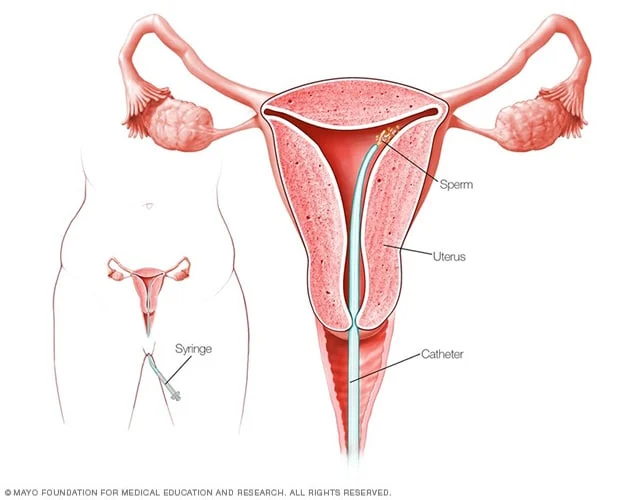
Fertility Treatment Faceoff: Intrauterine Insemination vs Intracervical Insemination
Intracervical Insemination:
ICI is a fertility treatment where sperm is placed into the cervix instead of the uterus. This procedure can be done at home or in a doctor’s office and does not require ovulation-stimulating medications. The sperm is placed into the cervical mucus, which helps transport it towards the egg.
Advantages of ICI:
1. Cost-effective: ICI is less expensive compared to IUI, making it a more accessible option for couples.
2. Can be done at home: ICI can be done at home, which can be more comfortable and convenient for some couples.
3. Non-invasive: ICI does not require any medical procedures or medications, making it a non-invasive option for couples.
Disadvantages of ICI:
1. Lower Success Rates: The success rate of ICI is lower compared to IUI, at around 5-15%. This means that it may take longer to achieve pregnancy, and multiple attempts may be needed.
2. Risk of Infection: Since ICI is done at home, there is a risk of introducing bacteria into the reproductive system, which can lead to infections.
Which one is right for you?
The decision between IUI and ICI ultimately depends on individual circumstances and preferences. Couples should consult with a fertility specialist to determine which option is best for them based on factors such as age, fertility history, and any underlying medical conditions.
SEO metadata:
Leave a Reply