Intrauterine insemination (IUI) and intracervical insemination (ICI) are two commonly used fertility treatments that involve the insertion of sperm into the female reproductive system. Both procedures are forms of artificial insemination and are used to increase the chances of conception for couples struggling with fertility issues. While they may seem similar, there are some key differences between IUI and ICI that individuals should be aware of when considering these treatments. In this blog post, we will discuss the process, success rates, and potential risks of IUI and ICI, as well as what to expect during and after each procedure.
The Process:
IUI, also known as artificial insemination, involves the placement of washed and prepared sperm directly into the uterus through a thin catheter. This procedure is usually performed around the time of ovulation, when the egg is released from the ovary. The process begins with the male partner providing a semen sample, which is then washed and concentrated to increase the number of healthy sperm. The sperm is then inserted into the uterus through the cervix, using a small catheter. The entire process usually takes less than 15 minutes and is relatively painless.
On the other hand, ICI, also known as intracervical insemination, involves the placement of unwashed sperm into the cervix using a syringe. Unlike IUI, ICI does not involve the washing and preparation of sperm, which means that a larger number of sperm are inserted into the cervix. This procedure is typically performed at home, without the assistance of a medical professional. However, some clinics may offer ICI as an option for those who prefer this method over IUI.
Success Rates:
The success rates of IUI and ICI vary depending on factors such as age, overall health, and the cause of infertility. According to the American Pregnancy Association, the success rate of IUI is around 10-20% per cycle, while the success rate of ICI is around 5-10% per cycle. These success rates can increase significantly when combined with other fertility treatments such as ovulation induction or in vitro fertilization (IVF).
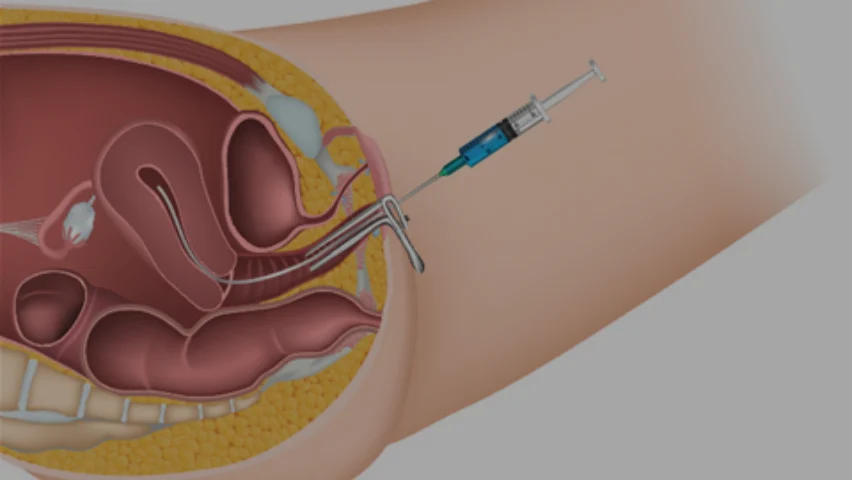
Intrauterine Insemination vs Intracervical Insemination: What to Expect
Potential Risks:
Both IUI and ICI are generally considered safe procedures with minimal risks. However, there are some potential risks and side effects that individuals should be aware of. The most common side effects of IUI and ICI include cramping, spotting, and mild discomfort. In rare cases, there may be a risk of infection or damage to the reproductive organs. It is important to discuss these potential risks with your doctor before undergoing either procedure.
What to Expect:
Before undergoing IUI or ICI, individuals will need to undergo several tests to determine the cause of infertility and to ensure that they are good candidates for these procedures. These tests may include a physical exam, blood tests, and imaging tests to assess the health of the reproductive organs. Your doctor may also recommend lifestyle changes or medications to optimize your chances of success.
During the procedures, you can expect to feel some mild cramping and discomfort, similar to menstrual cramps. After the procedure, you may experience some spotting and mild cramping, which should subside within a day or two. Your doctor may also prescribe progesterone supplements to support the lining of the uterus and increase the chances of implantation. It is important to follow your doctor’s instructions carefully and to schedule a follow-up appointment to monitor your progress.
In summary, both IUI and ICI are fertility treatments that involve the insertion of sperm into the female reproductive system to increase the chances of conception. While IUI is performed in a medical setting, ICI can be done at home. IUI has a higher success rate, but both procedures have minimal risks and potential side effects. Before deciding on a fertility treatment, it is important to consult with a fertility specialist and discuss the best option for your individual situation.
In conclusion, Intrauterine Insemination and Intracervical Insemination are two commonly used fertility treatments that can help couples struggling with infertility to achieve their dream of starting a family. While they may seem similar, it is important to understand the differences between these procedures, as well as the potential risks and success rates. By discussing your options with a fertility specialist and following their recommendations, you can increase your chances of success and fulfill your dream of becoming a parent.