Tag: Emotional Impact

  • The Emotional Impact of Traditional and Gestational Surrogacy

    Traditional and gestational surrogacy are two methods of assisted reproduction that have been gaining more attention and acceptance in recent years. While they both involve a surrogate carrying a child for intended parents, they have significant differences in terms of the emotional impact they have on all parties involved. In this blog post, we will explore the emotional impact of traditional and gestational surrogacy and how they can affect the surrogates, intended parents, and the child.

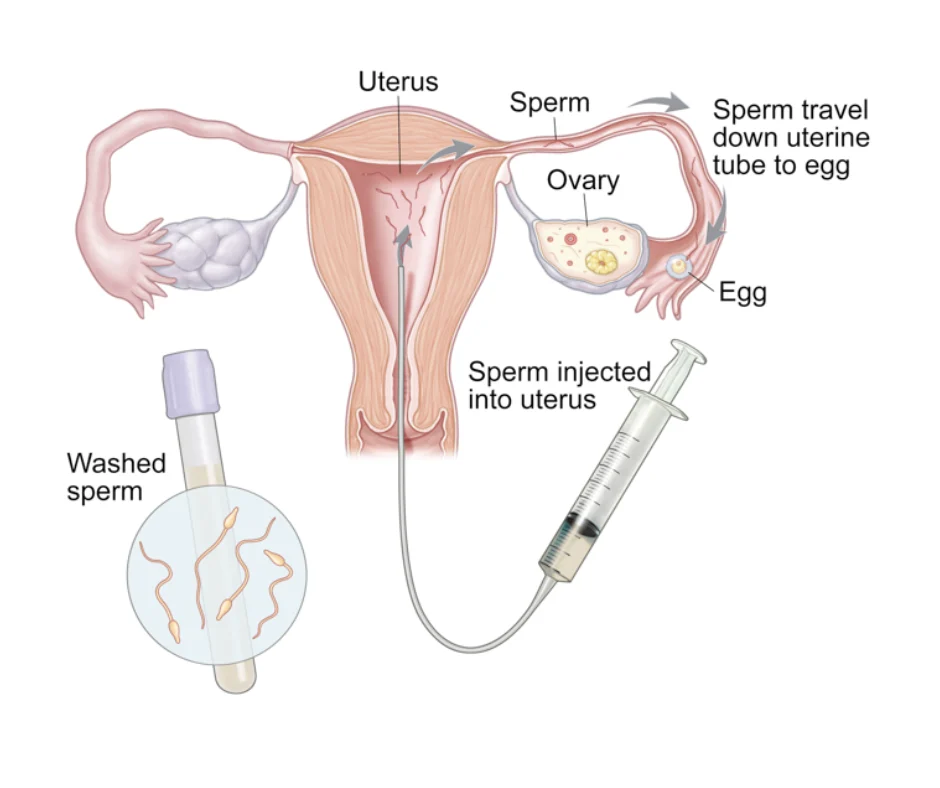
    Traditional surrogacy, also known as genetic surrogacy, is a method where the surrogate is genetically related to the child she carries. This is because the surrogate’s own egg is used, either through artificial insemination or in vitro fertilization (IVF), with the intended father’s sperm or donor sperm. On the other hand, gestational surrogacy is a method where the surrogate has no genetic connection to the child she carries. In gestational surrogacy, the intended parents’ egg and sperm are used, or they may also opt for donor eggs or sperm.

    The emotional impact of traditional surrogacy can be complex and intense for all parties involved. For the surrogate, carrying a child that is genetically related to her can bring up a mix of emotions. Some may feel a strong sense of attachment and bonding with the child, while others may experience feelings of grief and loss when the child is born and given to the intended parents. There may also be concerns about the surrogate’s role in the child’s life after birth and how she will cope with the emotional aftermath of the surrogacy journey.

    For the intended parents, traditional surrogacy can also bring up a range of emotions. They may feel grateful and excited to have a child, but at the same time, they may also feel anxious and worried about the surrogate’s involvement in their child’s life. There may also be concerns about the legal rights of the surrogate and how the surrogacy process may affect their relationship with the child and the surrogate.

    The child born through traditional surrogacy may also face emotional challenges. They may have questions about their identity and may experience feelings of confusion and uncertainty about their relationship with the surrogate. There may also be concerns about the child’s emotional well-being and how they will navigate their relationship with both the surrogate and their intended parents.
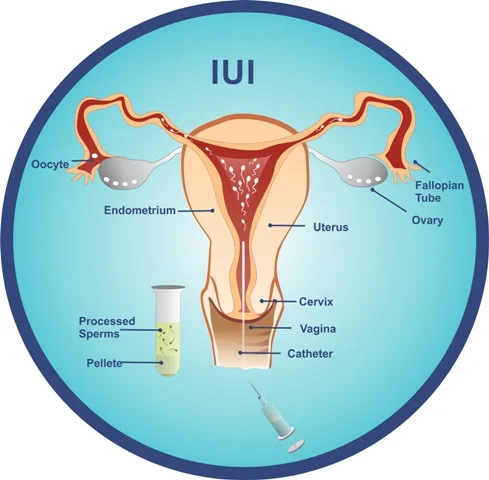
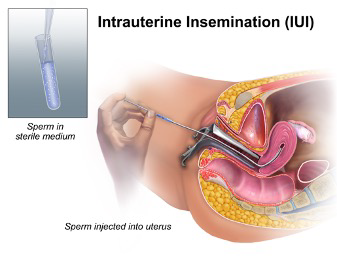
    diagram illustrating intrauterine insemination (IUI) with labeled reproductive anatomy and procedures

    The Emotional Impact of Traditional and Gestational Surrogacy

    On the other hand, gestational surrogacy may have a different emotional impact on all parties involved. For the surrogate, carrying a child that is not genetically related to her may lessen the sense of attachment and bonding she may feel towards the child. However, she may also experience feelings of guilt and sadness for not being genetically related to the child she carries. There may also be concerns about the emotional connection and bond she will have with the child after birth.

    For the intended parents, gestational surrogacy may bring a sense of relief and joy that they are finally able to have a child that is genetically related to them. However, they may also experience feelings of guilt and worry about not being able to carry the child themselves. There may also be concerns about the surrogate’s involvement in their child’s life and how to navigate their relationship with her.

    The child born through gestational surrogacy may also face unique emotional challenges. They may have questions about their genetic origins and may experience feelings of confusion and uncertainty about their relationship with the surrogate. There may also be concerns about the child’s emotional well-being and how they will navigate their relationship with both the surrogate and their intended parents.

    It is important to note that the emotional impact of traditional and gestational surrogacy may vary from person to person and may also be influenced by the specific circumstances of each surrogacy journey. However, it is crucial for all parties involved to be aware of and prepared for the potential emotional challenges that may arise.

    To help alleviate some of these emotional challenges, it is recommended for all parties involved to have open and honest communication throughout the surrogacy process. This can help to establish boundaries, expectations, and address any concerns or fears that may arise. It is also important for all parties to have access to emotional support, whether through counseling or support groups, to help them navigate the emotional complexities of surrogacy.

    In conclusion, traditional and gestational surrogacy may have different emotional impacts on all parties involved. While traditional surrogacy may bring up complex emotions due to the genetic connection between the surrogate and the child, gestational surrogacy may have its own set of emotional challenges. It is important for all parties involved to have a good understanding of these emotional impacts and to have support and resources available to help them navigate their surrogacy journey.
  • The Emotional Impact of Fertility Testing: How to Cope with the Results

    Blog Post:

    The journey towards parenthood is an emotional rollercoaster, filled with both joy and frustration. For couples struggling with fertility issues, this journey can be even more challenging. One of the first steps in addressing fertility problems is undergoing fertility testing. While this process can provide valuable information and potential solutions, it can also have a significant emotional impact on individuals and couples. In this blog post, we will explore the emotional impact of fertility testing and provide tips on how to cope with the results.

    The Emotional Rollercoaster of Fertility Testing:

    Fertility testing can bring up a range of emotions, from anxiety and fear to hope and disappointment. For many, the process can feel invasive and overwhelming. The waiting period for test results can also be incredibly stressful, as it can feel like the fate of one’s dream of parenthood is hanging in the balance.

    For women undergoing fertility testing, there may be additional emotional challenges. The process can bring up feelings of inadequacy and failure, as society often places a lot of pressure on women to conceive and carry a child. Women may also feel a sense of guilt or shame about their bodies not functioning as they had hoped.

    For men, fertility testing can also be emotionally taxing. It may bring up feelings of inadequacy and emasculation, as society often ties masculinity to fertility and virility. Men may also feel a sense of guilt or responsibility for their partner’s struggles with fertility.

    Coping with Negative Results:

    Receiving negative results from fertility testing can be devastating for couples, as it may feel like their dream of having a child is slipping away. It is essential to acknowledge and validate these emotions and give yourself time to grieve. It is normal to feel sad, angry, and frustrated. It is crucial to communicate with your partner and support each other during this difficult time.

    It is also essential to seek support from friends, family, or a therapist. Talking about your feelings can be therapeutic and can help you process your emotions. Additionally, joining support groups or online communities with individuals going through similar experiences can provide a sense of understanding and connection.

    Exploring Different Options:

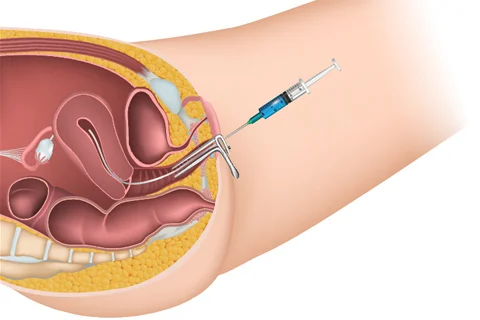
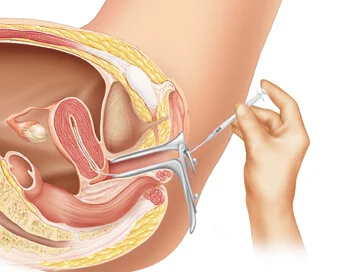
    illustration of intrauterine insemination procedure with a hand holding a speculum and syringe near the uterus

    The Emotional Impact of Fertility Testing: How to Cope with the Results

    Fertility testing may reveal that natural conception may not be possible for some couples. In these cases, it is important to explore other options such as fertility treatments, adoption, or surrogacy. While these options may bring up their own set of emotions, they can also provide hope and a sense of control.

    It is crucial to do research and seek guidance from medical professionals when considering these options. Understanding the risks, success rates, and financial implications can help you make an informed decision. It is also important to consider the emotional impact of these options and be prepared for the potential challenges that may arise.

    Dealing with Positive Results:

    On the other hand, receiving positive results from fertility testing can also bring up a mix of emotions. While it may bring a sense of relief and hope, it may also bring fear and anxiety about the next steps. Couples may worry about potential complications during pregnancy or the possibility of miscarriage.

    It is essential to communicate with your partner and seek support during this time. It is also crucial to take care of your mental and emotional well-being. Taking time for self-care activities such as exercise, meditation, or hobbies can help reduce stress and anxiety.

    Moving Forward:

    No matter the results of fertility testing, it is essential to remember that it does not define you or your worth as an individual or a couple. It is crucial to give yourself time to process your emotions and to communicate openly with your partner. Remember that there is no right or wrong way to feel and that it is okay to seek support from others.

    It is also important to be kind to yourself and practice self-compassion. Fertility testing can be a difficult and emotional process, and it is okay to take breaks and prioritize your mental and emotional well-being.

    In conclusion, fertility testing can have a significant emotional impact on individuals and couples. It is essential to acknowledge and validate these emotions and to seek support from loved ones and professionals. Remember that there are options available, and no matter the results, there is still hope for starting or growing your family.

    Summary:

    Fertility testing can be a difficult and emotional process for individuals and couples struggling with fertility issues. It can bring up feelings of anxiety, fear, and disappointment, and can also have a significant impact on one’s self-worth. Coping with negative results can involve giving yourself time to grieve, seeking support, and exploring different options. Positive results can also bring up a mix of emotions, and it is crucial to take care of one’s mental and emotional well-being. No matter the results, it is essential to remember that fertility testing does not define one’s worth, and there is still hope for starting or growing a family.

  • The Impact on the Birth Mother: Surrogacy vs Adoption

    Blog Post: The Impact on the Birth Mother: Surrogacy vs Adoption

    When it comes to building a family, there are various options available for those who are unable to conceive or carry a child themselves. Two popular options are surrogacy and adoption. While both options involve a birth mother, the impact on the birth mother can be vastly different. In this blog post, we will explore the emotional, physical, and legal impact of surrogacy and adoption on the birth mother, and the factors that may influence their decision.

    The Emotional Impact:

    The decision to become a birth mother is not an easy one, and it can have a significant emotional impact on the woman involved. In surrogacy, the birth mother may have a deep emotional attachment to the child she carries, as she has a genetic connection to the baby. This can make it difficult for her to give up the child after birth. In adoption, the birth mother may experience a sense of loss and grief as she gives up her child to another family. She may also have feelings of guilt or shame, especially if the pregnancy was unplanned.

    In both cases, the birth mother may also experience a range of emotions throughout the pregnancy, such as joy, anxiety, and fear. These emotions can be further heightened by the hormonal changes that occur during pregnancy. It is essential for the birth mother to have a strong support system and access to counseling to help her navigate these emotions during and after the pregnancy.

    The Physical Impact:

    The physical impact of surrogacy and adoption on the birth mother can also differ significantly. In surrogacy, the birth mother undergoes a medical procedure, such as in vitro fertilization (IVF), to become pregnant. This can involve hormone injections, egg retrieval, and embryo transfer, which can have physical side effects such as bloating, cramping, and mood swings. The pregnancy itself can also have physical effects on the birth mother’s body, including weight gain, back pain, and fatigue.

    On the other hand, in adoption, the birth mother does not go through the physical process of pregnancy. However, she may still experience some physical changes, such as lactation and postpartum recovery if she chooses to breastfeed the child before giving them up to the adoptive family. Additionally, the birth mother may also experience physical discomfort or complications from the birth, similar to any other childbirth.

    Illustration of intrauterine insemination (IUI) procedure, showing sperm injection into the uterus.

    The Impact on the Birth Mother: Surrogacy vs Adoption

    The Legal Impact:

    The legal impact of surrogacy and adoption on the birth mother can also vary significantly. In surrogacy, the birth mother enters into a legal agreement with the intended parents, outlining the terms and conditions of the surrogacy journey. This agreement typically includes financial compensation, medical expenses, and expectations for the birth mother’s involvement in the pregnancy and after the birth. It is crucial for the birth mother to seek legal counsel and fully understand the legal implications of the surrogacy agreement before proceeding.

    In adoption, the birth mother also enters into a legal agreement with the adoptive family or agency. This agreement outlines the terms of the adoption, such as the type of adoption (open or closed), the level of contact between the birth mother and the child, and any financial support the birth mother may receive. It is essential for the birth mother to have legal representation and fully understand the legal implications of the adoption before consenting to it.

    Factors That Influence the Decision:

    The decision to become a birth mother through surrogacy or adoption is deeply personal and can be influenced by various factors. Some women may choose surrogacy because they want to help others who are unable to have children, while others may do it for financial reasons. In contrast, some may choose adoption because they are unable to raise the child themselves or believe it is in the best interest of the child. The birth mother’s age, financial situation, and support system can also play a role in their decision-making process.

    In some cases, the decision may not be entirely up to the birth mother. For example, if the pregnancy is unplanned, the birth mother may have limited options and may feel pressured to choose adoption. In surrogacy, the intended parents may have specific requirements or restrictions, which can also influence the birth mother’s decision.

    Summary:

    In conclusion, the impact on the birth mother in surrogacy and adoption can be significant and differs in emotional, physical, and legal aspects. While surrogacy may involve a stronger emotional attachment to the child, it also comes with physical and legal agreements and implications. Adoption, on the other hand, may bring a sense of loss and grief for the birth mother, but it does not involve the physical process of pregnancy. Ultimately, the decision to become a birth mother through surrogacy or adoption is a personal one and should be made after careful consideration and with proper support and guidance.

  • The Impact on Siblings: Surrogacy vs Adoption

    Blog Post: The Impact on Siblings: Surrogacy vs Adoption

    When it comes to expanding a family, there are several options available, such as surrogacy and adoption. Both of these methods involve bringing a child into a family who may have siblings already. While the ultimate goal is to provide a loving and stable home for the child, the impact on the siblings should also be considered. In this blog post, we will explore the impact on siblings when it comes to surrogacy and adoption.

    Surrogacy involves a woman carrying a child for another couple or individual, usually using their own egg or sperm. This child is genetically related to the intended parents, but not to the surrogate mother. On the other hand, adoption involves legally taking in a child who is not biologically related to the adoptive parents. Both surrogacy and adoption bring new siblings into a family, but the dynamics of these relationships can be vastly different. Let’s delve deeper into the impact on siblings in these two different scenarios.

    Emotional Impact

    One of the most significant impacts on siblings in both surrogacy and adoption is the emotional aspect. For children who already have siblings, the arrival of a new sibling through either method can bring about a range of emotions. In surrogacy, the child may feel a sense of loss or confusion as to why their parents chose this method to bring a new child into the family. They may also feel a sense of competition for the attention of their parents. On the other hand, in adoption, the child may feel excitement and curiosity about their new sibling, but also a sense of insecurity about their place in the family.

    In both cases, it is crucial for parents to communicate openly with their children about the process and address any concerns or fears they may have. It is also essential to give each child individual attention and reassurance that they are loved and valued.

    Genetic Connection

    One significant difference between surrogacy and adoption is the genetic connection to the new sibling. In surrogacy, the child is biologically related to the parents, which can create a sense of closeness and familiarity. On the other hand, in adoption, there is no genetic connection, which can lead to feelings of confusion or even rejection for the siblings.

    illustration of intrauterine insemination procedure with a syringe and catheter in the uterus.

    The Impact on Siblings: Surrogacy vs Adoption

    It is vital for parents to address this difference and educate their children about the concept of family not being solely based on genetics. It can also be helpful to involve the siblings in the process of surrogacy or adoption, so they feel a sense of connection and ownership over the new addition to the family.

    Age and Understanding

    Another factor that can impact siblings in surrogacy and adoption is their age and level of understanding. Younger children may have a harder time comprehending the concept of surrogacy or adoption, and may even feel threatened or confused by the sudden presence of a new sibling. On the other hand, older children may have a better understanding of the process and may feel more involved in the decision-making.

    It is essential for parents to tailor the communication and approach based on the age and understanding of their children. Younger children may benefit from books or other resources that explain surrogacy or adoption in a child-friendly way, while older children may appreciate more open and honest conversations about the process.

    Bonding with the New Sibling

    The bonding process with a new sibling can also be impacted by surrogacy or adoption. In surrogacy, the child may feel a sense of connection and familiarity with their new sibling due to the genetic link. However, in adoption, the bonding process may take more time and effort, especially if the child is older and has already formed attachments to their previous caregivers.

    In both cases, it is essential for parents to facilitate a positive and healthy relationship between their children. This can involve activities that encourage bonding, such as playing games together, reading books, or even just spending quality time as a family. It is also crucial to foster a sense of understanding and acceptance between the siblings, regardless of their genetic connection.

    Summary:

    In conclusion, both surrogacy and adoption can have a profound impact on siblings. The emotional aspect, genetic connection, age and understanding, and bonding process are all factors that can significantly influence the dynamics between siblings. As parents, it is essential to address these factors and communicate openly with your children to ensure a smooth and positive transition for everyone involved.

  • Surrogacy vs Adoption: A Medical Perspective

    Surrogacy and adoption are two options for couples or individuals who are unable to conceive a child on their own. While both processes involve bringing a child into a family, there are significant differences in terms of medical procedures, legal considerations, and emotional impact. In this blog post, we will explore surrogacy and adoption from a medical perspective, examining the various factors to consider when choosing between the two options.

    Surrogacy involves a woman carrying a child for another person or couple, either through traditional surrogacy where the surrogate is genetically related to the child, or gestational surrogacy where the surrogate is not genetically related. On the other hand, adoption is the legal process of permanently adding a child to a family who is not biologically related to them. While both surrogacy and adoption have their own unique challenges and benefits, it is important to understand the medical aspects of each before making a decision.

    The first major difference between surrogacy and adoption is the medical procedures involved. In surrogacy, there are various medical procedures that need to be followed, including in vitro fertilization (IVF) to create the embryo, embryo transfer to the surrogate, and prenatal care for the surrogate throughout the pregnancy. These procedures can be expensive and may not always be successful, leading to additional financial and emotional strain on the intended parents. However, surrogacy allows for a genetic connection between the child and the intended parent(s), which can be important for some individuals or couples.

    In contrast, the medical procedures involved in adoption are relatively minimal. The adoptive parents may need to undergo a series of medical and psychological evaluations, but there are no invasive procedures like in surrogacy. The main medical aspect of adoption is the health of the child, which is usually addressed through medical records and evaluations before the adoption is finalized. However, the lack of a genetic connection may be a downside for some individuals or couples considering adoption.

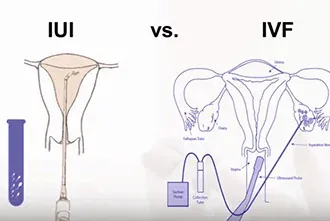
    Comparison of IUI and IVF treatments with diagrams of reproductive anatomy.

    Surrogacy vs Adoption: A Medical Perspective

    Another important factor to consider is the legal aspects of surrogacy and adoption. Surrogacy can be a complex legal process, as it involves contracts between the surrogate and the intended parents, and may also require legal representation for all parties involved. It is important to consult with a lawyer who specializes in surrogacy to ensure that all legal aspects are properly addressed. In addition, surrogacy laws vary by state and country, so it is important to research and understand the legal framework in your specific location.

    Adoption also involves a legal process, but it is usually handled by an adoption agency or attorney. The process may involve home studies, evaluations, and background checks for the adoptive parents, as well as legal proceedings to terminate the birth parents’ rights and establish the adoptive parents as the legal guardians of the child. While there may be some legal fees involved, adoption is generally less complicated and expensive than surrogacy in terms of legal considerations.

    Aside from the medical and legal aspects, the emotional impact of surrogacy and adoption is also a crucial factor to consider. Both processes can be emotionally challenging, but in different ways. For surrogacy, the relationship between the intended parents and the surrogate can be complex and may require a lot of communication and trust. It can also be emotionally taxing for the surrogate to carry a child for another person or couple and then give the baby up after birth. On the other hand, adoption can be emotionally challenging for both the adoptive parents and the child, as they may have to navigate issues of identity, attachment, and loss. However, adoption also provides the opportunity for a child to have a loving and stable home, which can be incredibly rewarding for the adoptive parents.

    In conclusion, both surrogacy and adoption have their own unique medical considerations that should be carefully evaluated before making a decision. Surrogacy involves more invasive medical procedures and complex legal considerations, but allows for a genetic connection between the child and the intended parents. Adoption, on the other hand, has less medical involvement but may come with emotional challenges and lack of genetic connection. Ultimately, the choice between surrogacy and adoption is a personal one and should be made after careful consideration of all factors.

    In summary, surrogacy and adoption are two options for individuals or couples who are unable to conceive a child on their own. Surrogacy involves more medical procedures and complex legal considerations, but allows for a genetic connection between the child and the intended parents. Adoption, on the other hand, has less medical involvement but may come with emotional challenges and lack of genetic connection. Ultimately, the choice between surrogacy and adoption should be based on personal circumstances and preferences.

  • Surrogacy vs Adoption: Cultural Perspectives

    Surrogacy and adoption are two methods of building a family that have become increasingly common in today’s society. While both options involve someone else carrying and giving birth to a child, they differ greatly in terms of the cultural perspectives surrounding them. In this blog post, we will explore the cultural perspectives surrounding surrogacy and adoption and discuss the pros and cons of each option.

    Surrogacy is a process in which a woman carries and gives birth to a child for someone else, typically a couple or individual who is unable to conceive or carry a child on their own. This can be done through traditional surrogacy, where the surrogate’s own egg is fertilized with the intended father’s sperm, or through gestational surrogacy, where the surrogate carries a fertilized embryo created through in vitro fertilization (IVF) using the intended parents’ sperm and eggs. Surrogacy has become a popular option for couples and individuals who are struggling with infertility, same-sex couples, and those who are unable to carry a pregnancy due to medical reasons.

    On the other hand, adoption is the legal process of taking in a child and raising them as one’s own. This can be done through domestic adoption, where a child is adopted within the same country, or through international adoption, where a child is adopted from another country. Adoption is often seen as a way to provide a loving home for a child who is in need of one, and it is also a way for couples and individuals to fulfill their desire to become parents.

    One of the main cultural perspectives surrounding surrogacy is the idea of biological connection. For many people, having a biological connection to their child is important and surrogacy allows them to have that. However, this can also lead to concerns about the surrogate’s role in the child’s life and the potential for legal battles over custody. In some cultures, there may also be a stigma attached to using a surrogate, as it goes against traditional views of pregnancy and childbirth.

    On the other hand, adoption is often viewed as a selfless act, as it involves giving a child a loving home and family. However, there can also be cultural perspectives that view adoption negatively, such as the belief that adopted children may have behavioral or emotional issues. This can lead to challenges in the adoption process, such as long waiting periods and strict eligibility criteria.

    success rate of IUI in India with a graphic of a uterus and syringe alongside a rising graph

    Surrogacy vs Adoption: Cultural Perspectives

    Another cultural perspective to consider is the financial aspect of surrogacy and adoption. Surrogacy can be a costly process, as it involves medical procedures and compensation for the surrogate. This can make it inaccessible to many people, especially those from lower-income backgrounds. Adoption also involves significant costs, such as legal fees and travel expenses for international adoption. However, there are also options for low-cost or even free adoption through foster care.

    Religion can also play a significant role in the cultural perspectives surrounding surrogacy and adoption. In some religions, surrogacy is seen as going against the natural order of things and is therefore not accepted. On the other hand, adoption is often seen as a way to provide a child with a better life and can be seen as a religious duty. However, there may also be religious beliefs that discourage adoption, such as the idea that children should be raised by their biological parents.

    In terms of legal considerations, surrogacy and adoption can vary greatly depending on the country or state where the process takes place. Some countries have strict laws regarding surrogacy, while others have no laws at all. This can lead to complications for intended parents, especially if they are from a country where surrogacy is not legally recognized. Adoption also involves legal processes and regulations, which can differ between countries and can also be a lengthy and complex process.

    Another important aspect to consider is the emotional impact of surrogacy and adoption on all parties involved. Surrogacy can be emotionally challenging for both the intended parents and the surrogate, as it involves carrying and giving birth to a child that will not be raised by the surrogate. There may also be emotional challenges for the child as they grow up and learn about their birth story. Adoption can also have emotional implications, as adopted children may struggle with feelings of abandonment or may have a strong desire to find their birth parents.

    In summary, both surrogacy and adoption have their own cultural perspectives and considerations. Surrogacy allows for a biological connection between the intended parents and the child, but it can also come with legal and emotional challenges. Adoption provides a loving home for a child in need, but it is not without its own difficulties, such as high costs and potential cultural stigmas. Ultimately, the decision between surrogacy and adoption is a personal one that should be made after careful consideration of all factors involved.

  • The Impact on the Child: Surrogacy vs Adoption

    Blog Post Title: The Impact on the Child: Surrogacy vs Adoption

    Introduction:

    The decision to become a parent is a life-changing one that comes with its own set of challenges and responsibilities. For many couples who are unable to conceive naturally, surrogacy and adoption are two viable alternatives. Both options offer the opportunity to become parents, but they also have their own unique impact on the child. In this blog post, we will explore the various aspects of surrogacy and adoption and how they affect the child.

    Surrogacy:

    Surrogacy is a process where a woman carries a child for another couple or individual. There are two types of surrogacy – traditional surrogacy and gestational surrogacy. In traditional surrogacy, the surrogate mother uses her own egg, making her the biological mother of the child. On the other hand, in gestational surrogacy, the surrogate mother carries a fertilized egg created through in-vitro fertilization (IVF) using the intended mother’s egg or a donor egg, making her the gestational carrier of the child.

    Impact on the Child:

    One of the primary concerns with surrogacy is the emotional impact it may have on the child. Unlike adoption, where the child is placed with adoptive parents after birth, the child in surrogacy is carried by another woman, which can create a sense of confusion and detachment. In traditional surrogacy, the child may also have a genetic connection to the surrogate mother, which can further complicate their identity and sense of belonging.

    Another significant impact on the child is the lack of a legal relationship with the surrogate mother. In most cases, the surrogate mother has no legal rights to the child, which can be unsettling for the child as they grow older and try to understand their origins.

    Adoption:

    Adoption is a legal process where the rights and responsibilities of biological parents are transferred to adoptive parents. There are various types of adoption, including domestic, international, and foster care adoption. Each type has its own set of challenges and benefits, but they all involve giving a child a permanent and loving home.

    diagram of the female reproductive system with an IUI syringe and test tube for artificial insemination

    The Impact on the Child: Surrogacy vs Adoption

    Impact on the Child:

    The primary impact of adoption on the child is the sense of belonging and security that comes with being a part of a family. In most cases, adoption happens after birth, which means the child has a legal relationship with their adoptive parents from the start. This can help the child build a strong sense of identity and eliminate any confusion or detachment that may arise in surrogacy.

    Moreover, adoption also offers the opportunity for an open adoption, where the child can maintain a relationship with their birth parents. This can help the child understand their origins and have a sense of connection to their biological family, which can be beneficial for their emotional well-being.

    Comparison:

    While both surrogacy and adoption offer the chance to become parents, they have their own unique impact on the child. Surrogacy may struggle with issues of identity and detachment, while adoption provides a sense of belonging and security. However, adoption also has its own set of challenges, such as the child’s potential feelings of abandonment by their birth parents.

    In terms of cost, surrogacy tends to be more expensive than adoption, which can be a significant barrier for many couples. Adoption also involves a lengthy process, including home studies and background checks, which can take months or even years to complete. On the other hand, surrogacy can often be a quicker process, but it still involves extensive medical procedures and legal agreements.

    Conclusion:

    In the end, the decision between surrogacy and adoption ultimately depends on the individual circumstances of the couple or individual seeking to become parents. Both options offer their own unique set of challenges and benefits, and it is essential to carefully consider the impact on the child before making a decision. It is also crucial to seek guidance from professionals and have open and honest discussions with all parties involved to ensure the best outcome for the child.

    Summary:

    The decision to become a parent is a life-changing one that comes with its own set of challenges and responsibilities. For couples who are unable to conceive naturally, surrogacy and adoption are two viable alternatives. Surrogacy involves a woman carrying a child for another couple or individual, while adoption is a legal process where the rights and responsibilities of biological parents are transferred to adoptive parents. Both options have their own unique impact on the child, with surrogacy struggling with issues of identity and detachment, while adoption provides a sense of belonging and security. The final decision ultimately depends on the individual circumstances, and it is crucial to carefully consider the impact on the child before making a decision.

  • Surrogacy vs Adoption: Which option is right for you?

    Surrogacy vs Adoption: Which Option is Right for You?

    Deciding to expand your family is a big step and it often comes with a lot of questions and considerations. For some, the traditional route of conceiving a child may not be an option, leading to the decision to pursue alternative methods such as surrogacy or adoption. Both of these options have their own unique benefits and challenges, making the decision of which one is right for you and your family a difficult one. In this blog post, we will explore the differences between surrogacy and adoption, as well as the factors to consider when making this important decision.

    Surrogacy is when a woman carries and gives birth to a child for another individual or couple. There are two types of surrogacy: traditional and gestational. Traditional surrogacy involves the surrogate mother using her own eggs to conceive the child, while gestational surrogacy involves the use of a donor egg or embryo. In both cases, the surrogate mother carries the pregnancy to term and gives birth to the child, but does not have any genetic relation to the child.

    On the other hand, adoption is the legal process of becoming the parent of a child who is not biologically related to you. This can be done through a private agency, through the foster care system, or through international adoption. The process can be lengthy and involves thorough background checks and evaluations to ensure the best interests of the child.

    Now that we have a basic understanding of the two options, let’s explore some of the factors to consider when deciding between surrogacy and adoption.

    1. Genetic Connection

    One of the main differences between surrogacy and adoption is the genetic connection to the child. Surrogacy allows for the intended parents to have a genetic connection to the child, either through the use of their own eggs and sperm or through the use of a donor egg or sperm. This can be a significant factor for some individuals and couples who wish to have a biological link to their child.

    On the other hand, adoption does not provide a genetic connection to the child. This may or may not be important to the prospective parents, but it is something to consider when making the decision. Some adoptive parents may feel a sense of loss or grief over not having a genetic connection to their child, while others may not view it as a significant factor.

    2. Cost

    Another important factor to consider is the cost of surrogacy and adoption. Surrogacy can be a very expensive process, with costs ranging from $90,000 to $130,000 on average. This includes the cost of IVF, the surrogate mother’s compensation, medical expenses, legal fees, and agency fees. The cost can vary depending on the type of surrogacy and the location.

    Adoption, on the other hand, can also be costly, but the costs are typically lower than surrogacy. Domestic adoption can range from $20,000 to $40,000, while international adoption can cost upwards of $50,000. Foster care adoption is the most affordable option, with minimal costs involved.

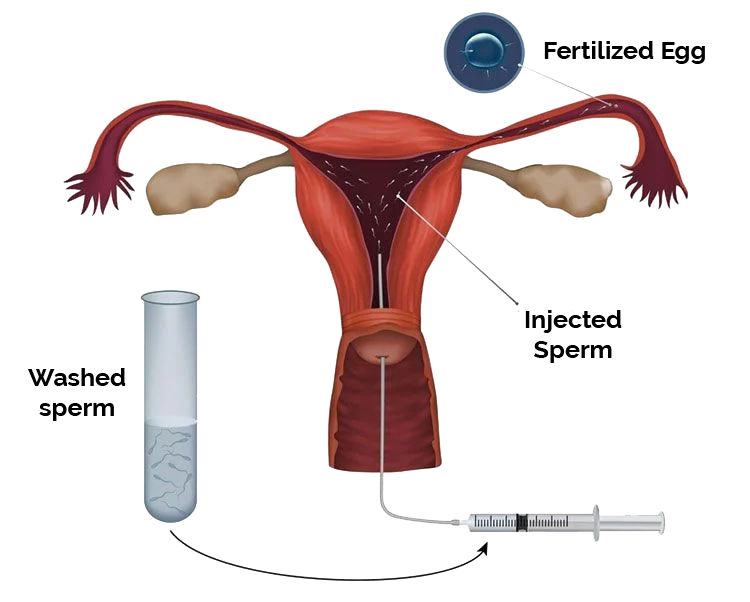
    diagram illustrating intrauterine insemination process, showing sperm injection into the uterus and egg fertilization pathway

    Surrogacy vs Adoption: Which option is right for you?

    3. Legal Considerations

    Both surrogacy and adoption involve legal processes and considerations. Surrogacy contracts must be carefully drafted and reviewed to ensure the rights and responsibilities of all parties involved are clearly stated. In some states, surrogacy is not legally recognized, making the process more complicated.

    Adoption also involves legal procedures and the involvement of an adoption agency or attorney. The process can vary depending on the type of adoption and the location. It is important to research and understand the legal requirements and procedures involved in both surrogacy and adoption before making a decision.

    4. Emotional Impact

    The emotional impact of surrogacy and adoption can also be a significant factor to consider. Surrogacy can be emotionally challenging for both the intended parents and the surrogate mother. The surrogate mother may experience a range of emotions, including attachment to the child she is carrying. The intended parents may also experience anxiety and stress, as they have no control over the pregnancy and the well-being of their child until birth.

    Adoption can also be emotionally challenging, as it involves the placement of a child who has been separated from their birth parents. Adoptive parents may experience a range of emotions, including fear, anxiety, and joy. It is important for prospective parents to carefully consider their emotional readiness for both surrogacy and adoption.

    5. Timeframe

    The timeframe for surrogacy and adoption can also differ significantly. Surrogacy can take up to a year or longer, depending on the availability of a suitable surrogate mother and the success of the IVF process. The legal procedures and contracts involved can also contribute to the length of the process.

    Adoption can also be a lengthy process, as it involves background checks, evaluations, and legal procedures. Domestic adoption can take anywhere from 1 to 2 years, while international adoption can take up to 2 to 4 years. Foster care adoption can take less time, but it also depends on the availability of suitable children for adoption.

    So which option is right for you? The answer will ultimately depend on your personal preferences, needs, and circumstances. Surrogacy may be the best option for those who want a genetic connection to their child and have the financial means to pursue the process. Adoption may be a better fit for those who are open to providing a loving home to a child in need and are prepared for the emotional and legal aspects involved.

    In summary, both surrogacy and adoption are viable options for expanding your family, but they each have their own unique benefits and challenges. It is important to carefully consider factors such as genetic connection, cost, legal considerations, emotional impact, and timeframe before making a decision. It is also helpful to seek guidance and support from professionals and others who have gone through the process. Ultimately, the most important thing is providing a loving and stable home for a child, regardless of the method of bringing them into your family.

  • Egg Donation vs Egg Freezing: The Impact on Relationships

    Egg Donation vs Egg Freezing: The Impact on Relationships

    Egg donation and egg freezing are two medical procedures that have gained significant popularity in recent years. Both procedures involve the use of a woman’s eggs for fertility purposes, but they have different implications for relationships. Egg donation involves a woman donating her eggs to another person or couple who are unable to conceive on their own. Egg freezing, on the other hand, allows a woman to preserve her eggs for future use when she is ready to start a family. While both procedures have their own benefits and drawbacks, they can have a significant impact on relationships in various ways.

    In this blog post, we will explore the impact of egg donation and egg freezing on relationships. We will discuss the emotional, physical, and financial implications of these procedures and how they can affect relationships between partners, family members, and even friends. We will also delve into the societal and cultural attitudes towards egg donation and egg freezing and how they can influence relationships. By the end of this post, you will have a better understanding of the impact of these procedures on relationships and how to navigate them in your own life.

    Emotional Impact on Relationships:
    Egg donation and egg freezing both involve intense emotional processes for the individuals involved. For the donor, egg donation can bring up feelings of selflessness and altruism, but it can also bring up feelings of loss and detachment from their genetic material. These emotions can affect their relationship with their partner, as well as their family and friends. It is essential for the donor to have a supportive partner who understands and respects their decision to donate their eggs.

    On the other hand, egg freezing can also bring up a range of emotions for the woman undergoing the procedure. She may feel a sense of relief and control over her fertility, but she may also experience anxiety and pressure to use her frozen eggs in the future. This can put a strain on her relationship with her partner, who may have different plans for their future family. It is crucial for couples to have open and honest communication before and after the egg freezing process to navigate any potential conflicts.

    Physical Impact on Relationships:
    Egg donation and egg freezing are both medical procedures that can have physical implications for the individuals involved. Egg donation involves the retrieval of eggs through a minor surgical procedure, which can have physical side effects such as bloating, discomfort, and potential complications. This can affect the donor’s ability to engage in physical activities, including intimacy with their partner. It is essential for couples to discuss and plan for any potential physical changes that may occur during and after the egg donation process.

    illustration of IUI procedure with text on symptoms, reasons, and causes of IUI failure

    Egg Donation vs Egg Freezing: The Impact on Relationships

    Similarly, egg freezing also involves the retrieval of eggs through a minor surgical procedure. The hormone injections required for egg freezing can also have physical side effects, such as mood swings, nausea, and bloating. This can also impact the woman’s relationship with her partner, who may need to support and care for her during this process. It is crucial for couples to be aware of these potential physical effects and have a plan in place to manage them together.

    Financial Impact on Relationships:
    Egg donation and egg freezing are not only emotionally and physically demanding but also financially. Egg donation can be a costly process, as it involves medical procedures and medication. This can put a strain on the donor’s relationship with their partner, who may need to support them financially. On the other hand, egg freezing can also be expensive, but it can offer women the opportunity to delay starting a family until they are in a more stable financial position. This can alleviate some pressure on the couple’s relationship and allow them to focus on other financial goals.

    Societal and Cultural Attitudes:
    Egg donation and egg freezing are still relatively new procedures, and as such, there are societal and cultural attitudes towards them. Egg donation is often seen as an act of kindness and generosity, but there can also be a stigma attached to it, with some people viewing it as “selling” one’s eggs. This can affect the donor’s relationship with their partner and family, who may not understand or support their decision. Similarly, egg freezing can be viewed as delaying a woman’s biological clock, and there can be pressure from society to have children at a certain age. This can impact the woman’s relationship with her partner, who may have different expectations for their family planning.

    Navigating Relationships:
    Egg donation and egg freezing can have a significant impact on relationships, but there are ways to navigate them successfully. Open and honest communication is key, not just between the partners but also with family and friends. It is essential for couples to discuss their expectations, fears, and concerns before and during the procedure. It is also crucial to seek support from friends, family, or a therapist, if needed, to manage any emotional or physical challenges that may arise.

    In conclusion, egg donation and egg freezing can have a significant impact on relationships. From emotional and physical challenges to financial and societal pressures, these procedures can bring up a range of emotions and dynamics in relationships. It is crucial for couples to have open and honest communication, seek support when needed, and have a plan in place to navigate these challenges together. By understanding the impact of these procedures on relationships, we can better prepare ourselves and our loved ones for this journey.

    Summary:
    Egg donation and egg freezing are two medical procedures that involve the use of a woman’s eggs for fertility purposes. These procedures can have a significant impact on relationships, both emotionally and physically. They can also bring up financial and societal pressures that can affect the dynamics between partners, family, and friends. Navigating these procedures in relationships requires open communication, support, and a plan to manage any potential challenges that may arise.

  • The Emotional Journey of Egg Donation and Egg Freezing

    The Emotional Journey of Egg Donation and Egg Freezing: Understanding the Impact of Fertility Treatments on Women’s Lives

    Egg donation and egg freezing are two fertility treatments that have become increasingly popular in recent years. These procedures offer women the opportunity to preserve their fertility and have a child at a later stage in life. However, behind the medical procedures and scientific advancements, there is an emotional journey that every woman who embarks on these treatments goes through. From the decision to undergo the procedures to the physical and emotional toll it takes, egg donation and egg freezing can have a profound impact on a woman’s life. In this blog post, we will explore the emotional journey of egg donation and egg freezing and shed light on the emotional aspects of these fertility treatments.

    The Decision to Undergo Egg Donation or Egg Freezing

    The decision to undergo egg donation or egg freezing is not one that is taken lightly. It is a significant choice that requires careful consideration and thought. For many women, the decision to undergo these procedures is not an easy one. It may be due to a medical condition that affects their fertility or because they are not ready to have a child at the present time. Whatever the reason, the decision to undergo egg donation or egg freezing can evoke a range of emotions such as fear, anxiety, and uncertainty.

    One of the main emotional challenges that women face when considering these treatments is the uncertainty of the outcome. While egg donation and egg freezing have high success rates, there is no guarantee that the procedures will result in a successful pregnancy. This uncertainty can create a sense of fear and anxiety for women as they embark on this journey.

    The Process of Egg Donation and Egg Freezing

    The process of egg donation and egg freezing can be physically and emotionally demanding. It involves multiple medical appointments, hormone injections, and invasive procedures. These treatments can also have side effects such as mood swings, bloating, and fatigue, which can take a toll on a woman’s emotional well-being.

    For women undergoing egg donation, there is also the added emotional weight of knowing that they are giving their eggs to help someone else have a child. This can bring up feelings of altruism and pride, but also feelings of loss and grief for the potential biological connection they will have with the child.

    On the other hand, women who opt for egg freezing may experience a sense of relief and control over their fertility. They may feel empowered by the choice to preserve their eggs and have the option to have a child when they are ready. However, this can also come with the stress of making sure the eggs are stored properly and the financial burden of paying for the procedure and storage.

    Dealing with the Emotional Impact

    Comparison of IUI and IVF treatments with diagrams of reproductive anatomy.

    The Emotional Journey of Egg Donation and Egg Freezing

    The emotional impact of egg donation and egg freezing can be significant and should not be ignored. Women may experience a range of emotions throughout the process, including sadness, anger, and guilt. It is essential for women to have a support system in place, whether it be a partner, family member, or a therapist, to help them navigate these emotions.

    It is also crucial for women to take care of their physical and emotional well-being during and after the procedures. This can include practicing self-care activities such as exercise, meditation, and talking to a therapist. It is also essential for women to have open and honest communication with their doctors and fertility specialists to ensure they are receiving the necessary support and care throughout the process.

    The Impact on Relationships

    Egg donation and egg freezing can also have a significant impact on a woman’s relationships. These treatments can bring couples closer together as they navigate the emotional journey together. However, it can also create tension and strain in relationships, especially if one partner is not fully on board with the decision to undergo these procedures.

    For single women, egg donation and egg freezing can also bring up feelings of loneliness and isolation. They may feel pressure from society to have a child or feel like they are missing out on the traditional path of marriage and motherhood. It is essential for women to have a strong support system and to communicate openly with their loved ones about their decision to undergo these treatments.

    The Emotional Aftermath

    Once the procedures are complete, women may experience a range of emotions, regardless of the outcome. For those who are successful in achieving a pregnancy through egg donation, there may be feelings of joy and happiness, but also a sense of loss and grief for the child they did not carry and give birth to.

    For women who opt for egg freezing and do not end up using their preserved eggs, there may be a sense of disappointment and regret. It is essential for women to process these emotions and seek support if needed. It is also important to remember that the decision to undergo these procedures was made with careful consideration and that there are no right or wrong emotions to feel.

    In conclusion, the emotional journey of egg donation and egg freezing is a complex and personal one. It involves a range of emotions and challenges that can have a profound impact on a woman’s life. It is crucial for women to have a strong support system, to take care of their physical and emotional well-being, and to communicate openly with their loved ones throughout the process. Egg donation and egg freezing offer women the option to preserve their fertility and have a child at a later stage in life, but it is essential to understand and acknowledge the emotional toll it can take.

    Summary:
    Egg donation and egg freezing are two popular fertility treatments that offer women the option to preserve their fertility and have a child at a later stage in life. However, behind the medical procedures and scientific advancements, there is an emotional journey that every woman who embarks on these treatments goes through. The decision to undergo these procedures can evoke fear, anxiety, and uncertainty, and the process itself can be physically and emotionally demanding. It is essential for women to have a support system in place, take care of their well-being, and communicate openly with their loved ones. These treatments can also have an impact on relationships and may result in a range of emotions, regardless of the outcome. It is important for women to seek support and process their emotions after the procedures are complete. Understanding the emotional journey of egg donation and egg freezing is crucial for women considering these treatments.