Traditional and gestational surrogacy are two methods of assisted reproduction that have been gaining more attention and acceptance in recent years. While they both involve a surrogate carrying a child for intended parents, they have significant differences in terms of the emotional impact they have on all parties involved. In this blog post, we will explore the emotional impact of traditional and gestational surrogacy and how they can affect the surrogates, intended parents, and the child.
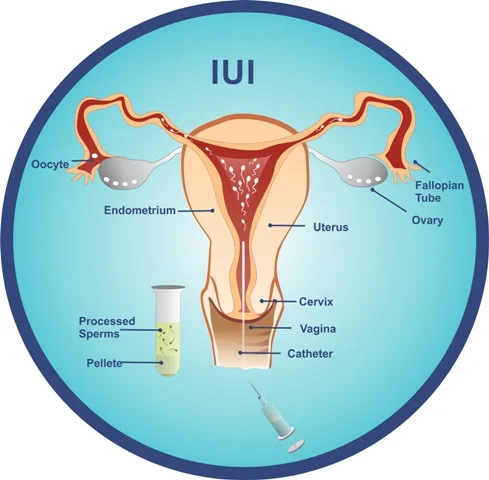
Traditional surrogacy, also known as genetic surrogacy, is a method where the surrogate is genetically related to the child she carries. This is because the surrogate’s own egg is used, either through artificial insemination or in vitro fertilization (IVF), with the intended father’s sperm or donor sperm. On the other hand, gestational surrogacy is a method where the surrogate has no genetic connection to the child she carries. In gestational surrogacy, the intended parents’ egg and sperm are used, or they may also opt for donor eggs or sperm.
The emotional impact of traditional surrogacy can be complex and intense for all parties involved. For the surrogate, carrying a child that is genetically related to her can bring up a mix of emotions. Some may feel a strong sense of attachment and bonding with the child, while others may experience feelings of grief and loss when the child is born and given to the intended parents. There may also be concerns about the surrogate’s role in the child’s life after birth and how she will cope with the emotional aftermath of the surrogacy journey.
For the intended parents, traditional surrogacy can also bring up a range of emotions. They may feel grateful and excited to have a child, but at the same time, they may also feel anxious and worried about the surrogate’s involvement in their child’s life. There may also be concerns about the legal rights of the surrogate and how the surrogacy process may affect their relationship with the child and the surrogate.
The child born through traditional surrogacy may also face emotional challenges. They may have questions about their identity and may experience feelings of confusion and uncertainty about their relationship with the surrogate. There may also be concerns about the child’s emotional well-being and how they will navigate their relationship with both the surrogate and their intended parents.
The Emotional Impact of Traditional and Gestational Surrogacy
On the other hand, gestational surrogacy may have a different emotional impact on all parties involved. For the surrogate, carrying a child that is not genetically related to her may lessen the sense of attachment and bonding she may feel towards the child. However, she may also experience feelings of guilt and sadness for not being genetically related to the child she carries. There may also be concerns about the emotional connection and bond she will have with the child after birth.
For the intended parents, gestational surrogacy may bring a sense of relief and joy that they are finally able to have a child that is genetically related to them. However, they may also experience feelings of guilt and worry about not being able to carry the child themselves. There may also be concerns about the surrogate’s involvement in their child’s life and how to navigate their relationship with her.
The child born through gestational surrogacy may also face unique emotional challenges. They may have questions about their genetic origins and may experience feelings of confusion and uncertainty about their relationship with the surrogate. There may also be concerns about the child’s emotional well-being and how they will navigate their relationship with both the surrogate and their intended parents.
It is important to note that the emotional impact of traditional and gestational surrogacy may vary from person to person and may also be influenced by the specific circumstances of each surrogacy journey. However, it is crucial for all parties involved to be aware of and prepared for the potential emotional challenges that may arise.
To help alleviate some of these emotional challenges, it is recommended for all parties involved to have open and honest communication throughout the surrogacy process. This can help to establish boundaries, expectations, and address any concerns or fears that may arise. It is also important for all parties to have access to emotional support, whether through counseling or support groups, to help them navigate the emotional complexities of surrogacy.
In conclusion, traditional and gestational surrogacy may have different emotional impacts on all parties involved. While traditional surrogacy may bring up complex emotions due to the genetic connection between the surrogate and the child, gestational surrogacy may have its own set of emotional challenges. It is important for all parties involved to have a good understanding of these emotional impacts and to have support and resources available to help them navigate their surrogacy journey.