Surrogacy vs Adoption: A Medical Comparison
When it comes to starting a family, there are various options available for couples and individuals. Two of the most common methods are surrogacy and adoption. While both can help individuals and couples achieve their dream of becoming parents, they have significant differences in terms of the medical processes involved. In this blog post, we will explore the medical aspects of surrogacy and adoption and compare them to help you understand which option may be the best for you.
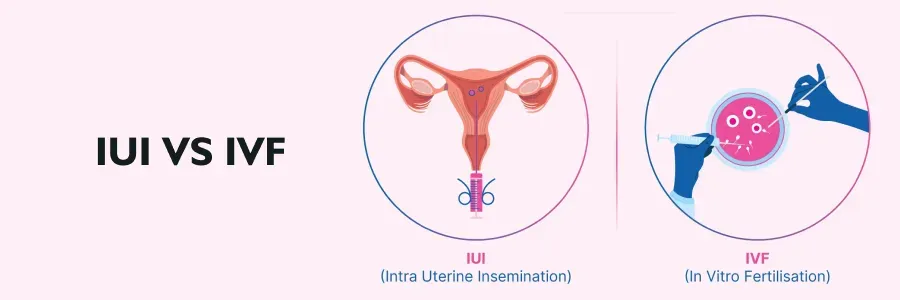
Surrogacy is a process in which a woman carries a pregnancy for another individual or couple, known as the intended parents. There are two types of surrogacy – traditional and gestational. In traditional surrogacy, the surrogate’s own egg is fertilized with the intended father’s sperm, making her the biological mother of the child. On the other hand, gestational surrogacy involves the use of in vitro fertilization (IVF) to create an embryo using the intended parents’ genetic material, which is then implanted into the surrogate’s womb.
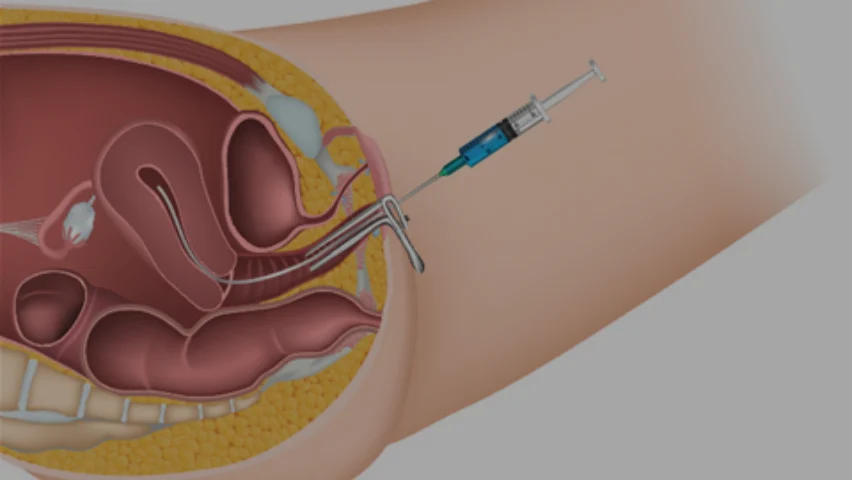
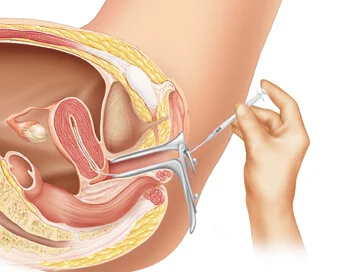
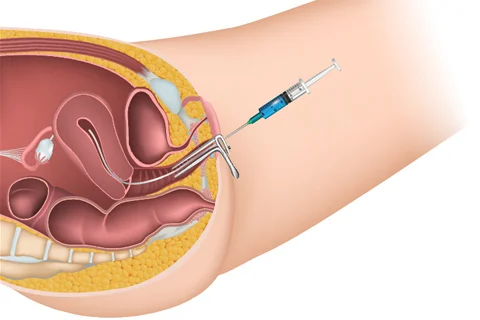
The medical process of surrogacy involves several steps. First, the intended parents undergo fertility testing to determine their ability to produce healthy sperm and eggs. If there are any issues, alternative options such as using donor eggs or sperm may be considered. Once the intended parents have been cleared, the surrogate also undergoes fertility testing to ensure her ability to carry a pregnancy. If all goes well, the next step is the embryo transfer, where the fertilized embryo is implanted into the surrogate’s uterus. The surrogate then carries the pregnancy to term and delivers the baby, who is then legally handed over to the intended parents.
Adoption, on the other hand, is the legal process of becoming the parents of a child who is not biologically related to them. There are various types of adoption, including domestic, international, and foster care adoption. Domestic adoption involves adopting a child within the country, while international adoption is the process of adopting a child from another country. Foster care adoption involves adopting a child who is in the foster care system.
The medical process of adoption is not as complex as surrogacy. However, it does involve some medical procedures. First, the adoptive parents undergo a medical examination to ensure they are healthy and able to care for a child. They may also undergo psychological evaluations to determine their readiness to become parents. Once they are approved, the adoption agency will match them with a child based on their preferences and the child’s needs. The adoptive parents then go through a legal process to finalize the adoption.
Surrogacy vs Adoption: A Medical Comparison
One significant difference between surrogacy and adoption is the involvement of genetics. In surrogacy, the intended parents’ genetic material is used to create the embryo, making them the biological parents of the child. On the other hand, in adoption, the child is not biologically related to the adoptive parents. This may be an important factor for some individuals or couples to consider when choosing between surrogacy and adoption.
Another difference is the level of control and involvement in the pregnancy and birth process. In surrogacy, the intended parents have more control over the pregnancy, as they are involved in the embryo creation and transfer process. They can also be present for the birth of their child if they choose to do so. In contrast, adoptive parents have less control over the pregnancy and birth process, as they are not biologically related to the child and may not be present for the birth.
In terms of costs, surrogacy is generally more expensive than adoption. The medical procedures involved in surrogacy, such as IVF, can be costly, and the intended parents are also responsible for the surrogate’s medical expenses. In contrast, adoption costs may vary, but they are generally lower than surrogacy. However, with adoption, there may be additional fees such as legal fees, home studies, and travel expenses for international adoption.
Both surrogacy and adoption have their own set of risks and challenges. One potential risk of surrogacy is the emotional attachment that may develop between the surrogate and the baby, which could make it difficult for her to give up the child after birth. In adoption, there may be challenges such as the child’s birth parents changing their minds or the child having a difficult time adjusting to the new family.
In conclusion, surrogacy and adoption are two different options for individuals and couples looking to start a family. Surrogacy involves a more complex medical process and offers the opportunity for the intended parents to have a genetic connection to the child. Adoption, on the other hand, is a more straightforward medical process and provides the opportunity to give a home to a child in need. Ultimately, the decision between surrogacy and adoption is a personal one that should be made after considering all factors and consulting with medical professionals.
Summary:
Surrogacy and adoption are two popular options for individuals and couples looking to start a family. Surrogacy involves a complex medical process, while adoption is a more straightforward process. Surrogacy allows for a genetic connection to the child, while adoption does not. Surrogacy is generally more expensive than adoption, and both have their own set of risks and challenges. Ultimately, the decision between surrogacy and adoption should be made after considering all factors and consulting with medical professionals.