Exploring the Risks: Potential Complications of Artificial Insemination and IVF
Artificial insemination (AI) and in vitro fertilization (IVF) are two popular methods of assisted reproductive technology that have helped many couples struggling with fertility issues to conceive. Both procedures involve the use of medical interventions to assist in the fertilization and implantation of an egg, and while they have a high success rate, there are potential risks and complications that should be considered.
In this blog post, we will explore the potential complications and risks associated with artificial insemination and IVF, as well as ways to minimize these risks and increase the chances of a successful pregnancy.
Potential Complications of Artificial Insemination
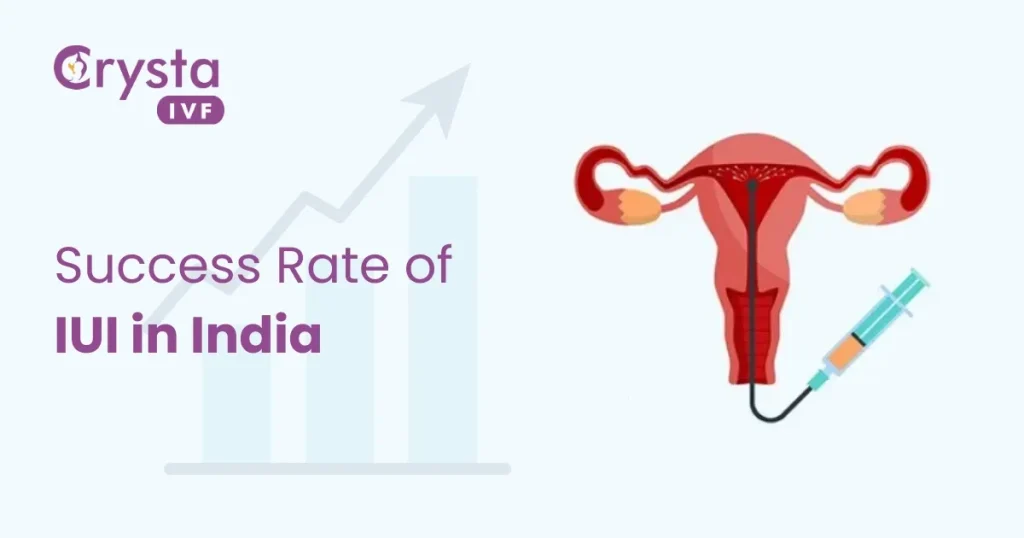
Artificial insemination, also known as intrauterine insemination (IUI), is a procedure where sperm is placed directly into a woman’s uterus to increase the chances of fertilization. While it is a relatively simple and non-invasive procedure, there are a few potential complications that may occur.
1. Infection
One of the most common complications of artificial insemination is infection. This can happen if the instruments used during the procedure are not properly sterilized or if the woman’s reproductive tract is not properly prepared before the procedure. Symptoms of infection may include fever, chills, and abdominal pain. It is important to follow all instructions from your doctor and to seek medical attention if you experience any of these symptoms after the procedure.
2. Multiple Pregnancy
One of the main risks of artificial insemination is the possibility of multiple pregnancies. Because several eggs may be released during ovulation, there is a chance that more than one egg may be fertilized, leading to a multiple pregnancy. This can carry a higher risk for both the mother and the babies, including preterm labor and low birth weight. Your doctor will monitor your hormone levels and may recommend a lower dosage of fertility drugs to reduce the risk of multiple pregnancies.
3. Ovarian Hyperstimulation Syndrome (OHSS)
OHSS is a condition that can occur when a woman is given fertility drugs to stimulate the production of eggs. It causes the ovaries to become swollen and painful, and in severe cases, can lead to fluid buildup in the abdomen and chest. This condition is rare but can be life-threatening if left untreated. Your doctor will monitor your hormone levels and may adjust your medication dosage to prevent OHSS.
Potential Complications of IVF
IVF is a more complex and invasive procedure compared to artificial insemination, and as a result, there are more potential complications that may arise. These include:
Exploring the Risks: Potential Complications of Artificial Insemination and IVF
1. Ovarian Hyperstimulation Syndrome (OHSS)
As with artificial insemination, OHSS is a potential complication of IVF. The use of fertility drugs to stimulate the ovaries can lead to an overproduction of eggs, causing the ovaries to become enlarged and painful. Your doctor will closely monitor your hormone levels and may adjust the dosage of medications to prevent OHSS.
2. Ectopic Pregnancy
An ectopic pregnancy occurs when the fertilized egg implants outside of the uterus, usually in the fallopian tubes. This can be a life-threatening situation and requires immediate medical attention. The risk of ectopic pregnancy is higher with IVF because the fertilized eggs are placed directly into the uterus, increasing the chances of implantation elsewhere.
3. Multiple Pregnancy
Similar to artificial insemination, there is a risk of multiple pregnancies with IVF. This can lead to a higher risk of complications for both the mother and the babies. Your doctor may recommend transferring a single embryo to reduce the chances of a multiple pregnancy.
Ways to Reduce Risks and Increase Success Rates
While there are potential risks and complications associated with artificial insemination and IVF, there are also ways to minimize these risks and increase the chances of a successful pregnancy. These include:
1. Choosing a Reputable Fertility Clinic
It is essential to do thorough research and choose a reputable fertility clinic with experienced and qualified doctors. They will have the necessary expertise to minimize the risks and increase the chances of a successful pregnancy.
2. Communicating with Your Doctor
Open communication with your doctor is crucial throughout the entire process. Be sure to ask any questions you may have and discuss any concerns. Your doctor will be able to provide you with personalized recommendations based on your medical history and individual needs.
3. Monitoring Closely
Regular monitoring during the treatment process is essential to catch any potential complications early on. Your doctor will monitor your hormone levels and adjust your medication dosage as needed to prevent any complications.
Summary
Artificial insemination and IVF are popular methods of assisted reproductive technology that can help couples struggling with fertility issues to conceive. While these procedures have a high success rate, there are potential risks and complications that should be considered. These include infection, multiple pregnancy, and OHSS. However, by choosing a reputable fertility clinic, communicating with your doctor, and closely monitoring the treatment process, you can minimize these risks and increase the chances of a successful pregnancy.
Leave a Reply