Tag: hormones

  • The Role of Hormones in Fertility: How Fertility Drugs and Natural Methods Affect Them

    The Role of Hormones in Fertility: How Fertility Drugs and Natural Methods Affect Them

    Fertility is a natural process that allows individuals to conceive and have children. However, for some people, achieving pregnancy can be a challenging and complex journey. One of the key factors that play a vital role in fertility is hormones. Hormones are chemical messengers in the body that regulate various bodily functions, including fertility. In this blog post, we will explore the role of hormones in fertility and how fertility drugs and natural methods can affect them.

    Hormones and Fertility

    Hormones are produced by glands in the endocrine system, including the pituitary gland, thyroid gland, and ovaries (in females) or testes (in males). These hormones work together to regulate the menstrual cycle and prepare the body for pregnancy. In females, the menstrual cycle is a monthly process where the ovaries release an egg, and the uterus prepares for possible pregnancy. In males, hormones help in the production of sperm and maintain sexual function.

    The key hormones involved in fertility are estrogen, progesterone, luteinizing hormone (LH), and follicle-stimulating hormone (FSH). These hormones work together in a complex feedback system to regulate the reproductive cycle.

    Estrogen and Fertility

    Estrogen is a female sex hormone that plays a critical role in fertility. It is responsible for the development of female sexual characteristics, such as breast growth, and plays a vital role in the menstrual cycle. Estrogen levels rise during the first half of the menstrual cycle, preparing the uterus for possible pregnancy. It also stimulates the production of fertile cervical mucus, which helps sperm reach the egg.

    Low levels of estrogen can affect fertility by causing irregular periods, anovulation (lack of egg release), and thinning of the uterine lining. On the other hand, high levels of estrogen can cause problems such as polycystic ovary syndrome (PCOS) and endometriosis, which can lead to infertility.

    Progesterone and Fertility

    Progesterone is another female sex hormone that plays a vital role in fertility. It is produced by the ovaries after ovulation and helps prepare the uterine lining for implantation and pregnancy. Progesterone also helps maintain pregnancy by preventing contractions of the uterus and preparing the breasts for lactation.

    Low levels of progesterone can lead to early miscarriage and difficulty maintaining pregnancy. In contrast, high levels of progesterone can cause problems such as irregular menstrual cycles and anovulation.

    Luteinizing Hormone (LH) and Fertility

    LH is a hormone that plays a crucial role in the menstrual cycle and ovulation. It works together with FSH to stimulate the ovaries to produce estrogen and progesterone. LH levels rise just before ovulation, triggering the release of an egg from the ovary. After ovulation, LH levels decrease, and progesterone levels increase to prepare the uterus for pregnancy.

    Abnormal levels of LH can affect fertility by causing problems such as anovulation and irregular menstrual cycles. In females, high levels of LH can also indicate conditions like PCOS, while in males, it can affect sperm production and sexual function.
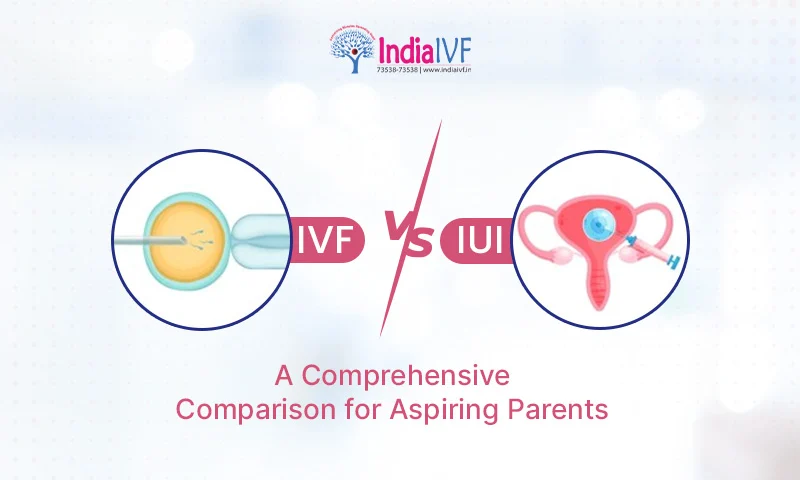
    IVF vs IUI comparison graphic highlighting reproductive methods for aspiring parents.

    The Role of Hormones in Fertility: How Fertility Drugs and Natural Methods Affect Them

    Follicle-Stimulating Hormone (FSH) and Fertility

    FSH is a hormone that stimulates the growth and development of follicles in the ovaries. Follicles are small fluid-filled sacs that contain eggs. FSH levels rise during the first half of the menstrual cycle, stimulating the ovaries to produce estrogen. As estrogen levels increase, FSH levels decrease, and the dominant follicle releases an egg during ovulation.

    Abnormal levels of FSH can affect fertility by causing problems such as anovulation and irregular menstrual cycles. In males, high levels of FSH can indicate problems with sperm production.

    Fertility Drugs and Hormones

    Fertility drugs are medications that help regulate hormone levels and improve fertility. These drugs can be used to treat various fertility problems, such as irregular ovulation, PCOS, and male infertility. Some common fertility drugs include Clomid, Femara, and Gonadotropins.

    Clomid is a commonly prescribed medication that helps stimulate ovulation by blocking estrogen receptors in the brain. This leads to an increase in FSH levels, triggering ovulation. Femara works similarly but targets the estrogen receptors in the ovaries. Gonadotropins are injectable hormones that can be used to stimulate ovulation in women or sperm production in men.

    While fertility drugs can be effective in treating fertility problems, they can also have side effects such as headaches, hot flashes, and mood swings. It is essential to work closely with a doctor when taking fertility drugs to ensure proper monitoring and management of any potential side effects.

    Natural Methods to Regulate Hormones for Fertility

    In addition to fertility drugs, there are also natural methods to regulate hormones and improve fertility. These methods include dietary changes, stress reduction, and lifestyle modifications.

    Diet plays a crucial role in hormone balance and fertility. A healthy and balanced diet can help regulate estrogen and progesterone levels. Some foods that are beneficial for fertility include whole grains, leafy greens, lean protein, and healthy fats. On the other hand, foods high in sugar and unhealthy fats can disrupt hormone balance and affect fertility.

    Stress is another factor that can impact hormone levels and fertility. High levels of stress can lead to an increase in the stress hormone cortisol, which can interfere with the production of other hormones involved in fertility. Finding ways to manage stress, such as practicing yoga, meditation, or engaging in relaxation techniques, can help regulate hormone levels and improve fertility.

    Lifestyle factors such as smoking, excessive alcohol consumption, and a sedentary lifestyle can also affect hormone balance and fertility. Making healthy lifestyle choices, such as quitting smoking, limiting alcohol intake, and exercising regularly, can help improve overall health and fertility.

    Summary:

    Hormones play a crucial role in fertility by regulating the menstrual cycle and preparing the body for pregnancy. Estrogen, progesterone, LH, and FSH work together in a complex feedback system to ensure proper ovulation and implantation. Imbalances in these hormones can lead to fertility problems. Fertility drugs, such as Clomid, Femara, and Gonadotropins, can help regulate hormones and improve fertility, but they may also have side effects. Natural methods, such as diet and lifestyle changes, can also help regulate hormones and improve fertility.
  • At-Home Fertility Testing for Women with Irregular Cycles: What You Need to Know

    Blog post:

    Introduction:

    For many women, having an irregular menstrual cycle can make it difficult to track ovulation and plan for conception. This can be a frustrating and stressful experience, especially for those who are actively trying to conceive. Fortunately, with advancements in technology, there are now at-home fertility testing options available specifically for women with irregular cycles. In this blog post, we will discuss what you need to know about at-home fertility testing for women with irregular cycles.

    What causes irregular cycles?

    Before diving into at-home fertility testing, it’s important to understand the potential causes of irregular cycles. Some common factors that can contribute to irregular cycles include hormonal imbalances, polycystic ovary syndrome (PCOS), thyroid issues, excessive exercise, stress, and even certain medications. Identifying the root cause of your irregular cycles can help you better understand your fertility and make informed decisions about your reproductive health.

    What is at-home fertility testing?

    At-home fertility testing is a convenient and cost-effective option for women who want to track their fertility from the comfort of their own home. These tests typically involve collecting a urine or saliva sample and using a test kit to measure hormone levels. The most common hormones measured in at-home fertility tests are luteinizing hormone (LH) and estrogen. LH is responsible for triggering ovulation, while estrogen helps to thicken the uterine lining in preparation for implantation.

    What are the benefits of at-home fertility testing for women with irregular cycles?

    One of the main benefits of at-home fertility testing for women with irregular cycles is the ability to track ovulation and hormone levels in real-time. This can help you identify whether or not you are ovulating, and if so, the best time to try to conceive. Additionally, regular testing can provide valuable information about any underlying hormonal imbalances that may be affecting your cycle. This can help you and your healthcare provider develop a personalized treatment plan to regulate your cycle and improve your chances of conception.

    What are the different types of at-home fertility tests?

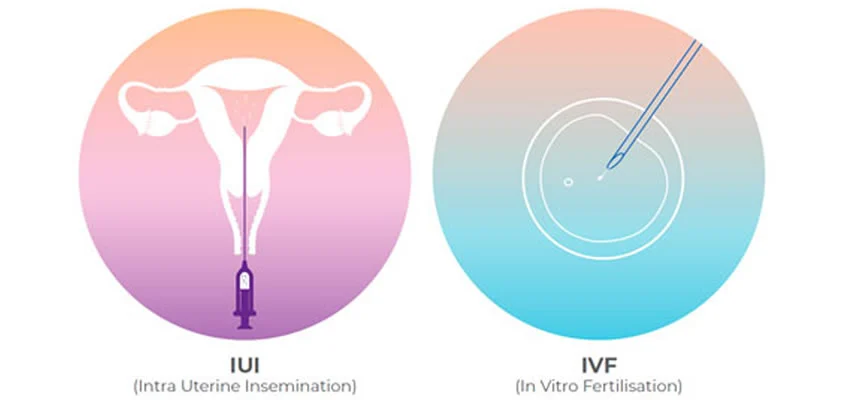
    comparison of IUI and IVF procedures illustrated with simple graphics and labels

    At-Home Fertility Testing for Women with Irregular Cycles: What You Need to Know

    There are several different types of at-home fertility tests available on the market. The most common ones include urine-based ovulation predictor kits (OPKs), saliva-based fertility monitors, and digital fertility trackers. Urine-based OPKs detect the presence of LH in your urine, which typically surges 24-36 hours before ovulation. Saliva-based fertility monitors work by measuring estrogen levels in your saliva, which can indicate the fertile window. Digital fertility trackers use a combination of urine and saliva samples to measure both LH and estrogen levels.

    What to consider when choosing an at-home fertility test?

    When choosing an at-home fertility test, it’s important to consider factors such as accuracy, ease of use, and cost. Look for tests that have been clinically validated and have a high accuracy rate. It’s also essential to choose a test that is easy to use and fits your lifestyle. For example, if you travel frequently, a compact and portable fertility tracker may be a better option than a bulky kit that requires multiple samples. Finally, factor in the cost of the test and any additional fees, such as subscription fees for digital fertility trackers.

    Tips for using at-home fertility tests:

    1. Follow the instructions carefully: It’s crucial to follow the instructions provided with the test to ensure accurate results.

    2. Test consistently: To get the most out of at-home fertility testing, it’s essential to test consistently. This means testing at the same time each day and not missing any days.

    3. Track your results: Keep a record of your results to help identify patterns and changes in your hormone levels over time.

    4. Consider using multiple methods: For a more comprehensive picture of your fertility, you may want to use multiple methods, such as combining an OPK with a digital fertility tracker.

    5. Consult with a healthcare professional: If you have any concerns or questions about your results, it’s always best to consult with your healthcare provider. They can help you interpret your results and provide personalized guidance.

    Summary:

    At-home fertility testing is a convenient and effective option for women with irregular cycles who are trying to conceive. It allows you to track your fertility in real-time and identify any potential hormonal imbalances that may be affecting your cycle. When choosing an at-home fertility test, consider factors such as accuracy, ease of use, and cost. By following the tips provided, you can make the most out of at-home fertility testing and better understand your reproductive health.

  • Egg Donation vs Egg Freezing: The Role of Hormones

    Blog Post:

    Egg donation and egg freezing are two popular options for women who want to preserve their fertility. Both procedures involve the extraction and storage of a woman’s eggs, but they serve different purposes. Egg donation is typically used by women who want to help others become parents, while egg freezing is often chosen by women who want to delay pregnancy and preserve their own fertility for the future. In both cases, hormones play a crucial role in the success of the procedures.

    Let’s take a closer look at the role of hormones in egg donation and egg freezing.

    Egg Donation:

    Egg donation is a process in which a woman donates her eggs to be used by another woman or couple who are unable to conceive on their own. The eggs are retrieved from the donor’s ovaries through a surgical procedure called follicular aspiration. Before the retrieval, the donor is given fertility medications to stimulate the production of multiple eggs.

    The main hormone used in egg donation is follicle-stimulating hormone (FSH). This hormone is responsible for stimulating the growth and development of follicles in the ovaries, which in turn produce mature eggs. In an egg donation cycle, the donor is given FSH injections for 10-12 days to ensure the development of multiple follicles and eggs. The dosage of FSH is carefully monitored and adjusted to avoid any complications such as ovarian hyperstimulation syndrome (OHSS).

    In addition to FSH, other hormones such as luteinizing hormone (LH) and human chorionic gonadotropin (hCG) may also be used in egg donation. LH helps to trigger ovulation, while hCG prepares the eggs for retrieval.

    Egg donors may experience side effects from the hormone medications, such as bloating, mood swings, and breast tenderness. These side effects are usually temporary and subside once the donation cycle is completed.

    Egg Freezing:

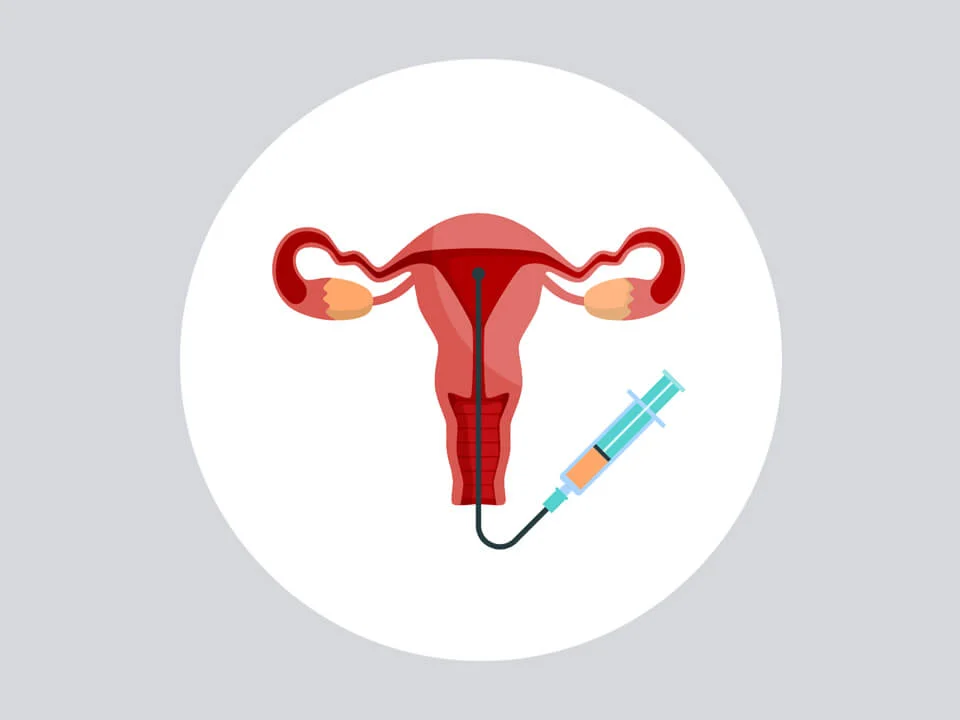
    Illustration of a uterus with a syringe, representing intrauterine insemination (IUI) procedure.

    Egg Donation vs Egg Freezing: The Role of Hormones

    Egg freezing, also known as oocyte cryopreservation, involves retrieving a woman’s eggs and freezing them for future use. This procedure is often chosen by women who are not ready to start a family yet, but want to preserve their fertility. It can also be recommended to women who are about to undergo medical treatments that may affect their fertility, such as chemotherapy.

    Similar to egg donation, egg freezing also requires the use of fertility medications to stimulate the ovaries and produce multiple eggs. The main hormone used in egg freezing is also FSH, but the dosage and length of the medication may vary depending on the woman’s age and ovarian reserve. Women in their 20s may need a shorter period of medication compared to women in their 30s or 40s.

    Once the eggs are retrieved, they are frozen and stored for future use. When a woman is ready to use her frozen eggs, they are thawed, fertilized with sperm, and implanted in her uterus.

    The Role of Hormones:

    Hormones play a crucial role in the success of both egg donation and egg freezing. FSH is the key hormone responsible for stimulating the ovaries and producing multiple eggs. However, the dosage and length of medication may vary based on the individual’s needs and goals.

    In egg donation, the focus is on producing as many mature eggs as possible in one cycle. This requires a higher dosage of FSH and sometimes other hormones such as LH and hCG. On the other hand, in egg freezing, the goal is to retrieve a smaller number of high-quality eggs. This may require a lower dosage of FSH and a shorter medication period.

    Monitoring hormone levels throughout the process is crucial to ensure the safety and success of both procedures. Blood tests and ultrasounds are used to track the growth of follicles and adjust the medication as needed. This helps to avoid any potential complications and increase the chances of a successful egg retrieval.

    In Conclusion:

    Egg donation and egg freezing are two options available for women to preserve their fertility. Both procedures involve hormone medications to stimulate the ovaries and produce multiple eggs. While egg donation focuses on producing a high number of eggs, egg freezing aims to retrieve a smaller number of high-quality eggs. The dosage and length of hormone medication may vary based on the individual’s needs and goals, and careful monitoring is necessary to ensure the success and safety of the procedures.

    In summary, hormones play a crucial role in egg donation and egg freezing, and their proper use and monitoring are essential for the success of these procedures.

  • The Impact of Egg Donation and Egg Freezing on Women’s Health

    The Impact of Egg Donation and Egg Freezing on Women’s Health

    Egg donation and egg freezing are two procedures that have become increasingly popular in recent years, especially among women who are looking to delay starting a family. While both of these options have their benefits, they also come with their own set of potential risks and impacts on women’s health. In this blog post, we will delve into the world of egg donation and egg freezing, exploring their effects on women’s physical, mental, and emotional well-being.

    Egg Donation:

    Egg donation is the process of retrieving eggs from a donor and using them to help another woman or couple conceive a child. This process is often used by couples struggling with infertility, same-sex couples, or single women who want to have a child. While egg donation can be a life-changing opportunity for those who are unable to conceive on their own, it also has its own set of implications for women’s health.

    One of the main concerns with egg donation is the effect it can have on a woman’s hormones. In order to retrieve eggs, the donor must undergo a series of hormone injections to stimulate the production of multiple eggs. These hormones can cause a range of side effects, such as mood swings, headaches, bloating, and abdominal discomfort. In rare cases, they can also lead to more serious complications such as ovarian hyperstimulation syndrome (OHSS). This condition occurs when the ovaries become swollen and painful, and can even result in hospitalization.

    In addition to the physical impact, egg donation can also have emotional consequences for women. The process of undergoing hormone injections, egg retrieval, and the knowledge that their eggs will be used to help others can be emotionally taxing. Many donors report feeling a sense of loss or grief after the procedure, as well as concerns about the well-being of the child that may be born from their eggs.

    Furthermore, egg donation can also have long-term effects on a woman’s fertility. While it is possible for donors to still conceive naturally after the procedure, there is a risk of reduced ovarian reserve, meaning the number of eggs a woman has available for future pregnancies may be decreased. This is a crucial factor to consider for women who may still want to have biological children in the future.

    Egg Freezing:

    Egg freezing, also known as oocyte cryopreservation, is a process where a woman’s eggs are retrieved, frozen, and stored for future use. This option has become increasingly popular for women who want to delay starting a family for various reasons, such as focusing on their careers or not yet finding the right partner. While it allows women to preserve their fertility, egg freezing also has its own set of implications for women’s health.

    Illustration of intrauterine insemination (IUI) procedure with syringe and catheter in the uterus.

    The Impact of Egg Donation and Egg Freezing on Women's Health

    The process of egg freezing involves the same hormone injections as egg donation, which can have similar physical and emotional effects. However, the main concern with egg freezing is the potential long-term effects on a woman’s health. The procedure itself is relatively new, and there is limited research on the potential risks associated with it. Some studies have suggested that the hormones used in the process may increase the risk of certain health conditions, such as breast and uterine cancer. Additionally, the process of retrieving eggs can also lead to complications such as bleeding, infection, and damage to surrounding organs.

    Another important consideration with egg freezing is the success rate. While it is a viable option for preserving fertility, there is no guarantee that the frozen eggs will result in a successful pregnancy in the future. This can lead to disappointment and emotional distress for women who have undergone the procedure. Additionally, the cost of egg freezing can be a barrier for many women, as it is not typically covered by insurance and can be quite expensive.

    The Importance of Informed Consent and Ongoing Support:

    Both egg donation and egg freezing are complex procedures that have the potential to impact a woman’s physical, mental, and emotional well-being. As with any medical procedure, it is crucial for women to fully understand the risks and potential effects before making a decision. This is why informed consent is essential in both egg donation and egg freezing.

    Informed consent means that individuals are fully informed about the details, risks, and benefits of a medical procedure, and are able to make an informed decision about whether or not to proceed. In the case of egg donation and egg freezing, this means providing donors and patients with thorough information about the procedures, potential side effects, and long-term implications. This allows women to make an informed decision about their own health and fertility.

    In addition to informed consent, ongoing support is also crucial for women who have undergone egg donation or egg freezing. These procedures can have a significant impact on a woman’s mental and emotional well-being, and it is important for them to have access to resources and support systems to help them navigate any challenges that may arise. This can include counseling, support groups, and access to information about their fertility and reproductive health.

    In conclusion, egg donation and egg freezing are two procedures that have the potential to greatly impact women’s health and fertility. While they offer opportunities for women to have a child or preserve their fertility, there are also potential risks and implications that must be carefully considered. Informed consent and ongoing support are essential for women to make informed decisions about their health and well-being.

    Summary:

    Egg donation and egg freezing are two procedures that have become popular among women for various reasons. While they offer benefits such as helping couples struggling with infertility or preserving fertility, they also come with potential risks and impacts on women’s health. The hormone injections used in these procedures can cause physical side effects and emotional distress. In addition, there are long-term implications on fertility and potential risks such as cancer. Informed consent and ongoing support are crucial for women to make informed decisions and navigate any challenges that may arise.

  • The Role of Hormone Imbalances in Infertility and How to Address Them Naturally

    Blog Post Title: The Role of Hormone Imbalances in Infertility and How to Address Them Naturally

    Infertility affects approximately 1 in 8 couples, with hormonal imbalances being one of the leading causes. Hormones play a crucial role in our reproductive health, and any disruption in their levels can significantly impact fertility. In this blog post, we will explore the connection between hormone imbalances and infertility and discuss natural ways to address them.

    Understanding Hormone Imbalances and Infertility

    Hormones are chemical messengers that regulate various functions in our body, including reproduction. In women, fertility depends on the proper functioning of the hypothalamic-pituitary-ovarian (HPO) axis, which is responsible for the production and release of hormones. Any disruption in this axis can result in hormonal imbalances, leading to infertility.

    The most common hormones involved in fertility are estrogen, progesterone, and testosterone. Estrogen is responsible for the development and maturation of the egg, while progesterone prepares the uterus for pregnancy. Testosterone plays a crucial role in egg development and ovulation in women.

    When these hormones are not in balance, it can lead to various fertility issues, such as irregular menstrual cycles, anovulation, and recurrent miscarriages. Hormonal imbalances can also affect men’s fertility by causing a decrease in sperm count and quality.

    Causes of Hormonal Imbalances

    Several factors can disrupt the delicate balance of hormones in our bodies, leading to infertility. Some of the common causes include:

    1. Polycystic Ovary Syndrome (PCOS)
    PCOS is a common hormonal disorder in women of reproductive age, affecting approximately 5-10% of women. It is characterized by high levels of androgens (male hormones) and insulin resistance, leading to irregular menstrual cycles, anovulation, and ovarian cysts. PCOS can significantly impact a woman’s fertility, making it challenging to conceive.

    2. Thyroid Disorders
    The thyroid gland produces hormones that regulate metabolism, growth, and development. Any dysfunction in this gland can lead to hormonal imbalances, affecting fertility. Both hypothyroidism (underactive thyroid) and hyperthyroidism (overactive thyroid) can cause irregular menstrual cycles and ovulation problems.

    illustration of intrauterine insemination procedure with a syringe and catheter in the uterus.

    The Role of Hormone Imbalances in Infertility and How to Address Them Naturally

    3. Stress
    Chronic stress can affect the production and release of hormones, leading to imbalances. It can also cause an increase in cortisol (stress hormone) levels, which can interfere with the HPO axis and disrupt fertility.

    4. Nutritional Deficiencies
    Nutrients play a crucial role in hormone production and regulation. Deficiencies in essential vitamins and minerals, such as zinc, vitamin D, and B vitamins, can cause hormonal imbalances, affecting fertility.

    Natural Ways to Address Hormonal Imbalances and Improve Fertility

    1. Manage Stress
    Stress can significantly impact our hormonal balance, making it one of the essential factors to address when trying to conceive. Incorporating stress management techniques, such as yoga, meditation, and deep breathing, can help reduce stress levels and improve fertility.

    2. Maintain a Healthy Weight
    Being underweight or overweight can disrupt the production and release of hormones, leading to infertility. Maintaining a healthy weight through a balanced diet and regular exercise can help regulate hormone levels and improve fertility.

    3. Incorporate Nutrient-Dense Foods
    Eating a diet rich in whole, nutrient-dense foods can help correct nutritional deficiencies and improve hormonal balance. Some foods that can support hormonal health include leafy greens, fatty fish, nuts and seeds, and whole grains.

    4. Consider Herbal Remedies
    Certain herbs, such as chasteberry, maca root, and ashwagandha, have been traditionally used to support hormonal balance and improve fertility. Consult with a healthcare practitioner before incorporating any herbs into your routine.

    5. Address Underlying Health Issues
    If you have been diagnosed with PCOS, thyroid disorders, or any other underlying health conditions, working with a healthcare practitioner to manage these conditions can help improve fertility.

    In conclusion, hormonal imbalances can significantly impact fertility and make it challenging to conceive. By addressing the root causes of these imbalances and incorporating natural methods to support hormonal health, you can improve your chances of conceiving. Remember to consult with a healthcare practitioner before making any significant changes to your lifestyle or incorporating new supplements or herbs.

    Summary:

    Infertility affects 1 in 8 couples, and hormonal imbalances are one of the leading causes. Hormones play a crucial role in reproductive health, and any disruption in their levels can significantly impact fertility. The most common hormones involved in fertility are estrogen, progesterone, and testosterone. Several factors can cause hormonal imbalances, including PCOS, thyroid disorders, stress, and nutritional deficiencies. To address these imbalances and improve fertility, one can manage stress, maintain a healthy weight, incorporate nutrient-dense foods, consider herbal remedies, and address underlying health issues. It is essential to consult with a healthcare practitioner before making any significant changes to lifestyle or incorporating new supplements or herbs.

  • Natural Supplements to Enhance Fertility Without Injections

    Blog Post: Natural Supplements to Enhance Fertility Without Injections

    Infertility affects millions of people around the world, and many couples struggle with conceiving a child. While there are various medical interventions available, such as fertility injections, they can be expensive and come with potential risks. Fortunately, there are natural supplements that can help enhance fertility without the need for injections. In this blog post, we will discuss the top natural supplements that have been shown to improve fertility and increase the chances of conception.

    1. Maca Root
    Maca root is a popular natural supplement that has been used for centuries to improve fertility. It is a plant native to Peru and is believed to balance hormones in both men and women, which can help with fertility issues. Maca root is also rich in antioxidants, vitamins, and minerals, making it a great overall supplement for reproductive health. Studies have shown that maca root can improve sperm quality and quantity in men and regulate ovulation in women.

    2. Vitex
    Vitex, also known as chasteberry, is a herb that has been traditionally used to treat reproductive issues in women. It works by balancing hormones, specifically increasing levels of progesterone and decreasing levels of estrogen. This can help regulate ovulation and improve the chances of conceiving. Vitex has also been shown to improve symptoms of polycystic ovary syndrome (PCOS), a common cause of infertility in women.

    3. CoQ10
    Coenzyme Q10, or CoQ10, is an antioxidant that plays a vital role in energy production and cell growth. It is found in every cell of the body and is essential for reproductive health. CoQ10 has been shown to improve sperm quality and motility in men, as well as egg quality in women. It can also help protect the eggs and sperm from damage caused by free radicals.

    4. Omega-3 Fatty Acids
    Omega-3 fatty acids, found in fish oil and flaxseed oil, are essential for reproductive health. They help regulate hormones, improve blood flow to the reproductive organs, and reduce inflammation. Studies have shown that omega-3 fatty acids can improve sperm quality and increase the chances of ovulation in women. They have also been linked to a lower risk of miscarriage and preterm birth.

    5. Zinc
    Zinc is an essential mineral that plays a crucial role in fertility. It is involved in the production of hormones and is necessary for sperm development and maturation. Low levels of zinc have been linked to infertility in both men and women. Studies have shown that zinc supplementation can improve sperm quality and increase sperm count in men. In women, zinc can help regulate the menstrual cycle and improve egg quality.

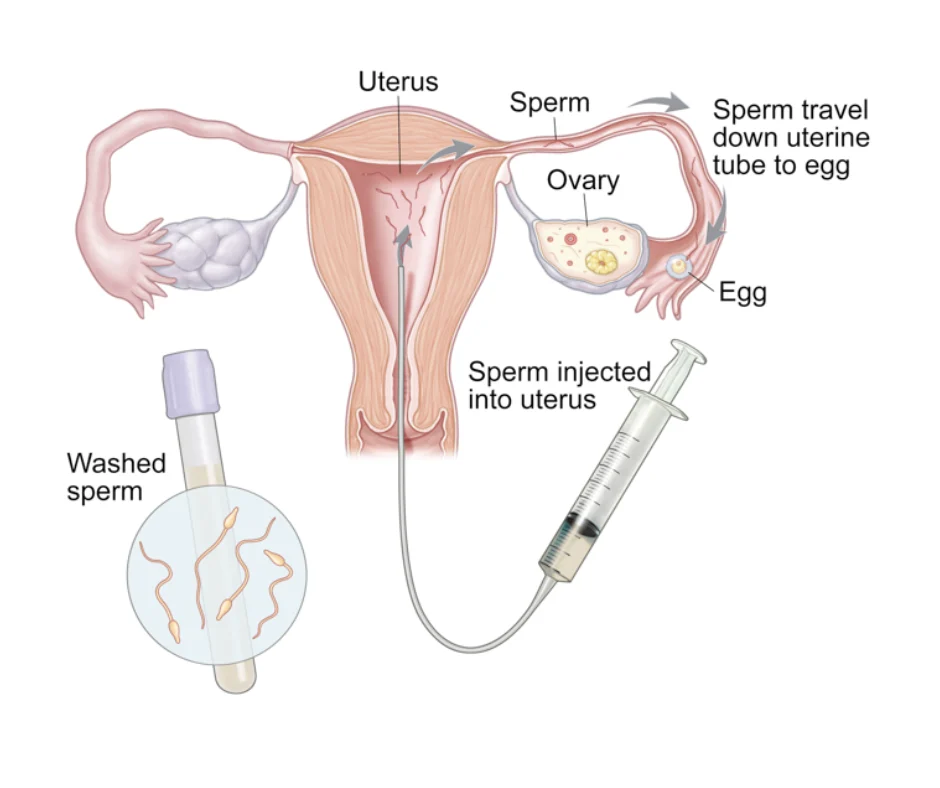
    diagram illustrating intrauterine insemination process, showing sperm injection into the uterus and egg fertilization pathway

    Natural Supplements to Enhance Fertility Without Injections

    6. Vitamin D
    Vitamin D deficiency has been linked to infertility in both men and women. It plays a role in regulating hormones and is essential for the development of healthy sperm and eggs. Studies have shown that vitamin D supplementation can improve sperm quality and increase the chances of conception in both men and women. It can also help improve the success rates of fertility treatments.

    7. L-arginine
    L-arginine is an amino acid that is essential for sperm production and maturation. It also helps improve blood flow to the reproductive organs, which can enhance fertility. Studies have shown that l-arginine supplementation can improve sperm motility and increase the chances of conception. It has also been linked to better outcomes in fertility treatments.

    8. Ashwagandha
    Ashwagandha is an adaptogenic herb that has been used in Ayurvedic medicine for centuries. It helps the body adapt to stress and has been shown to regulate hormones and improve reproductive health. Studies have shown that ashwagandha can improve sperm quality and motility in men. In women, it can help regulate the menstrual cycle and improve ovulation.

    9. N-acetyl-cysteine (NAC)
    NAC is an antioxidant that helps the body produce glutathione, a powerful antioxidant that protects the eggs and sperm from damage. It has been shown to improve sperm quality and increase the chances of conception. NAC can also help with conditions such as PCOS and endometriosis, which can cause infertility.

    10. Ginseng
    Ginseng is a popular herb that has been used in traditional Chinese medicine for its many health benefits. It has been shown to improve sperm quality and increase testosterone levels in men. In women, ginseng can help regulate the menstrual cycle and improve ovulation.

    In conclusion, there are many natural supplements that can help enhance fertility without the need for injections. These supplements work by balancing hormones, improving blood flow, and protecting the eggs and sperm from damage. However, it is essential to consult with a healthcare professional before adding any supplements to your routine, especially if you are currently undergoing fertility treatments. With the right combination of natural supplements, you can increase your chances of conceiving and start your journey towards parenthood.

    Summary: Infertility is a common issue that affects many couples, and while there are medical interventions available, they can be expensive and risky. Fortunately, there are natural supplements that can help enhance fertility without injections. These include maca root, vitex, CoQ10, omega-3 fatty acids, zinc, vitamin D, L-arginine, ashwagandha, NAC, and ginseng. These supplements work by balancing hormones, improving blood flow, and protecting the eggs and sperm from damage. It is important to consult with a healthcare professional before adding any supplements to your routine.